


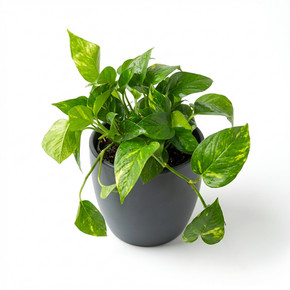


Bring sharp, modern structure to any space with the Queen Victoria Agave. Its compact, perfectly layered rosette and crisp white markings look like living sculpture—ideal for bright desks, minimalist interiors, and premium succulent collections. Extremely drought tolerant and easy to maintain: give it sun, fast-draining soil, and occasional deep watering for years of effortless impact.
Common Name: Queen Victoria Agave
Botanical Name: Agave victoriae-reginae
Former Name: Not available
Plant Type: Succulent houseplant
Plant Code / SKU: PLT-0346
Alternative Names:
اكاف مطبع
Order: Asparagales
Family: Asparagaceae
Subfamily: Agavoideae
Genus: Agave
Native to the Chihuahuan Desert of Coahuila, Mexico. Widely cultivated as an ornamental in arid and semi‐arid regions worldwide.
Compact, symmetrical rosette of thick, triangular leaves. Leaves are dark green with distinct white marginal and central markings. Margins bear small soft teeth, terminating in a sharp spine. Mature plants produce a tall, branched flowering stalk bearing yellowish-green flowers.
Height: 30–60 cm (12–24 in)
Spread: 30–60 cm (12–24 in)
Leaf length: 15–30 cm (6–12 in)
Prefers full sun to very bright light. Requires at least 6 hours of direct sunlight daily for optimal leaf coloration and compact form. Indoors, place in a south- or west-facing window.
Highly drought tolerant. Water deeply then allow substrate to dry out completely before next irrigation. In summer, water every 2–3 weeks; reduce to once a month or less in winter. Avoid standing water to prevent root rot.
Use a fast-draining cactus or succulent potting mix amended with coarse sand or perlite. Ensure pots have adequate drainage holes. Repot every 2–3 years or when rootbound, using fresh mix.
Optimal temperature range: 18–27 °C (65–80 °F). Minimum tolerance down to −6 °C (20 °F) if kept dry. Prefers low to moderate humidity; avoid prolonged high-humidity conditions.
Low nutrient requirements. Apply a balanced, diluted (½ strength) 10-10-10 or cactus-specific fertilizer once in spring. No feeding required during winter dormancy.
Very low maintenance; ideal for beginners. Remove any dead or damaged leaves. Monitor soil moisture to avoid overwatering. Inspect periodically for pests.
Slow-growing; may take several years to flower. Propagate by removing and potting basal offsets (pups) in spring. Can also be grown from seed, though germination and growth are slow.
Root rot from overwatering. Infestations by agave snout weevil. Occasional scale and mealybug issues. Leaf browning or sunburn if suddenly exposed to intense sun without acclimation.
Striking architectural accent for rock gardens, xeriscapes, and minimalist interiors. Excellent for drought-tolerant landscapes and container displays on patios or bright windowsills.
Leaves bear sharp spines that can cause injury. Sap may cause skin irritation or contact dermatitis. Keep out of reach of children and pets. Not edible.
Bring sharp, modern structure to any space with the Queen Victoria Agave. Its compact, perfectly layered rosette and crisp white markings look like living sculpture—ideal for bright desks, minimalist interiors, and premium succulent collections. Extremely drought tolerant and easy to maintain: give it sun, fast-draining soil, and occasional deep watering for years of effortless impact.
Common Name: Queen Victoria Agave
Botanical Name: Agave victoriae-reginae
Former Name: Not available
Plant Type: Succulent houseplant
Plant Code / SKU: PLT-0346
Alternative Names:
اكاف مطبع
Order: Asparagales
Family: Asparagaceae
Subfamily: Agavoideae
Genus: Agave
Native to the Chihuahuan Desert of Coahuila, Mexico. Widely cultivated as an ornamental in arid and semi‐arid regions worldwide.
Compact, symmetrical rosette of thick, triangular leaves. Leaves are dark green with distinct white marginal and central markings. Margins bear small soft teeth, terminating in a sharp spine. Mature plants produce a tall, branched flowering stalk bearing yellowish-green flowers.
Height: 30–60 cm (12–24 in)
Spread: 30–60 cm (12–24 in)
Leaf length: 15–30 cm (6–12 in)
Prefers full sun to very bright light. Requires at least 6 hours of direct sunlight daily for optimal leaf coloration and compact form. Indoors, place in a south- or west-facing window.
Highly drought tolerant. Water deeply then allow substrate to dry out completely before next irrigation. In summer, water every 2–3 weeks; reduce to once a month or less in winter. Avoid standing water to prevent root rot.
Use a fast-draining cactus or succulent potting mix amended with coarse sand or perlite. Ensure pots have adequate drainage holes. Repot every 2–3 years or when rootbound, using fresh mix.
Optimal temperature range: 18–27 °C (65–80 °F). Minimum tolerance down to −6 °C (20 °F) if kept dry. Prefers low to moderate humidity; avoid prolonged high-humidity conditions.
Low nutrient requirements. Apply a balanced, diluted (½ strength) 10-10-10 or cactus-specific fertilizer once in spring. No feeding required during winter dormancy.
Very low maintenance; ideal for beginners. Remove any dead or damaged leaves. Monitor soil moisture to avoid overwatering. Inspect periodically for pests.
Slow-growing; may take several years to flower. Propagate by removing and potting basal offsets (pups) in spring. Can also be grown from seed, though germination and growth are slow.
Root rot from overwatering. Infestations by agave snout weevil. Occasional scale and mealybug issues. Leaf browning or sunburn if suddenly exposed to intense sun without acclimation.
Striking architectural accent for rock gardens, xeriscapes, and minimalist interiors. Excellent for drought-tolerant landscapes and container displays on patios or bright windowsills.
Leaves bear sharp spines that can cause injury. Sap may cause skin irritation or contact dermatitis. Keep out of reach of children and pets. Not edible.

Take 20% off your first order
Enter the code below at checkout to get 20% off your first order