

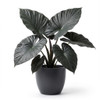


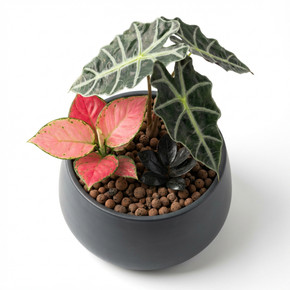


Turn any corner into a luxury tropical display with Alocasia 'Regal Shields'. Its massive, velvety leaves and striking veins create an instant high-end look in living rooms, entrances, and meeting spaces. Choose it when you want a true statement plant—architectural, modern, and unforgettable.
Common Name: ألوكاسيا
Botanical Name: Alocasia 'Regal Shields'
Former Name: Not available
Plant Type: Not available
Plant Code / SKU: PLT-0238
Alternative Names:
Regal Shields
ألوكاسيا
Order: Alismatales
Family: Araceae
Genus: Alocasia
Cultivar: 'Regal Shields'
The Alocasia genus is native to the tropical and subtropical forests of Asia and Eastern Australia. The 'Regal Shields' cultivar was developed by horticulturalists (likely in Europe) and is now distributed globally as a premium ornamental houseplant.
Forms an upright clump of large, arrowhead-shaped leaves with a distinctive velvety texture. Leaf surfaces are deep green to nearly black with contrasting silvery-white veins. Petioles are sturdy and upright, often tinted green to burgundy. New foliage emerges glossy and unfolds to 20–30 cm in length.
Height: 40–60 cm (16–24 inches)
Spread: 40–60 cm (16–24 inches)
Leaf length: 20–30 cm (8–12 inches) each
Growth rate: Moderate
Bright, indirect light is ideal. Tolerates moderate shade but avoid direct midday or afternoon sun, which can scorch the leaves. East- or north-facing windows are preferred.
Maintain evenly moist soil without waterlogging. Water when the top 2–3 cm of soil feels dry. Reduce watering frequency in winter. Ensure excess water drains away to prevent root and crown rot.
Use a well-draining, aerated mix—combine quality potting soil with peat moss or coco coir and perlite or orchid bark. Always choose a pot with drainage holes. Repot every 1–2 years or when roots become pot-bound.
Optimal temperature: 18–29 °C (65–85 °F); avoid dropping below 15 °C (60 °F). Prefers high humidity (60%+). Increase humidity by misting, using a humidifier, or placing on a pebble tray with water.
Feed monthly during active growth (spring and summer) with a balanced, water-soluble fertilizer at half strength. Do not fertilize in fall and winter when growth naturally slows.
Care level: Moderate. Requires consistent moisture, humidity, and bright indirect light. Sensitive to overwatering, dry air, and sudden temperature changes. Wipe leaves periodically to remove dust.
Grows from rhizomes; propagate by division during repotting in spring. Carefully separate offsets with healthy roots and plant in individual containers. Tissue culture propagation is also used commercially.
Overwatering can lead to root or crown rot. Browning or yellowing leaf edges indicate low humidity or inconsistent watering. Watch for spider mites, mealybugs, and scale insects. Leaf spots or wilting can result from fungal or bacterial pathogens in overly wet conditions.
Serves as an architectural focal point in interiors, offices, and lobbies. Its dramatic foliage adds a tropical accent to decor. May contribute to indoor air purification by filtering common pollutants.
All parts contain insoluble calcium oxalate crystals and are toxic if ingested by pets or humans. Ingestion may cause oral irritation, drooling, difficulty swallowing, and vomiting. Keep out of reach of children and animals.
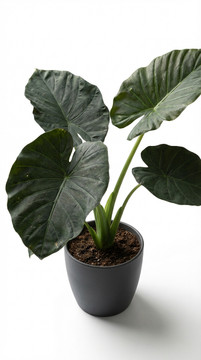
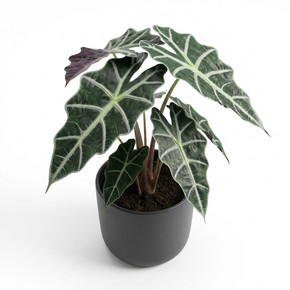
Turn any corner into a luxury tropical display with Alocasia 'Regal Shields'. Its massive, velvety leaves and striking veins create an instant high-end look in living rooms, entrances, and meeting spaces. Choose it when you want a true statement plant—architectural, modern, and unforgettable.
Common Name: ألوكاسيا
Botanical Name: Alocasia 'Regal Shields'
Former Name: Not available
Plant Type: Not available
Plant Code / SKU: PLT-0238
Alternative Names:
Regal Shields
ألوكاسيا
Order: Alismatales
Family: Araceae
Genus: Alocasia
Cultivar: 'Regal Shields'
The Alocasia genus is native to the tropical and subtropical forests of Asia and Eastern Australia. The 'Regal Shields' cultivar was developed by horticulturalists (likely in Europe) and is now distributed globally as a premium ornamental houseplant.
Forms an upright clump of large, arrowhead-shaped leaves with a distinctive velvety texture. Leaf surfaces are deep green to nearly black with contrasting silvery-white veins. Petioles are sturdy and upright, often tinted green to burgundy. New foliage emerges glossy and unfolds to 20–30 cm in length.
Height: 40–60 cm (16–24 inches)
Spread: 40–60 cm (16–24 inches)
Leaf length: 20–30 cm (8–12 inches) each
Growth rate: Moderate
Bright, indirect light is ideal. Tolerates moderate shade but avoid direct midday or afternoon sun, which can scorch the leaves. East- or north-facing windows are preferred.
Maintain evenly moist soil without waterlogging. Water when the top 2–3 cm of soil feels dry. Reduce watering frequency in winter. Ensure excess water drains away to prevent root and crown rot.
Use a well-draining, aerated mix—combine quality potting soil with peat moss or coco coir and perlite or orchid bark. Always choose a pot with drainage holes. Repot every 1–2 years or when roots become pot-bound.
Optimal temperature: 18–29 °C (65–85 °F); avoid dropping below 15 °C (60 °F). Prefers high humidity (60%+). Increase humidity by misting, using a humidifier, or placing on a pebble tray with water.
Feed monthly during active growth (spring and summer) with a balanced, water-soluble fertilizer at half strength. Do not fertilize in fall and winter when growth naturally slows.
Care level: Moderate. Requires consistent moisture, humidity, and bright indirect light. Sensitive to overwatering, dry air, and sudden temperature changes. Wipe leaves periodically to remove dust.
Grows from rhizomes; propagate by division during repotting in spring. Carefully separate offsets with healthy roots and plant in individual containers. Tissue culture propagation is also used commercially.
Overwatering can lead to root or crown rot. Browning or yellowing leaf edges indicate low humidity or inconsistent watering. Watch for spider mites, mealybugs, and scale insects. Leaf spots or wilting can result from fungal or bacterial pathogens in overly wet conditions.
Serves as an architectural focal point in interiors, offices, and lobbies. Its dramatic foliage adds a tropical accent to decor. May contribute to indoor air purification by filtering common pollutants.
All parts contain insoluble calcium oxalate crystals and are toxic if ingested by pets or humans. Ingestion may cause oral irritation, drooling, difficulty swallowing, and vomiting. Keep out of reach of children and animals.





Take 20% off your first order
Enter the code below at checkout to get 20% off your first order