


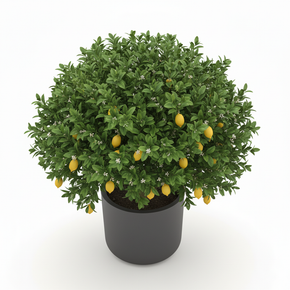
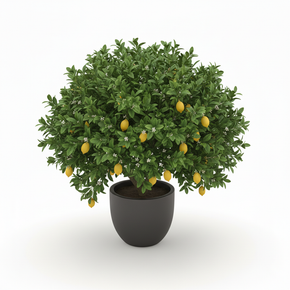



Experience the joy of harvesting your own fruit! Our Assorted Citrus Plants collection delivers the zesty fragrance and vibrant colors of a Mediterranean orchard right to your doorstep. Imagine plucking a fresh lemon for your tea or an orange for a snack. Perfect as a stunning, long-lasting gift or a unique addition to your home décor, these plants are a treat for all the senses. Order yours today and start your indoor gardening adventure!
Common Name: Assorted Citrus (Lemon, Orange, Calamondin)
Botanical Name: Citrus spp.
Arabic Name: حمضيات
Variant: Assorted
Plant Color: Multicolor
Family: Rutaceae
Country of Origin: Netherlands
Kingdom: Plantae
Clade: Tracheophytes
Order: Sapindales
Family: Rutaceae
Genus: Citrus
Citrus plants are native to South Asia, East Asia, Southeast Asia, Melanesia, and Australia. They have been cultivated since ancient times and are now distributed across tropical and subtropical regions worldwide, particularly in the Mediterranean basin.
These plants feature glossy, dark green, evergreen leaves that are rich in essential oils. They produce highly fragrant, small white flowers with five petals. The fruit varies by variety, ranging from bright yellow lemons to deep orange mandarins and calamondins. Some varieties may have small thorns on the stems.
When grown in pots indoors or on patios, these citrus plants are typically maintained at a height of 3 to 6 feet (1–2 meters) through regular pruning. Their spread is usually 2 to 3 feet in a container environment.
Citrus plants require high light levels to thrive and produce fruit. They need at least 6 to 8 hours of direct sunlight daily. If kept indoors, a south-facing window or the use of supplemental grow lights is highly recommended.
Water thoroughly when the top 1–2 inches of soil feel dry to the touch. Ensure excellent drainage, as citrus plants are susceptible to root rot if left in standing water. During winter, watering frequency should be reduced.
Use a well-draining, slightly acidic soil mix. A dedicated citrus or cactus potting mix is ideal. Ensure the pot has ample drainage holes to prevent water accumulation at the roots.
Optimal temperatures are between 18°C and 30°C (65°F–85°F). They are sensitive to frost and should be moved indoors if temperatures drop below 10°C. They appreciate moderate to high humidity; consider using a humidifier or misting the leaves during dry winter months.
Citrus plants are heavy feeders. Apply a high-nitrogen or specialized citrus fertilizer every 2 to 4 weeks during the active growing season (spring and summer). Reduce fertilization during the dormant autumn and winter months.
Maintenance Level: Moderate. They require consistent monitoring of light and water, along with seasonal pruning to remove dead wood and maintain a manageable size for indoor spaces.
They have a moderate growth rate. Propagation is commonly achieved through semi-hardwood cuttings or grafting. While they can be grown from seeds, the resulting fruit may not be identical to the parent plant.
Common pests include spider mites, scale insects, and aphids, particularly in dry indoor air. Yellowing leaves (chlorosis) often indicates a nutrient deficiency (like iron or zinc) or overwatering.
Citrus plants provide edible fruit high in Vitamin C, aromatic blossoms that act as natural air fresheners, and high ornamental value. They are excellent for enhancing kitchen décor or bright office corners.
Human Safe: Yes, the fruit is edible. Pet Safety: Toxic to dogs, cats, and horses. The stems, leaves, and fruit skins contain essential oils and psoralens that can cause gastrointestinal distress and irritation in pets.
Experience the joy of harvesting your own fruit! Our Assorted Citrus Plants collection delivers the zesty fragrance and vibrant colors of a Mediterranean orchard right to your doorstep. Imagine plucking a fresh lemon for your tea or an orange for a snack. Perfect as a stunning, long-lasting gift or a unique addition to your home décor, these plants are a treat for all the senses. Order yours today and start your indoor gardening adventure!
Common Name: Assorted Citrus (Lemon, Orange, Calamondin)
Botanical Name: Citrus spp.
Arabic Name: حمضيات
Variant: Assorted
Plant Color: Multicolor
Family: Rutaceae
Country of Origin: Netherlands
Kingdom: Plantae
Clade: Tracheophytes
Order: Sapindales
Family: Rutaceae
Genus: Citrus
Citrus plants are native to South Asia, East Asia, Southeast Asia, Melanesia, and Australia. They have been cultivated since ancient times and are now distributed across tropical and subtropical regions worldwide, particularly in the Mediterranean basin.
These plants feature glossy, dark green, evergreen leaves that are rich in essential oils. They produce highly fragrant, small white flowers with five petals. The fruit varies by variety, ranging from bright yellow lemons to deep orange mandarins and calamondins. Some varieties may have small thorns on the stems.
When grown in pots indoors or on patios, these citrus plants are typically maintained at a height of 3 to 6 feet (1–2 meters) through regular pruning. Their spread is usually 2 to 3 feet in a container environment.
Citrus plants require high light levels to thrive and produce fruit. They need at least 6 to 8 hours of direct sunlight daily. If kept indoors, a south-facing window or the use of supplemental grow lights is highly recommended.
Water thoroughly when the top 1–2 inches of soil feel dry to the touch. Ensure excellent drainage, as citrus plants are susceptible to root rot if left in standing water. During winter, watering frequency should be reduced.
Use a well-draining, slightly acidic soil mix. A dedicated citrus or cactus potting mix is ideal. Ensure the pot has ample drainage holes to prevent water accumulation at the roots.
Optimal temperatures are between 18°C and 30°C (65°F–85°F). They are sensitive to frost and should be moved indoors if temperatures drop below 10°C. They appreciate moderate to high humidity; consider using a humidifier or misting the leaves during dry winter months.
Citrus plants are heavy feeders. Apply a high-nitrogen or specialized citrus fertilizer every 2 to 4 weeks during the active growing season (spring and summer). Reduce fertilization during the dormant autumn and winter months.
Maintenance Level: Moderate. They require consistent monitoring of light and water, along with seasonal pruning to remove dead wood and maintain a manageable size for indoor spaces.
They have a moderate growth rate. Propagation is commonly achieved through semi-hardwood cuttings or grafting. While they can be grown from seeds, the resulting fruit may not be identical to the parent plant.
Common pests include spider mites, scale insects, and aphids, particularly in dry indoor air. Yellowing leaves (chlorosis) often indicates a nutrient deficiency (like iron or zinc) or overwatering.
Citrus plants provide edible fruit high in Vitamin C, aromatic blossoms that act as natural air fresheners, and high ornamental value. They are excellent for enhancing kitchen décor or bright office corners.
Human Safe: Yes, the fruit is edible. Pet Safety: Toxic to dogs, cats, and horses. The stems, leaves, and fruit skins contain essential oils and psoralens that can cause gastrointestinal distress and irritation in pets.
Take 20% off your first order
Enter the code below at checkout to get 20% off your first order