


New


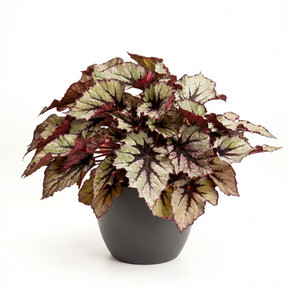
Make a statement with Begonia maculata—the legendary Polka Dot Begonia. Its dramatic angel-wing leaves, shimmering white spots, and rich red undersides instantly upgrade any room. Ideal for bright indoor spaces, it grows into an elegant, architectural plant and can reward you with charming blooms. A must-have for collectors and a standout gift for plant lovers.
Plant Science Name: Begonia maculata
Plant Varient: Standard
Plant Color: Multicolor
Plant Country: Unknown
SKU: PLT-0627
Arabic Name: بيغونيا
Stems: 1
Family: Begoniaceae
Order: Cucurbitales
Family: Begoniaceae
Genus: Begonia
Native to the Atlantic Forest region of southeastern Brazil. Cultivated worldwide as an ornamental houseplant in tropical and subtropical regions.
Leaves: Asymmetrical, wing-shaped leaves up to 15–20 cm long; dark green with distinct white polka dots and deep red undersides; petioles reddish.
Flowers: Pendulous clusters of small, wing-shaped blooms; typically white to pale pink; appear on slender red stems in spring and summer.
Height: Typically 30–60 cm indoors, up to 90 cm under ideal conditions.
Spread: 30–50 cm.
Leaf length: 10–20 cm.
Bright, indirect light; tolerates some morning or late afternoon sun; avoid harsh midday direct sunlight to prevent leaf scorch.
Keep soil evenly moist but not waterlogged; water when the top 2–3 cm of soil feels dry; reduce watering in winter; avoid letting plant sit in water.
Use a well-draining, peat-based potting mix with added perlite or coarse sand; pH slightly acidic (5.5–6.5); repot every 1–2 years in spring.
Temperature: 18–25 °C (65–77 °F); minimum 15 °C (59 °F).
Humidity: Prefers high humidity (60–80%); mist regularly or use a pebble tray or humidifier.
Feed with a balanced liquid fertilizer at half strength every 2–4 weeks during the growing season (spring–summer); reduce feeding in autumn and winter.
Moderate; requires regular monitoring of moisture and humidity; occasional cleaning of foliage to remove dust; prune leggy stems to maintain shape.
Growth habit: Clumping with cane-like stems; moderate growth rate.
Propagation: Stem cuttings or leaf cuttings in water or a moist potting mix; best propagated in spring or early summer; ensure nodes are in contact with the medium.
Overwatering: Root rot causing yellowing and wilting of leaves.
Underwatering: Leaf edges brown and crispy; wilting.
Pests: Susceptible to spider mites, mealybugs, and aphids; inspect regularly.
Diseases: Powdery mildew in low light/high humidity; bacterial leaf spot in waterlogged conditions.
Ornamental: Striking foliage for indoor decoration; accent plant in terrariums or vivariums.
Air purification: Helps improve indoor air quality by removing volatile organic compounds.
Contains calcium oxalate crystals; toxic if ingested by pets and humans causing mouth and digestive irritation; sap may cause skin irritation; handle with gloves and keep out of reach of children and pets.
Make a statement with Begonia maculata—the legendary Polka Dot Begonia. Its dramatic angel-wing leaves, shimmering white spots, and rich red undersides instantly upgrade any room. Ideal for bright indoor spaces, it grows into an elegant, architectural plant and can reward you with charming blooms. A must-have for collectors and a standout gift for plant lovers.
Plant Science Name: Begonia maculata
Plant Varient: Standard
Plant Color: Multicolor
Plant Country: Unknown
SKU: PLT-0627
Arabic Name: بيغونيا
Stems: 1
Family: Begoniaceae
Order: Cucurbitales
Family: Begoniaceae
Genus: Begonia
Native to the Atlantic Forest region of southeastern Brazil. Cultivated worldwide as an ornamental houseplant in tropical and subtropical regions.
Leaves: Asymmetrical, wing-shaped leaves up to 15–20 cm long; dark green with distinct white polka dots and deep red undersides; petioles reddish.
Flowers: Pendulous clusters of small, wing-shaped blooms; typically white to pale pink; appear on slender red stems in spring and summer.
Height: Typically 30–60 cm indoors, up to 90 cm under ideal conditions.
Spread: 30–50 cm.
Leaf length: 10–20 cm.
Bright, indirect light; tolerates some morning or late afternoon sun; avoid harsh midday direct sunlight to prevent leaf scorch.
Keep soil evenly moist but not waterlogged; water when the top 2–3 cm of soil feels dry; reduce watering in winter; avoid letting plant sit in water.
Use a well-draining, peat-based potting mix with added perlite or coarse sand; pH slightly acidic (5.5–6.5); repot every 1–2 years in spring.
Temperature: 18–25 °C (65–77 °F); minimum 15 °C (59 °F).
Humidity: Prefers high humidity (60–80%); mist regularly or use a pebble tray or humidifier.
Feed with a balanced liquid fertilizer at half strength every 2–4 weeks during the growing season (spring–summer); reduce feeding in autumn and winter.
Moderate; requires regular monitoring of moisture and humidity; occasional cleaning of foliage to remove dust; prune leggy stems to maintain shape.
Growth habit: Clumping with cane-like stems; moderate growth rate.
Propagation: Stem cuttings or leaf cuttings in water or a moist potting mix; best propagated in spring or early summer; ensure nodes are in contact with the medium.
Overwatering: Root rot causing yellowing and wilting of leaves.
Underwatering: Leaf edges brown and crispy; wilting.
Pests: Susceptible to spider mites, mealybugs, and aphids; inspect regularly.
Diseases: Powdery mildew in low light/high humidity; bacterial leaf spot in waterlogged conditions.
Ornamental: Striking foliage for indoor decoration; accent plant in terrariums or vivariums.
Air purification: Helps improve indoor air quality by removing volatile organic compounds.
Contains calcium oxalate crystals; toxic if ingested by pets and humans causing mouth and digestive irritation; sap may cause skin irritation; handle with gloves and keep out of reach of children and pets.


Take 20% off your first order
Enter the code below at checkout to get 20% off your first order