





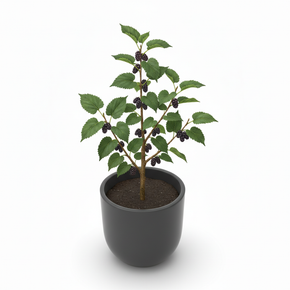
Transform your landscape in record time with the Black Locust tree! Need a tough, beautiful tree that asks for almost nothing in return? The Robinia pseudoacacia is your answer. It skyrockets in growth, providing lush shade faster than you can imagine, and thrives where other trees fail. In spring, it puts on a spectacular show of cascading, honey-scented flowers that will be the envy of your neighborhood. Plus, it’s an eco-warrior—improving your soil for free! Plant a Black Locust for a lifetime of beauty and resilience.
Common Name: Black Locust
Botanical Name: Robinia pseudoacacia
Arabic Name: روبينيا
Family: Fabaceae
Plant Variant: Standard
Plant Color: Natural
Kingdom: Plantae
Order: Fabales
Family: Fabaceae
Genus: Robinia
Species: Robinia pseudoacacia
Native to the southeastern United States, primarily the Appalachian and Ozark Mountains. It has been widely naturalized throughout North America, Europe, and Asia due to its versatility and rapid growth.
A deciduous tree with deeply furrowed, dark grayish-brown bark. It features pinnately compound leaves with 7 to 21 oval leaflets. In late spring, it produces elegant, drooping racemes of highly fragrant, creamy white flowers.
Typically grows to a height of 30 to 50 feet (9 to 15 meters), though it can reach 80 feet in optimal conditions. It has a medium-sized canopy spread of 20 to 35 feet.
Requires full sun for optimal growth and flowering. It is a pioneer species that thrives in open, sunny locations and does not tolerate shade well.
Highly drought-tolerant once established. While it prefers consistent moisture in its early stages, mature trees can thrive in dry, poor conditions where other trees struggle.
Highly adaptable to a wide range of soil types, including sandy, rocky, and low-nutrient soils. As a legume, it possesses nitrogen-fixing nodules on its roots that improve soil quality.
Extremely hardy, thriving in USDA zones 4 through 8. It can withstand cold winters and hot, dry summers, and is resilient to urban air pollution.
Requires little to no supplemental fertilization because of its natural ability to fix nitrogen from the atmosphere into the soil.
Low maintenance. Care is generally limited to occasional pruning to remove dead wood or manage root suckers. Its wood is brittle, so it should be protected from extreme wind when young.
A very fast grower, often gaining several feet in height per year. Propagation is primarily achieved through seeds (which require scarification) or root suckers.
Susceptible to the locust borer (Megacyllene robiniae) and the locust leaf miner. Brittle branches may break during heavy ice or wind storms.
An exceptional tree for honey production; Black Locust honey is world-renowned. Its wood is incredibly durable and rot-resistant, making it perfect for fence posts and outdoor projects. Excellent for rapid land reclamation and erosion control.
The bark, leaves, and seeds are toxic to humans and livestock (especially horses) if ingested, containing toxalbumins that can cause severe illness.
Transform your landscape in record time with the Black Locust tree! Need a tough, beautiful tree that asks for almost nothing in return? The Robinia pseudoacacia is your answer. It skyrockets in growth, providing lush shade faster than you can imagine, and thrives where other trees fail. In spring, it puts on a spectacular show of cascading, honey-scented flowers that will be the envy of your neighborhood. Plus, it’s an eco-warrior—improving your soil for free! Plant a Black Locust for a lifetime of beauty and resilience.
Common Name: Black Locust
Botanical Name: Robinia pseudoacacia
Arabic Name: روبينيا
Family: Fabaceae
Plant Variant: Standard
Plant Color: Natural
Kingdom: Plantae
Order: Fabales
Family: Fabaceae
Genus: Robinia
Species: Robinia pseudoacacia
Native to the southeastern United States, primarily the Appalachian and Ozark Mountains. It has been widely naturalized throughout North America, Europe, and Asia due to its versatility and rapid growth.
A deciduous tree with deeply furrowed, dark grayish-brown bark. It features pinnately compound leaves with 7 to 21 oval leaflets. In late spring, it produces elegant, drooping racemes of highly fragrant, creamy white flowers.
Typically grows to a height of 30 to 50 feet (9 to 15 meters), though it can reach 80 feet in optimal conditions. It has a medium-sized canopy spread of 20 to 35 feet.
Requires full sun for optimal growth and flowering. It is a pioneer species that thrives in open, sunny locations and does not tolerate shade well.
Highly drought-tolerant once established. While it prefers consistent moisture in its early stages, mature trees can thrive in dry, poor conditions where other trees struggle.
Highly adaptable to a wide range of soil types, including sandy, rocky, and low-nutrient soils. As a legume, it possesses nitrogen-fixing nodules on its roots that improve soil quality.
Extremely hardy, thriving in USDA zones 4 through 8. It can withstand cold winters and hot, dry summers, and is resilient to urban air pollution.
Requires little to no supplemental fertilization because of its natural ability to fix nitrogen from the atmosphere into the soil.
Low maintenance. Care is generally limited to occasional pruning to remove dead wood or manage root suckers. Its wood is brittle, so it should be protected from extreme wind when young.
A very fast grower, often gaining several feet in height per year. Propagation is primarily achieved through seeds (which require scarification) or root suckers.
Susceptible to the locust borer (Megacyllene robiniae) and the locust leaf miner. Brittle branches may break during heavy ice or wind storms.
An exceptional tree for honey production; Black Locust honey is world-renowned. Its wood is incredibly durable and rot-resistant, making it perfect for fence posts and outdoor projects. Excellent for rapid land reclamation and erosion control.
The bark, leaves, and seeds are toxic to humans and livestock (especially horses) if ingested, containing toxalbumins that can cause severe illness.



Take 20% off your first order
Enter the code below at checkout to get 20% off your first order