


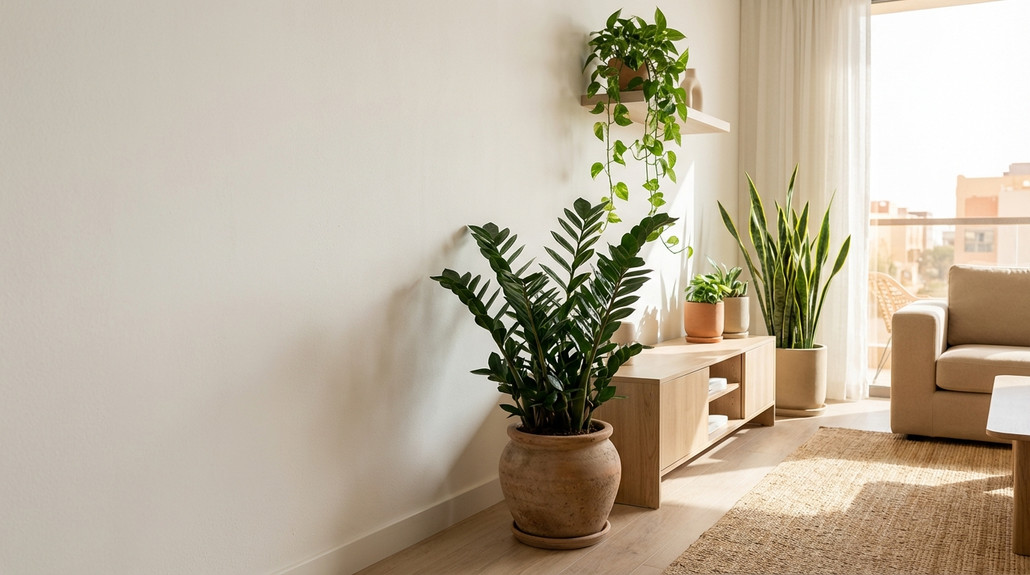
Best Indoor Plants for Offices in Hot Countries in UAE Homes
Posted by Mozher Expoerts on 12.03.26
Navigating the UAE Climate: Why Indoor Plants Face Unique Challenges
For many residents across the United Arab Emirates, the desire to fill their offices and homes with vibrant, lush indoor greenery is a deeply cherished ambition. We seek to bring a piece of serene nature indoors, creating a calming contrast to our often challenging external environment. However, this beautiful pursuit frequently confronts a unique set of environmental realities here that diverge significantly from generic indoor plant care advice found elsewhere in the world.
Imagine a typical UAE summer day: outside, scorching temperatures consistently drive past 45°C. Indoors, the indispensable air conditioning unit, universally known as AC, or locally as Al-Sablat, hums continuously, providing essential refuge from the relentless heat and pervasive fine dust. While this comfort is vital for us, it paradoxically creates an artificially cool, yet exceptionally dry, indoor microclimate. This stark environmental divergence profoundly impacts the delicate physiology of our cherished indoor plants, often leading to a slow decline rather than the robust, thriving growth we aspire to. Many enthusiastic plant owners in the UAE, despite their best intentions, find their green companions struggling with crispy leaf edges, stunted growth, or a general lack of vigor that seems to defy all conventional care advice. This disheartening scenario rarely stems from a lack of genuine care. Instead, it frequently arises from a fundamental misunderstanding of how the UAE’s distinct local environment truly shapes a plant’s physiological demands. Generic plant advice, typically crafted for more temperate, humid regions, simply won’t suffice here. As a senior indoor-plant specialist and horticulture educator with Mozher, I’ve observed firsthand what commonly goes wrong for plant owners in the UAE, from delivery stress to a deep misunderstanding of watering needs. This guide is designed to empower you with practical, climate-aware knowledge, enabling you to cultivate indoor plants that not only survive but genuinely flourish within the specific realities of your UAE office or home.
The Double-Edged Sword of Air Conditioning (Al-Sablat)
The Al-Sablat, an indispensable part of every UAE home and office, is often the silent adversary of our indoor plants. These units are engineered to actively pull moisture from the air, creating an exceptionally dry indoor atmosphere. While comfortable for us, most tropical indoor plants flourish in humidity levels of 40-60%. In continuously air-conditioned rooms, these levels often plummet below 30%. This relentless dry air aggressively draws moisture from plant leaves, frequently faster than roots can replenish it, leading to classic symptoms like crispy, brown leaf tips and edges. Direct blasts of cold, dry air from Al-Sablat vents further exacerbate this desiccating situation, causing rapid dehydration, leaf curling, and severe overall plant stress. It's not solely about the cool temperature; it's the constant, dehydrating wind that many indoor plants are simply not equipped to handle without thoughtful, strategic intervention. This phenomenon is locally understood as jafaf Al Jaw, or the "dry air effect." Navigating these realities requires a mindful approach, one that recognizes that what works elsewhere might not be effective here. This is why Mozher carefully curates exceptionally hardy indoor plants known for their resilience.
Fine Dust: A Silent Barrier to Photosynthesis
Beyond the dry air, the pervasive fine dust prevalent in the UAE can rapidly accumulate on indoor plant leaves, physically blocking vital stomata—tiny pores through which plants "breathe" and exchange gases. This physical barrier severely hinders efficient photosynthesis and overall plant health. Regular, gentle dusting of plant leaves with a soft, damp cloth every few weeks is crucial for optimal light absorption and proper airflow. Clean leaves can breathe and convert light into energy far more efficiently, thereby improving the plant's overall resilience and vitality.
Mastering Moisture: Understanding Watering in an AC-Driven Environment
Incorrect watering is, without question, the leading cause of distress and eventual loss for indoor plants in UAE offices and homes. The cool, dehumidified air produced by your Al-Sablat system fundamentally alters how quickly potting mix dries, creating a consistently deceptive scenario. This makes adhering to a rigid "watering schedule" often counterproductive, if not outright detrimental, to your plants' health. The top inch or two of soil might feel bone dry, prompting many to believe the plant is parched. However, beneath this misleading surface, the sensitive root ball can remain saturated with water for days, or even weeks. This frequently leads to a common, yet fatal, mistake: well-meaning owners adding more water to already wet soil, effectively drowning the roots. Plant roots, like all living organisms, require oxygen to function properly, and when the vital air pockets in the soil are filled with stagnant water, the roots suffocate, leading to rot and decay. Therefore, the traditional "water once a week" mantra is a recipe for disaster here. Successful watering frequency requires diligent observation of your plant's specific needs, not a calendar. Understanding this paradox is the first crucial step to mastering hydration for your indoor plants.
The Evaporation Paradox: Why AC Slows Soil Drying
In the UAE's arid climate, many might intuitively assume their indoor plants need constant watering due to the external heat. However, inside air-conditioned homes and offices, the evaporation rate from the potting soil is significantly slower than outdoors. This creates a critical paradox: while the ambient air is exceptionally dry (often referred to locally as jafaf Al Jaw, or the "dry air effect"), the soil itself can remain saturated with water for extended periods, particularly if the potting mix is dense or compacted. This constant wetness deprives the roots of essential oxygen. When the vital air pockets within the soil become completely filled with stagnant water, the roots literally suffocate, leading to decay and eventual root rot. This phenomenon is particularly destructive in Al-Sablat-controlled interiors where natural soil moisture evaporation is much slower than one might expect intuitively. Understanding this critical evaporation paradox is the first step to mastering proper hydration for your indoor plants in the unique UAE environment, safeguarding them from a slow decline.
The Deep Finger Test and Reliable Moisture Meters
To confidently navigate the complexities of watering your indoor plants during the intense UAE summers, adopt this golden rule: always check the soil deeply before reaching for your watering can. Forget rigid schedules; they are often misleading in our climate-controlled environments. Gently insert your finger about 5-7 centimeters (2-3 inches) deep into the potting mix. This tactile check provides a far more accurate assessment than merely observing the surface, which can dry out deceptively quickly in our arid, air-conditioned spaces. Only apply water if the soil at that depth feels entirely dry, powdery, or crumbling. If there’s any lingering coolness or dampness, even slight, exercise patience and wait a few more days before rechecking. This manual check is significantly more reliable than any calendar, as it accounts for the fluctuating drying rates influenced by your space's unique Al-Sablat usage and specific light conditions. For even greater accuracy, especially with larger planters where a finger test might not reach deep enough, a reliable moisture meter is an invaluable tool. It provides an objective reading deep within the root zone, eliminating guesswork and instilling confidence in your watering decisions, which is crucial for overall root health.
The Power of Deep Watering and Essential Drainage
When your indoor plants genuinely need water, apply it thoroughly and deeply. Resist the common urge to give them "sips" that only dampen the surface. This superficial approach encourages shallow root growth, making the plant less resilient during dry spells and more susceptible to nutrient deficiencies. Instead, water slowly and evenly until you observe water flowing freely from the drainage holes in the bottom of the pot. This practice ensures the entire root system is hydrated, encourages deep penetration into the soil, and promotes strong, robust root health. Deep watering also performs another critical function: it helps to flush out any accumulated mineral salts that can build up from local tap water, a common issue in our region that can hinder nutrient uptake and compromise overall plant vitality. This is why Mozher always recommends choosing well-draining plant pots to facilitate this vital process and safeguard your indoor plant's long-term health. After watering, always ensure to empty any excess water from the saucer to prevent the plant from sitting in stagnant water, which can quickly lead to root rot.
Strategic Light Exposure for UAE Offices and Homes
Light is the fundamental energy source for your indoor plants, fueling the intricate process of photosynthesis that sustains their life and vibrant growth. In UAE offices and homes, however, the concept of "light" is far more nuanced than simply placing a plant near a window. The external sun is intensely powerful; even when diffused or filtered through glass, it can be overwhelmingly strong for many tropical indoor plant species. This harsh, direct light can easily scorch delicate leaves, leaving them with unsightly bleached or brown patches, making the plant appear stressed and unhealthy. Conversely, to combat the extreme heat, many modern offices and apartments feature heavy curtains or tinted windows, inadvertently creating dimly lit interiors where indoor plants struggle to photosynthesize efficiently. The key is finding the correct balance: providing "bright, indirect light" that energizes the plant without causing damage.
Direct vs. Indirect Light: A Critical Distinction for Delicate Foliage
Your indoor plants will communicate their light needs through clear signals displayed on their leaves. Too much light, for example, often results in foliage appearing bleached, washed out, or light yellow, which may develop crispy brown edges or spots, resembling a "sunburn." This typically affects new growth first. The plant might look generally stressed and struggle to maintain its vibrant green color. On the other hand, insufficient light can cause leggy, stretched-out growth with smaller, paler leaves, sometimes accompanied by the premature dropping of older foliage. The plant may visibly "reach" towards the nearest light source, a clear sign it's actively seeking more energy for photosynthesis. Learning to accurately recognize these visual cues is paramount to adapting your plant's placement and ensuring it receives the optimal light for its specific needs, keeping your indoor plants vibrant and healthy. For spaces with naturally limited light, exploring low-light tolerant plant varieties from Mozher can be a game-changer.
Optimizing Placement and Protection in Your Space
Strategic placement is paramount in managing light for indoor plants in UAE offices and homes. Most indoor plants will thrive a few feet away from a bright, south or west-facing window, or directly in front of an east or north-facing window, where the light is gentler. Sheer curtains can be invaluable tools, diffusing harsh sunlight and protecting delicate foliage from intense rays, especially during the peak sun hours. Reflective surfaces or light-colored walls can also help bounce light into dimmer corners, effectively expanding your usable growing space. Regularly rotating your plants by a quarter turn each week ensures all sides receive even light exposure, promoting balanced growth and preventing your plant from growing lopsided. Furthermore, avoid placing plants directly under artificial spotlights unless they are specifically designed as grow lights, as these can also cause scorching or heat stress. Even the most resilient indoor plants benefit from thoughtful light management, tailored to their individual requirements.
Top Low-Maintenance Indoor Plants That Truly Thrive in UAE Environments
For those in the UAE seeking to infuse their homes or workspaces with the beauty of indoor greenery without the burden of an exhausting care routine, selecting the appropriate species is paramount. The following plants represent some of the finest options that have consistently demonstrated their unwavering resilience within the UAE's distinctive climate. These choices are not just aesthetically pleasing but inherently robust, designed to withstand our unique conditions of high heat, the dry air from the Al-Sablat, and, often, limited natural light. This makes them ideal for beginners and busy individuals alike, thriving in office environments too. Mozher curates these varieties with utmost care, ensuring you receive healthy plants capable of flourishing with minimal intervention.
Snake Plant (Sansevieria trifasciata): The Indomitable Choice
Often affectionately referred to as Mother-in-Law's Tongue, the Snake Plant stands as the quintessential gold standard for exceptionally hardy indoor plants. Its distinctive, upright, sword-like leaves are not only aesthetically striking, imparting a modern, sculptural element to any room, but also function as incredibly efficient natural reservoirs, adept at storing water for extended durations. This remarkable biological capability allows the plant to thrive for weeks, or even months, without requiring frequent watering, rendering it virtually impervious to the dry air continuously generated by the Al-Sablat. It demonstrates exceptional versatility, flourishing equally well in dimly lit corners as it does in areas receiving bright, indirect light, thereby underscoring its extraordinary adaptability and inherent neglect-tolerant nature. Ironically, the most prevalent mistake made with the Snake Plant is overwatering, which can swiftly lead to root rot. Its needs are truly minimal, typically extending only to an occasional wipe-down of its leaves with a damp cloth to remove the pervasive fine dust characteristic of our region and to ensure optimal light absorption. This plant truly embodies the essence of a low-commitment solution, ideal for any bustling UAE lifestyle and an excellent beginner plant for both apartment and office environments, thanks to its very slow growth rate and high drought tolerance.
ZZ Plant (Zamioculcas zamiifolia): Effortless Elegance for Dim Spaces
If your quest is for an indoor plant that is almost impossible to compromise, even under persistently challenging low light conditions, the ZZ Plant is your definitive answer. Its signature glossy, dark green leaves grow elegantly from substantial, potato-like rhizomes, cleverly concealed beneath the soil surface. These specialized rhizomes function as natural "water batteries," enabling the plant to endure remarkably long periods of drought with exceptional ease. This inherent resilience makes it an ideal choice for busy individuals, frequent travelers, or any office setting where watering frequency might be inconsistent. The ZZ Plant truly excels in low-light environments, making it a perfect candidate for deeper interior rooms or apartment corners where natural illumination is inherently limited. It remains completely unfazed by the dry airflow from Al-Sablat units, showing no visible signs of stress or discomfort. Its characteristically very slow growth rate means it will maintain its elegant, compact form without quickly outgrowing its designated space, consequently requiring minimal pruning or repotting for many years. For any UAE office or home demanding an enduring touch of stylish greenery, even in the dimmest conditions and through prolonged periods of inattention, this plant is a prime contender among the most robust and forgiving options.
Pothos (Epipremnum aureum): The Communicative Climber That Forgives
Often endearingly referred to as "Devil's Ivy," the Pothos is an incredibly versatile and remarkably forgiving trailing plant. While it appreciates more consistent moisture compared to the Snake Plant or ZZ Plant, its most significant virtue lies in its unambiguous communication: its vibrant leaves will visibly begin to droop and appear slightly wilted when the plant is thirsty, providing an unmistakable signal that it requires attention. Crucially, it revives quickly and fully restores its turgor and vibrancy once thoroughly hydrated, effectively removing much of the guesswork from the watering process. This clear, responsive feedback mechanism makes it an excellent, beginner-friendly option. Pothos demonstrates impressive adaptability across a broad spectrum of light levels, ranging from dimly lit corners to bright, indirect light, and it copes commendably with the average dry indoor air found in Al-Sablat-cooled environments. Its relatively medium to fast growth rate offers dynamic greenery; it can be allowed to cascade elegantly from shelves, bookcases, or hanging planters, adding a sense of abundance and natural charm to any living space in the UAE with a minimal routine of care.
Cast Iron Plant (Aspidistra elatior): The Unyielding Green Statement
True to its evocative name, the Cast Iron Plant is virtually indestructible, making it an ideal candidate even for the most challenging indoor conditions found in the UAE, particularly in apartments or offices with very limited light. It is famously tolerant of extremely low light levels, infrequent watering, and even prolonged periods of neglect, flourishing robustly where many other plants would simply give up. Its deep green, leathery leaves are highly resilient to the dry Al-Sablat air and the pervasive fine dust, requiring minimal attention beyond an occasional wipe to maintain their lustrous shine. Its characteristically very slow growth rate means it will maintain its elegant, upright form without needing frequent repotting or pruning for many years, truly making it a "set-it-and-forget-it" option. Furthermore, its non-toxic nature makes it a safe and worry-free choice for homes with pet-friendly indoor plants or small children, which is an important consideration for many families. For those seeking a long-lasting, robust green presence in a particularly dark or overlooked corner within their home or office, the Cast Iron Plant is a superb choice, celebrated for its incredible hardiness and reliability in diverse and often less-than-ideal conditions, truly embodying the spirit of a neglect-tolerant plant.
Spider Plant (Chlorophytum comosum): Air Purifier and Family Favorite
The Spider Plant maintains its classic, enduring status for excellent and well-founded reasons: it is remarkably easy to care for and famously produces charming small "spiderettes" that can be effortlessly propagated, thereby adding a delightful and interactive element to any home or office. Its impressive adaptability to various light levels, ranging from bright indirect to medium light, positions it as a flexible choice for different areas within a UAE space, though it typically flourishes best with consistent indirect light for optimal leaf coloration and vigor. While it does appreciate slightly higher humidity levels compared to some of the arid-adapted plants on this list, it tolerates the dry UAE indoor air reasonably well and is quite forgiving of an inconsistent watering schedule. Its medium growth rate makes it a manageable and appealing addition. In addition to its appealing aesthetic and ease of care, the Spider Plant is highly regarded for its air-purifying qualities, actively helping to remove common indoor toxins from the environment, thereby contributing to a healthier living space. Moreover, and of significant importance for many households, it is non-toxic to both pets and children, making it a fantastic choice for family-friendly homes looking for easy-care indoor plants in the UAE.
What to Avoid: Plants That Will Struggle in UAE Conditions
While many plants can adapt, certain species are simply not suited for the typical UAE indoor environment, especially in offices and apartments with limited light and heavy Al-Sablat use, and will inevitably lead to frustration and disappointment. As a seasoned plant specialist, I advise steering clear of varieties known for their intense humidity demands or those that absolutely require consistently moist soil. These types will constantly struggle against the dry air generated by the Al-Sablat and the often slower evaporation rates in potting mixes, regardless of your best efforts.
For example, delicate ferns (like Maidenhair Ferns) or prayer plants (from the Marantaceae family) will rapidly decline, exhibiting crispy brown edges and an overall stressed appearance. Similarly, plants that demand very bright, direct sun year-round, such as many citrus varieties or certain intensely flowering tropicals, will likely struggle to receive adequate light without scorching when placed near unfiltered windows. They will also tend to grow leggy and weak in the dimmer conditions common in many UAE offices and apartments. Choosing the right plant for your specific environment is paramount to long-term success and significantly reduces unnecessary plant loss and discouragement. Focus on selecting exceptionally hardy indoor plants known for their resilience.
Comparison Table: Best Indoor Plants for UAE Offices and Homes
| Plant Name | Light Tolerance | Watering Forgiveness | Heat Tolerance | Growth Rate | Toxicity (Pet/Child Safe) | Best For... |
|---|---|---|---|---|---|---|
| Snake Plant (Sansevieria trifasciata) | Low to Bright Indirect | High (Tolerates drying out) | Very High | Very Slow | Mildly toxic (induces vomiting) | Beginners, busy owners, any room including offices, low-light corners |
| ZZ Plant (Zamioculcas zamiifolia) | Low to Medium Indirect | Very High (Drought tolerant) | Very High | Very Slow | Mildly toxic (irritant) | Extremely busy owners, dark corners, offices with minimal natural light |
| Pothos (Epipremnum aureum) | Low to Bright Indirect | Medium (Communicates thirst) | High | Medium to Fast | Mildly toxic (irritant) | Beginners, hanging baskets, shelves, areas with varied light |
| Cast Iron Plant (Aspidistra elatior) | Very Low to Medium Indirect | High (Tolerates drying out) | Very High | Very Slow | Non-toxic | Darkest corners, high-traffic areas where neglect is likely, pet-friendly homes |
| Spider Plant (Chlorophytum comosum) | Medium to Bright Indirect | Medium (Forgiving of missed waterings) | High | Medium | Non-toxic | Beginners, air purification, hanging plants, family homes |
Choosing the Right Plant for Specific Scenarios in UAE Homes and Offices
For Spaces with Limited Natural Light
If your office or home in the UAE features few windows or primarily receives subdued light, the ZZ Plant and Cast Iron Plant will be your most reliable companions. Their remarkable ability to thrive in significantly low-light conditions means you won't need to constantly reposition them in pursuit of a sunbeam. They are also exceptionally forgiving of inconsistent watering, which is a considerable advantage in the often busy and unpredictable rhythm of office and apartment living. Opt for these resilient species to introduce a calm, enduring touch of green to your space.
For Busy Office Environments
Office settings frequently entail erratic care schedules and the continuous operation of air conditioning, creating a demanding environment for plants. The Snake Plant is an undisputed champion in such conditions, virtually thriving on neglect and demonstrating remarkable tolerance for very dry air. The ZZ Plant is another outstanding choice, requiring very little hands-on attention while maintaining its elegant, professional appearance. Both plants exhibit an upright growth habit, making them perfectly suited for desks, shelves, or filing cabinets without occupying excessive horizontal space, thereby adding a tranquil touch to functional workspaces.
For Homes with Pets or Children
In households that include curious pets or active small children, ensuring plant safety is a paramount concern. The Cast Iron Plant and Spider Plant are both excellent choices as they are non-toxic to both pets and children, offering peace of mind alongside beautiful greenery. The Cast Iron Plant is supremely hardy and can withstand accidental bumps, while the Spider Plant is celebrated for its air-purifying qualities and charming "spiderettes" that can make for an engaging and educational family project. Mozher takes particular care to curate a selection of pet-friendly indoor plants to ensure a harmonious and secure living environment for everyone in your family.
Making Your Decision: Cultivating Long-Term Success in UAE Homes
The journey of nurturing best indoor plants in the UAE is one of continuous learning and adaptation. It's not about adhering to a rigid daily schedule, but rather fostering a consistent rhythm of mindful observation and adaptable responses to your plants' evolving needs. This adaptive approach significantly minimizes stress for both you and your plants, nurturing a flourishing indoor oasis year-round. It's all about proactive engagement and truly understanding the subtle cues your plants consistently provide.
If your home tends to be consistently warm with strong, but filtered, light, plants like the Snake Plant or Pothos will likely thrive. If your interior spaces are cooler due to constant AC and have predominantly low light, the ZZ Plant or Cast Iron Plant are more suited to flourish. Remember to consider the practicalities of your lifestyle—how often you can realistically water, and what level of humidity you can consistently maintain. With patience and keen observation as your best allies, you'll find that the reward of this mindful care is enduring beauty, less anxiety, and a deeper sense of connection to the natural world right inside the walls of your UAE home. Mozher is dedicated to providing plants curated for resilience and the knowledge to help them flourish, ensuring you select plants that can truly thrive in your UAE apartment or office.
Frequently Asked Questions
How do I differentiate between yellowing leaves caused by overwatering versus underwatering in an AC-cooled UAE environment?
This is a critical distinction in the UAE's climate, and it's heavily influenced by the Al-Sablat. If the yellow leaves are soft, limp, and feel somewhat mushy, and the soil remains wet to the touch even days after watering, this strongly indicates overwatering, which can lead to root rot. The cool air from the Al-Sablat significantly slows water evaporation, trapping moisture around the roots. Conversely, if the yellow leaves are dry, crispy, and brittle, and the soil is bone-dry and visibly pulling away from the pot, this is a clear sign of underwatering. Always check the soil moisture deeply with your finger or using a reliable moisture meter before diagnosing the problem or adding more water. Understanding this key difference is paramount to providing the correct care for your indoor plants in the UAE. For more comprehensive guidance, you can refer to the Clemson University Home & Garden Information Center: Indoor Plant Care.
What are the common signs of low humidity stress for indoor plants in the UAE’s dry, AC environment?
Low humidity stress, common in UAE homes due to the continuous use of the Al-Sablat (jafaf Al Jaw), typically manifests as crispy, brown tips and edges on otherwise green leaves, even when the potting soil is adequately moist. You might also observe leaves curling inward or developing a general droop as the plant actively tries to conserve moisture. Some plants, especially those with thinner or more delicate foliage, may also exhibit yellowing between the veins. If these symptoms are present, consider grouping your plants closer together to create a localized microclimate with slightly higher humidity or using pebble trays filled with water beneath the pots (with the crucial caveat that the pot's base must not sit directly in the standing water). Crucially, position your plants well away from direct blasts of cold, dry air from Al-Sablat vents. You can also explore Mozher's collection of exceptionally hardy indoor plants that tend to adapt better to the dry conditions.
Can the quality of tap water in the UAE affect the health of my indoor plants?
Yes, unequivocally. Tap water in the UAE can frequently contain elevated levels of minerals, such as chlorine and fluoride, alongside other dissolved salts, which can accumulate in the soil over time. This buildup often leads to what is known as "salt burn," which can damage the delicate plant roots and impede its ability to absorb essential nutrients and moisture, leading to symptoms like crispy brown tips or a general yellowing of the foliage. To mitigate this, consider using filtered water or collected rainwater for your plants. Alternatively, allowing tap water to sit uncovered in a container for 24 hours before watering; this allows the chlorine to evaporate and reduces the impact of some minerals. Regular, deep watering that allows water to freely flush through the drainage holes is also beneficial, as it helps to leach out excess salts from the soil, maintaining a healthier growing environment. For optimal root health and to prevent such issues, always ensure you are using quality potting mixes and care essentials. For more comprehensive advice on maintaining healthy plants, always consult credible horticulture sources such as the Missouri Botanical Garden: Houseplant Pests and Problems.