


Common Indoor Plant Problems in Hot Homes in Iraq Homes
Posted by Mozher Experts on 23.02.26
The Unique Challenge of Iraq's Indoor Environment
Keeping indoor plants healthy in Iraq presents a distinct set of challenges not found in more temperate climates. The primary issue stems from the constant battle between extreme outdoor heat and intensive indoor air conditioning. While the AC unit provides essential comfort for us, it creates an artificial desert for many tropical plants. It strips the air of humidity, causing rapid moisture loss from leaves, and can create cold drafts that shock sensitive foliage. This low humidity, combined with intense sunlight from windows and the accumulation of dust, means that common plant advice often fails. The key to success is understanding this specific environment. A plant that is thriving in a European home will face entirely different pressures inside a Baghdad apartment running its AC for months on end. This guide focuses on diagnosing and solving the most frequent indoor plant problems that arise directly from these conditions, helping you move from frustration to confidence.
Diagnosing Yellowing Leaves
Yellowing leaves, or chlorosis, are one of the most common signs of distress in a plant, but they are a symptom, not a diagnosis. The cause is often related to water, nutrients, or light. In our climate, the most frequent culprit is an imbalance in watering. It's a natural reaction to think a plant needs more water in a hot country, but this often leads to overwatering, especially for plants in lower light conditions. Overwatered roots cannot breathe. They become waterlogged and begin to rot, preventing them from absorbing water and nutrients, which paradoxically makes the leaves turn yellow and wilt as if they were thirsty.
Overwatering vs. Underwatering
To determine the cause, you must check the soil. Do not just look at the surface. Push your finger about 5-7 cm deep into the pot. If the soil feels damp or wet, overwatering is the likely problem. If it is completely dry and pulling away from the sides of the pot, the plant is underwatered. An underwatered plant will typically have yellowing leaves that are also dry and crispy, often starting from the bottom of the plant. An overwatered plant will have soft, limp yellow leaves. For a more precise reading, we recommend using a moisture meter, which removes all guesswork. If overwatering is confirmed, stop watering immediately, ensure the pot has drainage holes, and allow the soil to dry out significantly before watering again.
Nutrient Deficiency
If your watering schedule is correct, the next factor to consider is nutrients. Soil in a pot contains a finite amount of food. Over time, the plant consumes these nutrients. A nitrogen deficiency often presents as uniform yellowing on older, lower leaves first, as the plant moves mobile nutrients to support new growth. An iron deficiency may show up as yellowing on new leaves while the veins remain green. This is common if the soil pH is too high. A balanced, water-soluble fertilizer applied during the growing season (spring and summer) can correct this. Avoid fertilizing a plant that is already stressed from overwatering or severe pest infestation, as this can cause further damage.
Understanding Brown, Crispy Leaf Tips and Edges
Seeing the tips and edges of your plant's leaves turn brown and brittle is a direct signal of environmental stress, specifically related to water transport and humidity. This is one of the most prevalent indoor plant problems in homes with constant air conditioning. The AC unit acts as a powerful dehumidifier, creating an arid environment. Plants lose water through their leaves in a process called transpiration. When the surrounding air is excessively dry, it pulls moisture out of the leaves faster than the roots can absorb and deliver new water. The furthest points from the roots—the tips and edges of the leaves—are the first to suffer from this deficit, causing the cells to die and turn brown. While this damage is not reversible on the affected leaves, you can prevent it from spreading and affecting new growth.
Low Humidity and AC Effects
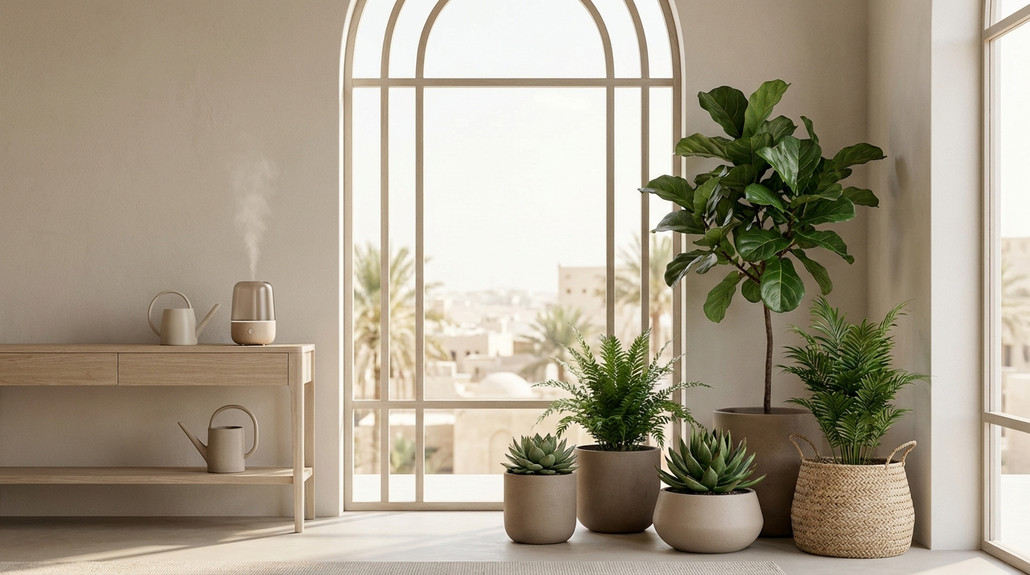
To counteract the dry air, increasing ambient humidity is essential. Grouping plants together creates a small microclimate where the collective transpiration raises the local humidity. Placing plants on a pebble tray filled with water is another effective method; as the water evaporates, it humidifies the air directly around the plant. Ensure the pot sits on the pebbles, not in the water itself, to avoid root rot. For particularly sensitive plants like Calatheas or ferns, a small room humidifier can be a worthwhile investment. Also, be mindful of placement. Avoid positioning plants directly in the path of an AC vent, where the constant cold, dry draft will cause significant stress and browning.
Water Quality Issues
The quality of your tap water can also contribute to brown tips. Municipal water can contain salts, chlorine, and fluoride that accumulate in the soil over time. As the plant absorbs water, these minerals are left behind and can build up to toxic levels within the plant tissue, causing leaf burn at the tips. If you suspect this is an issue, try using filtered or distilled water for a few weeks to see if new growth remains healthy. Another helpful practice is to periodically "flush" the soil. To do this, slowly pour a large amount of water through the pot, allowing it to drain freely for several minutes. This helps to wash away excess mineral salts from the root zone.
Addressing Drooping and Wilting Plants
A drooping plant is an alarming sight, and it typically signals a problem with the plant's ability to take up water. The immediate assumption is that the plant is thirsty, and while that is often the case, it is not the only cause. Watering a drooping plant without first diagnosing the root issue can sometimes make the problem much worse, particularly if the wilting is caused by root rot. A healthy plant maintains its structure through turgor pressure, which is the force of water pushing against the inside of the cell walls. When a plant droops, it has lost this pressure. The key is to understand why. This could be due to genuinely dry soil, damaged roots that can no longer function, or environmental shock.
Thirst and Soil Compaction
The most straightforward cause of wilting is a lack of water. Check the soil as described previously. If it is bone dry, a thorough watering should resolve the issue, and the plant should perk up within a few hours. Sometimes, the soil can become so dry that it becomes hydrophobic, repelling water. In this case, water may run straight through the pot without soaking in. To rehydrate compacted soil, try bottom-watering. Place the entire pot in a sink or basin with several inches of water and let it soak for 30-60 minutes, allowing the soil to absorb moisture from the bottom up. Once the top of the soil is moist, remove the pot and let it drain completely. Using the right proper soil and tools from the start can help prevent severe compaction.
Root Rot and Its Deceptive Symptoms
Paradoxically, a severely overwatered plant will also droop and wilt. This occurs because the excess water has suffocated the roots, causing them to decay. These rotting roots are unable to absorb any water, leading to the same symptoms of thirst. If your plant is drooping but the soil is consistently wet or soggy, root rot is the probable cause. You may also notice a foul smell coming from the soil. To save the plant, you must act quickly. Remove it from the pot, gently wash away the old soil, and inspect the roots. Healthy roots are typically firm and white or light-colored. Rotted roots will be brown, mushy, and may fall apart when touched. Using sterile scissors, trim away all the rotted portions. Repot the plant in fresh, well-draining soil and a clean pot, and water it sparingly until new growth appears.
Identifying and Managing Common Indoor Pests
Pests are an inevitable part of owning plants, but an infestation is often a sign of an underlying stress or imbalance in the plant's environment. The dry, stable conditions inside our homes can be an ideal breeding ground for certain types of pests, particularly those that thrive in low humidity. A healthy, robust plant is much more resilient to pest attacks than one that is already weakened by improper watering, poor light, or nutrient deficiencies. The best defense is regular inspection. When you water your plants, take a moment to look at the undersides of leaves, the stems, and the surface of the soil. Catching an infestation early makes it significantly easier to manage before it spreads to other indoor plants in your collection.
Fungus Gnats in Overwatered Soil
If you see small, black flies resembling fruit flies buzzing around your plants, you likely have fungus gnats. The adults are harmless to the plant but are a major nuisance. The real damage is done by their larvae, which live in the top few inches of the soil. They feed on fungi and decaying organic matter, but they will also feed on the fine root hairs of your plants. Fungus gnats thrive in consistently moist soil. The most effective way to eliminate them is to break their life cycle by allowing the soil to dry out completely between waterings. This kills the larvae. For persistent infestations, yellow sticky traps can be placed near the pot to catch the flying adults, preventing them from laying more eggs.
Spider Mites in Dry Conditions
Spider mites are tiny arachnids that are difficult to see with the naked eye. The first sign of their presence is often fine, silky webbing on the plant, particularly between leaves and stems. They use piercing mouthparts to suck the contents out of plant cells, leading to a stippled, speckled appearance on the leaves, which may eventually turn yellow or bronze and drop off. Spider mites proliferate in the hot, dry conditions created by our indoor environments, making them a common problem in Iraq. To combat them, first isolate the infested plant. You can physically dislodge them with a strong spray of water in the shower. Following that, regular treatment with neem oil or an insecticidal soap spray, applied thoroughly to all surfaces of the leaves (especially the undersides), is an effective control method. Increasing humidity around the plant can also help deter them.
A Practical Prevention Strategy for Healthy Plants
The most effective way to deal with indoor plant problems is to prevent them from occurring in the first place. Reactive care, where you only respond when a plant shows signs of distress, is often stressful and less successful. Proactive care involves creating a stable and suitable environment and establishing routines that support plant health. This approach minimizes stress on your plants, making them naturally more resilient to pests, diseases, and environmental fluctuations. A consistent routine also allows you to notice small changes quickly before they become significant issues. By focusing on a few key fundamentals—watering correctly, providing appropriate light, and maintaining cleanliness—you can cultivate a thriving indoor garden rather than constantly troubleshooting sick plants. Referencing comprehensive plant care guides can provide a solid foundation for your routine.
Establishing a Consistent Watering Routine
Water on a schedule of checking, not on a schedule of days. Instead of watering every Saturday, for example, make Saturday your day to check the soil of every plant. Some will need water, others will not. Factors like pot size, plant type, light exposure, and indoor temperature all affect how quickly soil dries. A plant in a bright, warm spot will need water far more often than the same type of plant in a darker corner. Learning to assess the soil's moisture level by touch is the most important skill in plant care. Water thoroughly until it runs out of the drainage holes, then discard the excess water. Never let a plant sit in a saucer full of water, as this is the primary cause of root rot.
Choosing the Right Location in Your Home
Placing your plant in the right spot is half the battle. Before you buy a plant, assess the light conditions in your home. Are your windows north-facing with gentle light, or south-facing with intense, direct sun? Most common houseplants prefer bright, indirect light. Direct summer sun through a window can scorch leaves. If you have limited natural light, consider choosing from a variety of low-light tolerant plants that are better suited to those conditions. Equally important is to avoid placing plants near sources of stress, such as in the direct path of an AC vent, near a hot radiator, or in a high-traffic area where they might be constantly bumped. Once you find a good spot, try to leave the plant there. Plants acclimate to their environment and do not appreciate frequent moves.
Frequently Asked Questions about Plant Health
How quickly can a plant recover?
The recovery timeline depends entirely on the problem and its severity. For a simple case of underwatering, a plant can perk up within hours of a good soak. Recovery from overwatering and root rot is much slower. After trimming rotted roots and repotting, it may take several weeks or even a couple of months for the plant to stabilize and produce new, healthy growth. Be patient and avoid over-caring for it during this time.
Can I save a plant with severe root rot?
It is possible, but success is not guaranteed. If there are still some firm, white, healthy roots left, the plant has a chance. The key is to be aggressive in trimming away all of the brown, mushy parts with a sterile tool. After repotting into fresh, airy soil, it is critical to provide bright, indirect light and to water very cautiously, allowing the soil to dry out significantly between waterings to encourage new root growth.
Is misting my plants effective against dry AC air?
Misting provides a very temporary increase in humidity that lasts only a few minutes. While it may feel helpful, it is largely ineffective as a long-term solution for the chronically dry air produced by air conditioners. It can also encourage fungal issues on the leaves of some plants if done too frequently or too late in the day. More effective methods for raising ambient humidity include grouping plants, using pebble trays, or operating a room humidifier.