


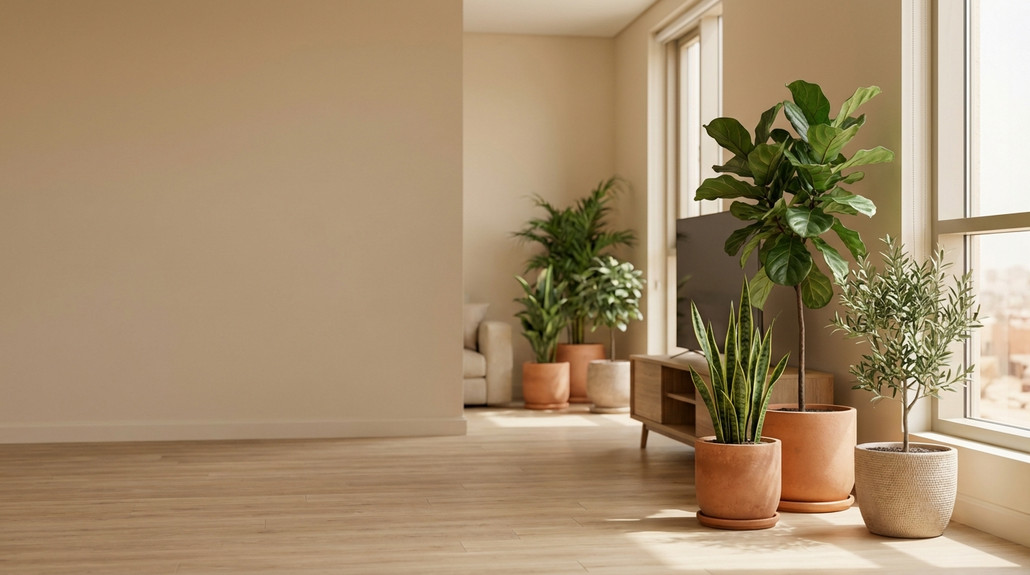
Common Indoor Plant Problems in Hot Homes in Saudi Arabia Homes
Posted by Mozher Expoerts on 06.03.26
The Urgent Distress Call: Responding to a Struggling Indoor Plant in Saudi Arabia
There are few sights more disheartening for a plant enthusiast than observing the vibrant green of their cherished indoor plants slowly fading to a sickly, tell-tale yellow. This change is your plant's unambiguous signal of distress, a silent plea for intervention. Instead of succumbing to worry, understand that this challenge offers a clear diagnostic path, guiding you toward effective solutions and a healthier future for your greenery. At Mozher, with our curated selection and climate-aware recommendations, we understand that generic indoor plant advice, often crafted for temperate regions, simply won't suffice here. Our unique Saudi Arabian indoor environments, shaped by external heat, persistent air conditioning (AC) use—often colloquially known as 'السبلت'—and fine dust, present specific conditions that demand a tailored approach to plant care to achieve genuine recovery.
The Unique Climate of Saudi Arabia: Heat, AC (Al-Sablat), and Your Indoor Plants
Cultivating thriving indoor plants in Saudi Arabia means skillfully navigating a climate of profound extremes. Outside, the intense heat and arid air are formidable forces, demanding significant resilience from any flora. Inside our homes and offices, the indispensable AC systems (السبلت) work tirelessly to maintain a comfortable temperature. This continuous cooling, while vital for human comfort, paradoxically creates an artificially dry and often cool microclimate that is a far cry from the humid, stable conditions many popular tropical indoor plants naturally prefer. This constant environmental tug-of-war places considerable stress on your plant's delicate system, transforming effective care into a thoughtful art rather than a simple routine.
The Evaporation Paradox: Why AC Makes Watering Tricky
The efficiency of the AC in dehumidifying the air often dramatically reduces indoor humidity levels, frequently plummeting them below the ideal 40-60% range where most tropical plants truly thrive. This relentless dry air persistently pulls moisture from your plant's leaves faster than its roots can absorb and replenish it. Direct blasts of cold, desiccating air from AC vents further exacerbate this situation, leading to rapid leaf desiccation, curling, and overall severe plant stress. This consistent drying effect can be deceptive; the topsoil may appear parched, leading to overwatering, a common pitfall. Understanding this "evaporation paradox" is crucial, as the soil beneath the surface often remains saturated far longer than one might assume, directly threatening the health of indoor plants in Saudi Arabian homes.
Fine Dust and Delivery Stress: Overlooked Factors
Beyond the challenges of dry air, the pervasive fine dust characteristic of our region also poses a significant hurdle. When dust accumulates thickly on plant leaves, it can clog the tiny pores (stomata) through which the plant "breathes" and performs photosynthesis. This directly impairs the plant's ability to convert light into energy, hindering growth and making it more susceptible to stress and pests. Furthermore, the journey from Mozher's carefully curated nurseries to your home can induce a degree of delivery stress. While Mozher strives to minimize this stress through its meticulous operations, a new plant always needs a period to acclimate. All these interconnected factors contribute to the complexity of successful indoor plant care in Saudi Arabian homes, making a nuanced understanding essential for preventing and resolving issues.
Decoding Your Plant's Distress Signals: Common Symptoms and Their Meanings
Your indoor plants communicate their needs and struggles through various visual cues. Learning to interpret these signals accurately is the first, and most crucial, step in effective problem resolution. Ignoring subtle changes can lead to a rapid decline, while prompt and precise intervention can often save a struggling plant. Always approach diagnosis with curiosity and a systematic mindset, as similar symptoms don't always mean similar causes.
Yellow Leaves: A Common, Yet Solvable Puzzle
Yellowing leaves are perhaps the most frequent and perplexing symptom for indoor plant owners. They can indicate a wide range of issues, from minor adjustments needed to more severe underlying problems. The key lies in observing the context: the texture of the leaves, their location on the plant, and the moisture level of the soil. Often, soft, limp, and mushy yellow leaves point to overwatering, a particularly insidious issue in AC-cooled environments where soil evaporation slows considerably. Conversely, dry, crispy, and brittle yellow leaves typically signal underwatering or critically low humidity. Recognizing these subtle differences is paramount for correct diagnosis. For a deeper dive into understanding why plant leaves turn yellow in Saudi Arabian homes, refer to our specialized guide. Remember that some natural yellowing may occur in older, lower leaves as part of the plant's life cycle, which is normal and not a cause for alarm.
Brown Tips and Edges: A Silent Struggle with Aridity
Crispy brown tips or edges on leaves, even when the potting soil feels adequately moist, are a hallmark sign of low ambient humidity. This problem is rampant in Saudi homes with constant Al-Sablat use. The dry air relentlessly pulls moisture from the leaves faster than the roots can supply it, causing the delicate leaf margins to desiccate and turn brown. This can also be a common indicator of mineral salt buildup in the soil from tap water, which can burn the roots. Understanding the difference between these two causes is important, as the solutions differ slightly, though both are prevalent in our climate.
Drooping Leaves: A Visible Plea for Attention
Drooping leaves indicate a significant imbalance, often related to watering. If the leaves are limp and soft, feeling somewhat heavy, it usually points to overwatering, where the roots are suffocating from lack of oxygen. If the leaves are soft but also dry and light, the plant is likely severely underwatered and desperately needs moisture. Temperature shock from direct drafts, whether hot or cold, can also cause sudden drooping. Observing the texture and rigidity of the drooping foliage, along with the soil's condition, provides vital clues. Do not confuse a slight, temporary droop that occurs at the end of a warm day due to natural water evaporation with persistent drooping that signals a deeper issue.
Stunted or Leggy Growth: When Energy is Lacking
If your plant exhibits stunted growth, with new leaves appearing smaller than usual, or if it stretches dramatically towards a light source with sparse, pale foliage (known as "leggy growth"), it's a clear indication of insufficient light. Despite the intense outdoor sun, indoor spaces can be surprisingly dim due to architectural shading or heavy curtains, hindering efficient photosynthesis. This lack of adequate light prevents the plant from producing enough energy to support robust growth, leading to a weakened, often sickly appearance. To address this, you might explore low-light tolerant plants from Mozher as a sustainable solution for areas with limited natural illumination.
Pest Problems: Tiny Invaders, Big Impact
Persistent yellowing of plant leaves, especially if accompanied by small spots, distorted new growth, or delicate webbing, could indicate a pest infestation. Certain pests, such as spider mites, thrive in dry, low-humidity environments—a very common reality in Saudi Arabian homes—causing tiny yellow speckles on the leaves. Fungus gnats, small flying insects that hover around the soil, typically indicate overly wet soil conditions. Early detection is vital, as pest infestations can weaken a plant rapidly, making it more susceptible to other problems. Regular, meticulous inspection, particularly of the undersides of leaves, can prevent small issues from escalating. For comprehensive solutions for various plant ailments, you can always visit our effective solutions for common plant problems hub.
The Diagnostic Path: How to Pinpoint the Real Problem
Before you can effectively remedy your plant's distress, you must accurately determine the underlying cause. Adopting a systematic approach to diagnosis helps narrow down the possibilities, preventing ineffective or even harmful interventions. This careful detective work prevents the common mistake of applying the wrong solution, which can exacerbate the issue. Remember, a correct diagnosis is half the cure.
The Visual Inspection: Beyond Just Yellow Leaves
Initiate your diagnostic process with a thorough visual examination of your entire plant. Do not look only at the yellow leaves, but observe the plant holistically:
- Leaf Texture: Carefully assess the texture of the yellowing leaves. Are they soft, limp, and somewhat mushy to the touch? This often points to overwatering. Conversely, are they dry, crispy, and brittle? This typically indicates underwatering or critically low humidity. Check also for any unusual spots, bumps, sticky residues, or discolored patterns on the leaf surfaces.
- Location of Yellowing: Note where the yellowing is concentrated on the plant. Is it primarily affecting the older, lower leaves? This can often signal natural aging, but also common culprits like underwatering or overwatering. Alternatively, is the yellowing appearing on new growth? This could suggest a nutrient deficiency or even a pest infestation.
- Stem Health: Gently examine the plant's stems. Are they firm and upright, or do they feel soft, mushy, or discolored, particularly at the base near the soil line? Mushy stems are a strong indicator of severe overwatering and potential root rot, demanding immediate attention.
- Pest Clues: Conduct a meticulous inspection of the plant for any signs of pest activity. Examine the undersides of the leaves, the crevices where leaves meet stems (axils), and any visible webbing (a classic sign of spider mites). Look for tiny black flying insects hovering around the soil surface (often fungus gnats) or any other unusual insect presence. Early detection of pests is crucial for effective treatment.
The "Finger Test" and Reliable Moisture Meters: Your Watering Allies
In Saudi Arabia's unique indoor climate, where the Al-Sablat continuously influences soil moisture, your finger is arguably your most reliable tool for assessing watering needs. Forget rigid, fixed schedules; they are often misleading here. Gently insert your finger about 5-7 centimeters (2-3 inches) deep into the potting mix. Only consider watering if the soil at that depth feels completely dry, powdery, or crumbling. If there is any lingering coolness or dampness, even slight, exercise patience and wait a few more days before rechecking.
For more precision, especially for larger planters or when seeking to enhance certainty, particularly given the deceptive drying conditions created by the AC, a reliable soil moisture meter from Mozher can be an invaluable asset. This tool provides an objective and deep reading within the plant's root zone, effectively eliminating guesswork and instilling confidence in your watering decisions. Understanding the true moisture profile beneath the surface, rather than just the top layer, is your most effective defense against both the detrimental effects of overwatering and prolonged underwatering, ensuring your indoor plants in Saudi Arabia receive precisely what they need.
Checking Root Health: The Hidden Heart of Your Plant
If your diagnostic observations, especially persistent drooping or soft yellow leaves, strongly suggest overwatering or the onset of root rot, a careful inspection of the root system is essential. Gently unpot the plant, carefully disturbing the soil as little as possible, and examine its roots. Healthy roots should typically appear firm, plump, and light-colored—ranging from white to a light tan. Conversely, if the roots appear black, feel mushy or slimy to the touch, or emit a foul, decaying odor, it is highly probable that root rot has already begun. This condition demands immediate and precise action, as detailed in the subsequent solutions section, to prevent further deterioration and save your plant. Do not delay this critical step, as prompt intervention can determine the plant's fate.
Targeted Solutions: Responding to Your Plant's Specific Needs
Once you have accurately diagnosed the problem affecting your plant, applying targeted and specific solutions is crucial for its recovery and long-term vitality in its Saudi Arabian home. Generic fixes often fall short, but precise interventions can make all the difference. Remember, the goal is to correct the underlying issue, not just treat the symptom, as superficial treatment will not lead to lasting recovery.
Correcting Watering Habits: The Most Impactful Adjustment
Often, adjusting your watering routine is the single most impactful change you can implement. If your diagnosis points to overwatering, the primary step is to allow the soil to dry out thoroughly between waterings. This means waiting until the top 2-3 inches of soil are completely dry before reintroducing moisture. For plants suffering from underwatering, provide a deep, comprehensive watering until you observe water freely draining from the bottom of the pot. It is absolutely essential to always ensure your plants are housed in well-draining pots to facilitate proper water flow and prevent stagnant, waterlogged conditions. After each watering, consistently and promptly discard any excess water that collects in the saucer. Allowing your plant to sit in stagnant water is a direct pathway to root rot, a particularly insidious issue in the slower-drying environments created by indoor Al-Sablat units.
Adjusting Light Exposure: Finding the Sweet Spot
If your plant is exhibiting symptoms of excessive light exposure, such as bleached or scorched leaves, immediately relocate it further from the intense window or use sheer curtains to diffuse the potent Saudi sun. Conversely, if insufficient light is the culprit, move the plant to a brighter location within your home that receives ample indirect light. In situations where natural light is severely restricted, consider adding appropriate artificial plant lighting. Regularly rotate your plant (a quarter turn every week or two) to ensure all sides receive equitable light exposure, promoting balanced and healthy growth. Often, choosing low-light tolerant plants from Mozher from the outset is a more sustainable strategy for naturally dimmer areas in your home.
Managing Humidity and Airflow: Counteracting the AC Effect
To effectively counteract the desiccating dry air produced by the AC, several active strategies can be employed. Group humidity-loving plants together to create a localized, slightly more humid microclimate through their collective transpiration. Another simple yet effective method is to place your plants on pebble trays filled with water, ensuring that the bottom of the pot itself does not sit directly in the water. As the water from the tray gradually evaporates, it provides a gentle and consistent boost of humidity directly around the plant. Most critically, position your plants well away from direct blasts of cold, dry air emanating from Al-Sablat vents. Furthermore, the regular cleaning of your plant's leaves with a soft, damp cloth is essential, as Saudi Arabia's fine dust can rapidly accumulate and clog vital stomata, impairing efficient photosynthesis. Clean leaves breathe and convert light into energy much more effectively.
Addressing Nutrient Issues: A Balanced Diet for Your Plant
If you suspect a nutrient deficiency, apply a balanced, diluted liquid fertilizer during your plant's active growing season (typically spring and summer). Always ensure the soil is thoroughly moist before applying any fertilizer to prevent chemical root burn. If there is evidence of salt buildup or over-fertilization (such as a white crust on the soil, general yellowing, or stunted growth), flush the soil meticulously with distilled or filtered water to leach out the excess salts. Following this, temporarily cease all fertilization. Mozher offers a range of quality potting mixes and care essentials specifically formulated to support balanced plant nutrition and prevent these common problems. Remember that a stressed plant is rarely hungry, and the solution lies in correcting the root cause of the problem, not in adding more fertilizer.
Pest Eradication and Prevention: Vigilance is Key
Should pests be present, immediate isolation of the affected plant is paramount to prevent their spread. Thoroughly wipe down the leaves with a damp cloth to physically remove as many pests as possible. Subsequently, apply a suitable horticultural soap or neem oil, strictly adhering to the product's instructions. Critically, addressing the underlying environmental issues, such as overly dry air (which favors spider mites) or excessively wet soil (which attracts fungus gnats), is essential to prevent future infestations. Consistent and vigilant inspection of your plants remains your most effective defense against recurring pest problems.
Gradual Acclimation for New Plants: A Gentle Introduction
When introducing a new plant to your home, place it in a stable environment receiving bright, indirect light, and crucially, well away from any direct AC blasts. Avoid the impulse for immediate repotting or applying heavy fertilization during the first week or two. This gentle, patient approach allows the plant to acclimate peacefully, dedicating its precious energy to adjusting to its new surroundings rather than recovering from additional shocks. This mindful introduction is absolutely vital for the long-term vitality of your new green companion, giving it the best chance to settle in and truly thrive in your Saudi Arabian home. For options that are already accustomed to tough conditions, explore exceptionally hardy indoor plants from Mozher.
When to Expect Improvement? Understanding Recovery Timelines
After applying the appropriate solutions, it's natural to wonder when your plant will begin its recovery. It's important to exercise patience and set realistic expectations. Plants are living organisms, not machines; they take time to respond to treatment. In some cases, you may see signs of improvement within a few days, while in others, it could take weeks or even months.
- For Watering Issues (Under or Over): If watering is corrected, wilting leaves may perk up within a few hours to two days. However, damaged yellow or brown leaves will not revert to green and should be removed. Expect to see healthy new growth emerging within 2 to 4 weeks.
- For Nutrient Deficiencies: After proper fertilization, it may take 3 to 6 weeks for new leaves to appear green and healthy. Older, damaged leaves may not fully recover.
- For Light Problems: If light is adjusted correctly, the plant will take approximately 4 to 8 weeks to show robust new growth. Affected leaves may not show significant improvement.
- For Pests and Diseases: Recovery time depends on the severity of the infestation or disease. With consistent treatment, it might take 3 to 6 weeks to see significant improvement and cessation of pest spread, followed by the emergence of healthy new growth.
Remember that the goal is to foster healthy new growth, not necessarily to repair already damaged leaves. These leaves serve as a reminder of the problem your plant has overcome, but also a measure of progress as you see vibrant, new green foliage emerge.
What NOT to Do: Common Panic Mistakes That Do More Harm Than Good
In the understandable rush to rescue a struggling plant, it is surprisingly easy to make well-intentioned yet ultimately detrimental mistakes. These common "panic reactions" can often worsen the situation rather than improve it, delaying genuine recovery. Calmness and careful observation are key to effective solutions.
- Do not immediately repot a severely stressed plant: Unless the problem is acute root rot necessitating immediate action, repotting adds another significant layer of shock to an already weakened plant. Allow it to stabilize and begin to recover from the initial issue before introducing the stress of a new pot.
- Do not over-fertilize a struggling plant: A sick plant is rarely hungry; it's unwell. Adding extra nutrients can easily burn already compromised and delicate roots, causing more harm than good. Fertilize healthy plants that are actively growing only, and always sparingly and after ensuring the soil is moist.
- Do not remove all yellow leaves at once: While aesthetically unpleasing, yellowing leaves still contain some valuable nutrients that the plant can reabsorb to conserve energy. Only remove them when they have turned completely brown, become crispy, or if they clearly show signs of active disease or pest infestation.
- Do not relocate the plant to drastically different conditions repeatedly: Sudden and frequent changes in light, temperature, or humidity will only increase the plant's stress. Once you identify a potential underlying issue, make gradual adjustments and allow the plant sufficient time to respond before taking further drastic moves. Consistency is far more beneficial than constant upheaval.
Prevention is Key: Cultivating a Thriving Oasis in Saudi Arabia
The most effective defense against recurring indoor plant problems in Saudi Arabia's challenging climate is to adopt a proactive and well-informed approach. By deeply understanding the unique environmental challenges of our region and making wise choices from the outset, you can foster resilient, healthy greenery that genuinely thrives.
Choosing Climate-Aware Plants from Mozher
When selecting new additions to your home or replacing struggling specimens, prioritize plants known for their inherent resilience to high heat, consistently low humidity, and varying light conditions. Mozher specializes in curating exceptionally hardy indoor plants that are ideally suited to the Saudi Arabian environment. This careful selection significantly increases your chances of long-term success from the moment the plant arrives, providing a robust foundation against the common environmental stresses unique to our region.
A Consistent Routine with a Flexible Approach
Develop a plant care routine that emphasizes regular observation and adaptable responses rather than rigid, fixed schedules. Successful plant parenting in Saudi Arabia isn't about adhering strictly to a calendar, but about being responsive to your plant's actual needs. Implement quick daily micro-checks for dust accumulation or initial signs of stress. Perform weekly, deep soil moisture checks (using the "finger test" or a moisture meter) to inform your watering decisions. Conduct thorough monthly inspections for pests and to observe overall growth patterns. This adaptive care regimen is your most effective defense against plant distress, allowing you to intervene early and effectively. For a deeper understanding of proactive care, explore our comprehensive guide on indoor plant problems and their fixes.
The Mozher Difference: Curated for Your Climate
At Mozher, we are deeply committed to understanding and addressing the specific environmental realities of Saudi Arabia. Our plants are meticulously selected for their suitability, our care guidance is specifically tailored to the local climate, and our delivery process is thoughtfully designed to minimize stress on your new arrivals. We are dedicated to providing you with both the highest quality plants and the essential knowledge and tools necessary to cultivate a healthy, vibrant indoor oasis. Our aim is to transform plant parenting into a truly joyful and rewarding experience for every homeowner in Saudi Arabia.
Diagnostic Table: Symptoms, Causes, and Solutions for Indoor Plant Problems in Saudi Arabia
| Symptom | Likely Causes | Tests / Observations | Solutions / Recovery Timeline |
|---|---|---|---|
| Yellow leaves (soft, mushy, drooping) | Overwatering, Root Rot | Soil consistently wet deep down, foul smell from soil, black/mushy roots. | Allow soil to dry thoroughly (use a reliable soil moisture meter). Inspect & prune rotten roots. Ensure well-draining pots. Recovery: 2-4 weeks for new healthy growth. |
| Yellow leaves (dry, crispy, brittle) | Underwatering, Low Humidity, Salt Buildup | Soil bone dry, leaves curled. Crispy tips/edges even if soil seems moist. White crust on soil/pot rim. | Water deeply until drainage. Increase humidity (pebble trays/grouping). Flush soil with filtered water. Recovery: 1-3 weeks for plant to perk up; existing leaf damage is permanent. |
| Brown Tips / Edges (crispy) | Low Humidity, Salt Buildup, Direct AC Drafts | Dry indoor air, proximity to AC vent, white crust on soil. | Increase ambient humidity. Move plant away from drafts. Use filtered water. Recovery: New growth will be healthy in 2-4 weeks; existing leaf damage is permanent. |
| Drooping Leaves (limp, not crispy) | Overwatering, Underwatering, Temperature Shock | Check soil moisture deeply using a reliable soil moisture meter. Look for cold/hot drafts. | Adjust watering based on soil dryness. Move from drafts. Plant will perk up within hours if underwatered, days if overwatered. |
| Leggy, Sparse Growth, Pale Leaves | Insufficient Light, Nutrient Deficiency | Plant stretching towards light, new leaves smaller/paler. Check last fertilization date. | Move to brighter, indirect light. Rotate plant. Fertilize sparingly if actively growing. Recovery: 4-8 weeks for noticeable new growth. Seek low-light tolerant plants if space is dim. |
| Tiny Yellow Spots, Fine Webbing | Spider Mites (favors dry air) | Inspect undersides of leaves, look for delicate webbing. | Isolate plant. Wipe leaves. Apply neem oil/horticultural soap. Increase humidity. Recovery: 3-6 weeks with consistent treatment. |
| Small Black Flies (Fungus Gnats) | Overly Wet Soil | Flies hovering around soil surface, persistently damp soil. | Allow soil to dry thoroughly between waterings. Use sticky traps. Recovery: 2-3 weeks; prevent recurrence by correcting watering. |
A Forward-Looking Approach to Plant Health in Saudi Arabia
Bringing nature indoors is a deeply rewarding experience, especially in the unique climate of Saudi Arabia. By embracing attentive observation, understanding your plant's specific needs in its environment, and applying the tailored care strategies discussed, your indoor oasis will not only survive but truly flourish. A healthy plant is a resilient plant, better equipped to handle environmental fluctuations. Cultivate patience, observe closely, and enjoy the enduring beauty your thriving indoor greenery brings to your home. For comprehensive advice on maintaining healthy plants, always consult credible horticulture sources such as the Missouri Botanical Garden or the Clemson University Home & Garden Information Center.
Frequently Asked Questions About Indoor Plant Problems in Saudi Arabia Homes
How can I tell if yellowing leaves are from overwatering or underwatering in an AC-cooled environment in Saudi Arabia?
This is a critical distinction in Saudi Arabia's climate, largely influenced by the AC (السبلت). If the yellow leaves are soft, limp, and mushy, and the soil feels wet to the touch even days after watering, this strongly indicates overwatering. The cool air from the AC significantly slows water evaporation, trapping moisture. Conversely, if the yellow leaves are dry, crispy, and brittle, and the soil is bone-dry and visibly pulling away from the pot, it's a clear sign of underwatering. Always check the soil moisture deeply with your finger or by using a reliable soil moisture meter before diagnosing the problem or adding more water. Understanding this key difference is paramount to providing the correct care for your indoor plants in Saudi Arabia.
What are the common signs of low humidity stress for indoor plants in Saudi Arabia’s dry, AC environment?
Low humidity stress, common in Saudi Arabian homes due to the continuous use of the AC, typically manifests as crispy, brown leaf tips and edges, even when the potting soil is adequately moist. Leaves may also curl inward or droop as the plant attempts to conserve moisture. Some plants, especially those with thinner foliage, may also develop yellowing between the veins. If you notice these symptoms, consider grouping plants to create a localized microclimate with slightly higher humidity or using pebble trays with water under the pots (with care to ensure the pot bases do not sit directly in standing water). Moving plants away from direct AC blasts is also vital. You can also explore Mozher's collection of exceptionally hardy indoor plants that tend to adapt better to dry conditions.
Are there any truly pet-safe indoor plants suitable for homes with children and pets in Saudi Arabia?
Yes, absolutely. For households that include curious pets or small children, ensuring the safety of your indoor plants is a top priority. Excellent low-maintenance and non-toxic options that thrive well in Saudi Arabian indoor conditions include the popular Spider Plant (Chlorophytum comosum) and the resilient Cast Iron Plant (Aspidistra elatior). While the Areca Palm is also generally considered pet-safe, it typically requires a bit more humidity, so it's advisable to keep it away from direct AC drafts. It is always a wise practice to thoroughly research any new plant before introducing it to your home. Mozher places a special emphasis on curating a selection of pet-safe indoor plants to ensure a harmonious and secure living environment for everyone in your family.
Does the quality of tap water in Saudi Arabia affect indoor plant health?
Yes, unequivocally. Tap water in Saudi Arabia can frequently contain elevated levels of minerals, such as chlorine and fluoride, alongside other dissolved salts. Over time, these minerals and salts can accumulate in the potting soil. This buildup often leads to what is known as "salt burn," which can damage the delicate plant roots and impede their ability to absorb essential nutrients and moisture, leading to symptoms like crispy brown leaf tips or a general yellowing of the foliage. To mitigate this, consider using filtered water or collected rainwater for your plants. Alternatively, allowing tap water to sit uncovered in a container for 24 hours before watering can help the chlorine dissipate. Regular, deep watering that allows water to freely flush through the drainage holes is also beneficial, as it helps to leach out excess salts from the soil, maintaining a healthier growing environment. For optimal root health and to prevent such issues, always ensure you are using quality potting mixes and care essentials.