


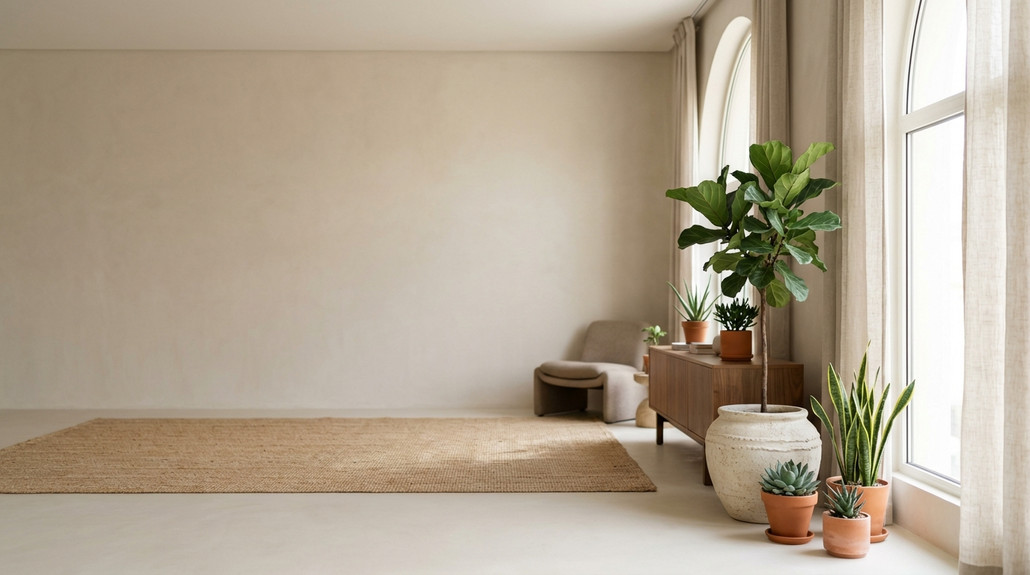
How Indoor Plants Behave Differently in Hot Climates in UAE Homes
Posted by Mozher Expoerts on 26.02.26
The UAE Indoor Climate: A Paradoxical Challenge for House Plants
Step into almost any home or office in the United Arab Emirates, and you're immediately greeted by the crisp, cool embrace of air conditioning. This essential comfort, locally known as the 'AC' or 'السبلت', is a vital escape from the intense outdoor heat, which can soar for many months of the year. Yet, for your cherished house plants, this very environment presents a unique and often confounding challenge. The constant hum of the AC relentlessly strips moisture from the air, creating an artificially arid microclimate. This pervasive dryness, coupled with direct, cold drafts from vents, fundamentally alters the dynamics of plant life, demanding a tailored approach to care that often defies conventional wisdom.
House plants, particularly the tropical species commonly favored for indoor aesthetics, originate from naturally humid environments. Transplanted into an AC-driven space, they face a silent battle against dehydration. Their leaves lose moisture faster than their roots can replenish it, leading to subtle and often misinterpreted signs of distress. Furthermore, the pervasive fine dust that settles on foliage can impede photosynthesis, adding another layer of stress. Understanding these specific environmental pressures and how they influence each aspect of plant vitality is not just helpful; it is the foundational knowledge required to cultivate a truly thriving indoor oasis in the UAE. It means moving beyond generic advice and becoming an astute observer of your plants within their unique indoor world.
Decoding Light: More Than Just a Bright Window
Light is the fundamental energy source for every house plant, fueling the photosynthesis that sustains its life. In the UAE, the intensity of our sun, even when filtered through glass, can be overwhelmingly powerful. Many modern homes here feature tinted windows or heavy curtains to block glare and heat, inadvertently creating dimly lit interiors where house plants may struggle. The objective is not simply to provide "more light," but to deliver the *right kind* of light – bright, indirect illumination that energizes without causing harm. The delicate balance often lies in positioning plants to receive ample light without the scorching effects of direct rays.
Understanding Natural Light Patterns in Your Home
Every window in your home offers a different quality of light throughout the day and across seasons. East-facing windows typically provide gentle morning sun, which is tolerable for many house plants, especially if they are placed a little distance back from the glass. South and west-facing windows, however, can deliver incredibly harsh, direct light during the intense midday and afternoon hours. For most house plants, direct, unfiltered sun through glass will quickly burn delicate foliage, leading to unsightly scorched patches. It is crucial to position house plants several feet away from these intense windows or use sheer curtains to diffuse the powerful rays. A simple test: if your hand casts a sharp, distinct shadow on the floor, the light is likely too direct. If the shadow is soft and indistinct, it is generally ideal for most indoor greenery. This nuanced approach ensures your plants receive precisely what they need, without suffering from overexposure or insufficient energy.
Strategies for Dimmer Spaces and Supplemental Needs
For those corners or rooms with inherently limited natural light, attempting to force a sun-loving house plant to adapt will only lead to weak, pale growth and eventual decline. This is where selecting plants that thrive in low light conditions becomes invaluable. Varieties such as the Snake Plant (Sansevieria) or ZZ Plant (Zamioculcas zamiifolia) are naturally adapted to lower light intensities, making them excellent choices for spaces further from windows. For house plants that require an extra boost, especially during shorter winter days or in perennially dim areas, full-spectrum LED grow lights can provide supplemental illumination. However, careful consideration of placement and duration is crucial; too much artificial light can also be detrimental. Always start with lower intensity and shorter durations, observing your house plant's response to avoid unintended stress and ensure its long-term health.
The Art of Watering House Plants in an Arid, Air-Conditioned Environment
Incorrect watering remains the single most common reason for indoor plant demise, a reality significantly amplified by the unique conditions within UAE homes. Our air-conditioned environments, while providing comfort, drastically alter the dynamics of soil drying, frequently leading to watering errors that are often fatal to our green companions. The cool, dehumidified air from the AC can cause the top layer of soil to dry out remarkably quickly, creating a deceptive illusion that the house plant is thirsty. However, underneath this seemingly parched surface, the root ball can remain saturated for days, or even weeks. Adding more water to already wet soil starves the roots of vital oxygen, leading to suffocation and irreversible root rot. Therefore, abandoning a fixed watering schedule is paramount. Instead, adopt an observation-based approach, listening to your house plant's true needs.
The Finger Test and Moisture Meter: Foundations of Precise Watering
The golden rule for watering house plants in the UAE is simple: "Check the soil, deeply, before every watering." Insert your finger about 5-7 centimeters (2-3 inches) into the soil. If it feels completely dry, then it is time for a thorough drink. If there is any lingering moisture or coolness, wait patiently. For greater precision, especially with larger pots or for beginners, a reliable moisture meter can provide an objective reading deep within the root zone, eliminating any guesswork. This tool offers clear, real-time data, allowing you to respond accurately to your house plant's hydration levels. Understanding the moisture profile beneath the surface prevents both the dangers of overwatering and the stress of underwatering.
Common Watering Pitfalls and How to Avoid Them
Once you have determined that watering is necessary, the method of application matters significantly. Avoid giving house plants small, frequent "sips" of water. This practice encourages shallow root growth and can lead to a harmful buildup of mineral salts on the soil surface. Instead, water thoroughly until water flows freely from the drainage holes at the bottom of the pot. This ensures the entire root system is hydrated and helps to flush out impurities. Critically, after watering, ensure the pot drains completely for 15-20 minutes, then promptly discard any water collected in the saucer. Allowing a house plant to sit in stagnant water is a direct path to root rot. Remember, for the vast majority of indoor plants in our climate, it is far better to err on the side of underwatering; a house plant can often recover from thirst, but rarely from a drowned root system. For this reason, Mozher always recommends selecting properly draining pots to facilitate this crucial process and safeguard your house plant's health.
Humidity and Airflow: The Vital Balance Against AC Dryness
The air conditioning that maintains our comfort is frequently the silent saboteur of our house plants, creating an environment diametrically opposed to the humid, tropical conditions many popular species naturally crave. Managing the interaction between airflow and humidity is a critical, and often overlooked, aspect of house plant care in the UAE. AC units actively remove moisture from the air, resulting in an exceptionally dry atmosphere. Most tropical house plants thrive in humidity levels ranging from 40-60%, a stark contrast to the often sub-30% levels found in a consistently air-conditioned room. This dry air rapidly pulls moisture from the plant's leaves faster than its roots can replenish it, leading to classic symptoms such as crispy, brown leaf tips and edges, even if the soil is adequately moist. Direct blasts of cold, dry air from an AC vent exacerbate this situation, causing rapid desiccation, leaf curling, and overall stress to the house plant. It is not solely about temperature; it is about the constant, dehydrating wind.
Cultivating Microclimates: Practical Solutions for Humidity Boosts
To counteract low indoor humidity, active intervention is required. One simple and effective method is to group house plants together. As each plant naturally releases moisture through transpiration, a small, localized microclimate of higher humidity is created, benefiting the entire cluster. Another popular technique is to use a pebble tray. Fill a shallow tray with decorative pebbles and add water until it is just below the top of the pebbles. Place your house plant pot on top of the pebbles, ensuring the base of the pot does not sit directly in the water. As the water evaporates from the tray, it gently humidifies the air immediately surrounding the plant. While misting can provide a temporary boost, its effects are fleeting and may sometimes encourage fungal issues on certain foliage types if ventilation is poor. For sensitive tropicals, a small room humidifier remains the most consistent and effective solution. By creating these pockets of increased humidity, you can significantly improve your house plant's resilience and vibrancy in the face of persistent dry air. For more general house plant care insights, the Clemson University Home & Garden Information Center offers excellent guidelines.
Protecting House Plants from Direct Airflow
Beyond increasing humidity, strategic placement is vital. House plants must be positioned carefully, well away from direct airflow from AC vents. This allows for gentle air circulation without the harsh blast that can cause rapid drying and stress. Regular cleaning of house plant leaves, a common challenge with the pervasive dust in our region, also helps. Clean leaves can transpire more effectively and maintain their moisture balance better, ensuring the plant breathes and photosynthesizes efficiently.
Choosing the Right Home: Pots, Soil, and Acclimation
The success of your indoor plant journey in the UAE begins before you even consider watering. It starts with selecting the right vessel, the right foundation, and ensuring a gentle transition from the nursery to your home. These often-underestimated factors are crucial for house plant survival and long-term health in our unique climate. A pot is more than just a decorative item; it is an integral part of your house plant's ecosystem, directly influencing moisture retention and root health.
The Importance of Well-Draining Pots
The most critical feature in a pot, without exception, is adequate drainage. Every pot must have drainage holes at the bottom to allow excess water to escape. Without them, water becomes trapped, leading to stagnant conditions and inevitable root rot, a leading killer of house plants. If you admire a beautiful cachepot without holes, simply use it as a decorative outer sleeve, keeping your house plant in a functional nursery pot with drainage inside. The material also plays a role: porous terracotta pots allow moisture to evaporate through their walls, which can be beneficial for house plants prone to overwatering by helping the soil dry faster. Conversely, glazed ceramic or plastic pots retain moisture for longer. Mozher offers a range of properly draining pots designed to support house plant health and prevent root issues in our climate.
The Ideal Soil Mix for UAE Conditions
The soil is where your house plant finds its anchorage, water, and nutrients. Standard garden soil is far too dense for potted indoor plants; it compacts easily, drains poorly, and suffocates roots. Therefore, using a high-quality indoor potting mix is essential. Look for a lightweight, airy blend that contains components like peat moss, perlite, and coco coir. These ingredients provide the ideal balance of moisture retention and aeration, allowing roots to breathe while retaining enough water for the house plant. For drought-tolerant species, a specialized cactus or succulent mix offers even faster drainage. Repotting into fresh soil every 1-2 years helps to replenish nutrients and prevent compaction, giving your house plant a fresh start. You can find quality soil, fertilizers, and tools at Mozher to support these needs, ensuring your house plant has the best possible foundation.
Welcoming New Arrivals: The Art of Acclimation
House plants experience significant stress when transported from the nursery to a new home. This "transplant shock" is particularly pronounced in the UAE due to the drastic changes in light, temperature, and humidity they encounter. New house plants may show signs of yellowing or drooping leaves as they acclimate. To minimize this effect, provide a stable environment. Place your new house plant in a spot with bright, indirect light, away from direct AC drafts or intense window sun. Avoid immediate repotting or fertilizing during the first few weeks, allowing it to acclimate peacefully. Even our curated collection of indoor plants, specifically chosen for safe delivery and resilience by Mozher, benefits from a gentle introduction to their new environment to ensure long-term success.
Quick-Start Checklist for UAE House Plant Owners
- Assess Light Honestly: Observe your home's light patterns throughout the day. Choose house plants that genuinely match your available light (bright, indirect light is best for most).
- Master the Finger Test: Forget rigid schedules. Water only when the top 5-7 cm (2-3 inches) of soil are completely dry. For added confidence, use a reliable moisture meter.
- Ensure Excellent Drainage: Always use pots with drainage holes. Promptly discard any water collected in the saucer after watering. Consider porous terracotta pots for house plants sensitive to excess moisture.
- Combat Dry AC Air: Group house plants together, use pebble trays, or a small room humidifier to counter the dehumidifying effect of the AC. Crucially, keep plants well away from direct AC vents.
- Wipe Leaves Regularly: Consistently remove dust from foliage to help your house plant breathe and photosynthesize effectively.
- Acclimate New House Plants Gently: Give new arrivals a few weeks to adjust to their new environment before making any major changes or interventions.
- Fertilize Sparingly: Apply a diluted, balanced liquid fertilizer only during periods of active growth (spring/early summer). Less is often more beneficial. You can find quality soil, fertilizers, and tools at Mozher.
- Perform Routine Checks: Dedicate a few minutes each week for a general visual inspection of your house plants for any early signs of distress or pests.
Common Myths vs. UAE Reality: Rules That Break
Many widely circulated house plant care tips, while well-intentioned, simply do not translate effectively to the reality of owning indoor plants in the UAE. Our climate demands a different perspective, often challenging traditional horticultural wisdom. Understanding these nuances helps you avoid common pitfalls and frustrations, and ensure your house plants thrive.
Myth: "Water your house plant once a week."
Reality: This is a recipe for disaster in an AC-cooled UAE home. While the dry air might make the surface appear parched, the cooler indoor temperatures significantly slow down the drying rate of the entire root ball. Adhering to a fixed schedule will almost invariably lead to overwatering and root rot. Always check the soil moisture deeply with your finger or a moisture meter before watering.
Myth: "My house plant is wilting, it must be thirsty."
Reality: While wilting can certainly indicate thirst, it is also a classic symptom of severe overwatering and root rot. If the soil is wet, wilting means the roots are suffocating and cannot absorb water, causing the house plant to droop as if parched. Always check the soil moisture before adding more water. If wet, let it dry out completely.
Myth: "Misting frequently will keep my house plant happy in dry air."
Reality: Misting provides a very temporary, fleeting increase in humidity that dissipates within minutes. It is largely ineffective in a constantly air-conditioned environment. More sustainable methods like grouping house plants or using pebble trays are far more beneficial. Excessive misting, especially on plants with fuzzy leaves, can sometimes encourage fungal issues if ventilation is poor.
Myth: "More sun is always better for house plants."
Reality: Our sun, even filtered through a window, can be incredibly intense. Direct, unfiltered midday or afternoon sun in the UAE will quickly scorch the leaves of most indoor plants, leading to irreversible damage. Bright, indirect light is what most house plants crave—plenty of light, but without harsh, direct rays. Even for exceptionally hardy indoor plants, this rule holds true; while resilient, they still have their limits against direct heat.
Cultivating Resilience: A Practical, Forward-Looking Insight
Bringing house plants into the UAE home, with all its unique climatic challenges—from the intense external heat to the persistent internal air conditioning—is a deeply rewarding endeavor that requires a subtle shift in perspective. It is not about becoming a full-time horticulturist, but about becoming an astute observer of your plants and their environment. The occasional crispy leaf tip, or a slightly droopy stem, is not a sign of failure; it is a quiet conversation your house plant is trying to have with you. These are opportunities to learn, to adjust, and to refine your approach to care. Trust the process, even if it feels slow, and celebrate the small victories of new, healthy growth.
At Mozher, we believe in fostering a truly rewarding relationship with your green companions. By understanding the language of your house plants and acknowledging the specific conditions they face in our region, you empower yourself to make informed decisions that promote genuine vitality. Our comprehensive guide to indoor plant care in the Middle East and our curated selection of indoor plants and essential care tools are chosen to support you in this journey, ensuring that your indoor oasis is not just aesthetically pleasing, but a thriving, resilient ecosystem. Remember, the goal is not perfection, but consistent, climate-aware care that allows your house plants to adapt and enrich your living space for years to come. Healthy plants truly enrich our homes and offices, offering a calming presence and a connection to nature, even amidst the most urban and climate-controlled settings. For a deeper understanding of plant physiology and care, you can review resources from credible horticulture sources like the Missouri Botanical Garden's plant care guides.
Frequently Asked Questions About House Plants in UAE
How can I tell if yellow leaves are from overwatering or underwatering in an AC-cooled room?
This is a critical distinction in the UAE's climate. If the yellow leaves are soft, limp, and mushy, and the soil feels wet to the touch even days after watering, this strongly indicates overwatering. The cool AC air significantly slows water evaporation, trapping moisture. Conversely, if the yellow leaves are dry, crispy, and brittle, and the soil is bone-dry and pulls away from the pot, it's a sign of underwatering. Always check the soil moisture deeply with your finger or using a reliable moisture meter before diagnosing the problem or adding water.
Can yellow leaves ever turn green again?
Unfortunately, once a leaf has turned definitively yellow, it rarely reverts to green. The cells responsible for producing chlorophyll have typically died. The best approach is to address the underlying cause of the yellowing. Once the issue is resolved, your house plant will direct its energy towards producing new, healthy green growth. You can prune off severely yellowed or damaged leaves to encourage new growth and improve the house plant's overall appearance.
My house plant has yellow leaves but also brown, crispy tips. What's the problem?
This common symptom in UAE homes typically points to low ambient humidity caused by continuous air conditioning. The dry air extracts moisture from the leaves faster than the roots can supply it, causing the tips to dry and brown, even if the soil itself is adequately moist. While ensuring proper watering is fundamental, the primary solution is to increase the humidity around the house plant. Group plants together, use a pebble tray with water, or keep the house plant away from direct AC vents. Mineral buildup from tap water can also contribute to brown tips.
What are the best beginner-friendly house plants for the UAE?
For UAE homes, you need house plants that tolerate low humidity and are forgiving of inconsistent watering. Excellent choices include the Snake Plant (Sansevieria), ZZ Plant (Zamioculcas zamiifolia), and Pothos (Epipremnum aureum). These species are naturally hardy, enabling them to withstand the dry, air-conditioned environments and often thrive in lower light conditions found indoors. Mozher's curated collection of quality indoor plants includes many options ideal for building confidence in new house plant owners.