


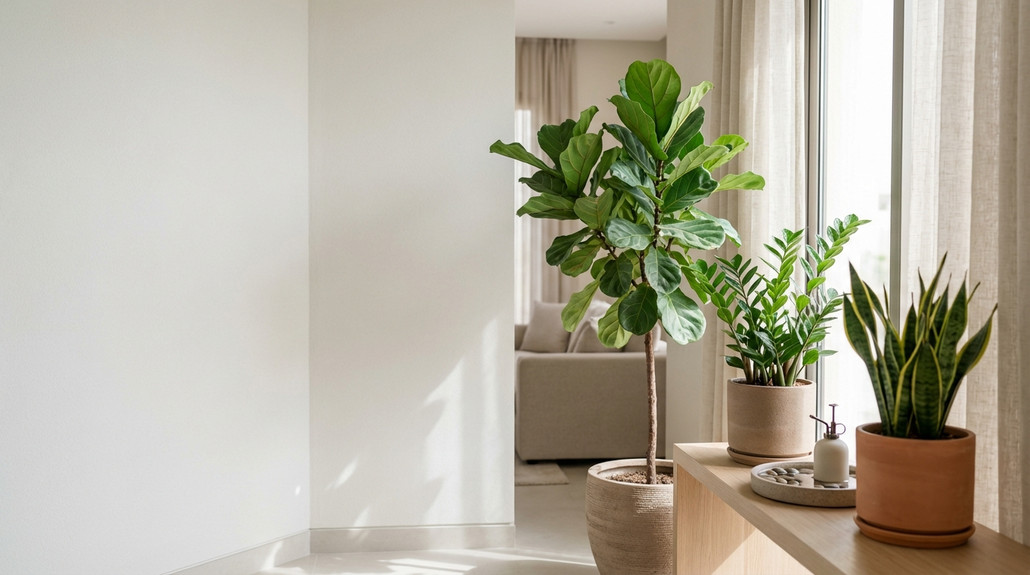
How Indoor Plants Behave Differently in Hot Climates in UAE Homes
Posted by Mozher Expoerts on 11.03.26
The Unseen Battle: Why Your Indoor Plants Face Unique Challenges in UAE Homes
Imagine a typical UAE summer day: outside, temperatures regularly soar past 45°C. Indoors, the indispensable air conditioning unit, often locally known as Al-Sablat, hums continuously, providing essential refuge from the relentless heat and pervasive dust. While this comfort is vital for us, it paradoxically crafts an indoor microclimate that is not only exceptionally cool but, critically, profoundly dry. This sharp environmental divergence profoundly impacts the delicate physiology of our cherished indoor plants, often leading to a slow decline rather than the robust, thriving growth we aspire to. Many enthusiastic plant owners in the UAE, despite their best intentions, find their green companions struggling with crispy leaf edges, stunted development, or a general lack of vigor that seems to defy all conventional care advice.
This disheartening scenario rarely stems from a lack of genuine care. Instead, it frequently arises from a fundamental misunderstanding of how the UAE’s distinct local environment truly shapes a plant’s physiological demands. Generic plant advice, typically crafted for more temperate, humid regions, simply won’t suffice here. As a senior indoor-plant specialist and horticulture educator with Mozher, I’ve observed firsthand what commonly goes wrong for plant owners in the UAE. This guide is designed to empower you with practical, climate-aware knowledge, enabling you to foster indoor plants that not only survive but genuinely flourish within the specific realities of your UAE home. For a more comprehensive understanding of cultivating healthy indoor plants in our region, you can refer to Mozher's comprehensive guide to indoor plants in the Middle East.
Decoding Your Plant's Language: Understanding Environmental Stress in the UAE
To truly nurture healthy indoor plants in the UAE, we must first learn to understand their subtle distress signals. Plants communicate their needs through changes in their leaves, stems, and overall growth. Yellowing, browning, or drooping leaves are not merely cosmetic issues; they are clear messages that something is out of balance. The key is to become a keen observer, noting whether the change is sudden or gradual, if new leaves are affected or only older ones, and whether the leaves are soft and mushy or dry and crispy. These details provide vital clues to the underlying cause of common indoor plant problems.
The Double-Edged Sword of Air Conditioning (Al-Sablat)
The Al-Sablat, an indispensable part of every UAE home, is often the silent adversary of our indoor plants. These units are engineered to actively pull moisture from the air, creating an exceptionally dry indoor atmosphere. Most tropical indoor plants flourish in humidity levels of 40-60%; in continuously air-conditioned rooms, these levels often plummet below 30%. This relentless dry air aggressively draws moisture from plant leaves, frequently faster than roots can replenish it, leading to classic symptoms like crispy, brown leaf tips and edges. Direct blasts of cold, dry air from Al-Sablat vents further exacerbate this desiccating situation, causing rapid dehydration, leaf curling, and severe overall plant stress. It's not solely about the cool temperature; it's the constant, dehydrating airflow that many indoor plants are simply not equipped to handle without thoughtful, strategic intervention. This phenomenon is locally understood as jafaf Al Jaw, or the "dry air effect."
Fine Dust: A Silent Barrier to Photosynthesis
Beyond the dry air, the pervasive fine dust prevalent in the UAE can rapidly accumulate on plant leaves, physically blocking vital stomata—tiny pores through which plants "breathe" and exchange gases. This physical barrier severely hinders efficient photosynthesis and overall plant health. Regular dusting of leaves with a soft, damp cloth is crucial for optimal light absorption and proper airflow, ensuring your indoor plants can perform their essential functions effectively and remain healthy.
Mastering Watering in Arid Environments: Beyond the Schedule
Incorrect watering is, without question, the leading cause of distress and eventual loss for indoor plants in UAE homes. The cool, dehumidified air produced by your Al-Sablat system fundamentally alters how quickly potting mix dries, creating a consistently deceptive scenario. This makes adhering to a rigid "watering schedule" often counterproductive, if not outright detrimental, to your indoor plants' health. The top inch or two of soil might feel bone dry, prompting many to believe the plant is parched. However, beneath this misleading surface, the sensitive root ball can remain saturated with water for days, or even weeks. This frequently leads to a common, yet fatal, mistake: well-meaning owners adding more water to already wet soil, effectively drowning the roots. Plant roots, like all living organisms, require oxygen to function properly, and when the vital air pockets in the soil are filled with stagnant water, the roots suffocate, leading to rot and decay. Therefore, a generic "water once a week" mantra is a recipe for disaster here. Successful watering frequency requires diligent observation of your plant's specific needs, not a calendar. Understanding this paradox is the first crucial step to mastering hydration for your indoor plants in this region.
The Evaporation Paradox: Pots, Soil, and Room Temperature
The speed at which your indoor plant's soil dries out is a complex equation involving several factors beyond just the frequency of your watering can. The type of pot plays a significant role: terracotta pots are porous and allow moisture to evaporate from their sides, leading to faster drying, while glazed ceramic or plastic pots retain moisture for longer. The potting mix itself is paramount. Dense, compacted soils retain too much moisture, suffocating roots, especially in the cooler, AC-controlled environments of UAE homes. A high-quality, airy potting mix with good drainage is essential for proper soil aeration. Furthermore, the ambient room temperature and airflow directly impact evaporation. While your Al-Sablat keeps the air cool, the very movement of air can accelerate surface drying, but in the depths, the soil often remains saturated. This "evaporation paradox" means you must always check the soil moisture deeply, rather than relying on misleading surface cues. Choosing the right plant pots with ample drainage is a fundamental step to preventing watering issues, and for precise moisture readings, a reliable moisture meter is an invaluable tool for any indoor plant enthusiast.
Signs of Thirst and Overwatering: A Critical Distinction
Your indoor plants will communicate their needs if you learn to observe carefully. For underwatering, leaves may droop or wilt, feeling dry and crispy, and sometimes curling inwards. The pot will feel remarkably light when lifted, and the soil will be bone dry, often visibly pulling away from the pot's edges. For overwatering, the signs can be confusingly similar at first glance, but with critical differences. Leaves will also droop, but they will be soft, mushy, and yellow, not crispy. The soil will remain visibly wet and heavy, often for days or weeks, and may even emit a foul, mildewy odor from root rot. The key distinction lies in the texture of the leaves and the consistent dampness of the soil, even when you feel like you haven't watered in a while due to the AC effect, which slows deep soil drying.
Strategic Light Exposure for UAE Homes
Light is the fundamental energy source for your indoor plants, fueling the intricate process of photosynthesis. However, in UAE homes, the concept of "light" is far more nuanced than simply placing a plant near a window. The external sun is intensely powerful; even when diffused through glass, it can be overwhelmingly strong for many tropical indoor plant species. This harsh, direct light can easily scorch delicate leaves, leaving them with unsightly bleached or brown patches and making the plant appear stressed and unhealthy. Conversely, to combat the extreme heat, many modern homes feature heavy curtains or tinted windows, inadvertently creating dimly lit interiors where indoor plants struggle to photosynthesize efficiently. The key is finding the correct balance: providing "bright, indirect light" that energizes the plant without causing damage, which is crucial for healthy indoor plants in the UAE.
Direct vs. Indirect Light: A Critical Distinction for Delicate Foliage
In temperate climates, a "sunny window" might be ideal, but in the UAE, direct sun, even for a short period, can be detrimental to most indoor plants. Direct sunlight, especially during the intense midday hours, can quickly lead to leaf scorch, characterized by bleached, yellow, or brown patches on the foliage. These areas often become crispy and brittle. On the other hand, insufficient light can cause your indoor plants to become "leggy," stretching excessively towards a light source with sparse, pale, and undersized leaves, indicating a struggle for energy. The goal is to replicate the dappled light of a tropical forest floor for many common indoor plants. This involves understanding your windows' orientations throughout the day and how light changes seasonally. For instance, a north-facing window might provide consistent, gentle indirect light, while a south-facing window will require careful diffusion or a greater distance from the light source. Learning to read your plant's signals regarding light is crucial. For spaces with naturally limited light, exploring low-light tolerant indoor plants from Mozher can be a game-changer.
Humidity and Airflow: Counteracting Desert Dryness
As discussed, the ubiquitous Al-Sablat units in UAE homes actively strip moisture from the air, resulting in an exceptionally dry indoor atmosphere. Most tropical indoor plants typically flourish in humidity levels ranging between 40-60%, a stark contrast to the often significantly lower levels—frequently below 30%—found in a continuously air-conditioned room. This relentless dry air aggressively pulls moisture from the plant's leaves, often faster than its roots can possibly replenish it, leading to classic symptoms such as crispy, brown leaf tips and edges, even if the soil itself feels adequately moist. Direct blasts of cold, dry air from Al-Sablat vents further exacerbate this desiccating situation, causing rapid dehydration, leaf curling, and severe overall plant stress. This "dry air effect" (jafaf Al Jaw) is a significant challenge for indoor plants in the UAE, demanding specific strategies to ensure plant health.
Boosting Localized Humidity Effectively
To directly combat the Al-Sablat's drying grip, simple yet effective solutions can be implemented. Grouping your humidity-loving indoor plants together creates a small, localized humid microclimate where they collectively release moisture into the air through transpiration, benefiting the entire cluster. Utilizing pebble trays is another popular and easy technique: fill a shallow tray with decorative pebbles and add water until it just barely sits below the top of the pebbles, then place your plant pot directly on top (ensure the pot’s base does not sit directly in the standing water). As the water gradually evaporates from the tray, it gently humidifies the air immediately surrounding the plant. For serious enthusiasts or larger collections of indoor plants, a small room humidifier can make a significant difference, especially during peak summer months when Al-Sablat usage is constant.
The Silent Threat of Stagnant Air
While drafts from the Al-Sablat can be detrimental, completely stagnant air is also unhealthy for indoor plants. Without adequate air circulation, moisture can settle on leaves and on the soil surface, creating an ideal breeding ground for fungal diseases and certain pests. A gentle, consistent airflow helps prevent these issues. However, this is a fine line; avoid strong, direct drafts that can dry out leaves rapidly. Placing plants where there is subtle air movement, perhaps near an open door in a less air-conditioned room, or using a small, oscillating fan set on its lowest setting a few feet away from your indoor plants, can be beneficial. The goal is to mimic a gentle breeze, not a desert wind. Mozher offers exceptionally hardy indoor plants that often show greater resilience to varied airflow conditions.
Building a Strong Foundation: Soil, Pots, and Thoughtful Nutrition
While meticulous watering and proper light exposure are foundational, providing the correct potting medium and ensuring good drainage are equally vital for the long-term health of your indoor plants in the UAE. Just like any living organism, plants need a balanced environment for their roots to thrive. Many plant owners mistakenly believe that any soil will do, or that larger pots are always better. However, both the pot and the soil play critical roles in regulating moisture, providing aeration, and supporting nutrient uptake. These aspects of indoor plant care require thoughtful consideration and precise action to avoid common mistakes, especially given our unique climate conditions and the demands on indoor plants.
Customizing Soil for Optimal Drainage and Moisture Retention
The soil (potting mix) is your plant's anchor, its reservoir for water and vital nutrients. Using standard garden soil for indoor plants is a common beginner mistake in the UAE. Garden soil is typically too dense and heavy for pots; it compacts easily, drains poorly, and suffocates delicate roots by depriving them of essential oxygen. Instead, invest in a high-quality, specialized indoor potting mix. Look for a lightweight and airy blend containing components such as peat moss, perlite, and coco coir. These ingredients provide the ideal balance between moisture retention, ensuring the plant receives water, and essential aeration, allowing roots to breathe and thrive. Repotting your indoor plants into fresh, nutrient-rich soil every 1-2 years is also vital, as it helps to replenish depleted nutrients, prevents compaction, and gives your plant a strong, fresh start. For particularly drought-tolerant species like succulents or cacti, a specialized mix that offers even faster drainage is crucial to prevent root rot. Mozher offers a range of quality potting mixes and care essentials designed to support balanced plant nutrition and robust root health for your indoor plants.
The Non-Negotiable Role of Drainage Holes in Pots
The pot your indoor plant lives in is just as important as the soil. The single most critical feature of any plant pot is adequate drainage. Without proper drainage holes, excess water has nowhere to escape, leading to stagnant, oxygen-deprived conditions and inevitable root rot—a silent killer for indoor plants. While decorative cachepots are aesthetically pleasing, always keep your plant in a functional nursery pot with drainage holes inside. This allows you to easily remove excess water from the decorative planter after watering, ensuring the roots are never left sitting in soggy conditions. When repotting your indoor plants, choose a container that is only one size larger than the current one. A pot that is too large holds too much soil and thus too much moisture, significantly increasing the risk of overwatering and subsequent root problems. We emphasize at Mozher the selection of well-draining plant pots to promote healthy root systems and resist common soil-related issues.
Acclimation and Long-Term Care: Building Your Plant's Resilience
Bringing a new indoor plant into your UAE home is an exciting moment, but it's also a critical period for the plant. The journey from a controlled nursery environment to your living space involves drastic shifts in light, temperature, and especially humidity. This transition can cause significant "transplant shock." Furthermore, understanding the long-term needs of your indoor plants, such as when and how to repot, is crucial for their continued health and growth in our unique climate. Patience and observation during these stages can prevent many common setbacks and ensure your green companions flourish for years to come.
Easing into a New Environment (Delivery Stress)
When your new indoor plant arrives from Mozher, it experiences a significant shift in conditions, despite our careful handling and climate-aware delivery. This "delivery stress" can manifest as yellowing or drooping leaves. Resist the urge to immediately repot or heavily fertilize. Instead, provide a stable and consistent environment. Place the new plant in a spot that receives bright, indirect light, well away from direct Al-Sablat blasts or the unfiltered glare of a window. Allow 1-2 weeks for it to simply adjust to its new surroundings before making any major changes. This gentle, patient approach allows the plant to focus its energy on adapting, rather than recovering from multiple shocks simultaneously. Patience during this period is vital for the long-term vitality of your new green companion, giving it the best possible chance to settle in and truly flourish as one of your thriving indoor plants in your UAE home.
When to Repot Indoor Plants and Why it Differs Here
Repotting isn't a yearly requirement for most indoor plants, especially in our climate where growth can sometimes be slower due to the dry air. Repot only when your plant shows clear signs of being root-bound: roots circling tightly at the bottom of the pot, emerging from drainage holes, or the plant drying out too quickly between waterings despite adequate care. When you do repot, choose a container that is only one size larger than the current one. A pot that is too large holds too much soil and thus too much moisture, significantly increasing the risk of overwatering and root rot, a particular concern in Al-Sablat-cooled environments where evaporation is slower. Always use fresh, well-draining potting mix. The best time to repot is during the plant's active growing season, typically spring or early summer, allowing it time to recover and establish new roots. Avoid repotting a stressed or dormant plant, as this adds unnecessary strain. For those seeking plants that handle transitions well, exploring Mozher's exceptionally hardy indoor plants is recommended.
Quick-Start Checklist for Indoor Plant Success in the UAE
Navigating the unique challenges of keeping indoor plants in the UAE's hot, AC-dependent climate can feel daunting. This quick-start checklist distills the essential, climate-aware practices into actionable steps, designed to give your indoor plants the best chance not just to survive, but to truly thrive in your home or office. By focusing on these core principles, you'll avoid common beginner mistakes and cultivate a healthier, happier indoor garden.
- Master the Deep Finger Test: Before watering, insert your finger about 5-7 centimeters (2-3 inches) deep into the soil. Only water when the soil at this depth feels thoroughly dry. Ignore the dry surface layer, as deeper soil often remains wet due to slower evaporation in Al-Sablat-cooled rooms.
- Provide Bright, Indirect Light: Position plants a few feet away from sunny windows, or use sheer curtains to diffuse direct sun. East or north-facing windows are often ideal. Rotate plants weekly for even growth. Avoid harsh, direct afternoon sun.
- Boost Local Humidity: Group humidity-loving plants together. Use pebble trays filled with water (ensuring the pot’s base does not sit directly in the water). And crucially, keep all plants well away from direct drafts of cold, dry air from Al-Sablat vents.
- Ensure Excellent Drainage: Always plant your indoor plants in pots with drainage holes. If using a decorative outer pot, ensure you empty any accumulated water from the saucer within 30 minutes of watering to prevent root rot.
- Use Quality Potting Mix: Invest in a light, airy, well-draining potting mix formulated for indoor plants, not dense garden soil. This promotes healthy root aeration and prevents waterlogging. Refer to Mozher's quality potting mixes and care essentials.
- Allow New Plants to Acclimate: Give new arrivals 1-2 weeks to adjust to their new environment before any major interventions like repotting or fertilizing. Provide consistent, gentle care during this period.
- Dust Leaves Regularly: Gently wipe down any dusty leaves with a soft, damp cloth every few weeks. This is vital for efficient photosynthesis and proper airflow in the UAE’s often dusty environment.
- Fertilize Sparingly: Only fertilize healthy, actively growing plants during their active growth season (spring and summer), using a balanced liquid fertilizer diluted to at least half strength. Over-fertilization does more harm than good.
Common Myths vs. Climate Reality for Indoor Plants in the UAE
Much of the generic indoor plant advice available online doesn't take into account the unique climate of the United Arab Emirates. Here are some common myths debunked with our local realities in mind, helping you care for your indoor plants effectively:
- Myth: Water your indoor plants once a week on a fixed schedule.
Reality: This is a recipe for disaster in Al-Sablat-cooled homes. Soil dries at vastly different rates, and a fixed schedule often leads to overwatering. Always check soil moisture deeply with your finger or a reliable moisture meter before watering. - Myth: A struggling indoor plant needs more fertilizer to recover.
Reality: A sick plant is rarely hungry; it's stressed. Over-fertilizing can chemically burn already weakened roots. Fertilize only healthy, actively growing plants, and always with diluted doses. When in doubt, under-fertilize. - Myth: All brown, crispy leaf tips mean underwatering.
Reality: While underwatering can cause this, extremely low humidity ("dry air effect" from the Al-Sablat) and salt buildup from local tap water are far more common culprits for crispy brown edges in the UAE, even if soil moisture is adequate. Focus on increasing humidity and flushing the soil regularly for your indoor plants. - Myth: Decorative pots without drainage holes are fine if you're careful.
Reality: Pots without drainage are a guaranteed path to root rot in the long run. Excess water will sit at the bottom, suffocating roots. Always use pots with drainage holes, or keep a nursery pot inside a decorative one and empty any excess water promptly. Explore Mozher’s range of well-draining plant pots. - Myth: Moving a struggling indoor plant to a new spot will instantly fix its problems.
Reality: Frequent relocation causes additional stress, not instant recovery. Indoor plants need time to acclimate. Find a suitable spot with consistent light and temperature, and keep the plant there, allowing it to adapt peacefully. Drastic changes usually make the situation worse. Mozher offers a selection of exceptionally hardy indoor plants that can better withstand environmental adjustments.
Comparison Table: Diagnosing Common Indoor Plant Problems in the UAE
| Symptom | Likely Cause | Key Observation | Solution | Recovery Timeline |
|---|---|---|---|---|
| Yellow, soft, mushy leaves (often lower) | Overwatering, Root Rot | Soil consistently wet, heavy pot, possibly foul smell from roots. | Reduce watering frequency, check roots for rot and repot if needed. Ensure excellent pot drainage. | 2-4 weeks for new growth to appear; damaged leaves won't recover. |
| Yellow, crispy, brittle leaves (often lower) | Underwatering | Soil bone dry, lightweight pot, leaves may be curling. | Water thoroughly until drainage occurs, then check regularly with a reliable moisture meter. | A few hours to 1 day for revival; damaged leaves won't recover. |
| Yellowing/bleaching on new growth, brown crispy spots | Too much direct sun | Plant exposed to intense, unfiltered sun (e.g., south/west window). | Move to a spot with bright, indirect light; use sheer curtains to diffuse harsh light. | New growth appears healthy in 1-2 weeks. |
| Pale yellow, small leaves, leggy growth | Insufficient light | Plant in a very dim area, noticeably stretching towards a light source. | Relocate to a brighter spot; consider selecting low-light tolerant indoor plants if the space is inherently dim. | New, healthier growth in 2-4 weeks. |
| Crispy brown tips/edges, otherwise green leaves | Low humidity (Al-Sablat effect) or Salt Buildup | Dry indoor air, plant near Al-Sablat vent, or white crust on soil surface. | Increase local humidity (pebble tray, grouping indoor plants), move from drafts, flush soil to remove salts. | New growth appears healthier in 2-3 weeks; damaged tips won't recover. |
Frequently Asked Questions about Indoor Plants in UAE
How do I differentiate between yellowing leaves caused by overwatering versus underwatering in an AC-cooled UAE environment?
This is a critical distinction in the UAE's climate, heavily influenced by the Al-Sablat. If the yellow leaves are soft, limp, and feel somewhat mushy, and the soil remains wet to the touch even days after watering, this strongly indicates overwatering, which can lead to root rot. The cool air from the Al-Sablat significantly slows water evaporation, trapping moisture around the roots. Conversely, if the yellow leaves are dry, crispy, and brittle, and the soil is bone-dry and visibly pulling away from the pot, this is a clear sign of underwatering. Always check the soil moisture deeply with your finger or using a reliable moisture meter before diagnosing the problem or adding more water. Understanding this key difference is paramount to providing the correct care for your indoor plants in the UAE. For more comprehensive guidance, you can refer to the Clemson University Home & Garden Information Center: Indoor Plant Care.
What are the common signs of low humidity stress for indoor plants in the UAE’s dry, AC environment?
Low humidity stress, common in UAE homes due to the continuous use of the Al-Sablat (jafaf Al Jaw), typically manifests as crispy, brown tips and edges on otherwise green leaves, even when the potting soil is adequately moist. You might also observe leaves curling inward or developing a general droop as the plant actively tries to conserve moisture. Some indoor plants, especially those with thinner or larger foliage, may also exhibit yellowing between the veins. If these symptoms are present, consider grouping your indoor plants closer together to create a localized microclimate with slightly higher humidity or using pebble trays filled with water beneath the pots (with the crucial caveat that the pot's base must not sit directly in the standing water). Crucially, position your plants well away from direct blasts of cold, dry air from Al-Sablat vents. You can also explore Mozher's collection of exceptionally hardy indoor plants that tend to adapt better to the dry conditions.
Are there any pet-safe indoor plants suitable for homes with children and pets in the UAE?
Yes, absolutely. For homes that include curious pets or small children, ensuring the safety of your indoor plants is a top priority. Excellent low-maintenance and non-toxic options that thrive in UAE indoor conditions include the popular Spider Plant (Chlorophytum comosum) and the resilient Cast Iron Plant (Aspidistra elatior). While the Areca Palm is also generally considered pet-safe, it typically requires a bit more humidity, so it's advisable to keep it away from direct Al-Sablat drafts. It is always a wise practice to thoroughly research any new plant before introducing it into your home. Mozher places a special emphasis on curating a selection of pet-safe indoor plants to ensure a harmonious and safe living environment for everyone in your family.
Can the quality of tap water in the UAE affect the health of my indoor plants?
Yes, unequivocally. Tap water in the UAE can frequently contain elevated levels of minerals, such as chlorine and fluoride, alongside other dissolved salts. Over time, these minerals and salts can accumulate in the potting soil. This buildup often leads to what is known as "salt burn," which can damage the delicate plant roots and impede its ability to absorb essential nutrients and moisture, leading to symptoms like crispy brown tips or a general yellowing of the foliage. To mitigate this, consider using filtered water or collected rainwater for your indoor plants. Alternatively, allow tap water to sit uncovered in a container for 24 hours before watering; this allows chlorine to evaporate and reduces the impact of some minerals. Regular, deep watering that allows water to freely flush through the drainage holes is also beneficial, as it helps to leach out excess salts from the soil, maintaining a healthier growing environment. For optimal root health and to prevent such issues, always ensure you are using quality potting mixes and care essentials. For more comprehensive advice on maintaining healthy plants, always consult credible horticulture sources such as the Missouri Botanical Garden: Houseplant Pests and Problems.
A Realistic Outlook: Patience is Key to Lasting Success for Your Indoor Plants
The journey of nurturing indoor plants in the UAE is one of continuous learning and adaptation. It's not about adhering to a rigid daily schedule, but rather fostering a consistent rhythm of mindful observation and adaptable responses to your plants' evolving needs. This adaptive approach significantly minimizes stress for both you and your plants, nurturing a flourishing indoor oasis year-round. It's all about proactive engagement and truly understanding the subtle cues your indoor plants consistently provide. With patience and keen observation as your best allies, you'll find that the reward of this mindful care is enduring beauty, less anxiety, and a deeper sense of connection to the natural world right inside the walls of your UAE home.