


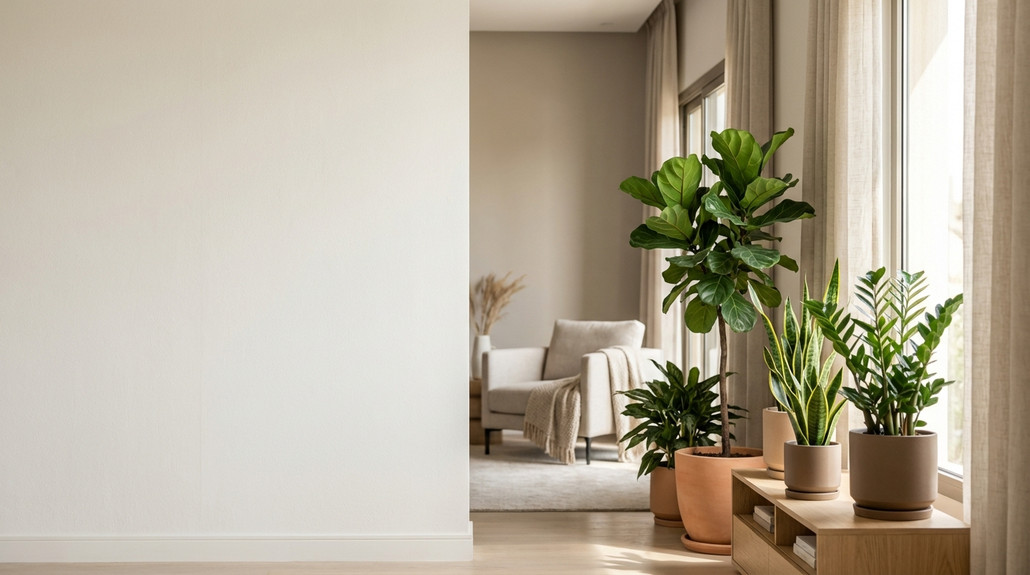
How to Care for Indoor Plants During Extreme Summer Heat in Iraq Homes
Posted by Mozher Expoerts on 09.03.26
Understanding the Iraqi Climate: A Unique Challenge for Indoor Plants
In Iraq, the relentless summer heat drives outdoor temperatures well beyond 45°C. Indoors, the indispensable air conditioning unit, or Al-Sablat (السبلت), runs continuously, providing vital refuge. While essential for our comfort, this cooling system paradoxically creates an artificially cool, yet exceptionally dry, indoor microclimate. This stark contrast between the arid outdoors and the artificially maintained indoors profoundly impacts the delicate environment our cherished indoor plants experience, often leading to a slow decline rather than robust, vibrant growth. Generic plant advice, typically crafted for more temperate, humid regions, simply won’t suffice here. As a senior indoor-plant specialist and horticulture educator with Mozher, I've observed firsthand what commonly goes wrong for plant owners in Iraq. Our focus at Mozher is on delivering real outcomes: healthier plants, fewer losses, and truly vibrant living and working spaces, achieved through carefully selected curated indoor plants and climate-aware recommendations.
Mastering Your Watering Schedule in Extreme Heat
Without question, incorrect watering is the single leading cause of distress and eventual loss for indoor plants in Iraqi homes. The cool, dehumidified air produced by your Al-Sablat system fundamentally alters how quickly potting mix dries, creating a consistently deceptive scenario. This makes adhering to a rigid "watering schedule" often counterproductive, if not outright detrimental, to your plants' health. The top inch or two of soil might feel bone dry, prompting many to believe the plant is parched. However, beneath this misleading surface, the sensitive root ball can remain saturated with water for days, or even weeks. This frequently leads to a common, yet fatal, mistake: well-meaning owners adding more water to already wet soil, effectively drowning the roots. Plant roots, like all living organisms, require oxygen to function properly, and when the air pockets in the soil are filled with water, the roots suffocate, leading to rot. Therefore, a generic "water once a week" schedule is a recipe for disaster here. Successful watering frequency requires diligent observation of your plant's specific needs, not a calendar. A robust defense against this paradox is using a reliable moisture meter, which provides an objective reading deep within the root zone, eliminating guesswork from your decisions. When you do water, ensure it's done deeply and evenly until water flows freely from the drainage holes, and always use pots with proper drainage to prevent waterlogging. After watering, always ensure to empty any excess water from the saucer to prevent the plant from sitting in stagnant water.
The "Finger Test" Technique
To perform the finger test, gently insert your finger approximately 5-7 centimeters (2-3 inches) deep into the soil. Only proceed to water if the soil at that depth feels entirely dry, powdery, or crumbling. If there is any lingering coolness or dampness, even if subtle, exercise patience and wait a few more days before rechecking. This observation-based approach is crucial, as individual plant needs and dynamic environmental factors, such as specific Al-Sablat usage patterns, affect soil drying times.
The Right Soil Mix and Drainage for Hot Climates
The soil (potting mix) is your plant's anchor, its reservoir for water and vital nutrients. Using standard garden soil for indoor plants is a common mistake in Iraq. Garden soil is typically too dense and heavy for pots; it compacts easily, drains poorly, and suffocates delicate roots by depriving them of essential oxygen. Instead, invest in a high-quality, specialized indoor potting mix. Look for a lightweight and airy blend containing components like peat moss, perlite, and coco coir. These ingredients provide the ideal balance between moisture retention, ensuring the plant remains hydrated, and essential aeration, allowing roots to breathe. Repotting into fresh, nutrient-rich soil every 1-2 years is also important to replenish depleted nutrients and prevent compaction. For drought-tolerant species like succulents or cacti, a faster-draining mix is crucial to prevent root rot. At Mozher, we offer a range of quality potting mixes and care essentials designed to support balanced plant nutrition.
Choosing Pots with Proper Drainage
The pot your plant lives in is just as important as the soil. The single most critical feature of any plant pot is adequate drainage. Without proper drainage holes, excess water has nowhere to escape, leading to stagnant conditions and inevitable root rot. While decorative cachepots are aesthetically pleasing, always keep your plant in a functional nursery pot with drainage holes inside. This allows you to easily remove excess water from the decorative planter after watering. When repotting, choose a container that is only one size larger than the current one. Too large a pot holds too much soil and and thus too much moisture, increasing the risk of overwatering. Prioritize well-draining pots to promote healthy root systems.
Humidity Management: A Battle Against Dry Indoor Air
The very air conditioning system (Al-Sablat) that provides much-needed relief in our Iraqi homes is frequently the silent saboteur of our indoor plant aspirations. AC units are specifically designed to actively remove moisture from the air, resulting in an exceptionally dry indoor atmosphere. Most tropical indoor plants typically flourish in humidity levels ranging between 40-60%, a stark contrast to the often significantly lower levels—frequently below 30%—found in a continuously air-conditioned room. This relentless dry air aggressively pulls moisture from the plant's leaves, often faster than its roots can possibly replenish it, leading to classic, tell-tale symptoms such as crispy, brown leaf tips and edges, even if the soil itself feels adequately moist.
Simple Solutions for AC-Induced Aridity (جفاف الجو)
- Grouping Plants Together: One straightforward and surprisingly effective method is to group your humidity-loving plants together. As each plant naturally releases moisture into the air through transpiration, a small, localized humid microclimate is created, benefiting the entire cluster.
- Utilize Pebble Trays: This popular and easy technique involves filling a shallow tray with decorative pebbles and adding water until it just barely sits below the top of the pebbles. Then, place your plant pot directly on top (with the crucial caveat that the pot’s base must not sit directly in the standing water). As the water gradually evaporates from the tray, it gently humidifies the air immediately surrounding the plant.
- Consider a Humidifier: For serious humidity lovers, a small room humidifier can make a significant difference, especially during peak summer months.
Strategic Placement and Airflow: Avoiding Direct Al-Sablat Drafts
Even for low-light tolerant plants, "low light" does not mean "no light at all." It's about finding the brightest indirect light available. Meticulously observe how sunlight moves through your rooms throughout the day. A window facing north or east might offer gentler morning sun or consistent indirect light, which is often ideal. For south or west-facing windows, which can provide intense direct light for several hours, position your plants a few feet away from the window or use sheer curtains to diffuse the intensity. Rotate your plants weekly to ensure even light exposure and balanced growth, preventing lopsided development where the plant stretches desperately towards the light source, a phenomenon known as "leggy" growth. Crucially, position your indoor plants well away from direct, harsh blasts of cold, dry air emanating from Al-Sablat vents. While good air circulation is beneficial for plants to prevent fungal issues, direct drafts are profoundly detrimental. This proactive placement ensures your plants receive the energy they need without damage from light levels or the drying effects of the AC.
The Importance of Clean Air and Foliage
The pervasive fine dust (غبار) common in Iraq can accumulate rapidly on plant leaves, clogging vital stomata—tiny pores through which plants "breathe" and exchange gases. This physical barrier severely hinders efficient photosynthesis and overall plant health. Regular and gentle dusting of leaves with a soft, damp cloth every few weeks is essential to ensure optimal light absorption and proper airflow. Clean leaves breathe better, convert light into energy much more effectively, and improve the plant's overall resilience.
Nutrient Needs and Fertilizing Cautiously
Just like any living organism, plants need a balanced diet, but over-fertilization can be far more damaging than under-fertilization, especially for stressed plants. A struggling plant is rarely hungry; it is typically reacting to adverse environmental conditions. Over-fertilizing can lead to chemical burns of already weakened roots, exacerbating the problem and causing further damage. Furthermore, the salts from excessive fertilizer accumulate in the soil, hindering the plant's ability to absorb water. Only fertilize healthy, actively growing plants during their active growth season (typically spring and summer), and always use a diluted, balanced liquid fertilizer at half strength. Periodically flush the soil with plain, filtered water to leach out any accumulated salts, especially considering the mineral content often found in local tap water.
Acclimation and Stress Recovery: Gentle Transitions
The journey an indoor plant undertakes from the controlled environment of the nursery to its new home in an Iraqi apartment or office can be remarkably stressful. This transition involves drastic and sudden changes in light levels, ambient temperature (including the constant presence of Al-Sablat), and, most critically, humidity, which can cause significant shock for the plant. A common pitfall for owners is the failure to properly acclimate new plants or to overlook the subtle signs of delivery stress, often leading to a slow and disheartening decline. At Mozher, our selection focuses on exceptionally hardy indoor plants, chosen specifically to ensure safe delivery and their inherent ability to recover from environmental shifts.
Minimizing Transplant Shock
When you bring a new indoor plant into your Iraqi home, it experiences what's known as "transplant shock." The dramatic shift in light intensity, temperature, and especially the much lower humidity of an AC-cooled environment can cause stress symptoms like yellowing or drooping leaves. Resist the urge to immediately repot or heavily fertilize. Instead, provide a stable and consistent environment. Place the new plant in a spot that receives bright, indirect light, well away from direct Al-Sablat blasts or the unfiltered glare of a window. Allow 1-2 weeks for it to acclimate to its new surroundings before making any major changes. This gentle introduction allows the plant to focus its energy on adapting, rather than recovering from multiple shocks simultaneously. Patience during this period is vital for the long-term vitality of your new green companion.
Common Mistakes and Troubleshooting for Iraqi Plant Owners
In the understandable rush to care for or rescue a struggling plant, it is surprisingly easy to make well-intentioned yet ultimately detrimental mistakes. These common "panic reactions" can often worsen the situation rather than improve it, significantly delaying genuine recovery. Calmness and careful observation are key to effective solutions, especially with indoor plants in our challenging Iraqi climate. Understanding these common pitfalls is a crucial part of successful indoor plant care:
- Ignoring the "Finger Test": Relying on a fixed watering schedule instead of checking soil moisture deeply often leads to overwatering or underwatering, especially in Al-Sablat environments where soil dries slowly.
- Forgetting Proper Drainage: Using pots without adequate drainage holes or allowing plants to sit in stagnant water in saucers is a direct and swift route to root rot.
- Over-Fertilizing a Struggling Plant: A sick plant is rarely hungry; it is unwell and under stress. Adding more fertilizer can chemically burn its already weakened roots, causing further irreparable damage. Only fertilize healthy, actively growing plants, and always dilute the fertilizer.
- Removing All Yellow Leaves at Once: While unsightly, yellowing leaves still contain some valuable nutrients that the plant can reabsorb to conserve precious energy. Only remove them when they have turned completely brown or crispy, or if they clearly show signs of active disease or pest infestation.
- Frequent Relocation: Constantly moving a plant to drastically different light, temperature, or humidity conditions will only increase its stress and make it difficult to acclimate. Find a good spot and strive to keep it there.
Root Health: Spotting and Addressing Root Rot
Root rot is a common and often fatal consequence of consistent overwatering, particularly problematic in AC-cooled environments where potting soil dries slowly and unevenly. Symptoms above ground typically include widespread yellowing leaves (often soft, mushy, and wilting), severely stunted growth, and a general drooping appearance, even when the soil is visibly wet. The most definitive test for root rot is to gently unpot the plant and thoroughly inspect its roots. Healthy roots are typically firm, plump, and light-colored. Roots afflicted by rot will appear black, brown, slimy, mushy, and may emit a distinctly foul odor. If root rot is severe, immediate intervention is absolutely required to save the plant. Remove the plant from its pot, trim away all diseased roots with sterile scissors, wash healthy roots, and repot into fresh, well-draining soil, ideally in a clean pot of the same size or slightly smaller. Water lightly and then allow the soil to dry out significantly before the next watering.
Maintaining a Resilient Routine for Your Iraqi Indoor Plants
Your journey with indoor plants in your Iraqi home is an ongoing experience of learning and adaptation. By embracing a thoughtful approach, tailoring your care routine to the unique challenges of our local climate and Al-Sablat-dependent indoor environments, you'll discover that plant care transforms from a frustrating task into a deeply rewarding hobby. Remember, every plant is a unique living being, silently communicating its needs. Your role is to be an attentive listener, prepared to adjust your strategies based on its signals. With patience and keen observation as your best allies, you'll find that the reward of this thoughtful care is enduring beauty, less anxiety, and a deeper sense of connection to the natural world right inside your home's walls. Mozher is here to support you with high-quality plants and expert advice.
Weekly Checkpoints
- Perform the Finger Test: Consistently check the soil moisture of all your plants weekly, but only water those that are genuinely dry 5-7 centimeters (2-3 inches) deep. This practice helps maintain a healthy, responsive watering schedule tailored precisely to Iraqi conditions.
- Rotate Plants: Give each plant a quarter turn weekly to ensure even light exposure and balanced growth, effectively preventing lopsided or stretched development.
- Dust Leaves: Gently wipe down any dusty leaves with a soft, damp cloth. This is particularly vital in Iraq’s often dusty environment to ensure efficient photosynthesis and proper airflow, contributing significantly to overall plant health.
- Inspect for Pests: Briefly but thoroughly check the undersides of leaves and stems for any early signs of pests. Early detection is your absolute best defense against infestations that can quickly thrive in dry indoor air.
Monthly Checkpoints
- Assess Overall Growth: Take a moment to observe if plants are putting out new, healthy growth or exhibiting any subtle signs of distress (such as yellowing, browning, or stunted development).
- Fertilize (if growing actively): Only fertilize healthy, actively growing plants during their active growing season (typically spring and summer), using a diluted, balanced liquid fertilizer. Always water the plant first to prevent any chemical root burn.
- Flush Soil: Every few months, give your plants a thorough, deep watering to effectively flush out any accumulated mineral salts from the tap water, which can be high in our region. This helps prevent nutrient lock-out and salt burn.
- Check for Root Bound: Gently lift plants from their pots to visually inspect if the roots are circling tightly at the bottom. If they are, it might be an opportune time for repotting into a slightly larger container.
A Note on Safety and Delivery Stress:
When receiving new plants, especially from a delivery service, they will inevitably experience some "delivery stress" due to changes in environment and handling. Gently unbox your new Mozher plant and place it in its designated, stable spot with bright, indirect light, well away from direct Al-Sablat blasts. Avoid immediate repotting or heavy fertilization. Allow 1-2 weeks for your new plant to acclimate to your home's conditions before making major adjustments. Patience during this period is crucial for its recovery and long-term health.
Frequently Asked Questions
How can I tell if yellowing leaves are from overwatering or underwatering in an Al-Sablat cooled environment in Iraq?
This is a critical distinction in Iraq's climate, largely influenced by the Al-Sablat. If the yellow leaves are soft, limp, and feel somewhat mushy, and the soil remains wet to the touch even days after watering, this strongly indicates overwatering. The cool air from the Al-Sablat significantly slows water evaporation, trapping moisture around the roots, which can lead to root rot. Conversely, if the yellow leaves are dry, crispy, and brittle, and the soil is bone-dry and visibly pulling away from the pot, it's a clear sign of underwatering. Always check the soil moisture deeply with your finger or by using a reliable moisture meter before attempting to diagnose or add more water. Understanding this key difference is paramount to providing the correct care for your indoor plants in Iraq. For more comprehensive guidance, you can refer to the Clemson University Home & Garden Information Center: Indoor Plant Care.
What are the common signs of low humidity stress for indoor plants in Iraq’s dry, Al-Sablat environment?
Low humidity stress, common in Iraqi homes due to the continuous use of the Al-Sablat, typically manifests as crispy, brown tips and edges on otherwise green leaves, even when the potting soil is adequately moist. You might also observe leaves curling inward or developing a general drooping as the plant actively tries to conserve moisture. Some plants, especially those with thinner or more delicate foliage, may also exhibit yellowing between the veins. If these symptoms are present, consider grouping your plants closer together to create a localized microclimate with slightly higher humidity or using pebble trays filled with water beneath the pots (with the crucial caveat that the pot bases do not sit directly in standing water). Crucially, position your plants well away from direct drafts of cold, dry air from the Al-Sablat vents. You can also explore Mozher's collection of exceptionally hardy indoor plants that tend to adapt better to the dry conditions.
Are there any truly pet-safe indoor plants suitable for homes with children and pets in Iraq?
Yes, absolutely. For households that include curious pets or small children, ensuring the safety of your plants is a top priority. Excellent low-maintenance and non-toxic options that thrive well in Iraqi indoor conditions include the popular Spider Plant (Chlorophytum comosum) and the resilient Cast Iron Plant (Aspidistra elatior). While the Areca Palm is also generally considered pet-safe, it typically requires a bit more humidity, so it's advisable to keep it away from direct Al-Sablat drafts. It is always a wise practice to thoroughly research any new plant before introducing it into your home. Mozher places a special emphasis on curating a selection of pet-safe indoor plants to ensure a harmonious and secure living environment for everyone in your family.
Can the quality of tap water in Iraq affect the health of my indoor plants?
Yes, unequivocally. Tap water in Iraq can frequently contain elevated levels of minerals, such as chlorine and fluoride, alongside other dissolved salts. Over time, these minerals and salts can accumulate in the potting soil. This buildup often leads to what is known as "salt burn," which can damage the delicate plant roots and impede their ability to absorb essential nutrients and moisture, leading to symptoms like crispy brown tips or a general yellowing of foliage. To mitigate this, consider using filtered water or collected rainwater for your plants. Alternatively, allowing tap water to sit uncovered in a container for 24 hours before watering can help the chlorine dissipate. Regular, deep watering that allows water to freely flush through the drainage holes is also beneficial, as it helps to leach out excess salts from the soil, maintaining a healthier growing environment. For optimal root health and to prevent such issues, always ensure you are using quality potting mixes and care essentials. For more comprehensive advice on maintaining healthy plants, always consult credible horticulture sources such as the Missouri Botanical Garden: Houseplant Pests and Problems.