


How to Care for Indoor Plants During Extreme Summer Heat in UAE Homes
Posted by Mozher Experts on 24.02.26
Managing the Indoor Climate Paradox in the UAE
Caring for indoor plants in the UAE presents a unique challenge, especially during the summer. The extreme outdoor heat is not the primary threat to your plants; the real test is the artificial indoor environment created by constant air conditioning. The AC provides a cool refuge for us, but for most plants, it creates an atmosphere of low humidity and cold, dry drafts. This is the central problem to solve. Your goal is not just to protect plants from heat, but to create a stable, balanced microclimate inside your home that mitigates the harsh effects of continuous air conditioning. Successful indoor plant care here is less about seasonality and more about managing this man-made environment year-round, with heightened vigilance from May to September. Understanding this dynamic is the first step toward helping your plants thrive rather than merely survive.
Rethinking Your Watering Schedule
The most common mistake is overwatering in response to the perceived heat. While the air is dry, the constant cool temperature from the AC slows down the plant's metabolic rate and water uptake. The surface of the soil might feel dry to the touch due to low humidity, misleading you into thinking the plant is thirsty. However, the root ball can remain saturated, leading to root rot. Instead of watering on a fixed schedule, you must assess each plant's needs individually. The best method is to check the soil moisture 2-3 inches below the surface. Your finger is a good tool, but for accuracy, a dedicated moisture meter is invaluable. Water thoroughly only when the meter indicates dryness or when the soil feels dry at that depth. Allow the pot to drain completely before placing it back in its saucer. This prevents the roots from sitting in stagnant water, a primary cause of plant failure in air-conditioned homes.
Adjusting Light Exposure and Position
The intensity of the sun in the UAE summer is severe. A spot that provided perfect bright, indirect light in winter can become a scorching death trap by June. Sunlight filtering through glass intensifies, capable of burning leaves even on sun-loving plants. Observe the light patterns in your home as the season changes. You will likely need to move your plants further away from windows. A distance of one or two meters can make a significant difference. If moving them is not an option, installing sheer curtains or blinds can diffuse the harsh rays, providing the bright but gentle light that most houseplants prefer. Rotating your plants a quarter turn each week is also crucial. This ensures all sides receive adequate light, promoting even growth and preventing the plant from leaning excessively towards the window. For spaces with limited natural light, consider plants that are known to do well in these conditions, as forcing a high-light plant to adapt will only cause stress. You can explore a curated selection of plants suited for low light conditions to find the right fit for darker corners.
Counteracting AC-Induced Dryness
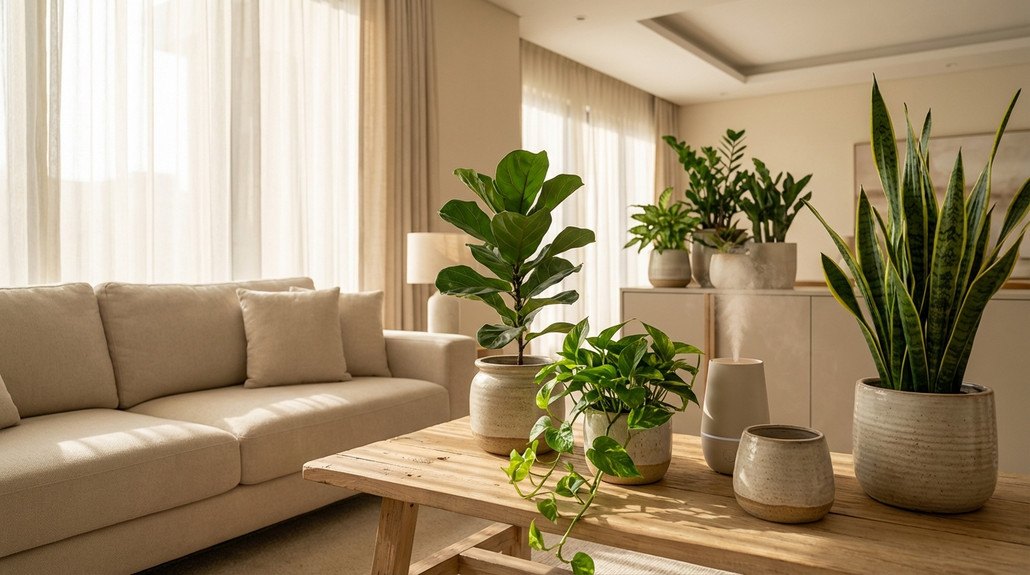
Air conditioning units are excellent at cooling air, but they do so by removing moisture. This creates an arid environment that is hostile to the majority of popular houseplants, which are native to humid, tropical regions. You will notice the effects as brown, crispy leaf tips or edges. To combat this, you must actively increase the humidity around your plants. Grouping your plants together is a simple and effective strategy; as they transpire, they collectively raise the moisture level in their immediate vicinity. Another method is using a pebble tray. Place a layer of pebbles in the plant's saucer, add water until it is just below the top of the pebbles, and set the pot on top. The evaporating water provides a steady stream of humidity without waterlogging the soil. For particularly sensitive plants, a small room humidifier is the most effective solution. While misting provides a temporary boost, it is not a long-term fix and must be done frequently to have any real impact. Certain species are naturally better equipped to handle higher humidity, making them excellent choices for rooms like bathrooms, which often have more ambient moisture. A collection of humidity-loving plants can thrive in these specific environments with less intervention.
Protecting Against Drafts and Temperature Shock
Plants dislike sudden changes in temperature and direct airflow. Placing a plant directly under or in the path of an AC vent is one of the quickest ways to cause it distress. The constant blast of cold, dry air will dehydrate leaves, leading to curling, browning, and leaf drop. Before placing your plants, take a moment to identify the airflow patterns in each room. Ensure your plants are situated in a spot with stable temperatures, away from the direct line of the AC. This also applies to external doors that are opened frequently, which can introduce blasts of intense heat. Consistency is key. Plants acclimate to their surroundings, and rapid fluctuations are a significant source of stress. The ideal indoor temperature range for most houseplants is between 18°C and 24°C, a range typically maintained by home AC systems. The primary concern is not the temperature itself, but the direct drafts and the dryness that accompanies the cooling process.
Adjusting Fertilizer and Nutrition
During the intense heat of the summer, many indoor plants enter a period of slower growth or even dormancy as a self-preservation mechanism. They are conserving energy to cope with environmental stress, not actively producing new foliage. Feeding them with fertilizer during this time can do more harm than good. The unused mineral salts accumulate in the soil, which can burn the roots and cause further damage. A general rule is to reduce fertilization frequency by at least half during the peak summer months. If you typically fertilize every two weeks, switch to once a month or even every six weeks. Always dilute the fertilizer to half the recommended strength to avoid overwhelming the plant. Observe your plants for signs of active growth, such as new leaves or stems. If a plant is actively growing, it can benefit from feeding. If it shows no new growth, withhold fertilizer until the most extreme heat subsides and you see signs of it becoming active again. You can find a range of appropriate soil and fertilizer products designed for houseplants, but their application must be timed correctly for our climate.
A Summer Maintenance Routine
Consistency is the most critical element of successful indoor plant care. Rather than performing intensive tasks, focus on a simple, repeatable routine to monitor your plants' health.
- Weekly Check: Dedicate one day a week to inspect your plants. Check soil moisture levels two inches deep. Dust the leaves with a soft, damp cloth; dust buildup can block light and harbor pests. Inspect the undersides of leaves and stems for any signs of pests like spider mites or mealybugs, which thrive in dry conditions. Rotate each plant by a quarter turn.
- Monthly Tasks: Once a month, assess if any plants require pruning. Trim away any yellowing or dead leaves with clean, sharp scissors. This directs the plant's energy toward healthy growth. This is also the time to apply a diluted, balanced fertilizer, but only if the plant is showing signs of active growth. Avoid repotting during the peak of summer, as it adds significant stress to the plant. Wait until the cooler months in autumn.
Frequently Asked Questions
Why are the tips of my plant's leaves turning brown and crispy?
This is a classic sign of low humidity, the most common environmental issue for indoor plants in the UAE. The constant operation of air conditioners removes moisture from the air, causing the delicate cells at the leaf tips to dry out and die. To fix this, group plants together, use a pebble tray with water, or place a small humidifier nearby. It is not typically a sign of a watering problem but an issue with the air itself.
Should I water my plants more often during the hot summer?
No, this is a common misconception that leads to root rot. While outdoor temperatures are high, your indoor, air-conditioned environment is cool. This coolness slows down your plant's water consumption. The dry air from the AC may dry the top layer of soil quickly, but the root system below often remains moist. Always check the soil moisture a few inches down before watering, rather than relying on a fixed schedule.
Is it safe to repot my plants in the middle of a UAE summer?
It is best to avoid repotting during the hottest months (June to August). Repotting is a stressful event for any plant as it involves disturbing the root system. During summer, plants are already under stress from the indoor climate conditions. Adding the shock of repotting can be too much for them to handle. The ideal time to repot is during the more temperate months of spring or autumn when the plant is in a more active growth phase and can recover more easily.