


How to Care for Indoor Plants During Extreme Summer Heat in UAE Homes
Posted by Mozher Experts on 22.02.26
Understanding the Indoor Climate Challenge in the UAE
Keeping indoor plants healthy in the UAE presents a unique set of challenges not found in more temperate climates. The primary issue is the constant battle between the extreme outdoor heat and the cold, dry air produced by indoor air conditioning. Many plant owners assume the heat is the main threat, leading them to overwater. However, the real stressor for most indoor plants is the drastically low humidity and constant airflow from AC units. This environment rapidly dries out the foliage and the very top layer of soil, creating a deceptive signal of thirst. The core of the soil, however, can remain saturated for long periods. This disparity leads to the most common failure point: root rot from excessive watering, even when the plant's leaves look thirsty. Understanding this dynamic is the first step toward successful plant care. It requires shifting your focus from a rigid schedule to observing the plant and its environment. The goal is not just to provide water, but to maintain a consistent moisture level in the root zone without creating a waterlogged, oxygen-deprived environment that will ultimately kill the plant.
The Dangers of a Fixed Watering Schedule
The most common advice given to new plant owners is to water on a fixed schedule, such as "once a week." In the UAE's indoor environment, this is unreliable and often harmful. The water needs of a plant change dramatically based on several factors that fluctuate daily. The intensity of the AC, the amount of indirect sunlight the plant receives, the size and material of its pot, and even the time of year all affect how quickly the soil dries out. A plant near a sunny window will use water much faster than one in a dimly lit corner. A small terracotta pot dries out quicker than a large glazed ceramic one. Following a rigid schedule ignores these variables and treats the plant like an inanimate object rather than a living organism. Instead of relying on the calendar, the correct approach is to check the soil moisture directly. This is a fundamental shift in mindset from "it's Tuesday, time to water" to "let me check if this plant actually needs water today." This observational method prevents both overwatering and underwatering, allowing you to respond to your plant's real-time needs. It builds a better understanding of your specific indoor ecosystem.
How to Check Soil Moisture Correctly
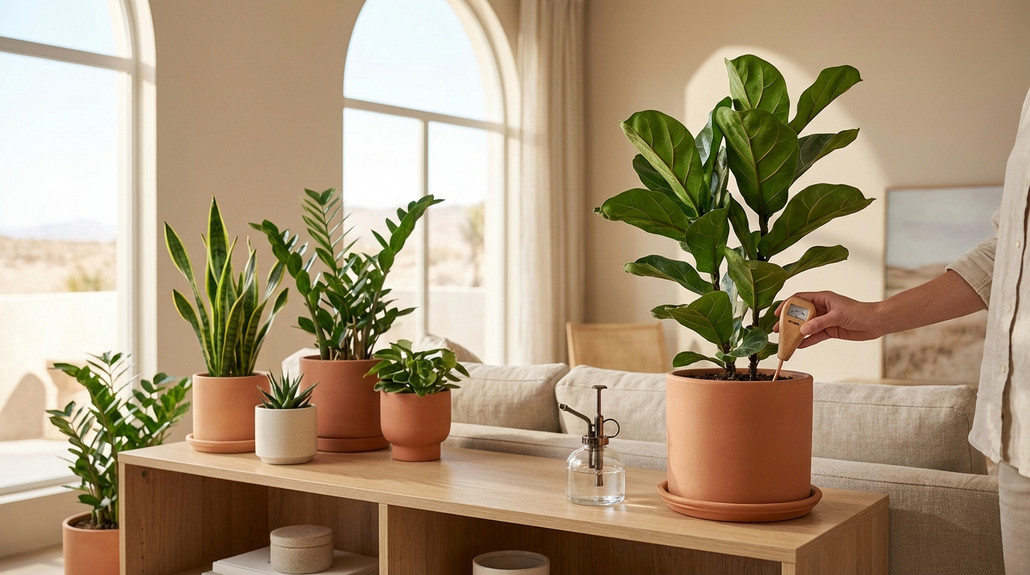
There are several reliable methods to determine if it is time to water your plants. The most straightforward technique is the finger test. Insert your index finger into the soil up to the second knuckle, which is about two inches deep. If the soil feels dry at that depth, it is likely time to water for most common houseplants. If you feel any moisture or coolness, it is best to wait and check again in a day or two. This method prevents watering when only the top surface is dry. For larger pots or for those who want more precision, using a reliable moisture meter is an excellent option. These tools have a probe that you insert deep into the pot to get an accurate reading of the moisture level near the roots. Another physical indicator is the weight of the pot. A pot with dry soil will feel significantly lighter than one with moist soil. Lift the pot before and after watering to familiarise yourself with the weight difference. Over time, you will be able to gauge the plant's water needs simply by lifting it. These methods provide direct feedback from the plant's environment, removing the guesswork associated with a fixed schedule.
Proper Watering Technique for Deep Root Hydration
When you have determined that your plant needs water, the technique you use is crucial. Avoid giving small, frequent sips of water. This practice only moistens the top layer of soil, encouraging a shallow root system and leaving the deeper roots dry. The correct method is to water thoroughly and deeply until water begins to run out of the drainage holes at the bottom of the pot. This ensures that the entire root ball has access to moisture. Take the plant to a sink or place it on a saucer to catch the excess water. Slowly pour room-temperature water over the entire soil surface, allowing it to soak in. Continue until the pot is saturated and you see water draining freely. After about 15-20 minutes, discard any water that has collected in the saucer. Allowing the pot to sit in standing water is one of the fastest ways to cause root rot. This deep-and-thorough watering method mimics natural rainfall and encourages strong, healthy root growth throughout the entire pot.
The Critical Role of Drainage and Pot Selection
Effective watering is impossible without proper drainage. Without a way for excess water to escape, the soil becomes a swamp, depriving the roots of oxygen and leading to decay. Every pot must have at least one drainage hole at the bottom. If you have a decorative pot without holes, use it as a cachepot. Keep your plant in its plastic nursery pot (which has drainage) and place it inside the decorative one. When you water, remove the inner pot, water it in a sink, let it drain completely, and then return it to the cachepot. The choice of pot material also influences watering frequency. Terracotta and other unglazed clay pots are porous and allow moisture to evaporate through their walls, causing the soil to dry out faster. This can be beneficial for plants prone to root rot, like succulents. Glazed ceramic and plastic well-draining pots are non-porous and retain moisture for longer, meaning they require less frequent watering. Selecting the right pot is a foundational part of creating a healthy environment for your indoor plants.
Managing Humidity in an Air-Conditioned Home
While watering addresses soil moisture, the dry air from AC units requires attention to ambient humidity. Many popular tropical plants suffer when humidity levels drop too low, resulting in brown, crispy leaf tips and edges. While misting is often suggested, its effects are very temporary and can sometimes encourage fungal issues if done improperly. A more effective solution is to group plants together. As plants transpire, they release moisture into the air, creating a small microclimate with slightly higher humidity. Placing a tray of water with pebbles near your plants is another passive method; as the water evaporates, it will increase humidity in the immediate vicinity. For particularly sensitive species, such as Calatheas or Ferns, using a small electric humidifier is the most reliable way to provide the consistent moisture they need to thrive. You can also strategically place plants that thrive in higher humidity in naturally steamier rooms like bathrooms or kitchens, provided they have adequate light.
Establishing a Sustainable Plant Care Routine
Creating a routine is not about watering on a schedule, but about checking on your plants regularly. Dedicate one or two days a week to inspect all your plants. During this check-in, perform the soil moisture tests described earlier. Look for signs of stress, such as yellowing leaves, drooping, or pests. Dust the leaves with a soft, damp cloth. Dust accumulation on leaves can block light and hinder the plant's ability to photosynthesise effectively, especially in a dusty climate. This regular inspection will take only a few minutes per plant but will allow you to catch potential problems early. It turns plant care from a chore into a mindful practice, connecting you with the subtle changes in your indoor environment. Consistency in observation is the key to raising thriving indoor plants in the challenging conditions of the UAE. For more detailed advice tailored to specific species, our comprehensive plant care guides provide in-depth information. We also offer a wide selection of indoor plants that have been carefully selected for their ability to adapt to local indoor conditions.
What are the signs of overwatering?
Overwatering signs can be deceptive because they often look like signs of underwatering. Common indicators include yellowing leaves (especially lower ones), soft or mushy stems near the soil line, leaf drop, and a general lack of new growth. The soil may also have a sour or musty smell due to root rot. If the plant is wilting despite the soil being wet to the touch, it is a strong sign that the roots are damaged and can no longer absorb water.
Is it better to use tap water or filtered water?
In many parts of the UAE, tap water is desalinated and can be high in salts or chlorine, which can build up in the soil over time and harm sensitive plants. While many hardy plants will tolerate tap water, it is best practice to let it sit out uncovered for at least 24 hours before use. This allows some of the chlorine to dissipate. For more sensitive plants like Calatheas or carnivorous plants, using filtered or distilled water is a safer option to prevent mineral buildup and leaf burn.
How does light affect my watering frequency?
Light is the engine for a plant's growth and water usage. A plant in a bright, sunny spot is photosynthesising more actively and will use water much more quickly than a plant in a low-light area. A plant in a south-facing window may need water twice as often as the same plant in a north-facing room. This is why checking the soil is essential, as a single watering schedule cannot account for the diverse light conditions within a single home.