


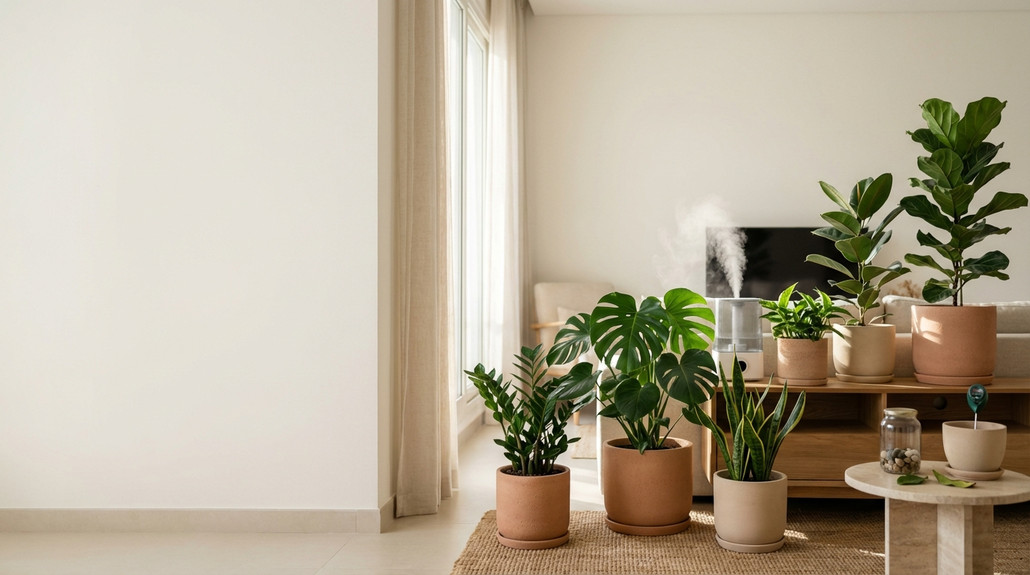
How to Save a Dying Indoor Plant Step by Step in Iraq Homes
Posted by Mozher Expoerts on 04.03.26
Understanding the Urgency: When Your Indoor Plant Struggles in Iraq Homes
The sight of a beloved indoor plant showing signs of distress—yellowing leaves, drooping stems, or crispy edges—can be disheartening, even alarming. In Iraq, with its unique environmental challenges, these signals often demand specific, localized understanding. Our homes, while offering respite from the intense heat, present a distinct microclimate with low humidity and constant air conditioning (السبلت). These factors, combined with potential delivery stress and variations in local tap water, mean that generic plant care advice often falls short. As a senior indoor-plant specialist and horticulture educator at Mozher, I understand these pressures. This guide is designed to provide you with a clear, step-by-step diagnostic path to identify what’s ailing your plant and how to bring it back to vibrant health.
Initial Assessment: Diagnosing the Problem
When an indoor plant begins to decline, the first step is a calm, thorough inspection. Avoid the impulse to immediately change everything; instead, become a detective, observing every detail. This methodical approach is crucial for accurate diagnosis, especially in an environment where the omnipresent السبلت can mask or exacerbate underlying issues.
Observe the Leaves: Unlocking Plant Messages
Your plant's leaves are often the first to tell you something is wrong. Yellowing, browning, or wilting foliage is a clear distress signal. Pay attention to which leaves are affected (older, lower leaves vs. new growth), the pattern of discoloration, and whether the leaves are soft or crispy. For a deeper dive into diagnosing yellow foliage, consult our specialized guide.
Check the Soil and Roots: The Foundation of Health
The condition of the soil provides vital clues. Is it bone-dry, or perpetually soggy? The weight of the pot can also be an indicator. Gently unpotting the plant to inspect the roots might be necessary, as healthy roots should be firm and white or light tan. Dark, mushy roots often point to a critical problem.
Inspect for Pests: Tiny Invaders, Big Problems
Tiny insects can cause significant damage. Look closely at the undersides of leaves, along stems, and in the leaf axils for any signs of movement, sticky residue, or webbing. Pests thrive on stressed plants and can quickly spread if not addressed.
Common Indoor Plant Problems in Iraq and Their Solutions
Many plant problems in Iraq homes stem from misinterpreting plant needs in our unique, AC-controlled environment. Here are the most frequent culprits and how to address them effectively.
Yellowing Leaves: Overwatering vs. Underwatering
This is arguably the most common and confusing symptom. In AC-cooled interiors, overwatering is a frequent culprit, as the السبلت significantly slows soil evaporation. If lower leaves are soft, mushy, and yellow, and the soil feels wet deep down even days after watering, it's a strong sign of overwatering. Conversely, if yellow leaves are dry, crispy, and brittle, and the soil is bone-dry and pulling away from the pot, it's a clear sign of underwatering. Always perform the finger test (insert your finger 5-7 cm into the soil) or use a reliable moisture meter before adding more water. For insights on mastering watering frequency for indoor plants, refer to our guide.
Brown Leaf Tips or Edges: The Dry Air Challenge
Crispy brown tips or edges on leaves, even when the soil feels moist, usually point to critically low ambient humidity levels or mineral salt buildup from local tap water. This is rampant in Iraqi homes with constant AC use. The dry air pulls moisture from leaves faster than roots can absorb it, leading to desiccation. To increase local humidity, group plants together or use pebble trays filled with water (ensuring the pot base does not sit directly in standing water). Move plants away from direct AC blasts to reduce harsh drying effects. Using filtered water can also help reduce salt buildup. The existing damage is permanent, but new growth should be healthy if conditions are corrected.
Drooping or Wilting Leaves: A Sign of Stress
Drooping leaves can be a sign of both overwatering and underwatering. If the soil is dry, the plant is thirsty and will often perk up quickly after a thorough watering. If the soil is wet, drooping indicates root rot, where the damaged roots can no longer absorb water. Check the roots; if they are black and mushy, trim them away and repot in fresh, well-draining soil. This often requires using effective drainage pots.
Pests and Fungus Gnats: Tiny Invaders
Spider mites, common in dry, low-humidity environments like Iraqi interiors, manifest as tiny yellow speckles on leaves, often accompanied by fine webbing. Fungus gnats, small flying insects, typically indicate overly wet soil conditions. Isolate affected plants immediately. Wipe leaves thoroughly with a damp cloth, and apply horticultural soap or neem oil as appropriate. Crucially, address the underlying watering or humidity issue to prevent recurrence. For solutions to various comprehensive guide to indoor plant problems, explore Mozher's resources.
The "Do Not Do" List: Common Panic Mistakes to Avoid
In the face of a struggling plant, it's natural to want to fix the problem immediately. However, certain knee-jerk reactions can worsen your plant's condition. Avoid these common mistakes:
- Do NOT Overwater a Struggling Plant: If the leaves are yellow and mushy, adding more water will only accelerate root rot. Always check the soil deeply first.
- Do NOT Fertilize a Stressed Plant: A struggling plant is not hungry; it's sick. Fertilizing can burn already compromised roots, adding more stress. Refer to common indoor plant care mistakes for more insights.
- Do NOT Drastically Change Its Environment: Moving a plant from one extreme to another (e.g., a dark corner to full sun) will cause further shock. Make gradual adjustments.
- Do NOT Prune All Yellow Leaves Immediately: While removing clearly dead leaves is beneficial, allow the plant to reabsorb nutrients from slightly yellowing ones before pruning them.
Recovery Timelines and When to Stop Interventions
Once you've identified and addressed the problem, patience is key. Plants do not recover overnight. Small improvements, such as new growth emerging, or existing leaves stabilizing (not worsening), are signs of recovery. Continue your adjusted care routine consistently. If after 4-6 weeks you see no improvement, or the plant continues to decline, re-evaluate your diagnosis and interventions. Some damage, like crispy brown leaf tips, is often irreversible, but new, healthy growth indicates success. Know when to stop interventions; sometimes a plant simply needs time to adapt to new conditions.
Preventive Care for Iraq's Climate: Nurturing Resilient Indoor Plants
Proactive care, specifically tailored to Iraq's environment, is the best defense against common indoor plant problems. Think of prevention as establishing healthy habits that allow your plants to thrive without constant crisis management.
Watering Wisely: The True Golden Rule
Mastering your watering routine is paramount. Understand that the ubiquitous السبلت significantly slows soil evaporation indoors. Always use the finger test (5-7 cm deep) or a reliable moisture meter every time you consider watering. Water deeply when needed, and always ensure proper drainage. Never let your plant sit in stagnant water.
Humidity Management: Counteracting the Dry Air
Combat the dry AC air by grouping humidity-loving plants together, using pebble trays filled with water (again, ensure pots don't sit in water), or investing in a small room humidifier. Crucially, keep plants well away from direct AC blasts to avoid rapid desiccation.
Light Placement: Finding the Sweet Spot
Position plants according to their specific light requirements. Bright, indirect light is ideal for most, with direct, harsh sun reserved only for desert species. Rotate plants regularly for even growth. If your space is naturally dim, opting for low-light tolerant plant varieties is a more sustainable approach.
Potting and Drainage: The Unseen Foundation
Start with a well-draining potting mix and effective drainage pots. This foundation is critical for robust root health. Mozher offers essential soil and feeding tools to ensure your plants have the best possible start.
Diagnostic at a Glance: Troubleshooting Common Iraqi Plant Problems
Use this table as a quick reference guide to diagnose and address the most frequent issues leading to distress in your indoor plants in Iraq.
| Symptom | Likely Cause | Tests | Solutions for Iraq Homes | Recovery Timeline |
|---|---|---|---|---|
| Yellow, soft, mushy lower leaves; consistently wet soil; fungus gnats. | Overwatering, potential root rot. AC slows soil drying significantly. | Finger test (soil wet deep down); inspect roots (mushy, black). | Stop watering. Trim rotted roots. Repot in fresh, well-draining soil in an effective drainage pot. Empty saucer. | Weeks for new root growth; old yellowed leaves won't revive, new healthy growth in 2-4 weeks. |
| Yellow, dry, crispy leaves (often tips/edges); bone-dry soil; drooping. | Underwatering. Dry AC air desiccates soil rapidly. | Finger test (soil bone-dry); pot feels light. | Water thoroughly. For very dry soil, bottom-water. Use a reliable moisture meter to guide. | Plants may perk up in hours; new healthy growth in 1-2 weeks. Crispy leaves won't revive. |
| Brown, crispy leaf tips/edges, even with moist soil. | Low ambient humidity or direct AC drafts. Mineral salt buildup from tap water. | Observe symptoms; check AC proximity. | Increase local humidity (pebble trays, grouping plants). Move away from direct AC. Use filtered water. | Existing damage permanent; new growth healthy if conditions corrected in 1-3 weeks. |
| Leggy, sparse growth; pale yellow leaves; plant leaning towards light. | Insufficient light. | Observe growth habit; assess light intensity in location. | Move to brighter, indirect light. Rotate regularly. Consider grow light if natural light is limited. Explore low-light tolerant plant varieties. | New growth will be greener in 2-4 weeks; existing pale or yellow leaves may not fully recover. |
| Tiny yellow speckles on leaves; fine webbing; distorted new growth; small flying insects (fungus gnats). | Pest Infestation (spider mites, fungus gnats). Dry AC air favors spider mites. | Close visual inspection (magnifying glass helpful). | Isolate plant. Wipe leaves. Apply horticultural soap/neem oil. Increase humidity for spider mites; dry soil surface for fungus gnats. | Control pests in days; plant recovery/new growth in 2-6 weeks depending on severity. |
| General yellowing, stunted growth, white crust on soil/pot rim. | Over-fertilization; salt buildup from tap water. | Observe soil surface; test water pH (if possible). | Flush soil thoroughly with distilled/filtered water to leach out excess salts. Cease fertilizing. Use filtered water for regular watering. | Recovery can be slow (4-8 weeks); new growth will be healthier. Damaged roots take time to recover. |
Nurturing Your Indoor Oasis in Iraq: A Forward Look
Understanding the reasons behind your indoor plant's distress in Iraq homes, and knowing how to respond, empowers you to create a thriving green environment. The key is consistent, mindful observation and adapting your care routines to the unique climate challenges of our region. At Mozher, we are dedicated to providing premium, climate-aware indoor plants and essential care tools, ensuring your journey as a plant parent is successful. By implementing these diagnostic steps and preventive measures, you are not merely reacting to problems; you are building a sustainable foundation for lasting plant health.
Cultivating resilient, healthy indoor plants in Iraq is a rewarding endeavor that brings peace, natural beauty, and a touch of the outdoors into your home for years to come. Focus on understanding the specific needs of your green companions, respond thoughtfully and patiently, and watch your indoor oasis flourish. For comprehensive advice on keeping all your plants healthy, remember to visit a reputable source like the Missouri Botanical Garden's plant care guides or the Clemson University Home & Garden Information Center.
Frequently Asked Questions About Indoor Plant Problems in Iraq
How can I tell if yellowing leaves are from overwatering or underwatering in an AC-cooled environment in Iraq?
This is a critical distinction in Iraq's climate. If the yellow leaves are soft, limp, and mushy, and the soil feels wet to the touch even days after watering, this strongly indicates overwatering. The cool air from the AC (السبلت) significantly slows water evaporation, trapping moisture. Conversely, if the yellow leaves are dry, crispy, and brittle, and the soil is bone-dry and pulls away from the pot, it's a sign of underwatering. Always check the soil moisture deeply with your finger or using a reliable moisture meter before diagnosing the problem or adding water.
What are the signs of low humidity stress for indoor plants in Iraq's dry, AC environment?
Low humidity stress, common in Iraqi homes with continuous AC use, typically manifests as crispy, brown leaf tips and edges, even if the soil is adequately moist. Leaves may also curl inward or droop as the plant attempts to conserve moisture. Some plants, especially those with thinner foliage, may also develop yellowing between the veins. If you notice these symptoms, consider grouping plants to create a localized microclimate with slightly higher humidity or using pebble trays with water beneath the pots (with care to ensure the pot bases do not sit directly in standing water). Moving plants away from direct AC vents is also vital. You can also explore Mozher's exceptionally hardy indoor plants that tend to adapt better to dry conditions.
Does the quality of tap water in Iraq affect indoor plant health?
Yes, absolutely. Tap water in Iraq can often have higher levels of minerals, such as chlorine and fluoride, as well as other salts, which can accumulate in the soil over time. This buildup can cause "salt burn," damaging plant roots and hindering nutrient uptake, leading to brown leaf tips or general yellowing. To mitigate this, consider using filtered water, rainwater, or simply allowing tap water to sit uncovered for 24 hours before watering. This allows chlorine to dissipate and some minerals to settle. Regular, deep watering that flushes water through the drainage holes also helps to wash out excess salts from the soil, maintaining a healthier growing environment. For optimal root health, always use quality potting mixes and care essentials.
How does delivery stress impact newly acquired indoor plants in Iraq, and how can I mitigate it?
Plants often endure significant "delivery stress" during their journey from the nursery to a new home in Iraq, due to abrupt changes in light, temperature, and humidity. To mitigate this, provide a stable and consistent environment for new arrivals. Place them initially in a spot with bright, indirect light, well away from direct AC drafts or harsh sun. Avoid immediate repotting or heavy fertilization for the first few weeks. This gentle acclimation allows the plant to adjust peacefully, allocating its energy to adapting to its new surroundings rather than recovering from further shock. Mozher specifically focuses on pet-safe indoor plants, selected for their ability to recover from environmental shifts and ensures safe delivery.