


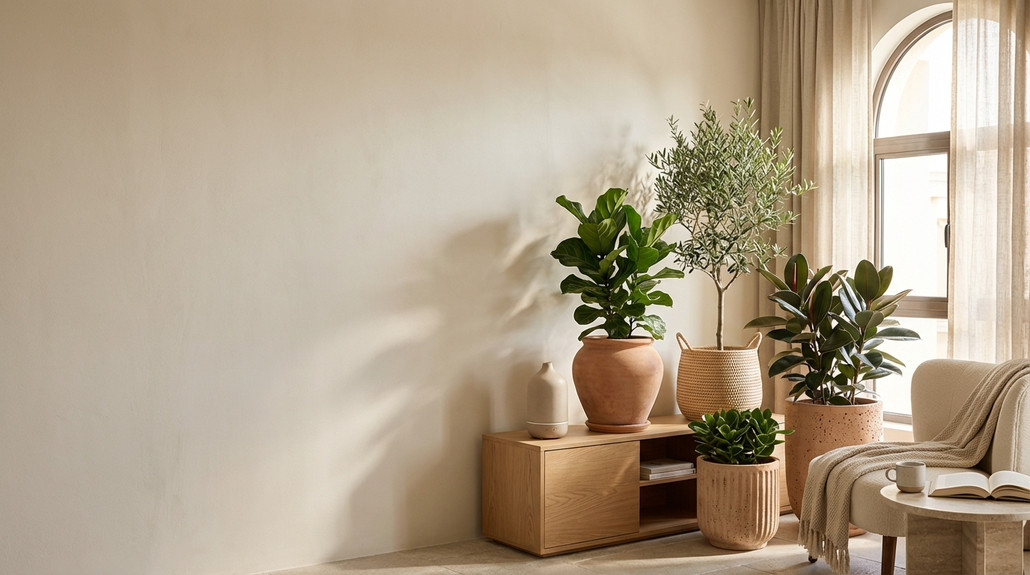
How to Save a Dying Indoor Plant Step by Step in Saudi Arabia Homes
Posted by Mozher Expoerts on 13.03.26
The sight of a struggling indoor plant can trigger a distinct sense of alarm for any enthusiast. Those vibrant green leaves, once a source of life and beauty, may begin to droop, yellow, or crisp at the edges, signaling distress. In the unique climate of Saudi Arabian homes, where extreme external heat meets constant air conditioning (often referred to as 'Al-Sablat'), these familiar plant problems take on specific nuances. While it’s tempting to panic and attempt every quick fix, a calm, methodical approach is key to diagnosing the underlying issue and guiding your plant back to health. This guide will help you understand what's truly ailing your green companion and provide actionable steps to revive it, tailored to the realities of our local environment. Remember, even the most seasoned plant keepers encounter challenges, and with the right understanding, many struggling plants can make a remarkable recovery.
The Saudi Climate Reality: Navigating Heat, AC, and Dust
Life in Saudi Arabia presents a distinctive set of environmental conditions that profoundly impact the health of indoor plants. Outside, the summer heat can be relentless, often exceeding 45°C, creating an arid, dust-filled atmosphere. Indoors, our essential AC units (Al-Sablat) provide a much-needed escape from the heat, but they simultaneously create an exceptionally cool, yet profoundly dry, microclimate. This stark contrast between external and internal environments, coupled with the pervasive fine dust, poses significant challenges for most tropical indoor plant species. Many passionate plant owners, despite their best intentions, find their green companions struggling with crispy leaf edges, stunted development, or a general lack of vigor that seems to defy conventional plant care advice. This scenario rarely stems from a lack of genuine care; instead, it frequently arises from a fundamental misunderstanding of how our distinct local environment truly shapes a plant’s physiological demands. Generic plant advice, typically crafted for more temperate, humid regions, simply won’t suffice here. Understanding these regional factors is the first step toward successful plant recovery and long-term vitality.
Decoding Distress Signals: Your Plant's Urgent Messages
When an indoor plant shows signs of distress, it's communicating its needs. Learning to interpret these visual cues accurately is the first crucial step toward recovery. Pay close attention to the pattern and location of discoloration, as these details are vital clues in understanding what your plant is trying to tell you, especially when considering the particular conditions of a Saudi Arabian indoor environment. For a more comprehensive understanding of these challenges and common solutions, explore Mozher's complete guide to indoor plant problems.
Yellow Leaves: A Multifaceted Cry for Help
Yellowing leaves are perhaps the most common indicator of plant stress, but their meaning varies greatly depending on the pattern. Uniform yellowing, especially on older, lower leaves, can often point to a nutrient deficiency, as the plant reallocates mobile nutrients to new growth. However, in AC-heavy Saudi homes, it frequently signals overwatering, as the roots struggle to breathe in saturated soil. The constant cool, dry air from the AC unit slows down evaporation from the soil surface, leading to deceptively dry topsoil while the root ball remains saturated. If new leaves are yellowing with green veins, it might indicate a micronutrient deficiency, often linked to pH imbalances in the soil or mineral buildup from local tap water. To truly understand what's happening, observe closely: are the leaves soft and mushy, indicating too much moisture, or crispy and dry, which could be a sign of underwatering? These simple observations are key to proper diagnosis. You can find specific treatments for yellowing foliage in our dedicated article: Why Indoor Plant Leaves Turn Yellow and What to Do in Saudi Arabia Homes.
Brown Tips and Crispy Edges: The Signature of Dryness
Crispy brown tips or edges on leaves, while the rest of the foliage remains green, are a classic symptom of low humidity. The constant operation of AC units in Saudi homes aggressively strips moisture from the air, creating an exceptionally dry atmosphere that tropical indoor plants are not accustomed to. This leads to the plant losing moisture from its leaves faster than its roots can supply it, a phenomenon often referred to as "dry air effect" or "jafaf Al Jaw." This symptom can also indicate salt buildup in the soil from tap water, which burns the leaf margins and leads to unsightly browning. This problem is very common in our region and demands careful adjustment of the plant’s immediate environment, moving beyond generic advice to address the relentless dry indoor conditions directly.
Drooping or Wilting: Thirst or Something More Insidious?
When a plant droops or wilts, the first thought is usually thirst. While underwatering is indeed a common culprit – typically indicated by a lightweight pot and bone-dry soil – persistent drooping with consistently moist or wet soil points to a more insidious problem: overwatering and potential root rot. Root rot severely compromises the plant's ability to absorb water efficiently, even if water is abundant in the soil, leading to symptoms that are deceptively similar to severe thirst. To accurately differentiate, always pay close attention to the soil's condition and the leaf texture. A deep finger test into the soil is crucial to understand the true moisture level beneath the surface and avoid misdiagnosis. If the pot feels heavy and the soil is wet, it’s likely not simply thirsty, but rather suffering from excessive moisture.
Mushy Stems and Foul Odor: The Root Rot Alarm
If your plant exhibits mushy, discolored stems, often near the soil line, or if the soil itself emits a foul, musty odor, you are very likely dealing with root rot. This severe condition occurs when roots are deprived of oxygen due to overwatering or extremely poor drainage. The roots begin to decay, turning soft, brown, or black, and can no longer transport water and nutrients to the plant. This is a critical situation requiring immediate intervention. In AC-controlled environments, where soil dries out more slowly, root rot is a common outcome of excessive watering, making it vital to monitor soil conditions diligently and act swiftly upon any suspicious signs. Using pots with excellent drainage is a fundamental preventive measure against this issue.
Unwanted Guests: Pests and Diseases
Tiny holes, sticky residue, fine webbing, or visible insects on your plant are clear signs of a pest infestation. Common indoor plant pests like spider mites (thriving in dry AC environments), mealybugs, and fungus gnats (indicating persistently wet topsoil) can cause a range of symptoms, including yellowing, distorted growth, or stunted development. Diseases, though less common for indoor plants compared to pests, can also cause discoloration or necrotic patches. Regular, thorough inspection of the undersides of leaves and along stems is vital for early detection, as these issues can escalate quickly, especially if conditions are already suboptimal due to improper watering or light.
The Diagnostic Process: Pinpointing the Problem Accurately
Before you can effectively save a struggling plant, you must accurately diagnose the underlying issue. A systematic approach helps rule out possibilities and leads to the most effective solution. Avoid the common panic mistake of trying every fix at once, as this can often cause more harm than good. Each plant tells a story through its symptoms; our role is to listen and interpret its unique narrative in the context of a Saudi Arabian home.
Rethinking Watering Habits in an AC-Driven Environment
The most frequent cause of indoor plant problems in Saudi Arabia is incorrect watering, often overwatering due to the misleadingly dry topsoil in AC-cooled environments. The cool, dehumidified air from the AC (Al-Sablat) significantly slows down the drying rate of the potting mix, especially deeper in the pot. This creates an environment unlike many others, where the surface might feel dry while the root zone is saturated. Well-meaning owners, observing a dry surface, are often deceived into watering again prematurely, inadvertently suffocating the roots.
The Evaporation Paradox: Why Soil Stays Wet Deeply
In Saudi Arabia's arid external climate, one might intuitively assume plants need constant watering due to the high heat. However, inside AC-controlled homes, the evaporation rate from the potting mix is dramatically slower. This creates a critical paradox: while the ambient air is exceptionally dry, the soil itself can remain saturated for extended periods, particularly if the potting mix is dense or compacted. This constant wetness deprives roots of essential oxygen. When the vital air pockets in the soil are filled with stagnant water, the roots literally suffocate, leading to decay and eventual root rot. Understanding this evaporation paradox is fundamental to proper hydration for your indoor plants in Saudi Arabia.
The Deep Finger Test and Reliable Moisture Meters: Your Practical Guide
To confidently navigate the complexities of watering your indoor plants during the intense Saudi summers, adopt this golden rule: always check the soil deeply before reaching for your watering can. Forget rigid schedules; they are often misleading in our climate-controlled environments. Gently insert your finger about 5-7 centimeters (2-3 inches) deep into the potting mix. This tactile check provides a far more accurate assessment than merely observing the surface, which can dry out deceptively quickly in our arid, air-conditioned homes. Only apply water if the soil at that depth feels entirely dry, powdery, or crumbling. If there’s any lingering coolness or dampness, even slight, exercise patience and wait a few more days before rechecking. This manual check is more reliable than any calendar, as it accounts for the fluctuating drying rates influenced by your home's unique AC usage and specific light conditions. For even greater accuracy, especially with larger planters where a finger test might not reach deep enough, a reliable moisture meter is an invaluable tool. It provides an objective reading deep within the root zone, eliminating guesswork and instilling confidence in your watering decisions, which is crucial for overall root health.
Evaluating Light Exposure in Saudi Interiors
Light is the fuel for your plant's growth, driving the essential process of photosynthesis. Too much direct, harsh Saudi sun can easily scorch delicate leaves, leading to bleached or brown crispy spots, especially on new growth. This is particularly true for plants placed directly in south or west-facing windows without any diffusion. Conversely, insufficient light causes plants to become "leggy" with pale, smaller leaves as they stretch desperately towards any available light source. Observe your plant's location: does it receive bright, indirect light, mimicking its natural understory environment, or is it subjected to intense, unfiltered afternoon sun? Many tropical indoor plants thrive in diffused light, and understanding your home's light patterns throughout the day is critical. Rotate your plants regularly to ensure even light exposure and prevent lopsided growth. If your space is inherently dim, exploring low-light tolerant plants from Mozher can be a game-changer.
Assessing Humidity and Airflow: Counteracting the AC's Grip
The constant dehumidification by AC units in Saudi Arabia creates an unnaturally dry indoor climate. Most tropical plants prefer humidity levels between 40-60%, a far cry from the often sub-30% levels found in air-conditioned rooms. Low humidity manifests as crispy brown tips and edges on leaves, even if watering is appropriate. Consider also airflow: stagnant air can encourage fungal issues and pests, while cold, direct drafts from AC vents can severely dehydrate leaves. Aim for gentle air circulation without harsh drafts. Grouping plants, using pebble trays, or a small room humidifier can help combat this pervasive dryness, which is particularly important for ensuring long-term health. Moving plants away from direct AC vents is a simple yet effective strategy to mitigate dehydration. For more resilient choices in dry conditions, Mozher curates exceptionally hardy indoor plants.
Inspecting for Pests and Diseases
Use a magnifying glass and thoroughly inspect your plant's leaves (especially the undersides), stems, and soil surface for any signs of tiny insects, sticky residue, fine webbing, or unusual spots. Early detection of pests like spider mites, mealybugs, and fungus gnats is crucial, as they can quickly spread and weaken an already stressed plant. Fungus gnats, in particular, often indicate persistently wet topsoil, a byproduct of overwatering in AC-heavy homes. Diseases, though less common for indoor plants compared to pests, can also cause discoloration or necrotic patches. Regular, thorough inspection is vital, as these issues can escalate quickly in indoor environments, especially if conditions are already suboptimal due to improper watering or light.
Nutrient Balance and Soil Health: The Unseen Foundation
Over time, potting soil naturally loses its nutrients, and its pH can shift, making remaining nutrients unavailable to the plant. Uniform yellowing of older leaves can indicate a nitrogen deficiency, while yellowing between the veins on new leaves might suggest a micronutrient deficiency, often linked to pH imbalances or mineral buildup from local tap water. Consider also the potting mix itself: is it dense and compacted, suffocating the roots? Is there a white crust on the soil surface, indicating salt buildup from tap water? Healthy, well-draining soil is crucial. Repotting into fresh, nutrient-rich soil every 1-2 years helps replenish nutrients and prevents compaction. Mozher offers quality potting mixes and care essentials designed for optimal plant nutrition and robust root health, specially formulated for our region’s challenges.
Strategic Interventions: Nurturing Your Plant Back to Health
Once you've accurately identified the problem, it's time to act. Remember to make one significant change at a time and diligently observe your plant's response. Patience is paramount; plant recovery is often a slow process, a journey of gradual improvement rather than an instant fix. Avoid the temptation to apply multiple solutions simultaneously, as this can often lead to conflicting signals for the plant and potentially worsen its condition.
Correcting Watering Missteps for Recovery
If overwatering is the issue, stop watering immediately. Allow the top 5-7 centimeters (2-3 inches) of soil to dry out completely. If the soil is severely waterlogged, emits a foul odor, or the plant shows signs of advanced root rot (mushy, black roots), it's best to carefully remove the plant from its pot. Gently inspect the roots, pruning away any soft, discolored, or decaying parts with sterilized shears. Then, repot into fresh, well-draining soil in a clean pot. Ensure you use well-draining plant pots to promote healthy aeration and prevent future waterlogging. For underwatered plants, water thoroughly until it drains from the bottom, then resume checking soil moisture regularly before watering again. Be realistic: leaves permanently damaged by extreme over or underwatering will not recover their former vigor or color and should be pruned to redirect energy towards new, healthy growth.
Adjusting Light for Optimal Plant Health
For plants receiving too much direct sun, relocate them a few feet away from the window or use sheer curtains to diffuse the intense light. Southern or western-facing windows in Saudi Arabia often provide light that is simply too harsh for many tropical indoor plants. For plants suffering from insufficient light, move them to a brighter spot, ideally an east-facing window, or consider supplementing with a grow light, especially in apartments with limited natural light. Rotate your plants weekly to ensure even light exposure and promote balanced growth. Observing the plant's response to light adjustments over a few weeks will help you fine-tune its placement for optimal conditions.
Boosting Indoor Humidity Effectively
To directly combat the AC's drying effect, implement strategies to increase localized humidity around your plants. Group humidity-loving plants together to create a small microclimate, as their combined transpiration raises ambient moisture. Place pebble trays filled with water (with the crucial caveat that the pot’s base must not sit directly in the standing water) near your plants; as the water evaporates, it gently humidifies the surrounding air. Most importantly, relocate plants away from direct blasts of cold, dry air from AC vents, which rapidly dehydrate foliage. Consider a small room humidifier if you have a significant collection or very sensitive species. While regular gentle misting provides temporary relief, it is often not a long-term solution to the pervasive dryness in Saudi homes.
Tackling Pests and Pathogens Safely
If pests are present, isolate the affected plant immediately to prevent further spread. Identify the pest and treat with appropriate organic solutions such as insecticidal soap, or neem oil, following product instructions carefully to ensure safety for your home and family. For root rot, as discussed, repotting and pruning infected roots are essential. Ensure all tools are sterilized before and after use to prevent the spread of diseases. Early and consistent treatment is key to controlling infestations and preventing diseases from taking hold. Be particularly vigilant in dry conditions, as some pests like spider mites thrive in low humidity, making regular inspection a crucial part of preventive care.
The Art of Repotting for Recovery
Repotting can be a stressor for plants, so it should only be undertaken when truly necessary, such as in cases of severe root rot or when the plant is significantly root-bound. Choose a new pot that is only one size larger than the current one to avoid excess soil retaining too much moisture, which is a common problem in AC-cooled environments. Always use a fresh, high-quality, well-draining indoor potting mix, such as those recommended by Mozher. Gently remove the plant, carefully inspect the roots, prune away any damaged or circling roots, and replant at the same depth. Water lightly after repotting to help settle the soil and give the plant a week or two to acclimate to its new home before resuming a regular watering schedule. Thoughtful repotting provides a fresh start and a healthier environment for root development.
Troubleshooting Chart: Quick Diagnosis and Solutions for Indoor Plant Problems in Saudi Arabia Homes
| Symptom | Likely Cause | Key Observation | Solution | Recovery Timeline |
|---|---|---|---|---|
| Yellow, soft, mushy leaves (often lower) | Overwatering, Root Rot | Soil consistently wet, heavy pot, possibly foul smell from roots. | Reduce watering frequency, check roots for rot and repot if needed. Ensure excellent pot drainage. | 2-4 weeks for new growth; damaged leaves won't recover. |
| Yellow, crispy, brittle leaves (often lower) | Underwatering | Soil bone dry, lightweight pot, leaves may be curling. | Water thoroughly until drainage, then check regularly with a reliable moisture meter. | A few hours to 1 day for revival; damaged leaves won't recover. |
| Yellowing/bleaching on new growth, brown crispy spots | Too much direct sun | Plant exposed to intense, unfiltered sun (e.g., south/west window). | Move to a spot with bright, indirect light; use sheer curtains to diffuse harsh light. | New growth appears healthy in 1-2 weeks. |
| Pale yellow, small leaves, leggy growth | Insufficient light | Plant in a very dim area, noticeably stretching towards a light source. | Relocate to a brighter spot; consider selecting low-light tolerant plants if the space is inherently dim. | New, healthier growth in 2-4 weeks. |
| Crispy brown tips/edges, otherwise green leaves | Low humidity (AC effect) or Salt Buildup | Dry indoor air, plant near AC vent, or white crust on soil surface. | Increase local humidity (pebble tray, grouping plants), move from drafts, flush soil to remove salts. | New growth appears healthier in 2-3 weeks; damaged tips won't recover. |
| Yellowing with tiny bugs, sticky residue, or fine webbing | Pests (spider mites, mealybugs, fungus gnats, etc.) | Visible insects, mottled spots, or fine webbing on the leaves. | Isolate the plant, treat with insecticidal soap or neem oil. | 1-2 weeks for pest control, then 2-4 weeks for plant recovery. |
| Uniform yellowing of older leaves, stunted growth | Nutrient Deficiency (e.g., Nitrogen) | Long-term issue, typically new growth appears healthy for some time. | Fertilize sparingly with a balanced, diluted liquid fertilizer during active growth. Ensure appropriate quality potting mixes and care essentials. | Improvement in new growth in 3-5 weeks. |
| Yellowing between veins, especially on new leaves | Micronutrient Deficiency (Iron, Magnesium) | Green veins with yellow tissue; can be related to water pH. | Use a chelated micronutrient supplement; check water quality and adjust if necessary. | Slow recovery; new growth shows improvement in 4-6 weeks. |
Avoiding Common Pitfalls: What NOT to Do When Your Plant is Struggling
When panic sets in at the sight of your plants suffering, it's easy to make impulsive mistakes that often exacerbate the problem. Avoid these common "panic responses" that frequently stem from a misunderstanding of plant physiology in our unique climate:
- Do NOT water immediately and excessively: This is the most fatal mistake in Saudi Arabia. Assuming that yellow leaves mean thirst without checking the soil moisture deeply first often leads to severe overwatering, which rapidly exacerbates root rot. Always use the deep finger test or a moisture meter first. It is far easier to revive an underwatered plant than an overwatered one.
- Do NOT fertilize a stressed plant: A plant struggling for survival is not "hungry"; it is unwell and under significant pressure. Over-fertilizing in this compromised state can chemically burn its weakened roots, intensifying the problem and causing further, sometimes irreversible, damage. Fertilize sparingly and only for healthy, actively growing plants.
- Do NOT move your plant constantly: Frequent and drastic changes in location (in a frantic search for the "right light" or humidity) cause additional, unnecessary stress. Once you have made a precise diagnosis, try to provide a stable and consistent environment to allow the plant adequate time to recover without additional shock.
- Do NOT ignore accumulated dust on leaves: It may seem like a minor detail, but the pervasive dust acts as a physical barrier, significantly hindering efficient photosynthesis. Gently wipe down leaves with a soft, damp cloth regularly to ensure your plant can breathe and absorb light effectively.
- Do NOT give up too quickly: Many indoor plants are remarkably resilient and can make a strong recovery with the right adjustments and, crucially, patience. Remember that leaves that have fully yellowed or browned often won't revert to their original green color; the focus should be on promoting new, healthy growth from the plant's core.
Proactive Prevention: Cultivating Resilience in Saudi Homes
Prevention is always better than cure, especially in the challenging environment of Saudi Arabia. A consistent, climate-aware care routine is the best defense for your indoor plants. By understanding and anticipating the unique factors at play, you can create an environment where your plants don't just survive, but truly flourish and thrive. Mozher is committed to providing strong and adaptable indoor plants, carefully selected for their resilience and ability to endure our local conditions.
- Consistent Soil Moisture Checks: Regularly use the deep finger test or a reliable moisture meter. Only water when the top 5-7 centimeters (2-3 inches) of soil feel genuinely dry to prevent overwatering in AC-cooled spaces.
- Optimal Drainage: Always use pots with excellent drainage. Ensure no standing water remains in saucers to prevent root rot, a common issue compounded by slower evaporation rates indoors.
- Right Light, Right Place: Match your plant's light needs to your home's conditions, utilizing bright, indirect light and avoiding harsh direct sun or overly dim corners. Rotate plants periodically for even growth. Consider low-light tolerant plants for naturally dim spaces.
- Humidity Boosters: To combat the AC's drying effect, group plants, use pebble trays, or consider a humidifier. Keep plants away from direct blasts of cold, dry air from AC vents.
- Regular Leaf Cleaning: Gently wipe leaves to remove accumulated dust, which is prevalent in Saudi Arabia. Clean leaves ensure efficient photosynthesis and better overall plant health.
- Mindful Fertilizing: Fertilize only healthy, actively growing plants during their season (typically spring and summer), using a diluted, balanced liquid feed. Ensure appropriate quality potting mixes and care essentials.
Recovery Timelines: Patience is Key for Returning Greenery
Plant recovery is rarely instantaneous. Leaves that have fully yellowed or browned often won't turn green again, as the cells may be permanently damaged. The focus should be on encouraging new, healthy growth to replace the old. Recovery timelines can vary significantly based on the severity of the problem and how quickly and appropriately intervention occurs.
For watering adjustments, you might see signs of improvement in drooping leaves within hours to a few days (for underwatering) or 2-4 weeks for new, healthy growth to emerge (for overwatering and root rot, once the underlying issue is corrected). Light adjustments can show new, healthier growth in 2-4 weeks. Pest control typically takes 1-2 weeks to see an active reduction in the pest population, with full plant recovery taking another 2-4 weeks. Patience is a plant parent's most vital virtue; avoid over-intervening during the recovery period, which can cause further stress.
In some unfortunate instances, despite your very best efforts, some plants may have deteriorated beyond saving. Root rot, if too advanced and widespread, can be irreversible. In these cases, it is often best to accept the loss, learn from the experience, and consider starting afresh. Do not let the demise of one plant discourage your passion for indoor gardening. Every experienced plant parent has faced losses; it is simply an inevitable part of the journey. Mozher is dedicated to providing climate-aware indoor plant resources and plants curated for resilience, ensuring you have the knowledge and selections to help your green companions flourish.
Frequently Asked Questions
How do I differentiate between yellowing leaves caused by overwatering versus underwatering in an AC-cooled Saudi Arabian environment?
This is a critical distinction in Saudi Arabia's climate, heavily influenced by the AC (Al-Sablat). If the yellow leaves are soft, limp, and feel somewhat mushy, and the soil feels wet to the touch even days after watering, this strongly indicates overwatering, which can lead to root rot. The cool air from the AC significantly slows water evaporation, trapping moisture around the roots. Conversely, if the yellow leaves are dry, crispy, and brittle, and the soil is bone-dry and visibly pulling away from the pot, this is a clear sign of underwatering. Always check the soil moisture deeply with your finger or using a reliable moisture meter before diagnosing the problem or adding more water. Understanding this key difference is paramount to providing the correct care for your indoor plants in Saudi Arabia. For more comprehensive guidance, you can refer to the Clemson University Home & Garden Information Center: Indoor Plant Care.
What are the common signs of low humidity stress for indoor plants in Saudi Arabia’s dry, AC environment?
Low humidity stress, common in Saudi Arabian homes due to the continuous use of the AC (jafaf Al Jaw), typically manifests as crispy, brown tips and edges on otherwise green leaves, even when the potting soil is adequately moist. You might also observe leaves curling inward or developing a general droop as the plant actively tries to conserve moisture. Some plants, especially those with thinner or larger foliage, may also exhibit yellowing between the veins. If these symptoms are present, consider grouping your plants closer together to create a localized microclimate with slightly higher humidity or using pebble trays filled with water beneath the pots (with the crucial caveat that the pot’s base must not sit directly in the standing water). Crucially, position your plants well away from direct blasts of cold, dry air from AC vents. You can also explore Mozher's collection of exceptionally hardy indoor plants that tend to adapt better to the dry conditions.
Can yellow leaves ever turn green again?
In most cases, once an indoor plant's leaf has fully turned yellow due to stress or damage, it will not revert to green. The chlorophyll (the green pigment responsible for photosynthesis) in the cells has degraded, and that process is generally irreversible. It's best to address the underlying cause of the yellowing to prevent new leaves from turning yellow and to encourage fresh, healthy green growth. You can gently prune off fully yellowed or brown leaves to direct the plant's energy towards recovery, improving its overall appearance and health.
Can the quality of tap water in Saudi Arabia affect the health of my indoor plants?
Yes, unequivocally. Tap water in Saudi Arabia can frequently contain elevated levels of minerals, such as chlorine and fluoride, alongside other dissolved salts, which can accumulate in the soil over time. This buildup often leads to what is known as "salt burn," which can damage the delicate plant roots and impede its ability to absorb essential nutrients and moisture, leading to symptoms like crispy brown tips or a general yellowing of the foliage. To mitigate this, consider using filtered water or collected rainwater for your plants. Alternatively, allow tap water to sit uncovered in a container for 24 hours before watering; this allows the chlorine to evaporate and reduces the impact of some minerals. Regular, deep watering that allows water to freely flush through the drainage holes is also beneficial, as it helps to leach out excess salts from the soil, maintaining a healthier growing environment. For optimal root health and to prevent such issues, always ensure you are using quality potting mixes and care essentials. For more comprehensive advice on maintaining healthy plants, always consult credible horticulture sources such as the Missouri Botanical Garden: Houseplant Pests and Problems.