


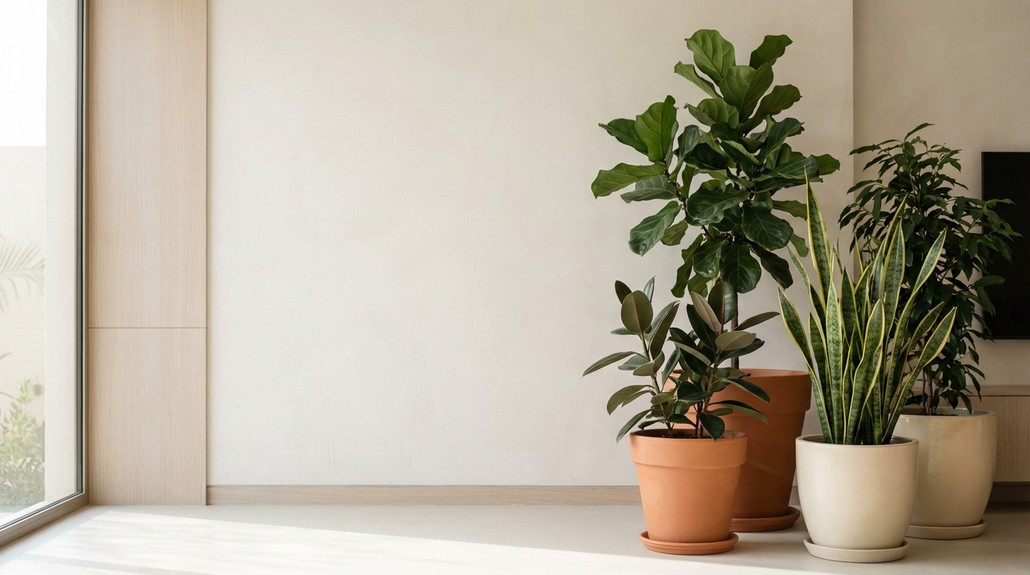
How to Save a Dying Indoor Plant Step by Step in UAE Homes
Posted by Mozher Expoerts on 04.03.26
The Silent Distress: When Your Indoor Plant Leaves Turn Yellow in UAE Homes
The sight of a once vibrant indoor plant beginning to show signs of distress—especially the leaves fading to an alarming shade of yellow—is a clear call for attention. This isn't merely a cosmetic change; it's your plant communicating that something in its environment or care routine needs adjustment. In the unique climate of the UAE, with its intense heat, naturally low ambient humidity, and the pervasive reliance on air conditioning (often locally referred to as "السبلت"), these signals frequently demand a more nuanced understanding than generic plant care advice typically offers.
As a senior indoor-plant specialist and horticulture educator at Mozher, I recognize the distinct pressures our plants endure here. These range from the initial stress of safe delivery in our hot conditions to the constant dry air created by air conditioning, and even the mineral content in our local tap water. This comprehensive guide is designed to offer you a clear, diagnostic pathway to identify why your indoor plant leaves are turning yellow. More importantly, it provides actionable, climate-aware steps you can take to restore their vitality and ensure they thrive in your UAE home.
There's no need for immediate panic at the first hint of yellow. While plants naturally shed older foliage as part of their life cycle, widespread or rapid yellowing across multiple leaves indicates a more significant underlying issue that requires your thoughtful intervention. By learning to "read" these signs effectively, you empower yourself to become a more attuned plant parent, offering the precise care needed at the right time. Our mission at Mozher is to equip you with the knowledge to cultivate healthier plants, minimize losses, and transform your living space into a flourishing green oasis, even amidst the challenging conditions of the UAE.
Decoding Leaf Language: Pinpointing the Problem Behind Yellow Leaves
Your indoor plant’s leaves are its primary means of communication, and yellowing is one of its most common, yet often misinterpreted, messages. Understanding the patterns and context of this discoloration is the first critical step toward effective problem resolution. Is the yellowing confined to the older, lower leaves, or are new shoots also affected? Are the leaves soft and mushy to the touch, or have they become dry and crispy? Each of these details provides a crucial piece of the puzzle, guiding you towards an accurate diagnosis and, consequently, the correct solution.
Examining the Location and Texture of Yellowing Leaves
When you first notice leaves turning yellow, pay close attention to their position on the plant. If it's primarily the older, lower leaves that are turning soft and yellow, often with a limp or mushy texture, while the new growth appears relatively healthy, this typically points to issues related to overwatering or nutrient deficiencies in the older foliage. Conversely, if new leaves are emerging yellow, or if the yellowing is widespread across the plant and accompanied by a dry, crispy, or brittle texture, the underlying cause is likely different, possibly related to underwatering, nutrient lockout due to salt buildup, or light stress.
The texture of the yellow leaves also offers vital clues. Leaves that feel limp, soggy, and soft almost always suggest overhydration, indicating that the roots are struggling to breathe in waterlogged soil. In contrast, leaves that are dry, brittle, and crispy often indicate severe underwatering or a critical lack of ambient humidity, a very frequent challenge in the dry, air-conditioned environments prevalent in UAE homes. Observing these subtle yet significant differences allows you to narrow down the potential culprits and choose the most appropriate intervention for your plant's recovery. For a more detailed understanding of various issues, refer to our comprehensive guide to indoor plant problems.
The Most Common Culprit: Watering Imbalance in UAE's AC Environment
Incorrect watering is, without question, the leading cause of yellowing leaves and subsequent plant decline for indoor plants across UAE homes. The continuous operation of air conditioning units, or "السبلت", drastically alters how quickly potting mix dries, creating a consistently deceptive scenario. Many well-meaning plant owners, accustomed to the external aridity, instinctively water frequently, only to inadvertently drown their plants. This is what we call the "evaporation paradox" – the top layer of soil might feel bone dry, but beneath this deceiving surface, the sensitive root ball can remain saturated for days, or even weeks. Plant roots require oxygen just as much as they need water. When the vital air pockets in the soil are filled with stagnant water, roots suffocate, leading to decay, which then manifests as those worrying yellow, mushy leaves.
Overwatering: The Silent Killer of Indoor Plants in the UAE
Overwatering is significantly more prevalent than underwatering in the UAE's AC-cooled indoor environments. If your plant's lower leaves are consistently turning yellow, becoming soft and mushy, and the soil feels perpetually damp to the touch, these are classic indicators of too much water. The reduced evaporation rate indoors due to constant AC use means the soil stays wet for a much longer period. This creates an anaerobic environment where roots cannot adequately breathe. This lack of oxygen leads to root rot, a severe condition where the roots turn black and soft, rendering them unable to absorb essential water and nutrients, even though they are surrounded by moisture. Early diagnosis and intervention are absolutely crucial; if left unaddressed, the entire plant can quickly succumb.
Underwatering: A Less Frequent, Yet Still Damaging Issue
While less common than overwatering, especially given the rapid evaporation outdoors, underwatering can also lead to yellow leaves on indoor plants, particularly for exceptionally drought-tolerant species when owners become overly neglectful. If the yellow leaves are dry, crispy, and brittle, often with crunchy brown edges, and the potting mix is bone-dry and visibly pulling away from the sides of the pot, your plant is likely parched. In this scenario, the plant strategically sacrifices older, lower leaves to conserve what precious moisture it has for newer, more vital growth. This prolonged stress can weaken the plant over time, making it susceptible to other issues like pest infestations. Identifying the correct watering problem is the first and most critical step toward your plant's successful recovery.
The Golden Rule: Check Soil Moisture Deeply, Every Time
To confidently navigate the complexities of watering in the UAE, adopt this golden rule: always check the soil deeply before you reach for your watering can. Insert your finger about 5-7 centimeters (2-3 inches) into the potting mix. This tactile check provides a far more accurate assessment than merely looking at the surface, which can dry out deceptively quickly in arid, air-conditioned environments. Only water if the soil feels completely dry, powdery, or crumbly. If there's any lingering coolness or dampness, even slight, patiently wait for a few more days. For even greater accuracy, especially with larger planters where a finger test might not reach deep enough, a reliable moisture meter can be an invaluable tool. It offers an objective reading deep within the root zone, eliminating guesswork and providing you with confidence in your watering decisions. This proactive approach helps prevent both debilitating overwatering and prolonged underwatering, ensuring the foundational health of your cherished indoor plants.
Beyond Water: Addressing Light, Nutrients, and Environmental Stress
While diligent watering practices are paramount, yellowing leaves on your indoor plants can also stem from a variety of other environmental factors. A comprehensive understanding of how light, nutrients, humidity, and even pests interact within the unique microclimate of your UAE home is crucial for truly holistic plant care. Our homes, with their often-shielded windows and continuous reliance on the "السبلت", create artificial conditions that can easily disrupt a plant's delicate balance, leading to visible signs of distress such as yellowing foliage.
Insufficient Light: The Plant's Stretch for Survival
Even plants widely considered "low-light tolerant" still require a certain amount of illumination to photosynthesize effectively and produce the energy they need to thrive. In many UAE homes, large, sun-blocking curtains or architectural designs aimed at keeping the intense heat out can inadvertently create overly dim interior spaces. If your plant's leaves are turning a pale, washed-out yellow, and its stems appear long, thin, and stretched (often described as "leggy" growth), with new leaves emerging smaller than usual, it's a clear signal of insufficient light. The plant is literally "starving" for light, and the yellowing is a sign of chlorophyll breakdown as it attempts to reallocate its dwindling resources. Relocate the plant to a spot where it receives brighter, yet indirect light, perhaps a few feet away from a window with sheer curtains. For naturally darker areas, a more sustainable approach is to carefully select low-light tolerant plant varieties from the very beginning.
Nutrient Deficiencies & Over-Fertilization: A Delicate Balance
Yellow leaves can occasionally indicate a deficiency in essential plant nutrients, most notably nitrogen, which is vital for green foliage. However, in our extensive experience at Mozher, over-fertilization tends to be a more common issue for indoor plants, particularly when owners mistakenly attempt to "rescue" a struggling plant by providing more "food." Excessive fertilization can severely burn delicate roots, leading to widespread yellowing, crispy, brown leaf edges, and overall plant decline. This problem is often exacerbated by the mineral content found in local tap water, which can contribute to a rapid buildup of salts in the potting mix. For actively growing, healthy plants, apply a diluted, balanced liquid fertilizer every 2-4 weeks during their active growing season (typically spring and summer). Always ensure the soil is moist before fertilizing to prevent root burn. If you suspect over-fertilization, thoroughly flush the soil with distilled or filtered water to leach out excess salts, then abstain from fertilizing until the plant shows clear signs of healthy, active new growth. Regularly using quality potting mixes and care essentials can guide you towards proper feeding practices.
Low Humidity & AC Drafts: The Dehydrating Environment
The UAE's arid climate, combined with the continuous use of air conditioning, results in exceptionally low indoor humidity levels. Most tropical indoor plants flourish in humidity ranging from 40-60%, a stark contrast to the frequently less than 30% humidity found in our air-conditioned spaces. This relentless dry air actively pulls moisture from the plant's leaves, often at a rate faster than its roots can replenish it. This causes yellowing, crispy brown tips and edges, and sometimes a noticeable curling of the leaves. Furthermore, placing plants directly in the path of cold, dry AC airflow significantly aggravates this desiccation. To effectively counteract these drying effects, consider grouping humidity-loving plants together to create a small, localized humid microclimate. Alternatively, utilize pebble trays filled with water (ensuring the pot itself does not sit in standing water), or if necessary, invest in a small room humidifier. Crucially, always ensure your plants are positioned well away from direct AC vents to protect them from harsh, dehydrating air currents.
Pests and Diseases: Tiny Invaders, Big Problems
Persistent yellowing, especially if it's accompanied by small spots, distorted new growth, or delicate webbing, could indicate a pest infestation or disease. Spider mites, for instance, thrive in dry, low-humidity environments – a very common reality in UAE homes – causing tiny yellow speckles on the leaves. Fungus gnats, small flying insects that hover around the soil, are often a tell-tale sign of overly wet soil conditions. Regularly inspect your plants, paying close attention to the undersides of leaves and any new growth. If you detect pests, immediately isolate the affected plant. Thoroughly wipe down the leaves with a damp cloth, and apply horticultural soap or neem oil as appropriate. Addressing the underlying watering or humidity issues is critical to preventing their recurrence.
Immediate Actions for Yellowing Leaves: Diagnosis and Recovery
When you observe your plant's leaves turning yellow, implementing a systematic approach to diagnosis and intervention can often save your plant. It's crucial to resist the temptation to apply multiple solutions simultaneously; instead, address one potential issue at a time, observe the plant's response, and then adjust if necessary. Understanding the realistic recovery timeline is also important for managing your expectations and avoiding further stressing your plant with unnecessary interventions.
Step 1: Inspect the Soil Moisture
This should always be your first and most critical step. Perform the "finger test": gently push your finger about 5-7 cm (2-3 inches) deep into the potting mix. If the soil feels soggy and waterlogged, you are likely overwatering. If it feels completely bone dry, powdery, or crumbly, then it's a clear case of underwatering. This simple, tactile check, more than any fixed schedule, will accurately guide your next actions, especially in an environment with constant air conditioning which can profoundly impact soil drying rates.
Step 2: Thoroughly Check for Pests
Carefully examine both the top and, crucially, the underside of the yellowing leaves, as well as the stems and any new growth. Look intently for tiny insects, any sticky residue (known as honeydew), or fine, delicate webbing. Early detection of pests such as spider mites, which are particularly common in the dry indoor environments of the UAE, can prevent widespread and severe damage. If pests are found, immediately isolate the affected plant from your other plants and treat it with an appropriate horticultural soap or neem oil solution, following product instructions carefully.
Step 3: Evaluate Light Conditions & Location
Assess whether your plant is receiving too much direct, harsh sunlight (which can scorch and yellow leaves, leading to crispy patches) or too little light (resulting in pale, stretched, or "leggy" growth). Also, critically, consider its proximity to any AC vents. Relocate the plant to a spot with appropriate light conditions – typically bright, indirect light – and ensure it is positioned well away from direct, cold drafts. Remember that plants with thicker, more succulent leaves generally tolerate more intense light and drier air, while delicate, thin-leaved plants prefer shadier, more humid locations.
Step 4: Assess Drainage & Potting Mix Quality
Ensure that your plant's pot has adequate drainage holes at the bottom. If water collects in the saucer after watering, empty it immediately; allowing the pot to sit in standing water is a direct pathway to root rot. If your current potting mix feels dense and heavy, it may be retaining too much moisture, which can suffocate roots. Consider repotting the plant into a fresh, high-quality potting mix that offers better aeration and drainage. Poor drainage and compacted soil are very common contributors to root-related problems.
The "Do Not Do" List: Common Panic Mistakes to Avoid
When you're faced with a struggling plant, the natural inclination is often to try and fix the problem immediately, sometimes by doing "everything." However, certain knee-jerk reactions can, unfortunately, worsen your plant’s condition and hinder its recovery. Avoid these common panic mistakes:
- Do NOT Overwater a Struggling Plant: If the leaves are already yellow and mushy, adding more water will only accelerate root rot. Always perform the deep soil moisture check before watering.
- Do NOT Fertilize a Stressed Plant: A plant in distress is typically sick or recovering, not hungry. Applying fertilizer can burn already compromised roots, adding severe stress to a vulnerable plant. Wait until the plant shows clear signs of active, healthy new growth before considering a diluted feeding.
- Do NOT Drastically Change Its Environment: Moving a plant abruptly from one extreme environment to another (e.g., from a dim corner directly into full, intense sun) will cause additional, often fatal, shock. Make any adjustments to light, temperature, or location gradually over several days to weeks.
- Do NOT Immediately Prune All Yellow or Brown Leaves: While removing clearly dead, crispy, or completely dried-up foliage is beneficial, allow the plant some time to reabsorb any remaining nutrients from slightly yellowing leaves before pruning them. The plant is still drawing energy from those leaves, even if they appear unsightly.
Recovery Timelines and Knowing When to Stop Interventions
Once you've accurately identified the problem and diligently applied the appropriate solutions, patience becomes your most valuable tool. Plants do not recover overnight; their healing processes are gradual and can take time. Look for small, consistent improvements, such as the emergence of new, healthy, green growth, or the stabilization of existing leaves (meaning the problem is not worsening, even if the damage remains). Continue your adjusted care routine consistently and mindfully.
If after 4-6 weeks you observe no noticeable improvement, or if the plant continues to decline despite your best efforts, it's a strong indication that it's time to critically re-evaluate your initial diagnosis and interventions. It's possible the primary issue was misidentified or that secondary problems have developed. Remember that some existing damage, such as crispy brown leaf tips or fully yellowed older leaves, may be permanent and will not revert to green; the ultimate indicator of success is always the appearance of new, healthy growth. It is also crucial to recognize when to cease interventions; sometimes, a plant simply requires quiet time and stability to adapt and heal in its new, corrected environment, and too much fuss can be counterproductive.
Preventive Care: Building Resilience for Your Indoor Plants in UAE's Climate
Proactive and informed care, specifically tailored to the unique environment of the UAE, is the most effective defense against common indoor plant problems such as yellowing leaves. Think of prevention as establishing healthy, consistent habits that empower your plants to thrive and flourish without requiring constant crisis management. Mozher is dedicated to providing premium, carefully curated indoor plants, pots, and essential care tools that are climate-aware and designed to adapt well to these challenging conditions, ensuring lasting success for you.
Watering Wisely: The Undisputed Golden Rule
Mastering your watering routine is absolutely paramount. Always remember that the pervasive use of "السبلت" significantly slows soil evaporation indoors compared to outdoor conditions. Therefore, always utilize the deep finger test (5-7 cm deep) or a reliable moisture meter every single time you consider watering your plants. When watering is genuinely needed, water thoroughly until you observe water draining from the bottom, and always ensure adequate drainage is in place. Never allow your plant to sit in stagnant water collected in its saucer, as this is a direct and rapid route to root rot.
Effective Humidity Management: Counteracting AC Dryness
To effectively combat the relentlessly dry air generated by continuous air conditioning, consider grouping your humidity-loving plants together. As each plant releases moisture through transpiration, they collectively create a small, localized humid microclimate, benefiting the entire cluster. Alternatively, use pebble trays filled with water (ensuring that the bottom of the pot does not sit directly in the standing water). If your plants consistently show signs of low humidity stress, such as crispy leaf edges, then consider investing in a small room humidifier. Crucially, always ensure your plants are positioned well away from direct AC blasts to minimize harsh desiccation.
Strategic Light Placement: Finding the Ideal Spot
Place your plants strategically according to their specific light requirements. Bright, indirect light is generally ideal for most foliage plants, with intense, direct sun reserved only for true desert species like cacti. Regularly rotating your plant a quarter turn every few weeks will encourage more balanced and even growth. If your living space is naturally dim, selecting low-light tolerant plant varieties from the outset is a far more sustainable and successful approach, as these species are naturally adapted to thrive in such conditions.
Quality Soil and Drainage: The Indispensable Foundation
Always begin with a high-quality, well-draining potting mix and ensure your pots have proper drainage holes. This foundational setup is critical for robust root health. Soil that retains too much water, or pots without adequate drainage, will inevitably lead to waterlogging and subsequent root rot. Mozher offers a selection of quality potting mixes and care essentials to provide your plants with the very best possible start.
Regular Inspection and Cleaning: Proactive Care
Make it a consistent habit to inspect your plants weekly for any early signs of pests or distress. Regularly wipe down the leaves with a soft, damp cloth to remove accumulated dust, which is particularly common in our region. Clean leaves are essential for optimal photosynthesis and healthy plant respiration, allowing your plants to thrive without obstruction.
Diagnostic Table: Rapid Troubleshooting for Yellowing Leaves on Indoor Plants in UAE Homes
| Symptom | Likely Cause | Tests | Solutions for UAE Homes | Recovery Timeline |
|---|---|---|---|---|
| Yellow, soft, mushy lower leaves; consistently wet soil; fungus gnats. | Overwatering, potential root rot. AC slows soil drying significantly. | Finger test (soil wet deep down); inspect roots (mushy, black). | Stop watering. Trim rotted roots. Repot in fresh, well-draining soil in a pot with good drainage. Empty saucer immediately. | Weeks for new root growth; old yellowed leaves won't revive, new healthy growth in 2-4 weeks. |
| Yellow, dry, crispy leaves (often tips/edges); bone-dry soil; drooping. | Underwatering. Dry AC air desiccates soil rapidly. | Finger test (soil bone-dry); pot feels unusually light. | Water thoroughly until water drains from bottom. For very dry soil, try bottom-watering. Use a reliable moisture meter to help guide future watering. | Plants may perk up in hours; new healthy growth in 1-2 weeks. Crispy leaves will not revive. |
| Brown, crispy leaf tips/edges, even with moist soil. | Low ambient humidity or direct AC drafts. Mineral salt buildup from tap water. | Observe symptoms; check AC proximity. | Increase local humidity (pebble trays, grouping plants). Move away from direct AC blasts. Use filtered or distilled water. | Existing damage permanent; new growth healthy if conditions are corrected in 1-3 weeks. |
| Leggy, sparse growth; pale yellow leaves; plant leaning dramatically towards light. | Insufficient light. | Observe growth habit; assess light intensity in location throughout the day. | Move to a spot with brighter, indirect light. Rotate plant regularly. Consider supplemental grow light if natural light is limited. Explore low-light tolerant plant varieties. | New growth will be greener in 2-4 weeks; existing pale or yellow leaves may not fully recover. |
| Tiny yellow speckles on leaves; fine webbing; distorted new growth; small flying insects (fungus gnats). | Pest Infestation (spider mites, fungus gnats). Dry AC air favors spider mites. | Close visual inspection (with a magnifying glass if helpful). Examine undersides of leaves and stems. | Isolate affected plant immediately. Wipe leaves thoroughly with a damp cloth. Apply horticultural soap or neem oil as appropriate. Increase humidity for spider mites; allow topsoil to dry out for fungus gnats. | Pest control can be achieved in days; plant recovery and new healthy growth in 2-6 weeks depending on severity. |
| General yellowing, stunted growth, white crust on soil surface/pot rim. | Over-fertilization; mineral salt buildup from tap water. | Observe soil surface; test water pH (if possible). | Flush soil thoroughly with distilled/filtered water to leach out excess salts. Cease fertilizing. Use filtered water for regular watering. | Recovery can be slow (4-8 weeks); new growth will be healthier. Damaged roots need time to heal. |
Nurturing Your Indoor Oasis in the UAE: A Forward-Looking Approach
Understanding the root causes of your indoor plant's distress in UAE homes, coupled with knowing how to respond effectively, empowers you to cultivate a truly thriving green environment. The key to lasting success is consistent, mindful observation and adapting your care routines to the unique climatic challenges of our region. At Mozher, we are committed to providing premium, climate-aware indoor plants, pots, and essential care tools, ensuring your journey as a plant owner is successful from the very start.
By consistently implementing these diagnostic steps and preventive measures, you are not simply reacting to problems as they arise; you are actively building a sustainable foundation for long-term plant health and resilience. Cultivating vibrant, healthy indoor plants in the UAE is a deeply rewarding endeavor that brings peace, natural beauty, and a touch of the outdoors into your home for years to come. Focus on truly understanding the specific needs of your green companions, respond thoughtfully and patiently, and you will watch your indoor oasis flourish. For comprehensive advice on maintaining healthy plants, always consult credible horticulture sources such as the Missouri Botanical Garden or the Clemson University Home & Garden Information Center.
Frequently Asked Questions About Indoor Plant Problems in the UAE
How can I tell if yellowing leaves are from overwatering or underwatering in an AC-cooled environment in the UAE?
This is a critical distinction in the UAE's climate. If the yellow leaves are soft, limp, and mushy, and the soil feels wet to the touch even days after watering, this strongly indicates overwatering. The cool air from the AC (السبلت) significantly slows water evaporation, trapping moisture. Conversely, if the yellow leaves are dry, crispy, and brittle, and the soil is bone-dry and pulls away from the pot, it's a clear sign of underwatering. Always check the soil moisture deeply with your finger or using a reliable moisture meter before diagnosing the problem or adding water. Understanding this difference is paramount to providing the correct care for your indoor plants in the UAE.
What are the signs of low humidity stress for indoor plants in the UAE's dry, AC environment?
Low humidity stress, common in UAE homes with continuous AC use, typically manifests as crispy, brown leaf tips and edges, even if the soil is adequately moist. Leaves may also curl inward or droop as the plant attempts to conserve moisture. Some plants, especially those with thinner foliage, may also develop yellowing between the veins. If you notice these symptoms, consider grouping plants to create a localized microclimate with slightly higher humidity or using pebble trays with water beneath the pots (with care to ensure the pot bases do not sit directly in standing water). Moving plants away from direct AC vents is also vital. You can also explore Mozher's resilient indoor plants that tend to adapt better to dry conditions.
Does the quality of tap water in the UAE affect indoor plant health?
Yes, absolutely. Tap water in the UAE can often have higher levels of minerals, such as chlorine and fluoride, as well as other salts, which can accumulate in the soil over time. This buildup can cause "salt burn," damaging plant roots and hindering nutrient uptake, leading to brown leaf tips or general yellowing. To mitigate this, consider using filtered water, rainwater, or simply allowing tap water to sit uncovered for 24 hours before watering. This allows chlorine to dissipate and reduces the impact of some minerals. Regular, deep watering that flushes water through the drainage holes also helps to wash out excess salts from the soil, maintaining a healthier growing environment. For optimal root health, always use quality potting mixes and care essentials.
Are there any truly pet-safe indoor plants for homes with children and pets in the UAE?
Yes, absolutely. For homes with curious pets or small children, ensuring plant safety is a top priority. Excellent low-maintenance and non-toxic options that thrive in UAE indoor conditions include the Spider Plant (Chlorophytum comosum) and the Cast Iron Plant (Aspidistra elatior). While the Areca Palm is also pet-safe, it typically requires a bit more humidity, so keep it away from direct AC blasts. It's always wise to research any new plant thoroughly before introducing it to your home. Mozher specifically focuses on curating pet-safe indoor plants to ensure a harmonious and secure environment for all.