


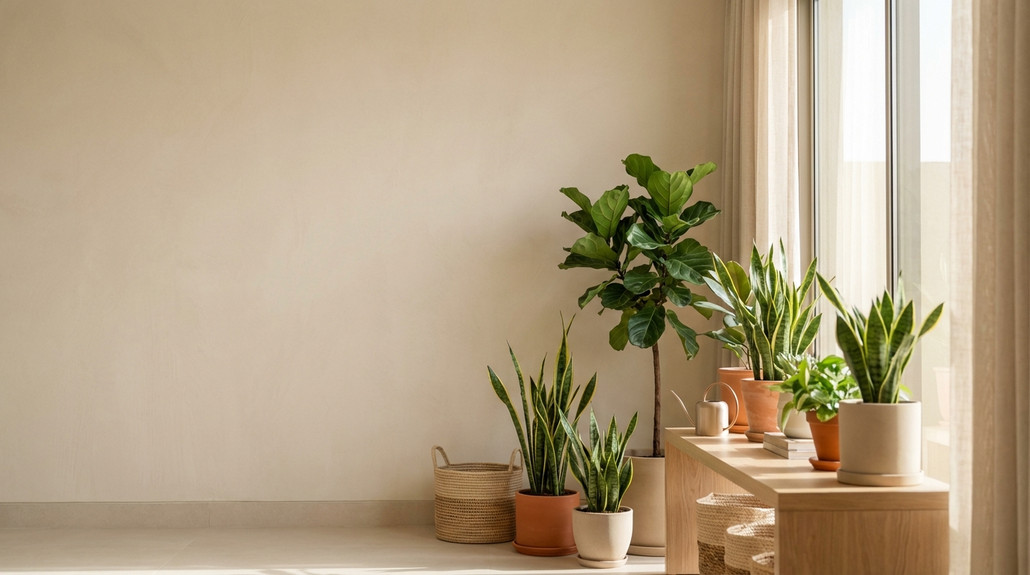
How to Save a Dying Indoor Plant Step by Step in UAE Homes
Posted by Mozher Expoerts on 01.03.26
The Silent Plea: Understanding Your Struggling Indoor Plant in the UAE
The sight of a once-vibrant indoor plant wilting, its lush green leaves turning dull, yellow, or brown, can trigger a sense of urgency, even panic. In the unique climate of the United Arab Emirates, where scorching summers dictate constant air conditioning (often referred to locally as "AC" or "السبلت"), indoor plants face a distinct set of environmental pressures. Generic plant care advice, often designed for more temperate zones, frequently falls short here. The pervasive dryness, compounded by cold drafts from AC vents and the inherent stress plants experience during delivery, creates a challenging environment. As a senior indoor-plant specialist and horticulture educator with Mozher, my aim is to guide you through a clear, climate-aware diagnostic path, tailored specifically for UAE homes, to identify the root cause of your plant's distress and restore its health. There is almost always a path to recovery, and understanding these specific challenges is the first crucial step.
The UAE Climate Reality: Heat, AC, and the Moisture Paradox for Your Indoor Plants
Our reliance on air conditioning is an undeniable necessity in UAE homes during the long, intense summers. While this system provides essential comfort for us, it inadvertently creates an artificially arid microclimate that profoundly impacts our indoor plants. Most popular tropical indoor species naturally thrive in higher humidity levels, typically ranging between 40-60%. In a continuously air-conditioned room, these levels often plummet below 30%, relentlessly pulling moisture from plant leaves faster than their roots can replenish it. This unseen battle leads to classic symptoms like crispy, brown leaf tips and edges, even when the soil appears adequately moist to the touch. Direct blasts of cold, dry air from the AC vents (السبلت) further exacerbate this, causing rapid desiccation, leaf curling, and overall severe plant stress. It's not solely about the temperature; it's this persistent, dehydrating airflow that many tropical plants are simply not genetically equipped to handle without thoughtful intervention. Recognizing these pervasive environmental pressures is the crucial first step toward understanding why your indoor plant problems might be occurring and how to effectively intervene. For a more in-depth look at adapting your care, explore Mozher's comprehensive guide to indoor plant problems in our region.
Decoding Distress: A Step-by-Step Diagnostic Tree for Common Indoor Plant Problems
When your indoor plant begins to show signs of trouble, it's communicating a need. Instead of guessing, a systematic approach to diagnosis will lead to the most effective solution. Observe your plant closely, from its overall appearance to individual leaves and the soil, for vital clues. Accurate diagnosis is paramount to effective recovery.
Yellow Leaves: Overwatering or Underwatering in an AC Environment?
Yellowing leaves are perhaps the most common, and often most misunderstood, symptom. In UAE homes with constant AC, distinguishing between overwatering and underwatering can be tricky. Ironically, overwatering is often a more frequent issue than one might assume, even in dry climates. The cool indoor air significantly slows the natural evaporation of water from the soil surface, leading well-intentioned owners to water too often.
Tests & Fixes for Suspected Overwatering:
- Diagnosis: If the yellow leaves are soft, mushy, or limp, particularly the lower, older leaves, and the soil feels consistently wet and heavy to the touch, this is a classic indicator of overwatering. You might also notice tiny fungus gnats hovering around the soil, another tell-tale sign of perpetually moist conditions. In severe cases, root rot may be present, characterized by a foul, earthy odor from the soil or roots that appear black and mushy when gently inspected.
- Immediate Action: Stop watering immediately. Carefully remove the plant from its pot and gently shake off excess soil. Inspect the roots: healthy roots are firm and pale. If you find black, mushy, or disintegrating roots, trim them away with clean, sterilized scissors.
- Repot & Recover: Repot the plant into fresh, well-draining potting mix. Ensure the new pot has proper drainage holes. After watering, promptly discard any excess water collected in the saucer. Expect the plant to continue shedding some old yellow leaves during its recovery period. New, healthy growth should begin to appear within 2-4 weeks. Do not water again until the top 5-7 cm (2-3 inches) of soil is completely dry to the touch.
Tests & Fixes for Suspected Underwatering:
- Diagnosis: If your plant's leaves are turning yellow and becoming noticeably dry, crispy, and brittle, often starting at the tips or edges, and the soil feels bone-dry and pulls away from the sides of the pot, your plant is severely dehydrated. In such cases, older leaves will typically yellow and drop first as the plant sacrifices them to conserve precious moisture for newer, essential growth.
- Immediate Action: Water the plant thoroughly and slowly until water drains freely from the bottom. For extremely dry, hydrophobic soil that repels water, try bottom-watering: place the pot in a basin of water for 30-60 minutes, allowing the soil to rehydrate from the bottom up. A reliable moisture meter is invaluable for accurate readings deep within the soil, preventing guesswork.
- Recovery Timeline: Many plants will visibly perk up within a few hours to a day. Note that crispy, yellowed leaves will not revert to green, but you can prune them for aesthetic reasons. New, healthy growth should emerge within 1-2 weeks if the plant recovers successfully.
Brown Tips and Edges: A Clear Sign of Low Humidity or Mineral Buildup
Crispy brown tips or edges on leaves, even when the soil appears adequately moist, are a definitive sign of critically low ambient humidity. This is an extremely common issue in UAE homes due to the constant use of AC (السبلت), which actively strips moisture from the air. Mineral salt buildup from local tap water can also contribute to this problem over time.
Tests & Fixes for Brown Tips:
- Diagnosis: Observe crispy brown leaf tips or edges. Leaves may also appear curled or slightly shriveled.
- Solution: Actively increase local humidity around the plant. Group humidity-loving plants together to create beneficial microclimates. Utilize pebble trays filled with water (ensuring the pot bases do not sit in standing water). Consider a small room humidifier for particularly sensitive plants. Importantly, relocate the plant away from direct blasts of cold, dry air from AC vents. Consider using filtered water or allowing tap water to sit uncovered for 24 hours before watering to allow chlorine to dissipate and reduce mineral content. Existing damage is permanent, but new growth should be healthy if conditions are corrected.
Drooping: An Imbalance in Moisture
Drooping leaves can be quite perplexing because they signal both extreme underwatering and, paradoxically, severe overwatering or even root rot. If the leaves are limp and soft, accompanied by wet soil, it's a strong indicator of overwatering. If the leaves are limp but feel dry and crispy, and the soil is bone-dry, it points to severe underwatering. Always refer back to the "Yellow Leaves" section for specific watering tests and fixes, as addressing the underlying moisture imbalance is usually the primary step to resolving drooping.
Leggy, Sparse Growth or Pale Leaves: Light Starvation
Plants rely on light for photosynthesis, the process that produces energy and chlorophyll (the green pigment). If your plant is not receiving sufficient light, its leaves may turn a pale, washed-out yellow, often uniformly across the plant rather than being concentrated at the top or bottom. This is frequently accompanied by elongated, stretched-out growth as the plant "reaches" dramatically towards any available light source, a phenomenon known as etiolation.
Tests & Fixes for Insufficient Light:
- Diagnosis: Pale, uniformly yellow leaves; long, stretched stems with small, sparse foliage; plant noticeably leaning towards a light source.
- Solution: Relocate the plant to a brighter spot that receives plenty of bright, indirect light. In the UAE, be cautious of intense, direct sun through a window, especially during peak hours, as this can easily cause sunburn. Rotate the plant regularly (e.g., weekly) to ensure all sides receive adequate, even light exposure and promote balanced growth. If your space has naturally dim areas, opt for low-light tolerant plants that are better suited for these conditions. Recovery involves new, healthier growth; existing pale or yellowed leaves may not fully regain their full vibrancy.
Pest Infestations: Tiny Invaders, Big Problems
Tiny pests can suck the life out of your plant, causing yellowing leaves, distorted growth, or sticky residue. Look closely for the culprits, especially in the dry, AC-cooled environments of the UAE where certain pests thrive.
Identifying and Treating Common Pests:
- Spider Mites: Thrive in dry, AC-cooled environments. Look for tiny yellow speckles on leaves, often accompanied by fine, delicate webbing on the undersides.
- Fix: Isolate the plant immediately. Wipe leaves thoroughly with a damp cloth. Increase ambient humidity around the plant. Apply horticultural soap or neem oil.
- Fungus Gnats: Small, black flying insects that often indicate consistently wet soil. Their larvae feed on roots, causing general decline and yellowing.
- Fix: Allow the top 5-7 cm (2-3 inches) of soil to dry completely between waterings. Use sticky traps.
Nutrient Deficiencies: Specific Yellowing Patterns
While watering and light issues are more common, nutrient deficiencies can also manifest as yellow leaves. Different deficiencies exhibit different yellowing patterns. It's important to fertilize sparingly, especially in the UAE climate where salts can build up quickly.
Addressing Nutrient Issues:
- Nitrogen Deficiency: Older, lower leaves turn uniformly pale yellow.
- Fix: Apply a balanced liquid fertilizer diluted to half strength during the active growing season (spring and early summer, before the extreme heat). For quality plant nutrients, explore Mozher's quality potting mixes and care essentials.
- Iron Deficiency: Newer leaves turn yellow, but the veins remain green (interveinal chlorosis).
- Fix: Use a chelated iron supplement or an acidic fertilizer. Ensure your soil pH is appropriate for your plant.
- Magnesium Deficiency: Older leaves show yellowing between green veins.
- Fix: Apply Epsom salts (magnesium sulfate) diluted in water.
Always remember to fertilize plants moderately, and never fertilize a dry or stressed plant.
Natural Aging: A Normal Process
Sometimes, yellowing is simply a natural process. The oldest leaves at the base of the plant will naturally yellow and drop off as the plant allocates its energy to new growth. This is perfectly normal and no cause for alarm. Gently snip off these yellowed leaves to allow the plant to focus its energy on fresh, vibrant growth.
Common Mistakes to Avoid: What NOT to Do When Your Plant is Struggling in the UAE
When your plant displays signs of distress, the natural inclination is to react quickly. However, many common reactions, often stemming from panic, can unfortunately worsen the situation for your indoor plants in the UAE's challenging climate. For a detailed guide on what to avoid, review Mozher's insights on common plant care mistakes in UAE homes.
- Do Not Over-Fertilize: A struggling plant is ill, not hungry. Adding more fertilizer to a stressed plant can "burn" its roots, especially in dry, AC-cooled environments where mineral salts build up rapidly. Always diagnose the primary problem first before considering fertilization.
- Do Not Immediately Water More: If you suspect underwatering but the soil still feels damp deep down, adding more water will only lead to overwatering and potential root rot. Always perform the finger test or use a reliable moisture meter before watering.
- Avoid Immediate Repotting: Unless the plant is severely root-bound or suffering from extensive, active root rot, repotting adds significant stress. Give the plant time to recover from the initial issue before introducing another major change to its environment.
- Do Not Move Drastically: While adjusting light exposure is often necessary, avoid moving a plant from a dark corner directly into intense, unfiltered sunlight. Acclimate it gradually to new conditions to prevent severe leaf scorch and shock.
- Do Not Assume Pests Without Visual Confirmation: While pests are a possibility, do not immediately use harsh pesticides without visually confirming an infestation. Misapplication can harm the plant or introduce unnecessary chemicals into your home. Always verify the presence of pests before initiating treatment.
Cultivating Resilience: Prevention Strategies for UAE Indoor Plants
Proactive care and a deep understanding of your plant's specific needs within the UAE indoor environment are far more effective than reactive troubleshooting. By establishing a mindful and climate-aware routine, you can significantly reduce the incidence of indoor plant problems, ensuring your plants remain healthy and vibrant for the long term.
Mastering Your Watering Regimen
Proper watering remains the single most critical factor for indoor plant health. Abandon rigid, calendar-based schedules entirely. Instead, consistently use the "finger test" (insert your finger 5-7 cm or 2-3 inches into the soil) or a reliable moisture meter to accurately assess the actual soil moisture. Water only when the soil truly feels dry enough for that specific plant. When you do water, do so thoroughly and deeply until water drains from the bottom of the pot, then promptly discard any excess collected in the saucer. Mozher strongly advocates for using pots with proper drainage to facilitate this crucial process.
Optimizing Light Exposure
Understand your plant's specific light requirements and position it accordingly. In the UAE, "bright, indirect light" is ideal for most foliage plants, meaning a spot a few feet away from a bright window or behind sheer curtains. Always exercise caution with intense, direct sun through a window, as this can easily cause sunburn. Rotate your plants regularly (e.g., weekly) to ensure all sides receive adequate, even light exposure and promote balanced growth. If your space has naturally dim areas, selecting low-light tolerant plants from the outset is a wise strategy, ensuring they are better suited for these challenging conditions.
Managing Humidity and Airflow (The AC Reality)
Counteracting the persistent dehumidifying effect of continuous AC use is vital for tropical indoor plants. Group humidity-loving plants together to create beneficial microclimates. Utilize pebble trays filled with water (ensuring the pot bases do not sit in standing water) to gently boost ambient moisture. For particularly sensitive plants, consider investing in a small room humidifier. Crucially, always keep plants well away from direct blasts of cold, dry air emanating from AC vents. While good ambient airflow is beneficial, harsh drafts are detrimental. Regularly wipe down leaves with a damp cloth to remove accumulated fine dust, allowing plants to photosynthesize and transpire efficiently.
Soil Health and Nutrient Management
Always use a high-quality, well-draining indoor potting mix designed for houseplants. Standard garden soil is typically too dense for pots and can quickly lead to root rot. Repot your plants every 1-2 years into fresh soil to replenish depleted nutrients and prevent compaction. Fertilize sparingly and only during active growing seasons (typically spring and early summer, before the extreme heat), using a diluted, balanced liquid fertilizer applied to moist soil. Never fertilize a dry or stressed plant. Mozher offers quality potting mixes and care essentials chosen to support healthy growth in our climate.
Gentle Acclimation for New Plants
When bringing new plants home, especially from Mozher, allow them a period to acclimate gradually. Avoid immediate repotting or heavy fertilization for the first few weeks. Place them in a stable environment with bright, indirect light, away from direct drafts, allowing them to adjust peacefully to their new surroundings. This gentle transition minimizes "delivery stress" and gives them the best possible chance to truly thrive in their new home.
Diagnostic at a Glance: UAE Indoor Plant Problem Resolution Table
| Symptom | Likely Cause | Tests | Solutions for UAE Homes | Recovery Timeline |
|---|---|---|---|---|
| Yellow, soft, mushy lower leaves; consistently wet soil; fungus gnats. | Overwatering, potential root rot. AC slows soil drying significantly. | Finger test (soil wet deep down); inspect roots (mushy, black). | Stop watering. Trim rotted roots. Repot in fresh, well-draining soil in a pot with good drainage. Empty saucer. | Weeks for new root growth; old leaves won't revive, new healthy growth in 2-4 weeks. |
| Yellow, dry, crispy leaves (often tips/edges); bone-dry soil; drooping. | Underwatering. Dry AC air desiccates soil rapidly. | Finger test (soil bone-dry); pot feels light. | Water thoroughly. For very dry soil, bottom-water. Use a moisture meter to guide. | Plants may perk up in hours; new healthy growth in 1-2 weeks. Crispy leaves won't revive. |
| Pale, uniformly yellow leaves; leggy, stretched growth; plant leaning towards light. | Insufficient light. | Observe growth habit; assess light intensity in location. | Move to brighter, indirect light. Rotate regularly. Consider grow light if natural light is limited. | New growth will be greener; existing pale leaves may not fully recover. |
| Brown, crispy leaf tips/edges, even with moist soil. | Low ambient humidity or direct AC drafts. Mineral salt buildup. | Observe symptoms; check AC proximity. | Increase local humidity (pebble trays, grouping plants). Move away from direct AC. Use filtered water. | Existing damage permanent; new growth healthy if conditions corrected. |
| Tiny yellow speckles on leaves; fine webbing; distorted new growth; small flying insects. | Pest Infestation (spider mites, fungus gnats). Dry AC air favors spider mites. | Close visual inspection (magnifying glass helpful). | Isolate plant. Wipe leaves. Apply horticultural soap/neem oil. Increase humidity for spider mites; dry soil for fungus gnats. | Control pests in days; plant recovery/new growth in weeks. |
Moving Forward: A Proactive Approach to Plant Health
The journey of nurturing indoor plants in the UAE, amidst the challenges of extreme heat and continuous air conditioning, is one that demands observation, adaptation, and patience. Yellowing leaves are not a death sentence, but rather a profound form of communication from your plant. By understanding the common causes of distress and implementing climate-aware solutions, you can transform a struggling plant into a vibrant, thriving specimen. Embrace a routine of regular, attentive checks, mindful watering, strategic placement, and good soil health. With Mozher's curated selections and expert guidance, you are not just acquiring plants; you are building a resilient, vibrant indoor sanctuary that brings peace and natural beauty to your UAE home or office for years to come.
Remember that every plant, even the most resilient, benefits from a thoughtful and consistent approach to care, especially in our unique climate. For a reliable source of general plant care information, the Clemson University Home & Garden Information Center offers valuable insights. Additionally, for comprehensive pest management strategies, the Missouri Botanical Garden's plant care guides are an excellent resource.
Frequently Asked Questions About Indoor Plant Health in the UAE
How can I tell if yellowing leaves are from overwatering or underwatering in an AC-cooled room in the UAE?
This is a critical distinction in the UAE's climate. If the yellow leaves are soft, limp, and mushy, and the soil feels wet to the touch even days after watering, this strongly indicates overwatering. The cool air from the AC (السبلت) significantly slows water evaporation, trapping moisture. Conversely, if the yellow leaves are dry, crispy, and brittle, and the soil is bone-dry, it's a sign of underwatering. Always check the soil moisture deeply with your finger or using a reliable moisture meter before diagnosing the problem or adding water. Understanding this difference is paramount to providing the correct care for your indoor plants in the UAE.
Can yellow leaves ever revert to their green color?
Unfortunately, once a leaf has turned definitively yellow, the cells responsible for producing chlorophyll have typically died, and it rarely reverts to green. The best approach is to address the underlying cause of the yellowing. Once the issue is resolved, your plant will wisely redirect its energy towards producing new, healthy green growth. You can prune off any severely yellowed or damaged leaves to encourage this fresh growth and improve the plant's overall appearance and vigor. Focus your efforts on the future health of your plant rather than attempting to reverse existing, irreversible damage.
My plant has yellow leaves but also brown, crispy tips. What's the problem in a UAE home?
This common symptom combination observed in UAE homes typically points towards critically low ambient humidity levels, primarily caused by the continuous operation of air conditioning. The dry air extracts moisture from the leaves faster than the roots can supply it, resulting in the characteristic dry, brown, and crispy tips, even if the soil itself is adequately moist. While ensuring proper watering is fundamental, the primary and most impactful solution is to actively increase the humidity surrounding the plant. Consider grouping plants together to create a localized microclimate with slightly higher humidity, or utilize pebble trays filled with water beneath the pots (ensuring the pot bases do not sit in standing water). Additionally, keeping the plant well away from direct AC vents is crucial. Mineral buildup from local tap water can also sometimes contribute to the appearance of brown tips.
Are certain pests more common with yellowing leaves in the UAE's dry indoor environment?
Yes, in the UAE's dry, AC-cooled indoor environment, spider mites are a very common pest that can cause yellowing or speckling on leaves. They thrive in low humidity and can rapidly cause significant damage, often accompanied by fine, delicate webbing on the undersides of leaves. Other potential pests like mealybugs and fungus gnats can also contribute to plant stress and yellowing. Regular inspection of your indoor plants, especially the undersides of leaves, is your best defense against these unwelcome guests. Early detection and prompt, appropriate action are crucial for effective control.