


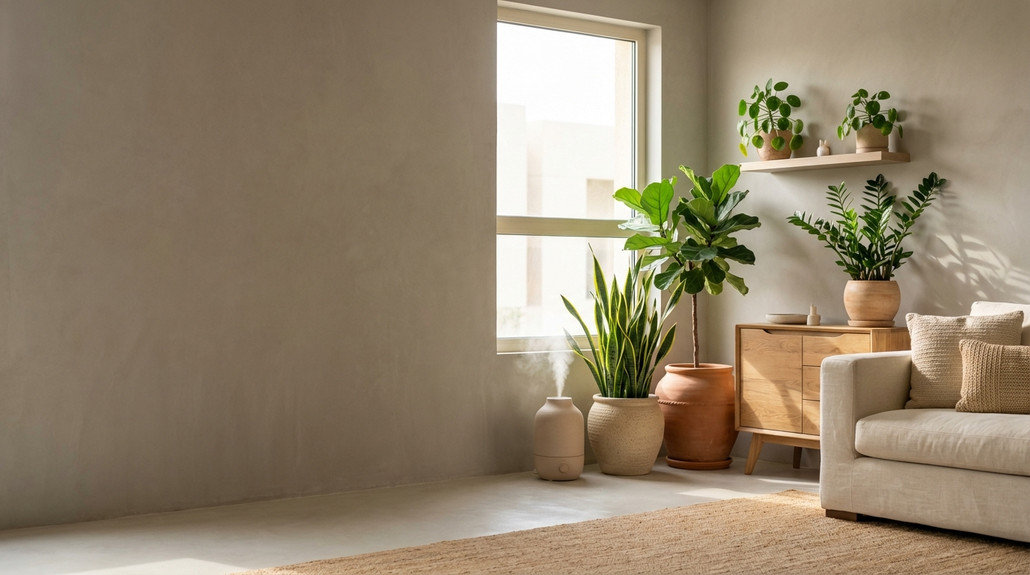
How to Save a Dying Indoor Plant Step by Step in UAE Homes
Posted by Mozher Expoerts on 11.03.26
The Urgent Signal: When Your Indoor Plant is Struggling in UAE Homes
The sight of a once-vibrant indoor plant showing signs of distress can be disheartening for any plant enthusiast in the UAE. A drooping stem, yellowing leaves, or unexpected brown tips are not merely cosmetic issues; they are clear communications from your plant, signaling that its fundamental well-being is compromised. In the unique climate of the United Arab Emirates, where external temperatures soar and indoor environments are meticulously maintained by air conditioning units (often referred to locally as Al-Sablat), the challenges for indoor plants are distinct. Generic plant care advice, often formulated for more temperate, humid regions, frequently falls short here. Rather than succumbing to panic, let's approach this with a calm, methodical perspective, guiding you through a clear diagnostic path and offering practical, climate-aware solutions to restore your cherished indoor plants to health.
Understanding the UAE Climate Challenge for Indoor Plants
The UAE presents a distinct environmental paradox for indoor plants. Outside, summer temperatures regularly push past 45°C, while indoors, the essential Al-Sablat runs almost continuously. This system, vital for our comfort, creates an exceptionally cool yet profoundly dry indoor microclimate. Such sharp environmental shifts deeply impact the delicate physiology of our indoor plants, often leading to a slow decline rather than robust growth. The constant dehumidification by the Al-Sablat actively strips moisture from the air, often reducing indoor humidity levels far below the ideal 40-60% range that most tropical indoor plants prefer. This persistent dry air, coupled with potential cold drafts from vents, pervasive fine dust, and the inherent stress plants endure during delivery and initial acclimation, all contribute to a challenging environment. This local reality means that common issues often trace back to our unique indoor conditions, making effective comprehensive indoor plant care a nuanced endeavor.
The Urgent Signal: Diagnosing Your Plant's Distress
The first crucial step in saving a struggling plant is accurate diagnosis. Plants communicate their needs through visual cues on their leaves, stems, and overall growth. Becoming a keen observer is essential. Is the change sudden or gradual? Are new leaves affected, or just the older ones? These details will help you narrow down the possibilities and apply the most effective solution, preventing common mistakes that can worsen the situation. For a deeper understanding, referring to resources about the specific reasons for yellowing leaves can be very insightful.
Initial Visual Inspection: What Your Plant is Telling You
- Yellow Leaves: Can indicate overwatering, underwatering, nutrient deficiency, or light issues. Observe texture (soft vs. crispy) and pattern (uniform vs. interveinal).
- Brown Tips/Edges: Often a sign of low humidity (a common AC effect in the UAE) or salt buildup from tap water.
- Drooping/Wilting: A clear signal of water stress – either too much or too little.
- Stunted Growth: Can point to insufficient light, nutrient deficiency, or root issues.
- Pests/Unusual Spots: Inspect for tiny insects, sticky residue, or fuzzy growths, indicating an infestation or fungal issue.
Common Problem 1: Watering Woes (Overwatering & Underwatering)
Incorrect watering is, without question, the leading cause of distress and eventual loss for indoor plants in UAE homes. The cool, dehumidified air from your Al-Sablat fundamentally alters how quickly potting mix dries, creating a consistently deceptive scenario. This makes adhering to a rigid "watering schedule" counterproductive and often detrimental. The top inch or two of soil might feel bone dry, prompting many to believe their plant is parched. However, beneath this misleading surface, the sensitive root ball can remain saturated for days, even weeks. This "evaporation paradox" is critical in AC-cooled environments, leading well-meaning owners to add more water to already wet soil, effectively drowning the roots. Plant roots require oxygen, and stagnant water suffocates them, leading to root rot.
How to Accurately Check Soil Moisture
To truly assess your plant's need, always perform the "finger test": insert your finger 5-7 centimeters (2-3 inches) deep into the potting mix. Only water if the soil at that depth feels entirely dry, powdery, or crumbling. If there’s any lingering coolness or dampness, wait a few more days. For greater precision, especially with larger planters, a reliable moisture meter can be an invaluable tool. It provides an objective reading deep within the root zone, eliminating guesswork.
Symptoms Beyond Yellowing for Water Stress
- Overwatering: Yellow leaves that are soft, limp, and mushy. The soil remains consistently wet and heavy, often with a foul, mildewy smell. Roots may appear black and slimy upon inspection.
- Underwatering: Yellow leaves that are dry, crispy, and brittle, often starting from the lower foliage. The soil will be bone-dry and may visibly pull away from the sides of the pot. The pot will feel remarkably light.
The immediate solution for overwatering is to reduce frequency, allow the soil to dry thoroughly, and ensure excellent drainage. For underwatering, provide a deep, thorough drink. Recovery from minor issues can be seen in new, healthier growth within 2-4 weeks, though existing yellowed leaves will not regain their green color.
Common Problem 2: Light and Environmental Stress
Light is the fundamental energy source for your indoor plants. In the UAE's intense climate, balancing light exposure is crucial. Too much direct sun, even filtered through a window, can be harsh. Conversely, heavily curtained or deep interior rooms can suffer from insufficient light, a common challenge in apartments. Beyond light, the immediate environment around your plant, especially with constant Al-Sablat operation, plays a significant role in its health.
Diagnosing Light-Related Yellowing
- Too much direct sun: Leaves appear bleached, washed out, or light yellow, often developing crispy brown edges and spots, resembling a "sunburn." This typically affects new growth first.
- Insufficient light: Pale yellow, smaller leaves, and leggy, stretched-out growth as the plant reaches for illumination. Older leaves may drop prematurely. For inherently dim spaces, explore low-light tolerant plants.
The Impact of Low Humidity (Al-Sablat Effect)
The Al-Sablat units actively remove moisture from the air, often reducing indoor humidity far below the ideal 40-60%. This relentless dry air aggressively pulls moisture from a plant's leaves. This manifests as crispy brown tips or edges on leaves, even when the soil is adequately moist. It's locally known as jafaf Al Jaw, or "dry air effect." Keeping plants away from direct drafts of cold, dry air from Al-Sablat vents is crucial.
Common Problem 3: Nutrient Deficiencies and Soil Health
Yellowing leaves can sometimes signal that your plant isn't receiving adequate nutrition. This is usually a slower, more gradual process than watering issues. Over time, old potting mixes can become depleted of essential nutrients, especially if the plant hasn't been repotted in years. The quality and composition of your soil are foundational to a plant's ability to absorb these nutrients.
Identifying Common Nutrient Culprits
Symptoms might include a uniform yellowing of older leaves (often indicating a nitrogen deficiency) or interveinal chlorosis, where the leaf tissue between the veins turns yellow while the veins themselves remain green (often indicating iron or magnesium deficiency). Conversely, an unsightly white crust on the soil surface can indicate salt buildup from local tap water and/or over-fertilization, which hinders nutrient uptake.
Thoughtful Fertilization and Quality Soil
Fertilize only healthy, actively growing plants during their growing season (typically spring and summer), using a balanced liquid fertilizer diluted to half the recommended strength. Always water the plant thoroughly before fertilizing to prevent root burn. Avoid fertilizing stressed or dormant plants. Regular flushing of the soil with plain water every few months can also prevent salt buildup. Utilizing quality potting mixes and care essentials from Mozher helps maintain proper nutritional balance and robust root health.
Common Problem 4: Pests and Diseases
While often less directly climate-related, indoor plant pests can thrive in indoor environments, especially when plants are already stressed. Early detection and gentle, consistent treatment are key to preventing widespread infestations that can weaken and eventually kill your plants. Fine dust, common in the UAE, can also accumulate on leaves, hindering photosynthesis and making plants more susceptible.
Identifying Common Pests in UAE Homes
- Spider Mites: Tiny, almost invisible red or brown mites that create fine webbing, especially on the undersides of leaves. Leaves may show tiny yellow or white spots.
- Mealybugs: Small, white, cottony insects found in leaf joints and on stems. They leave sticky residue and can cause stunted growth or yellowing.
- Fungus Gnats: Small, black, mosquito-like flies that hover around the soil. Their larvae feed on organic matter in damp soil, damaging roots.
Early Intervention and Treatment
Isolate affected plants immediately. For most pests, gently wipe them away with a cotton swab dipped in rubbing alcohol, spray with insecticidal soap, or apply neem oil according to product directions. Fungus gnats often indicate consistently wet soil; allow the top 5-7 cm to dry completely between waterings. Consistency is crucial; repeat treatments every 5-7 days for several weeks. Recovery is typically seen within 2-4 weeks after active control.
What NOT to Do: Common Panic Mistakes
In the understandable desire to rescue a struggling plant, even well-intentioned owners often make mistakes that, while seemingly helpful, are ultimately detrimental. These "panic reactions" frequently worsen the situation, significantly delaying any genuine recovery. Maintaining a calm and observant approach is crucial for effective solutions, especially with indoor plants in a challenging climate like the UAE.
- Do NOT Over-Fertilize a Sick Plant: A struggling plant is rarely hungry; it is unwell and under stress. Adding more fertilizer can chemically burn its already weakened roots, exacerbating the problem. Fertilize only healthy, actively growing plants, and always dilute.
- Do NOT Remove All Yellow Leaves at Once: While unsightly, yellowing leaves still contain some valuable residual nutrients that the plant can reabsorb to conserve precious energy during its recovery. Only remove them when they have turned completely brown or crispy, or if they clearly show signs of active disease or pest infestation that could spread.
- Do NOT Constantly Repot: Unless critical root rot is unequivocally present and demands immediate action, adding the significant stress of repotting to a plant already struggling with new environmental conditions or delivery shock can dramatically set back its recovery. Allow a new plant 1-2 weeks to acclimate peacefully to its new home before considering any major interventions like repotting.
- Do NOT Relocate Constantly: Moving a plant continuously to drastically different conditions of light, temperature, or humidity will only amplify its stress and make it exceedingly difficult for it to acclimate. Once a suitable spot is found, strive to keep the plant there consistently.
- Do NOT Water on a Fixed Schedule: This is a recipe for disaster in Al-Sablat environments. Always perform the "finger test" before watering. The soil surface can be dry while the roots are still saturated.
Your Diagnostic and Action Plan: A Quick Reference Guide for UAE Homes
| Symptom | Likely Cause | Key Observation | Solution | Recovery Timeline |
|---|---|---|---|---|
| Yellow, soft, mushy leaves (often lower) | Overwatering, Root Rot | Soil consistently wet, heavy pot, possibly foul smell from roots. | Reduce watering frequency, check roots for rot and repot if needed. Ensure excellent drainage. | 2-4 weeks for new growth to appear; damaged leaves won't recover. |
| Yellow, crispy, brittle leaves (often lower) | Underwatering | Soil bone dry, lightweight pot, leaves may be curling. | Water thoroughly until drainage occurs, then check regularly with a reliable moisture meter. | A few hours to 1 day for revival; damaged leaves won't recover. |
| Yellowing/bleaching on new growth, brown crispy spots | Too much direct sun | Plant exposed to intense, unfiltered sun (e.g., south/west window). | Move to a spot with bright, indirect light; use sheer curtains to diffuse harsh light. | New growth appears healthy in 1-2 weeks. |
| Pale yellow, small leaves, leggy growth | Insufficient light | Plant in a very dim area, noticeably stretching towards a light source. | Relocate to a brighter spot; consider selecting low-light tolerant plants if the space is inherently dim. | New, healthier growth in 2-4 weeks. |
| Crispy brown tips/edges, otherwise green leaves | Low humidity (Al-Sablat effect) or Salt Buildup | Dry indoor air, plant near Al-Sablat vent, or white crust on soil surface. | Increase local humidity (pebble tray, grouping plants), move from drafts, flush soil to remove salts. | New growth appears healthier in 2-3 weeks; damaged tips won't recover. |
| Yellowing with tiny bugs, sticky residue, or fine webbing | Pests (spider mites, mealybugs, fungus gnats, etc.) | Visible insects, mottled spots, or fine webbing on the leaves. | Isolate the plant, treat with insecticidal soap or neem oil. | 1-2 weeks for pest control, then 2-4 weeks for plant recovery. |
| Uniform yellowing of older leaves, stunted growth | Nutrient Deficiency (e.g., Nitrogen) | Long-term issue, typically new growth appears healthy for some time. | Fertilize sparingly with a balanced, diluted liquid fertilizer during active growth. | Improvement in new growth in 3-5 weeks. |
| Yellowing between veins, especially on new leaves | Micronutrient Deficiency (Iron, Magnesium) | Green veins with yellow tissue; can be related to water pH. | Use a chelated micronutrient supplement; check water quality and adjust if necessary. | Slow recovery; new growth shows improvement in 4-6 weeks. |
Cultivating Healthy Habits: Long-Term Prevention in UAE Homes
The most effective defense against indoor plant problems, including yellowing leaves, is a proactive and consistent care routine tailored to the unique challenges of UAE homes. By understanding and anticipating environmental factors, you can cultivate a flourishing green oasis with fewer frustrations. Mozher's commitment to providing exceptionally hardy indoor plants means you start with resilient varieties, but your consistent, informed care makes all the difference.
Conscious Watering Practices
Regularly perform the "finger test" to gauge soil moisture accurately. Only water when the top 5-7 cm (2-3 inches) of soil are dry. When you do water, do so deeply and thoroughly until water drains from the bottom. Always empty any excess water from the saucer immediately. Consider using filtered water or tap water that has sat out for 24 hours to reduce mineral and chlorine buildup, a common issue with local water quality. For precise watering, always have your reliable moisture meter handy.
Optimizing Light Exposure
Place your plants in locations that receive bright, indirect light. This typically means a few feet away from a very bright window, or behind sheer curtains to diffuse the powerful UAE sun. Avoid direct afternoon sun for most tropical plants. Rotate your plants weekly to ensure even growth and balanced light exposure. If natural light is limited, especially in apartments with few windows, selecting low-light tolerant plant varieties is a wise choice.
Enhancing Humidity and Ensuring Good Airflow
Counteracting the Al-Sablat's drying effect is crucial. Group humidity-loving plants together to create small local microclimates. Utilize pebble trays filled with water (with the crucial caveat that the pot doesn't sit in standing water) to gently increase ambient moisture. Most importantly, keep plants well away from direct blasts of cold, dry air from Al-Sablat vents, as these currents are severely dehydrating. While good air circulation prevents fungal issues, harsh drafts are detrimental. Regularly dusting leaves also improves airflow and photosynthesis, vital in our often dusty environment.
Thoughtful Fertilization and Soil Management
Fertilize sparingly, only when plants are actively growing (typically spring and summer). Use a balanced liquid fertilizer diluted to half its recommended strength, and always water the plant thoroughly before fertilizing to prevent root burn. Avoid fertilizing stressed or dormant plants. Regularly flush the soil with plain water every few months to prevent salt buildup, a common problem exacerbated by local tap water and insufficient watering. Mozher offers a range of quality potting mixes and care essentials designed to support balanced plant nutrition and optimal root health.
Acclimating New Plants and Minimizing Delivery Stress
When you bring a new plant home from Mozher, gently unbox it and place it in its designated spot. Resist the urge to immediately repot or heavily fertilize. Allow 1-2 weeks for the plant to acclimate to its new environment. Provide consistent, gentle care during this period, ensuring proper watering and light. This gentle introduction is vital for its long-term health and reduces the impact of "delivery stress." Our selection also focuses on exceptionally hardy indoor plants, specifically chosen for their ability to flourish and recover in the demanding UAE climate.
Frequently Asked Questions
How quickly can I expect my plant to recover from yellow leaves in the UAE?
Recovery timelines vary significantly depending on the underlying cause and the plant's overall health. For issues like underwatering, you might see signs of perking up within hours to a day, though existing crispy yellow leaves will not turn green again. For overwatering, it may take 2-4 weeks for new, healthy growth to appear after corrective action. Nutrient deficiencies can take 3-6 weeks to show improvement in new foliage. Patience is key; focus on consistent, correct care rather than rapid changes.
Is it normal for some bottom leaves to turn yellow and fall off in the UAE climate?
Yes, it is entirely normal for older, lower leaves to naturally yellow and drop as part of a plant's life cycle. Plants shed older foliage to conserve energy and direct it towards new growth. If only a few bottom leaves are yellowing gradually, and the rest of the plant appears healthy and is putting out new growth, there's usually no cause for alarm. However, if multiple leaves are yellowing rapidly, or if new growth is affected, it indicates a more serious underlying issue that requires closer inspection of your plant's environment and care routine.
Can yellow leaves ever turn green again?
In most cases, once an indoor plant's leaf has fully turned yellow due to stress or damage, it will not revert to green. The chlorophyll (the green pigment) in the cells has degraded, and that process is generally irreversible. It's best to address the underlying cause of the yellowing to prevent new leaves from turning yellow and to encourage fresh, healthy green growth. You can gently prune off fully yellowed or brown leaves to direct the plant's energy towards recovery.
How do I differentiate between yellowing leaves caused by overwatering versus underwatering in an AC-cooled UAE environment?
This is a critical distinction in the UAE's climate, heavily influenced by the constant use of AC. If the yellow leaves are soft, limp, and feel somewhat mushy, and the soil remains wet to the touch even days after watering, this strongly indicates overwatering, which can lead to root rot. The cool air from the AC significantly slows water evaporation, trapping moisture around the roots. Conversely, if the yellow leaves are dry, crispy, and brittle, and the soil is bone-dry and visibly pulling away from the pot, this is a clear sign of underwatering. Always check the soil moisture deeply with your finger or using a reliable moisture meter before diagnosing the problem or adding more water. Understanding this key difference is paramount to providing the correct care for your indoor plants in the UAE.
What are the common signs of low humidity stress for indoor plants in the UAE’s dry, AC environment?
Low humidity stress, common in UAE homes due to the continuous use of the AC (Jafaf Al Jaw), typically manifests as crispy, brown tips and edges on otherwise green leaves, even when the potting soil is adequately moist. You might also observe leaves curling inward or developing a general droop as the plant actively tries to conserve moisture. Some plants, especially those with thinner or more delicate foliage, may also exhibit yellowing between the veins. If these symptoms are present, consider grouping your plants closer together to create a localized microclimate with slightly higher humidity or using pebble trays filled with water beneath the pots (with the crucial caveat that the pot’s base must not sit directly in the standing water). Crucially, position your plants well away from direct blasts of cold, dry air from AC vents.