


Indoor Plants Explained for First-Time Owners in Saudi Arabia Homes
Posted by Mozher Experts on 24.02.26
Understanding the Unique Indoor Environment in Saudi Arabia
Success with indoor plants in Saudi Arabia begins not with the plant itself, but with a clear understanding of your home's environment. The primary challenge is the stark contrast between the intense, dry heat outdoors and the cool, artificially conditioned air indoors. We rely heavily on air conditioning (AC) to live comfortably, but this creates a microclimate that is often difficult for plants. The AC unit acts as a powerful dehumidifier, constantly pulling moisture from the air. This creates a dry atmosphere that can stress many tropical plants, which prefer higher humidity. Furthermore, a plant placed directly in the path of a cold air draft experiences constant stress, similar to being in a persistent, chilly wind. This can lead to leaf drop, browning edges, and a general failure to thrive. It is this constant battle—between the need for cool air for us and stable, humid air for them—that defines indoor gardening in the region. Before choosing any plant, assess your space honestly. Notice where the AC vents are, how dry the air feels, and how consistent the temperature is throughout the day. This awareness is more critical than any other factor.
Light: The Most Critical Factor for Plant Success
Light is the food source for plants, and providing the correct amount is non-negotiable. In Saudi Arabia, sunlight can be intensely bright and direct, which is often too harsh for most popular houseplants. Direct sun streaming through a window can scorch leaves, causing brown, crispy patches. The goal for most indoor plants is to provide bright, indirect light. This is the kind of light you would find in a brightly lit room, but where the sun's rays do not fall directly on the plant's leaves. An ideal spot is often a few feet back from an east-facing window or near a north-facing window. West and south-facing windows can provide good light, but the direct afternoon sun they receive is often too strong. You may need to filter this light with sheer curtains. It is essential to observe the light in your chosen spot throughout the day. See how the sun moves across the room. A common mistake is misjudging "low light." Low light does not mean no light; it means a spot far from windows where you can still comfortably read a book. Correctly matching plants to your available light is the first and most important step toward building a healthy indoor garden.
Watering: A Delicate Balance, Not a Rigid Schedule
The most frequent mistake new plant owners make is overwatering. There is no universal schedule, such as "water once a week." How often a plant needs water depends on the type of plant, the size of the pot, the soil it's in, the amount of light it receives, and the ambient humidity. In a dry, air-conditioned Saudi home, the surface of the soil can dry out quickly, deceiving you into thinking the entire pot is dry. However, the soil at the bottom may still be saturated, leading to root rot if you water again too soon. Root rot is a condition where roots decay due to lack of oxygen in waterlogged soil, and it is very difficult to reverse. The best practice is to always check the soil before watering. For most plants, you should push your finger about 2-3 centimeters into the soil. If it feels dry at that depth, it is time to water. If it feels moist, wait a few more days and check again. When you do water, do so thoroughly until water runs out of the drainage hole at the bottom of the pot. This ensures the entire root system gets a drink. Then, discard the excess water from the saucer. Investing in tools like a simple moisture meter can remove the guesswork entirely.
Humidity and Airflow Management
As mentioned, the constant use of AC creates very dry indoor air. Most popular houseplants are native to tropical regions where humidity is naturally high. Dry air causes them to lose moisture from their leaves faster than their roots can absorb it, leading to brown, crispy leaf tips and edges. You can increase the humidity in the immediate vicinity of your plants in several simple ways. Grouping plants together helps create a small pocket of higher humidity as they all release moisture through transpiration. Placing pots on a tray filled with pebbles and water is another effective method; as the water evaporates, it humidifies the air around the leaves. Misting can provide a temporary boost but is often not sufficient on its own. While you want to increase humidity, you also need good airflow to prevent fungal diseases and pests. Stagnant air is unhealthy for plants. A room with some gentle air circulation is ideal, but be careful to never place your plants directly in the path of an AC vent or a strong fan.
Soil and Pots: The Foundation of Plant Health
The pot and soil you choose are the foundation of your plant's home. The single most important feature of any pot is a drainage hole. Without it, excess water has nowhere to go, and the soil will become waterlogged, inevitably leading to root rot. If you fall in love with a decorative pot that has no hole, use it as a "cachepot." Keep your plant in its plastic nursery pot (which has drainage holes) and simply place it inside the decorative one. You can then remove the inner pot for watering. The type of soil is equally important. The soil that comes straight from an outdoor garden is too dense for container plants. It compacts easily, preventing air and water from reaching the roots. You need a well-aerated, fast-draining potting mix specifically formulated for indoor plants. These mixes typically contain ingredients like peat moss, perlite, and vermiculite, which help retain some moisture while allowing excess water to drain away freely. Using appropriate pots with proper drainage is a fundamental requirement for keeping your plants alive and healthy.
Choosing Resilient First Plants
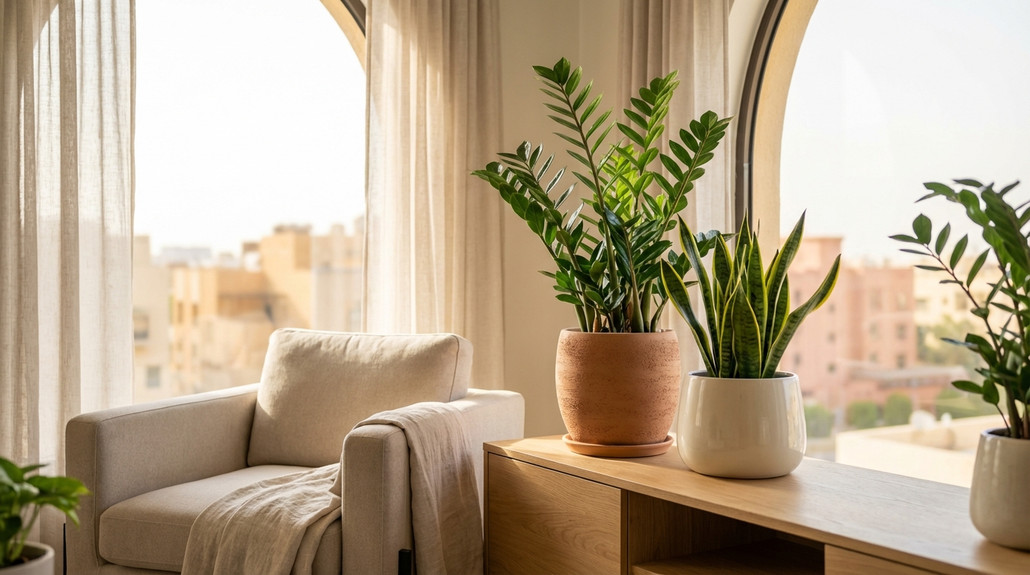
For your first foray into indoor gardening in Saudi Arabia, it is wise to start with plants known for their resilience and tolerance for typical home conditions. Setting yourself up for success with a hardy plant will build your confidence. Avoid delicate, demanding species until you have more experience. Excellent starter plants include the Zamioculcas zamiifolia (ZZ Plant), which is extremely tolerant of low light and infrequent watering. Another is the Sansevieria (Snake Plant), renowned for its air-purifying qualities and its ability to withstand neglect. The Epipremnum aureum (Pothos) is also a classic beginner's choice; it's a trailing vine that grows quickly and clearly shows you when it needs water by slightly drooping its leaves. These plants are forgiving of common mistakes and can adapt to the lower humidity and fluctuating light levels found in many apartments and villas. By choosing resilient indoor plants, you give yourself the best chance of a positive and rewarding experience from the very beginning.
A Quick-Start Checklist for Your New Plant
When a new plant arrives, it has been through the stress of transport and is entering a completely new environment. Following a few simple steps can help it acclimate smoothly and prevent common initial problems. This is not a time for drastic action, but for gentle observation and care.
- Isolate for a few days: Keep your new plant separate from any other plants you may have. This is a quarantine period to ensure it doesn't have any hidden pests that could spread to your other plants. A week is a good duration.
- Inspect thoroughly: Gently check the leaves (both top and bottom), stems, and the surface of the soil for any signs of pests like spider mites or mealybugs.
- Check soil moisture: Do not water it immediately upon arrival. Instead, check the soil moisture with your finger. If it's very dry, give it a thorough watering. If it's moist, let it be.
- Provide appropriate light: Place it in a spot that receives the recommended amount of light for its species. Avoid placing a new plant in intense, direct sunlight, as this can add to its stress. Give it moderate, indirect light for the first week.
- Avoid immediate repotting: Resist the urge to repot your new plant right away. It is already dealing with the shock of a new location. Let it acclimate to your home's light and temperature for at least two to four weeks before considering a new pot. Repotting is another major stressor.
- Hold off on fertilizing: Do not fertilize a new or stressed plant. Most plants from a nursery have been recently fertilized. Wait at least a month before introducing any plant food. Following these essential plant care practices from day one will make a significant difference.
What are the easiest indoor plants to grow in Saudi Arabia?
The easiest plants are those that tolerate lower humidity, a wider range of light conditions, and inconsistent watering. Top choices include the Snake Plant (Sansevieria), ZZ Plant (Zamioculcas zamiifolia), and Pothos (Epipremnum aureum). These are exceptionally durable and adapt well to air-conditioned interiors.
How often should I really water my plants in an AC-cooled home?
There is no fixed schedule. The frequency depends on the plant, pot size, and light. The dry air from the AC can make the topsoil dry out fast, but the root ball might still be wet. The only reliable method is to check the soil. Push your finger 2-3 cm deep. If it feels dry, it's time to water. If it's even slightly damp, wait and check again in a few days.
My apartment has very little natural light. Can I still have plants?
Yes, absolutely. While all plants need some light, several species are well-adapted to low-light conditions. The ZZ Plant, Snake Plant, and certain varieties of Dracaena can thrive in spots far from a window. You can also supplement with artificial grow lights, which are highly effective for creating a green space anywhere in your home.