


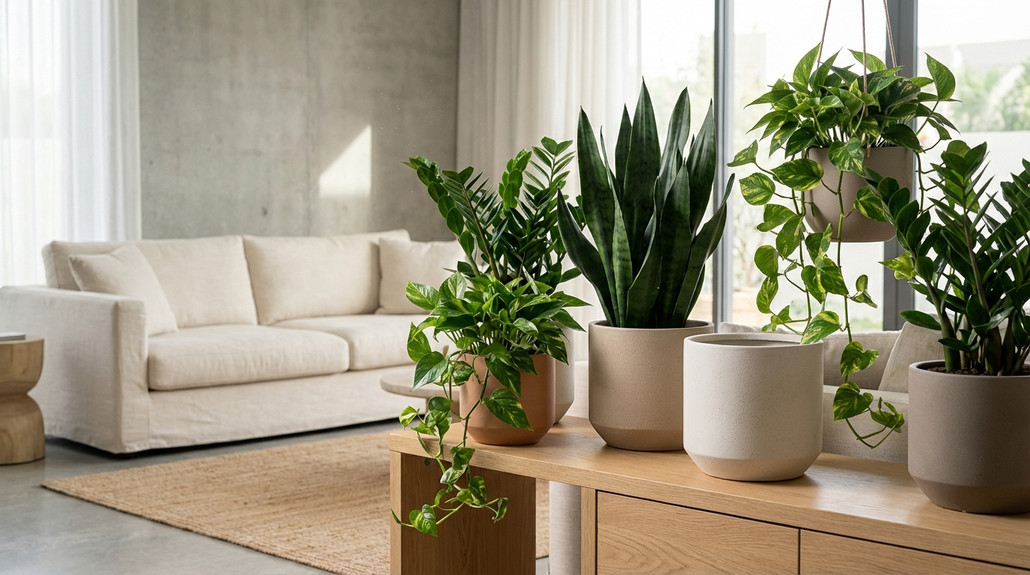
Indoor Plants That Don’t Require Constant Attention in Iraq Homes
Posted by Mozher Experts on 25.02.26
Understanding the Iraqi Indoor Environment
Keeping indoor plants alive in Iraq presents a unique set of challenges. The intense outdoor heat means our homes and offices rely heavily on air conditioning for most of the year. While the AC provides comfort for us, it creates a difficult environment for many plants. The constant cold, dry air it produces can be just as stressful as the heat it combats. This dry air, or "jafaf al-jaw" as it is known, rapidly removes moisture from both the soil and the leaves of plants, leading to brown tips and stress. Furthermore, the dust (ghubar) common in our region can settle on leaves, blocking light and hindering the plant's ability to photosynthesize. Therefore, selecting a plant is not just about finding one that looks good; it's about choosing a species that can withstand these specific, demanding indoor conditions. The goal is to find plants that are resilient enough to tolerate the dry, air-conditioned air and forgive a forgotten watering session, making them suitable for a busy lifestyle.
Characteristics of a Truly Resilient Plant
A plant's ability to require minimal care is not accidental; it is based on specific biological traits developed over millennia. Understanding these traits helps in making an informed choice. Truly low-maintenance plants excel in three key areas: water retention, light adaptability, and slow growth. Drought-tolerant species, like succulents and ZZ plants, have evolved specialized root systems or thick, waxy leaves to store water for long periods. This makes them incredibly forgiving if you miss a watering. Light adaptability is another crucial factor. Many hardy plants originate from forest floors, where they receive dappled, indirect sunlight. This makes them perfectly suited for indoor spaces in Iraq, which may not have windows facing the ideal direction. They thrive without the stress of direct, intense sun. Finally, slow growth is a significant benefit. Fast-growing plants require frequent pruning, repotting, and nutrient supplementation. In contrast, slow-growers maintain their size and shape for longer, demanding far less intervention. These are the core features to look for in any plant intended for a low-effort green space.
Proven Plants for Low-Effort Greenery
Based on years of experience with plants in Iraqi homes, a few species consistently prove their resilience. These are not merely trendy; they are functionally superior for our specific indoor climates. Choosing from this shortlist dramatically increases the probability of success for beginners or those with limited time.
The Snake Plant (Dracaena trifasciata)
Often considered nearly indestructible, the Snake Plant is the gold standard for easy care. Its stiff, upright leaves are architectural and fit well in modern decor. It stores water in its leaves, allowing it to survive for weeks without watering. Critically, it is highly tolerant of low light, making it perfect for corners or rooms with limited natural sunlight. It also withstands the dry air from an AC unit better than most other houseplants. Its air-purifying properties are an added benefit, removing common household toxins from the air. This plant thrives on neglect; the most common mistake is overwatering it.
The ZZ Plant (Zamioculcas zamiifolia)
The ZZ Plant is another top contender for the most forgiving indoor plant. Its wide, dark green leaves are naturally glossy, giving it a polished look without any need for leaf shine products. The key to its hardiness lies underground in its large, potato-like rhizomes that store significant amounts of water. This feature makes it exceptionally drought-tolerant. A ZZ plant can go a month or more between waterings, especially in lower light conditions. It is also highly adaptable to a wide spectrum of light levels, from low to bright, indirect light. Its resilience makes it an excellent choice for an office desk or a living room that doesn't receive constant attention.
The Pothos (Epipremnum aureum)
Known for its trailing vines and heart-shaped leaves, the Pothos is both beautiful and tough. It is an excellent communicator, as its leaves will visibly droop when it needs water, taking the guesswork out of your watering schedule. It recovers quickly once watered. Pothos is adaptable to various light situations, though it prefers bright, indirect light to maintain its variegation. It can tolerate lower light but may lose some of its distinctive leaf patterns. Its fast-growing vines can be trimmed to encourage fuller growth or left to hang, making it versatile for shelves and hanging baskets.
A Simple Care Routine That Prevents Failure
The secret to keeping low-maintenance plants thriving is to resist the urge to over-care for them. A minimal, consistent routine is far more effective than frequent, unnecessary intervention. The most important rule is to water based on need, not on a schedule. Before watering, always check the soil. Push your finger about two inches deep; if it feels dry, it's time to water. If it feels moist, wait longer. This single practice prevents root rot, the most common killer of indoor plants. Secondly, find the right light spot and leave the plant there. Moving plants frequently causes stress. Finally, keep the leaves clean. In a dusty climate like Iraq's, a layer of dust can accumulate quickly. Wipe the leaves with a damp cloth every few weeks to allow the plant to breathe and absorb light efficiently. For the plants mentioned above, fertilization is rarely a concern. A single feeding with a balanced liquid fertilizer during the spring is more than sufficient for the entire year. This hands-off approach allows these resilient plants to do what they do best: survive and thrive with minimal help.
Recognizing the Signs of Too Much Attention
For hardy, low-maintenance indoor plants, more harm is done by over-caring than by neglect. It is crucial to recognize the symptoms of excessive attention. The most significant danger is overwatering. Yellowing leaves, especially lower ones, are a primary indicator. If the soil is constantly damp and the leaves are turning yellow or mushy, you are watering too often. The base of the plant might also feel soft or smell foul, which are signs of root rot. Another common mistake is over-fertilizing. While it may seem helpful, too much fertilizer can burn the plant's roots. Symptoms of fertilizer burn include brown, crispy leaf edges or tips, stunted growth, or a white, crusty buildup on the soil surface. Similarly, placing a low-light plant in intense, direct sun can scorch its leaves, causing pale or burnt-looking patches. Learning to step back and observe the plant is a key skill. These resilient species prefer to be left alone, and providing less care is often the best care you can give.
Choosing the Right Plant for Your Space
Matching a plant's needs to the specific conditions of a room is essential for long-term success. Even the hardiest plants will struggle if placed in an environment that is completely unsuitable. For a dimly lit corner of a living room or an office with no direct sunlight, the Snake Plant or ZZ Plant are ideal choices. Their ability to thrive in low-light conditions is unmatched. For a bookshelf or a high shelf where you want foliage to trail down, a Pothos is an excellent option. If you are looking for a plant for a bedroom, the Snake Plant is again a great choice due to its habit of releasing oxygen at night. For any placement, ensure the plant is not in the direct path of a cold AC draft, as this can cause sudden stress. By thoughtfully considering the light, space, and purpose, you can select from a collection of hardy plants that will not just survive but also enhance your home's aesthetic with minimal effort. The right selection from the start saves time and prevents disappointment.
A Fundamental Rule for Plant Selection
When starting with indoor plants in Iraq, the most practical approach is to choose plants known for their resilience and then place them in suitable containers. The pot is as important as the plant itself. A common beginner error is selecting a decorative pot that lacks a drainage hole. Without proper drainage, excess water pools at the bottom, suffocating the roots and leading to inevitable root rot, even in drought-tolerant plants. Always ensure your plant is in a pot with adequate drainage. You can place this functional pot inside a more decorative outer container if you wish. This simple but critical choice provides a buffer against accidental overwatering and is the foundation of successful plant ownership. Browse through a variety of pots with proper drainage holes to find one that suits your style while protecting your plant. By pairing a hardy plant with a pot that allows its roots to breathe, you create a forgiving system that requires very little maintenance and provides lasting beauty for your home.
Frequently Asked Questions
How often should I really water a low-maintenance plant?
There is no fixed schedule. The correct frequency depends on light, temperature, and the plant itself. The best method is to check the soil. For plants like the Snake Plant and ZZ Plant, allow the soil to dry out completely before watering again. This might mean watering only once every 3-4 weeks, or even less in winter. For a Pothos, water when the top two inches of soil are dry. Overwatering is a far greater risk than underwatering for these species.
Can these plants survive in a room with only artificial light?
Yes, many low-maintenance plants can adapt to artificial light, making them suitable for offices or basements. The Snake Plant, ZZ Plant, and Pothos can all survive under standard fluorescent or LED office lighting. However, the light source should be on for at least 8-10 hours a day. Growth may be slower than in natural light, but they will maintain their health. You can explore a range of our curated selection of indoor plants known to perform well in such environments.
Do I need to worry about pests with these plants?
Low-maintenance plants are generally pest-resistant, but not pest-proof. Pests like spider mites or mealybugs can occasionally appear, especially if a plant is stressed. The best defense is prevention. Wiping dust off the leaves regularly removes potential hiding spots for pests. If you notice any pests, they can often be managed by wiping them off with a cloth dipped in soapy water. Because these plants are so resilient, they can typically withstand and recover from a minor pest issue with simple treatment.