


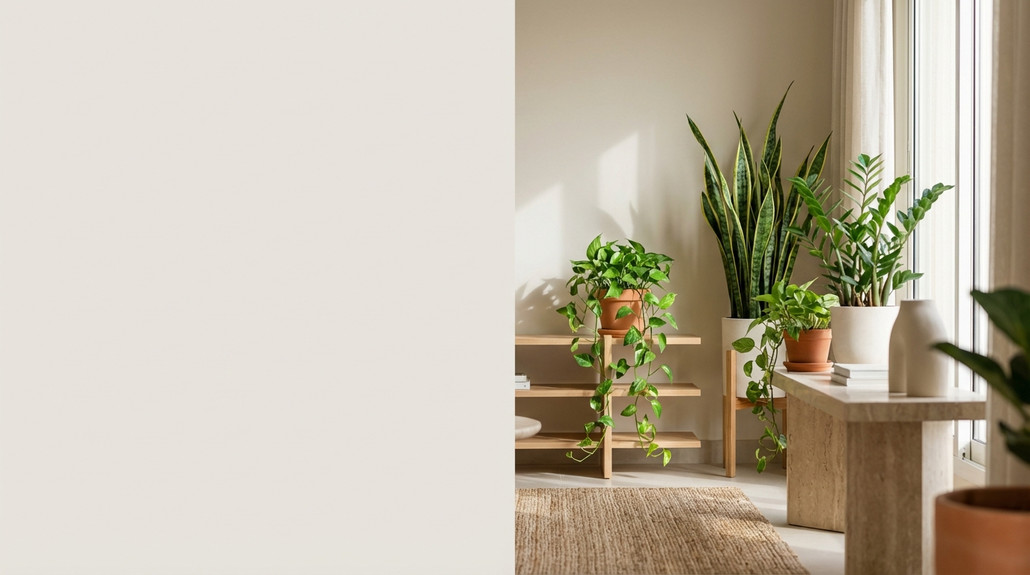
Indoor Plants That Don’t Require Constant Attention in Saudi Arabia Homes
Posted by Mozher Expoerts on 27.02.26
The Saudi Arabian Climate: A Unique Paradox for Indoor Plants
For many residents across Saudi Arabia, the desire to infuse our homes and offices with the calming presence of indoor plants often meets a unique set of environmental challenges. Our formidable climate, with its relentless sun and soaring temperatures for much of the year, contrasts sharply with our meticulously controlled indoor spaces. The ubiquitous air conditioning, commonly known as 'AC' or 'السبلت', while essential for human comfort, creates an artificially arid microclimate that proves particularly demanding for most indoor plants, especially those of tropical origin.
This pervasive dryness, coupled with direct, cold drafts from AC vents and the fine dust that frequently settles on foliage, crafts a silent battleground for your beloved plants. They often arrive from nurseries accustomed to more temperate or humid conditions, only to face an immediate shock that manifests as drooping leaves, browning tips, or a general decline. Generic plant care advice, usually tailored for more forgiving climates, simply falls short here. As a senior indoor-plant specialist and horticulture educator with deep roots in this region, I understand these nuances. The key to cultivating a truly thriving indoor oasis here isn't merely about choosing resilient species; it's about understanding and actively managing the unique dynamics of our climate-controlled interiors. At Mozher, we curate premium, climate-aware indoor plants and essentials specifically suited for these realities, ensuring they arrive healthy and are equipped for a successful journey in your home or office, leading to healthier plants and fewer losses.
Foundational Principles for Truly Low-Commitment Plant Care in Saudi Homes
Success with low maintenance indoor plants in Saudi Arabia isn't about ignoring them entirely. It’s about understanding their fundamental needs and providing the right environment from the outset, allowing them to truly thrive rather than just survive. The core principles revolve around selecting the right plant for your home’s unique conditions and establishing a routine that works with our climate, not against it. This approach fosters robust, exceptionally hardy indoor plants capable of withstanding irregular care, transforming your indoor greenery into a source of joy, not stress.
Embracing Drought Tolerance: Less is Often More with Watering
The most common mistake plant enthusiasts make in Saudi Arabia is overwatering. The cool, dehumidified air from your AC unit might make the top layer of soil appear parched, creating a deceptive illusion that the plant is thirsty. However, underneath this seemingly dry surface, the root ball can remain saturated for days, or even weeks. Adding more water to already wet soil starves the roots of vital oxygen, leading to suffocation and irreversible root rot. Therefore, abandoning a fixed watering schedule is paramount for successful low maintenance indoor plants care. Instead, adopt an observation-based approach: the golden rule is to "check the soil, deeply, before every watering." Insert your finger about 5-7 centimeters (2-3 inches) into the soil; if it feels completely dry, powdery, or crumbly to the touch, then it's genuinely time for a thorough drink. If there is any lingering moisture or coolness, even slight dampness, wait patiently for a few more days. For absolute clarity and peace of mind, a reliable moisture meter can be an invaluable tool, removing any guesswork from your watering routine.
The Right Light: Adapting to Saudi Interiors
Light is the fundamental energy source for every plant, powering the photosynthesis that sustains its life. In Saudi Arabia, the sheer intensity of our sun, even when filtered through glass, can be overwhelmingly powerful, quickly scorching delicate leaves. Conversely, many modern homes feature heavy curtains or tinted windows to block this harsh glare and heat, inadvertently creating dimly lit interiors where plants struggle to photosynthesize efficiently. The objective is to provide "bright, indirect light" — illumination that energizes without causing harm. It’s about positioning plants to receive ample light without the scorching effects of direct rays. For rooms or corners with inherently limited natural light, selecting low-light tolerant plants becomes invaluable, ensuring your plant receives precisely what it needs without suffering from overexposure or insufficient energy. Careful observation is key, as the light in a room can change dramatically with the time of day and the season, necessitating occasional adjustments to plant placement.
The Critical Role of Proper Drainage and Soil Aeration
The foundation for any healthy plant is its growing medium and the pot it resides in. In Saudi Arabia, where specific climate challenges impose unique needs, using a generic or unsuitable soil mix, or a pot without proper drainage, is a common mistake that sets plants up for failure. Improper drainage exacerbates watering woes, creating conditions ripe for root problems and slow decline. Every pot, without exception, must have adequate drainage holes at the bottom to allow excess water to escape. Without these holes, water becomes trapped, leading to stagnant conditions and inevitable root rot. If you admire a beautiful decorative pot without holes, simply use it as an outer sleeve, keeping your plant in a functional nursery pot with drainage inside. Mozher offers a range of properly draining pots designed to support plant health and prevent root issues in our climate. Furthermore, using a high-quality, specialized indoor potting mix—one that's lightweight and airy with components like peat moss, perlite, and coco coir—is essential for balancing moisture retention with the aeration roots need to breathe. You can find quality options at our soil, fertilizers, and care tools section.
Champions of Resilience: Top Truly Low-Maintenance Indoor Plants for Saudi Arabia
For those in Saudi Arabia genuinely seeking indoor plants that don’t require constant attention, selecting the right species is half the battle. These are the inherently strong, forgiving varieties that possess natural mechanisms to cope with less frequent watering, varied light levels, and the dry air from the AC. They are the true champions of resilience, making them ideal companions for busy lives or for anyone just embarking on their green journey. Our curated collection of low-maintenance indoor plants is an excellent starting point.
Snake Plant (Sansevieria trifasciata): The Unyielding Survivor
The Snake Plant, also widely known as Mother-in-Law's Tongue, stands as a gold standard for indestructible indoor plants. Its upright, sword-like leaves are not just aesthetically striking; they are natural reservoirs, efficiently storing water and allowing the plant to go for weeks, or even months, without a drink. This inherent drought tolerance makes it virtually impervious to the dry air of constant air conditioning, truly living up to its neglect tolerant reputation. It is remarkably versatile with light levels, thriving anywhere from dimly lit corners to bright, indirect light, which is excellent for various spots within a Saudi Arabian home. Its architectural form adds a modern, sculptural touch to any room. In fact, the most common mistake with a Snake Plant is overwatering, which can quickly lead to root rot. Its needs are truly minimal, requiring only occasional dusting of its leaves to ensure efficient light absorption and to combat the pervasive indoor dust.
ZZ Plant (Zamioculcas zamiifolia): Drought-Tolerant Elegance
If you're looking for an indoor plant that is nearly impossible to kill in Saudi Arabia, even in challenging low-light conditions, the ZZ Plant is your answer. Its glossy, dark green leaves grow from large, potato-like rhizomes hidden beneath the soil. These rhizomes act as natural water batteries, allowing the plant to endure extended periods of drought with exceptional ease. This makes it ideal for busy individuals, frequent travelers, or anyone who tends to forget watering days. The ZZ Plant performs exceptionally well in consistently low light, making it a perfect choice for offices or interior rooms with limited natural illumination. It remains completely unfazed by the dry air from AC units, showing no signs of stress. Its slow, steady growth means it won't quickly outgrow its space, requiring minimal pruning or repotting for years. For an apartment or office needing an elegant touch of greenery that tolerates dimness and long periods of inattention, this hardy plant is a prime candidate.
Pothos (Epipremnum aureum): Hardy and Forgiving Trailblazer
Often called Devil's Ivy, the Pothos is an incredibly versatile and forgiving trailing plant. While it appreciates more consistent moisture than the Snake or ZZ Plant, its greatest virtue lies in its clear communication: its leaves will visibly droop when thirsty, and quickly perk up once hydrated. This unmistakable signal takes the guesswork out of watering, making it an excellent beginner plant choice. Pothos adapts to a wide spectrum of lighting conditions, from low to bright indirect light, and handles the average dry indoor air well, though it appreciates occasional dusting or a gentle wipe to maintain its lush appearance. Its fast-growing vines can be left to trail gracefully from shelves or hanging planters, adding dynamic greenery and a sense of abundance to any space with a minimal routine requirement.
Spider Plant (Chlorophytum comosum): Adaptable and Pet-Friendly
The Spider Plant is a classic choice for a good reason: it’s incredibly easy to care for and produces charming "spiderettes" that can be effortlessly propagated, making it a fun plant for any home. It’s adaptable to various light conditions, from bright indirect to medium light, though it prefers consistent indirect light for its best variegation. While it enjoys a bit more humidity than some arid-adapted plants, it tolerates the dry Saudi Arabian indoor air reasonably well and is quite forgiving of inconsistent watering. It's also celebrated for its air-purifying qualities, helping to remove common indoor toxins. Importantly, it is non-toxic to pets and children, making it a fantastic choice for family-friendly households. Its resilience, ease of care, and safe nature make it a great option for pet-safe indoor plants in Saudi Arabia.
Cactus & Succulents: Masters of Minimal Watering and Drought Tolerance
Cacti and most succulents are native to arid regions and are inherently designed to withstand intense heat and prolonged drought. They store water efficiently in their fleshy leaves or stems, allowing them to go for very long periods without water. While many varieties thrive in bright, direct sun, some are quite tolerant of bright indirect light, making them suitable for sunny windowsills that might be too harsh for other plants, or even placed slightly back from the windows. The key to their success indoors in Saudi Arabia is extremely well-draining soil and very infrequent watering. Overwatering is almost always fatal for these plants. Their diverse forms and minimal needs make them excellent choices for those looking for unique, low maintenance indoor plants that can withstand even the warmest, driest spots in a Saudi Arabian apartment. They are a true testament to resilience in harsh conditions, truly embodying drought tolerance.
The Minimalist Care Routine: Less Is Often More for Saudi Arabian Plants
Even the most robust and neglect tolerant plants benefit from a simple, consistent routine. The key is to be mindful and responsive to their signals, rather than rigidly adhering to a calendar. This approach saves time and prevents the common issues that lead to plant decline in our unique Saudi Arabian indoor environments, which are often caused by well-meaning but misguided efforts.
Watering Wisdom: The Critical Role of Soil Moisture
As discussed, the most common pitfall for plant enthusiasts in Saudi Arabia is overwatering, a mistake exacerbated by our AC-cooled interiors. The cool, dehumidified air from the 'السبلت' can make the top layer of soil appear parched, creating a deceptive illusion that the plant is thirsty. However, underneath this surface, the root ball can remain saturated for days, or even weeks. Adding more water to already wet soil starves the roots of vital oxygen, leading to suffocation and irreversible root rot. Therefore, abandoning a fixed watering schedule is paramount. Instead, adopt a "check the soil, deeply, before every watering" rule. Insert your finger about 5-7 centimeters (2-3 inches) into the soil; if it feels completely dry, then it's time for a thorough drink. If there is any lingering moisture, wait. For absolute accuracy, a reliable moisture meter can be an invaluable tool.
Light Logic: Finding the Right Balance Indoors
Light is the vital energy for plants. In Saudi Arabia, our sun's intensity, even behind glass, can scorch delicate leaves. Conversely, many modern homes have heavy curtains to block heat, inadvertently creating dimly lit spaces. The goal for low maintenance indoor plants is not just "more light," but the right kind of light—bright, indirect illumination that energizes without causing harm. Position plants to receive ample light without harsh direct rays. For areas with limited natural light, selecting low-light tolerant plants is essential, ensuring your plant gets what it needs. Observe how light shifts in your space throughout the day and with seasons, making small adjustments as needed.
Feeding Frugally: Understanding Nutrient Needs
Low maintenance indoor plants, by their very nature, typically have lower nutrient requirements. Over-fertilizing is a common mistake that can lead to root burn, especially in our dry climate where mineral salts can already accumulate from tap water. During their active growing months (typically spring and early summer before the peak heat), apply a diluted, balanced liquid fertilizer to moist soil once a month at most. Reduce or completely halt fertilization during the intense summer dormancy and cooler winter months, as plants naturally require fewer nutrients. Repotting into fresh, nutrient-rich soil every 1-2 years also provides a significant boost. Mozher offers quality soil, fertilizers, and tools that support these needs.
Cleaning Leaves Regularly: A Necessity for Plant Health
The pervasive fine dust that often accumulates in Saudi Arabian homes, settling on plant leaves, is more than just an aesthetic issue. A layer of dust can impede a plant's ability to photosynthesize efficiently, blocking vital light and clogging the tiny pores (stomata) on the leaves that facilitate gas exchange. This makes it harder for the plant to "breathe" and maintain its moisture balance. Therefore, gently wiping down dusty leaves with a soft, damp cloth every one to two weeks is a simple yet crucial act of care. This improves the plant's ability to absorb light, transpire effectively, and helps deter common pests that thrive on neglected foliage. Clean leaves simply look more vibrant and healthier, contributing to the overall aesthetic of your indoor space.
Red Flags: When Good Intentions Lead to Over-Caring
Paradoxically, the downfall of many a robust indoor plant in Saudi Arabia isn't neglect, but rather an excess of well-intentioned care. Our instinct to nurture can sometimes lead us astray, especially when dealing with species designed to thrive on minimal intervention. Understanding the signs of "over-care" is crucial for long-term plant health and for truly embracing the low-commitment solution philosophy.
Overwatering: The Silent Killer in AC Environments
As previously discussed, overwatering is the primary culprit for many plant problems. Signs include yellow leaves that are soft, limp, and often drop easily, typically starting from the lower foliage. The plant may appear generally droopy or wilted, despite the soil feeling consistently wet. A musty or foul odor from the soil, or the presence of tiny flying insects (fungus gnats), are strong indicators of perpetually damp conditions leading to root rot. If you observe these signs, stop watering immediately, gently unpot the plant to inspect for rotten roots, trim any affected parts with sterile shears, and repot in fresh, well-draining soil. Always prioritize letting the soil dry out significantly before the next watering cycle; it is far easier for a plant to recover from thirst than from a drowned root system.
Over-fertilizing: More Harm Than Help
Fertilizer is plant food, but too much of it can be detrimental. Over-fertilizing can "burn" the roots, causing crisp brown leaf edges or sudden leaf drop, particularly on new growth. This happens because high concentrations of salts in the soil pull water from the roots, effectively dehydrating the plant. In our dry climate, existing soil salts from tap water can already be an issue, and over-fertilizing exacerbates it. Low maintenance indoor plants often require far less fertilizer than their thirstier counterparts. During their active growing months (typically spring and early summer in Saudi Arabia before the peak heat), apply a diluted, balanced liquid fertilizer to moist soil once a month. Reduce or completely halt fertilization during the intense summer dormancy and cooler winter months, as plants naturally require fewer nutrients during these periods.
Panic Relocation: Causing Unnecessary Stress
When a plant starts to look unwell, the immediate urge might be to move it to a "better" spot – perhaps a sunnier window or a more humid bathroom. However, sudden, dramatic changes in environment can inflict additional stress, known as transplant shock, making recovery even harder. Plants acclimate to their conditions over time, and abrupt shifts in light, temperature, or humidity are highly unsettling. If a change of location is necessary, do so gradually over several days. Move the plant a few feet at a time, allowing it to slowly adjust to its new surroundings. This mindful transition is especially important for new arrivals from nurseries, as they are already adjusting to a completely different home environment. Even Mozher's exceptionally hardy indoor plants benefit from a gentle introduction to their new spot.
Scenario-Based Plant Picks for Diverse Saudi Arabian Living Spaces
Choosing the ideal indoor plant in Saudi Arabia isn't merely about general hardiness; it's about matching its natural tendencies with your specific lifestyle and the precise conditions of each corner of your Saudi Arabian home or office. By considering these distinct scenarios, you can choose a plant that will naturally excel, minimizing effort and maximizing your enjoyment of vibrant indoor greenery.
For Your Home Office or Study Desk
For limited spaces like office desks, side tables, or small shelves, you need plants that thrive without demanding much room or constant attention. Snake Plants and ZZ Plants are ideal, offering architectural interest and exceptional resilience in low to medium indirect light. Their slow growth rate means less frequent pruning and repotting, and their drought tolerance forgives forgotten watering days. Pothos is another excellent choice; its trailing vines can soften harsh desk lines and tolerate varied light conditions. For more workspace-friendly options, explore Mozher's plants ideal for office desks, curated for both aesthetics and easy care.
For Living Rooms and Entryways
Living rooms and entryways often benefit from larger, more impactful plants that can make a statement. Here, taller Snake Plants or a robust ZZ Plant can command attention with their strong vertical lines or lush foliage. These areas typically receive more ambient light, often bright but indirect, which suits these plants perfectly. Pothos can also be used as a hanging plant or allowed to trail gracefully from shelves or hanging planters, adding dynamic greenery and a sense of abundance to any space with minimal fuss. The key is to select plants that can handle the brighter, but still indirect, light and can tolerate the general dry air without the need for constant misting. Remember to rotate them occasionally to ensure even growth.
For Bedrooms with Filtered Light
Bedrooms often feature softer, filtered light, making them ideal for plants that prefer more subdued conditions. Snake Plants are particularly suited for bedrooms because they are known for converting CO2 to oxygen at night, which can enhance air quality while you sleep. ZZ Plants also perform wonderfully in low light. Ensure that you do not place plants directly under AC vents, as the constant dry draft can cause stress. Grouping plants together can help create a localized pocket of humidity, which benefits all of them.
For Pet-Friendly Households
If you share your home with curious pets or small children, plant toxicity is a crucial consideration. While many common houseplants can cause mild digestive upset if ingested, the Spider Plant stands out as a fantastic, non-toxic option that offers vibrant greenery and ease of care. Its arching, variegated leaves and charming "spiderettes" add visual interest, and it's quite forgiving of varied light and watering schedules. It is a delightful addition that provides peace of mind for pet owners. Always research a plant's toxicity thoroughly before bringing it into your home. Mozher can guide you through a selection of pet-safe indoor plants to ensure a harmonious home environment where everyone, including your furry friends, can thrive.
Comparison Table: Top Low-Maintenance Indoor Plants for Saudi Arabia Homes
| Plant Name | Light Tolerance | Watering Frequency (AC Home) | AC / Dry Air Tolerance | Growth Rate | Toxicity (Pet/Child Safety) |
|---|---|---|---|---|---|
| Snake Plant | Low to Bright Indirect | Very Low (3-6 weeks) | Excellent | Slow | Mildly Toxic |
| ZZ Plant | Low to Bright Indirect | Very Low (4-8 weeks) | Excellent | Very Slow | Mildly Toxic |
| Pothos | Low to Bright Indirect | Medium (1-2 weeks) | Good | Medium to Fast | Mildly Toxic |
| Spider Plant | Medium to Bright Indirect | Medium (1-2 weeks) | Good | Medium | Non-Toxic |
| Cactus & Succulents | Bright Direct to Indirect | Very Low (weeks to months) | Excellent | Slow | Varies (most non-toxic, some irritating) |
A Simple Selection Rule to Prevent Plant Loss
To ensure a successful and rewarding experience with low maintenance indoor plants in your Saudi Arabian home, always remember this fundamental rule: choose a plant that suits the environment you currently have, not the environment you wish you had. Be honest with yourself about the true light levels in your rooms, the constant impact of the 'السبلت' on air dryness, and the realistic amount of time you can dedicate to plant care. Do not fall into the trap of buying a plant that demands tropical humidity and bright, direct sun if your space is persistently dry and receives filtered light. This practical approach prevents frustration and ensures you cultivate a rewarding and thriving indoor garden that truly harmonizes with your living space.
At Mozher, our curated collection is specifically selected with these local realities in mind, giving you the best starting point. With climate-aware recommendations, paired with essentials like properly draining pots and a reliable moisture meter, you'll be well-equipped to provide the best possible care. Remember that healthy plants truly enrich our homes and offices, offering a calming presence and a connection to nature, even amidst the most urban and air-conditioned settings. Embracing this philosophy means fewer plant losses and more enjoyment from your resilient green companions for years to come. For a deeper understanding of plant physiology and care, you can also review resources from credible horticulture sources such as the Missouri Botanical Garden's plant care guides and the Clemson University Home & Garden Information Center for broader horticultural insights.
Frequently Asked Questions About Low-Maintenance Indoor Plants in Saudi Arabia
How can I tell if yellow leaves are from overwatering or underwatering in an AC-cooled room in Saudi Arabia?
This is a critical distinction in Saudi Arabia's climate. If the yellow leaves are soft, limp, and mushy, and the soil feels wet to the touch even days after watering, this strongly indicates overwatering. The cool AC air significantly slows water evaporation, trapping moisture. Conversely, if the yellow leaves are dry, crispy, and brittle, and the soil is bone-dry, it's a sign of underwatering. Always check the soil moisture deeply with your finger or using a reliable moisture meter before diagnosing the problem or adding water.
Can yellow leaves ever turn green again?
Unfortunately, once a leaf has turned definitively yellow, it rarely reverts to green. The cells responsible for producing chlorophyll have typically died. The best approach is to address the underlying cause of the yellowing. Once the issue is resolved, your plant will direct its energy towards producing new, healthy green growth. You can prune off severely yellowed or damaged leaves to encourage this new growth and improve the plant's overall appearance and vigor.
My plant has yellow leaves but also brown, crispy tips. What's the problem in a Saudi Arabian home?
This common symptom in Saudi homes typically points to low ambient humidity caused by continuous air conditioning. The dry air extracts moisture from the leaves faster than the roots can supply it, causing the tips to dry and brown, even if the soil itself is adequately moist. While ensuring proper watering is fundamental, the primary solution is to increase the humidity around the plant. Group plants together, or use a pebble tray with water, or keep the plant away from direct AC vents. Mineral buildup from tap water can also contribute to brown tips. For more information on dealing with plant problems in hot climates, resources like the Clemson University Home & Garden Information Center offer valuable guidance.
What are the best beginner-friendly indoor plants for Saudi Arabia?
For Saudi Arabian homes, you need indoor plants that tolerate low humidity and are forgiving of inconsistent watering. Excellent choices include the Snake Plant (Sansevieria), ZZ Plant (Zamioculcas zamiifolia), and Pothos (Epipremnum aureum). These species are naturally hardy, enabling them to withstand the dry, air-conditioned environments and often thrive in lower light conditions found indoors. Mozher's exceptionally hardy indoor plants include many options ideal for building confidence in new plant owners.