


Low Maintenance Indoor Plants for Busy People in Saudi Arabia Homes
Posted by Mozher Expoerts on 25.02.26
The Saudi Arabian Indoor Climate: A Unique Challenge for Busy Plant Owners
For many in Saudi Arabia, the desire for lush indoor greenery is often met with unexpected frustration. The paradox of our climate isn't just the intense outdoor heat, but the artificially dry and cool environment we create indoors. Our reliance on air conditioning, or the ubiquitous السبلت, keeps our homes comfortable, but it also relentlessly strips humidity from the air. This constant dehumidification creates conditions far removed from the humid, tropical origins of most popular houseplants. Plants can struggle, developing crispy leaf edges, stunted growth, and a general malaise, often perplexing owners who assume the heat demands more frequent watering.
Beyond the dry air, direct airflow from AC vents can cause thermal shock, leading to sudden leaf drop and stress. Dust, or الغبار, is another persistent challenge, settling on foliage and impeding photosynthesis. For busy individuals or those new to plant care, generic advice from temperate climates simply won't suffice. Success in Saudi homes requires selecting plants that are inherently resilient, forgiving of our unique indoor conditions, and capable of thriving with minimal, yet informed, intervention. It’s about choosing companions that see your air-conditioned space as a stable refuge, not a battleground.
What Truly Defines a Low-Maintenance Plant in Our Homes?
The term "low-maintenance" is often misinterpreted. In the context of a Saudi Arabian home, it doesn't mean a plant you can entirely forget, but rather one that possesses specific biological adaptations enabling it to tolerate common environmental stressors and occasional neglect. These are the plants that truly shine in our AC-heavy, often dry indoor environments.
Such resilient species typically feature efficient water-storage mechanisms, whether in thick, waxy leaves, fleshy stems, or robust rhizomes. This allows them to endure prolonged periods between waterings, making them exceptionally forgiving of a forgotten schedule. They also tend to be adaptable to varying light conditions, thriving in bright, indirect light but often tolerating lower light spots where less resilient plants would fail. Furthermore, slow growth is a desirable trait; it means less frequent repotting, pruning, and fertilization. When you choose from Mozher's exceptionally hardy plants, you're selecting species fundamentally equipped for the unique realities of our modern homes, ensuring healthier greenery and fewer losses.
Snake Plant (Sansevieria trifasciata): The Indestructible Sentinel
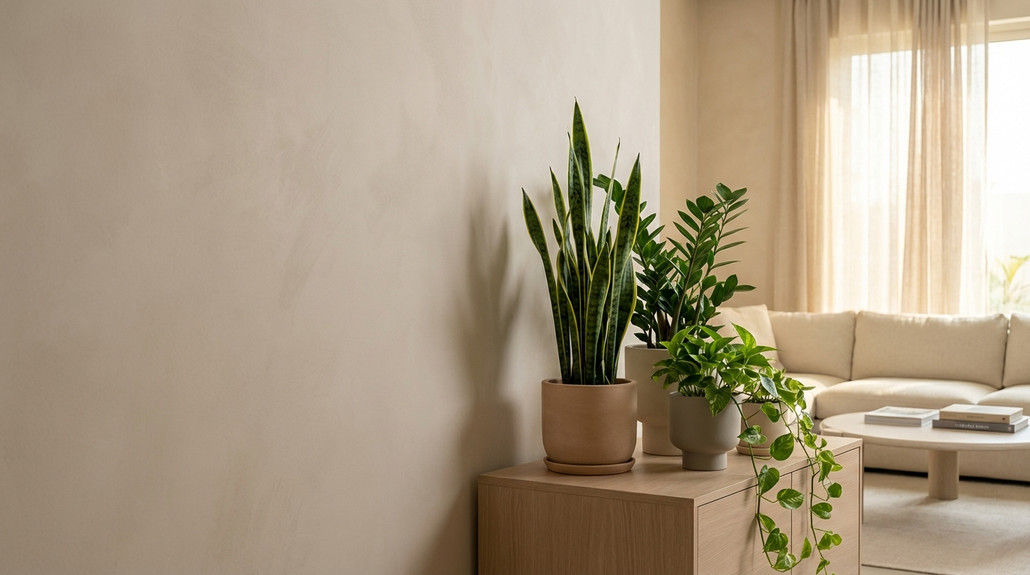
The Snake Plant, also known as Mother-in-Law's Tongue, is the gold standard for neglect-tolerant indoor plants. Its striking, upright, sword-like leaves are not just aesthetically pleasing; they are natural reservoirs, efficiently storing water and allowing the plant to go for weeks, sometimes even months, without a drink. This inherent drought tolerance makes it impervious to the dry air of constant air conditioning. It is remarkably versatile with light, thriving in anything from dim corners to bright, indirect light, and its architectural form adds a modern, sculptural touch to any room. In fact, the most common mistake with a Snake Plant is overwatering, which can lead to root rot. Its needs are truly minimal, requiring only occasional dusting of its leaves to ensure efficient light absorption.
ZZ Plant (Zamioculcas zamiifolia): The Glossy Green Powerhouse
If you're seeking a plant that's nearly impossible to kill, the ZZ Plant is your answer. Its glossy, dark green leaves emerge from large, potato-like rhizomes hidden beneath the soil, which are natural water batteries. These rhizomes enable the plant to endure extended periods of drought with remarkable ease, making it perfect for busy individuals, frequent travelers, or even the most forgetful plant parent. The ZZ Plant is also an exceptional performer in plants that tolerate low light conditions, making it an ideal choice for offices or rooms with limited natural illumination. It remains completely unfazed by the dry air from AC units, showing no signs of stress. Its slow, steady growth means it won't quickly outgrow its space, requiring minimal pruning or repotting for years.
Pothos (Epipremnum aureum): The Communicative Trailing Beauty
Often called Devil's Ivy, the Pothos is a versatile and incredibly forgiving trailing plant. While it appreciates more consistent moisture than the Snake or ZZ Plant, its greatest virtue is its clear communication: its leaves will visibly droop when thirsty, quickly perking up once hydrated. This unmistakable signal takes the guesswork out of watering, making it an excellent learning plant for beginners. Pothos adapts to a wide spectrum of lighting conditions, from low to bright indirect light, and handles the average dry indoor air well, though it appreciates occasional misting. Its fast-growing vines can be left to trail from shelves or hanging planters, adding dynamic greenery and a sense of lushness to any space with minimal fuss.
Mastering the Minimum: Your Essential Care Routine
Successful care for truly low-maintenance plants isn't about complexity; it's about a minimalist, observant approach. The irony is that these resilient species often suffer more from over-caring than from neglect. Our natural inclination to nurture can lead to detrimental mistakes, particularly overwatering. Your routine should be simple, focused on fundamental needs, and responsive to the plant's actual state rather than a rigid schedule.
Watering: Feel the Soil, Not the Calendar
The most crucial shift in our climate is abandoning fixed watering schedules. In an air-conditioned Saudi home, soil drying rates vary dramatically. The golden rule is simple: "Check the soil before every watering." Insert your finger about two inches deep into the soil. If it feels completely dry, it's time for a thorough drink. If there's any lingering moisture or coolness, wait a few more days. For plants like the Snake and ZZ, waiting an extra week is always safer than watering too soon. When you do water, do so deeply until excess liquid drains from the bottom of the pot, then promptly discard any standing water in the saucer to prevent root rot. For added accuracy, a reliable moisture meter can be an invaluable tool, providing a clear reading of subsurface conditions and removing any guesswork.
Light and Placement: The Right Spot is Key
Even the most neglect-tolerant plants require some light. Most low-maintenance options thrive in bright, indirect light, meaning a well-lit spot in the room away from harsh, direct sunbeams, especially the intense midday sun that can scorch leaves through a window. Critically, position your plants away from direct airflow from AC vents. The constant blast of cold, dry air will stress foliage, leading to browning and overall decline. A plant's ability to tolerate various conditions, especially in low light, simplifies placement, but consistency is still important. Once you find a suitable spot, try to keep your plant there to avoid unnecessary stress from frequent relocation.
Cleaning and Fertilizing: Simple and Infrequent
In our region, dust accumulates quickly on plant leaves. A layer of dust can hinder photosynthesis and block the plant's pores. Gently wipe the leaves with a soft, damp cloth every few weeks to keep them clean and efficient. As for fertilization, these hardy plants are not heavy feeders. A balanced liquid fertilizer, diluted to half strength, applied once or twice during the active growing season (spring and early summer) is typically sufficient. Avoid fertilizing entirely in winter when growth naturally slows, as excess nutrients can burn roots. For these simple tasks, having essential plant care tools can make a noticeable difference in your routine.
Red Flags: When Your Good Intentions Go Wrong
The paradox of caring for robust plants is that most issues stem from over-caring rather than true neglect. Our desire to "do more" for our plants often leads to fatal mistakes. Learning to recognize the subtle warning signs that you're being too attentive is critical for their long-term health.
Overwatering: The Silent Assassin
This is the number one killer of indoor plants, especially drought-tolerant species. Symptoms can be deceptive, often mimicking thirst. Look for yellowing lower leaves that are soft and limp, not dry and crispy. The plant may wilt even though the soil feels wet, because the roots are suffocating from lack of oxygen. A musty odor from the soil, or the presence of small flying insects (fungus gnats) attracted to perpetually damp conditions, are also clear indicators. If you observe these signs, stop watering immediately, ensure good drainage, and allow the soil to dry out completely. Remember, it's far easier for a plant to recover from being too dry than from rotting roots.
Over-fertilizing and Incorrect Light: Too Much of a Good Thing
Applying too much fertilizer can "burn" a plant's roots, leading to brown, crispy leaf edges or stunted growth. If you notice a white, crusty buildup on the soil surface, it's often an accumulation of excess salts from over-fertilization. The solution is to stop fertilizing for several months and flush the soil thoroughly by watering until excess drains out. Similarly, placing a low-light tolerant plant in intense, direct sun will scorch its leaves, causing pale or burnt patches. Conversely, a light-loving plant in a perpetually dark corner will develop pale, sparse foliage and stretch unhealthily towards any light source. Always refer to your plant's specific needs, like those found in comprehensive plant care guidance, and understand that less intervention is often the best approach for these resilient species.
Scenario-Based Plant Picks for Your Saudi Home
The ideal plant also depends on its intended purpose and location within your home or office. Matching the plant to the micro-conditions of each space significantly increases its chances of thriving and enhances its aesthetic impact.
For Your Desk or Office Corner
Office environments typically feature artificial lighting, dry AC air, and limited space. Compact ZZ Plants or smaller Snake Plant varieties (such as 'Hahnii') are outstanding choices. They tolerate low light, forgive irregular watering during busy workweeks or travel, and their neat growth habit won't clutter your workspace. They are truly ideal for desk and office settings, adding a calming touch of green without demanding precious time.
For the Bedroom: Serenity and Air Purification
Bedrooms often have lower light levels and are spaces for quiet rest. The Snake Plant is an excellent choice here, not only for its low-maintenance nature and low-light tolerance but also for its unique ability to release oxygen at night (unlike most plants, which do so during the day). This contributes to better air quality, promoting a serene and healthier sleeping environment. Its calm, architectural presence complements any decor without distraction.
For the Living Room or Entryway: Statement Greenery
To make a welcoming green statement in larger spaces, a taller Snake Plant or a substantial ZZ Plant can elegantly fill a corner with architectural grace. The Golden Pothos, with its trailing vines, is perfect for high shelves or hanging baskets, adding dynamic greenery and life to an entryway or living room. All these options tolerate the fluctuating light and dry air common in these active areas, making them reliable choices for lasting beauty.
The Simple Selection Rule to Prevent Plant Loss
After all the advice on care and selection, the most fundamental principle for successful indoor plant ownership in Saudi Arabia can be distilled into one simple rule: choose a plant for the environment you currently have, not the one you wish you had. Be honest with yourself about the true light levels in your home, the constant effect of the AC, and the realistic amount of time you can dedicate to plant care. Do not fall into the trap of buying a plant that demands high humidity and constant bright, direct sun if your home is typically dry and receives filtered light. This practical approach prevents frustration and ensures you cultivate a rewarding and thriving indoor garden.
Mozher's curated collection of indoor plants is selected with these local realities in mind, giving you the best starting point. By adhering to this principle, you build confidence and create a beautiful, sustainable green space that truly thrives. To begin your journey with plants truly suited for our region, explore options for low maintenance indoor plants today.
Frequently Asked Questions
How often should I really water a low-maintenance plant in an AC-cooled room?
Forget fixed schedules. Watering frequency depends on the plant type, pot size, light, and the specific dryness from your AC. The golden rule is to check the soil. Insert your finger two inches deep; if it's completely dry, water thoroughly. For plants like Snake or ZZ, this could mean as infrequently as once every 3-6 weeks. When in doubt, always wait an extra day, as overwatering is a far greater risk than underwatering for these species. For a precise reading, consider using a reliable moisture meter.
Can these hardy plants survive on only artificial office light?
Yes, many low-maintenance plants, particularly the Snake Plant and ZZ Plant, are highly adaptable and can sustain themselves under standard fluorescent or LED office lighting for extended periods. While they may grow slower than they would with natural light, they will remain healthy and provide greenery in windowless spaces. They are excellent choices for modern office environments where natural light is limited.
What are the immediate signs that I am overwatering my plant?
The most common signs of overwatering include yellowing lower leaves that feel soft and limp (not crispy), a general wilting despite wet soil, a musty odor from the pot, or the presence of small flying insects called fungus gnats. If you see these signs, immediately stop watering, ensure proper drainage, and allow the soil to dry out completely before attempting to water again. For comprehensive solutions, refer to Mozher's plant care guidance.
Why do the tips of my plant's leaves turn brown and crispy in an AC environment?
While sometimes indicating underwatering, in air-conditioned homes, crispy brown leaf tips are most commonly caused by low ambient humidity. The dry air from the AC unit pulls moisture from the leaves faster than the roots can supply it. This is often a cosmetic issue rather than a sign of serious distress for hardy plants. You can mitigate it by grouping plants, placing them on a pebble tray with water, or ensuring they are not in a direct AC draft. For sensitive tropicals, a humidifier might be needed.