


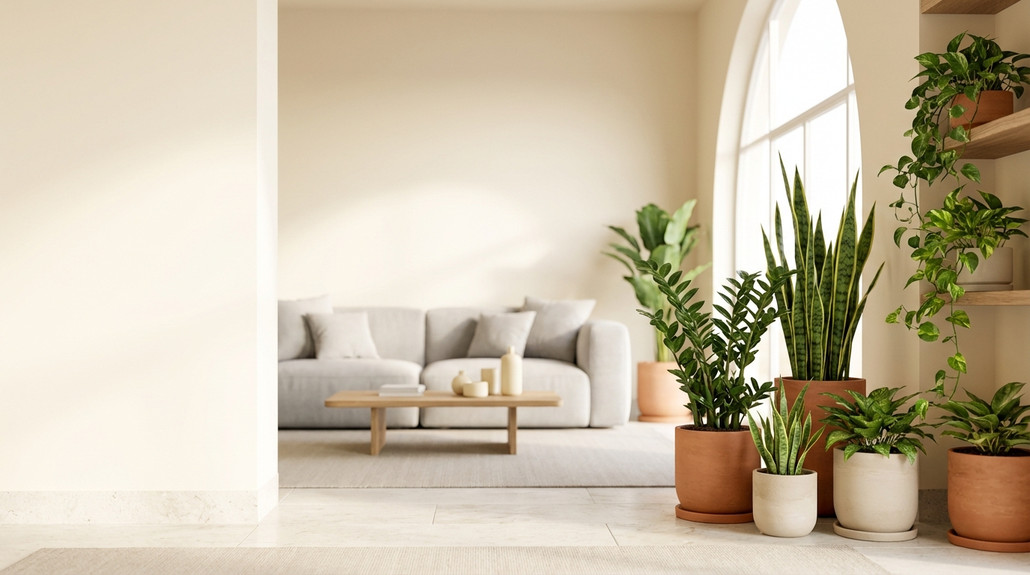
Low Maintenance Indoor Plants for Busy People in Saudi Arabia Homes
Posted by Mozher Expoerts on 06.03.26
The Unseen Battle: Why Saudi Arabia's Climate Challenges Indoor Plant Owners
The desire to bring the refreshing calm of nature indoors is a deeply felt pursuit for many across Saudi Arabia. In our region, where outdoor temperatures soar to extreme highs and indoor environments rely heavily on continuous air conditioning—colloquially known as "Al-Sablat" or simply AC—plants offer a profound sense of peace. However, this journey comes with a distinct set of environmental challenges that often differ significantly from generic plant care advice found elsewhere. Success here hinges on a nuanced understanding of the interplay between the scorching external heat, the persistent dehumidifying effect of our AC units, and the often-limited natural light available indoors.
Imagine a typical Saudi Arabian home during our long, intense summers. While the sun outside beats down relentlessly, the indispensable AC system hums continuously, creating a cool, yet artificially dry, refuge. This stark contrast profoundly impacts the microclimate our cherished indoor plants experience. The constant dehumidification by the Al-Sablat actively strips moisture from the air, often reducing indoor humidity levels far below the 40-60% range where most tropical indoor plants naturally thrive. This relentless dry air, coupled with potential cold drafts from AC vents and the pervasive fine dust (غبار) that frequently settles on foliage, presents an unseen battleground for even the most resilient flora. Plants also endure significant stress during their journey from the nursery to their new home, and the mineral content in local tap water can add another layer of complexity. At Mozher, we understand these realities. We curate plants specifically to not only survive but genuinely flourish within the demanding conditions of your Saudi Arabian home, leading to healthier plants, fewer losses, and a truly vibrant indoor oasis. Our aim is to provide low-commitment indoor plant solutions that fit seamlessly into your life here.
What Truly Defines a Low-Maintenance Plant in Saudi Arabia?
In Saudi Arabia's demanding indoor climate, the term "low maintenance indoor plants" isn't merely about occasional watering; it's fundamentally about a plant's inherent resilience and adaptability to our unique environment. We need species that aren't delicate specimens requiring constant pampering, but rather robust, exceptionally hardy indoor plants with natural toughness. These are plants possessing specific biological traits that allow them to withstand periods of occasional inattention, adapt to fluctuating indoor temperatures and consistently low humidity, and genuinely thrive with a minimal, yet mindful, care routine.
When selecting low maintenance indoor plants for a Saudi home, we specifically look for strong heat and drought tolerance, meaning they can endure dry spells between waterings without showing significant signs of stress. The ability to flourish in bright indirect light or even genuine plants that thrive in low light is crucial, given the varied light conditions in our homes and offices. Robust foliage that naturally resists common pests often found in dry air, and a natural hardiness that enables easy recovery from minor environmental shifts, are also key. These traits define truly neglect tolerant companions, making them ideal choices for beginners and experienced enthusiasts alike in our region. Mozher carefully curates its collection with these considerations in mind, prioritizing varieties known for their proven performance and resilience, even with the inherent delivery stress they might encounter in our climate.
Top Low-Commitment Indoor Plants for Saudi Homes
The key to a thriving indoor garden in a Saudi home, especially one navigating high temperatures, low humidity from continuous Al-Sablat use, and potentially inconsistent care, lies in selecting species that are naturally adapted. These are the true beginner plants that offer maximum beauty with minimal fuss, making them perfect companions for busy households across the Kingdom. Here, I present some of the most reliable choices that consistently prove their resilience even in challenging indoor environments:
Snake Plant (Sansevieria trifasciata): The Indestructible Architectural Choice
The Snake Plant, widely recognized as Mother-in-Law's Tongue, truly sets the gold standard for an exceptionally resilient indoor plant. Its distinctive upright, sword-like leaves are not only aesthetically striking, adding a modern, sculptural element to any room, but are also incredibly efficient natural reservoirs, adept at storing water for extended periods. This remarkable ability allows the plant to thrive for weeks, or even months, without needing frequent watering, making it practically immune to the dry air created by constant AC. What makes it even more appealing for homes with limited or fluctuating light is its extraordinary versatility across various light levels; it flourishes equally well in dimly lit corners as it does in bright, indirect light. This adaptability makes it an exceptional choice for various spots within a Saudi home. The most common pitfall with a Snake Plant is, ironically, overwatering, which can rapidly lead to root rot. Its needs are genuinely minimal, typically requiring only an occasional wipe-down of its leaves with a damp cloth to remove the pervasive fine dust and ensure efficient light absorption. This plant embodies the very essence of a truly neglect tolerant companion, ideal for any busy lifestyle in Saudi Arabia.
ZZ Plant (Zamioculcas zamiifolia): Effortless Elegance for Limited Light
If your quest is for an indoor plant that is nearly impossible to compromise, even in persistently challenging low light conditions, the ZZ Plant is your definitive answer. Its signature glossy, dark green leaves emerge gracefully from large, potato-like rhizomes, which are cleverly concealed beneath the soil surface. These rhizomes function as natural water batteries, enabling the plant to endure remarkably long periods of drought tolerance with exceptional ease. This inherent resilience makes it an ideal choice for busy individuals, frequent travelers, or anyone who tends to occasionally forget their watering routine. The ZZ Plant truly excels in low light environments, positioning it as a perfect candidate for deeper interior rooms or apartments where natural illumination is inherently limited. It remains completely unfazed by the dry airflow from Al-Sablat units, showing no visible signs of stress or discomfort. Its characteristically slow, steady growth rate means it will maintain its elegant form without quickly outgrowing its designated space, thus requiring minimal pruning or repotting for many years. For any Saudi home space that demands an enduring touch of stylish greenery, even in the dimmest conditions and through prolonged periods of inattention, this plant is a prime candidate among low maintenance indoor plants.
Pothos (Epipremnum aureum): The Communicative Trailing Companion
Often endearingly referred to as "Devil's Ivy," the Pothos is an incredibly versatile and remarkably forgiving trailing plant, making it a standout choice for indoor plants in Saudi Arabia homes. While it does appreciate more consistent moisture compared to the Snake or ZZ Plant, its most significant virtue lies in its unequivocal communication: its vibrant leaves will visibly begin to droop when the plant is thirsty, providing an unmistakable signal that it needs attention. Crucially, it quickly revives and perks up once thoroughly hydrated, removing much of the guesswork from the watering process. This clear feedback mechanism makes it an excellent, beginner-friendly option. Pothos demonstrates impressive adaptability across a broad spectrum of light levels, ranging from low-light corners to bright, indirect light, and it copes commendably with the average dry indoor air found in AC-cooled environments. Its relatively fast growth rate offers dynamic greenery; it can be left to cascade elegantly from shelves, bookcases, or hanging planters, adding a sense of abundance and natural charm to any space with minimal ongoing fuss. This inherent flexibility and resilience firmly establish Pothos as a reliable and aesthetically pleasing addition to virtually any Saudi indoor setting.
Cast Iron Plant (Aspidistra elatior): The Unyielding Green Statement
True to its name, the Cast Iron Plant is almost indestructible, making it an ideal candidate even for the most challenging indoor conditions in Saudi Arabia, particularly in dimly lit apartments. It is famously tolerant of very low light, infrequent watering, and even prolonged periods of neglect, thriving where many other plants would simply give up. Its dark green, leathery leaves are resilient to the dry Al-Sablat air and dust, requiring minimal attention beyond an occasional wipe to keep them shiny. The characteristically slow growth rate of the Cast Iron Plant means it will maintain its elegant, upright form without needing frequent repotting or pruning, making it a truly "set-it-and-forget-it" option. Its non-toxicity also makes it a safe choice for homes with pet-safe indoor plants or children, an important consideration for many families. For those seeking a long-lasting, robust green presence in a particularly dark or overlooked corner in their home, the Cast Iron Plant is a superb choice, renowned for its incredible hardiness and reliability in diverse conditions, fitting perfectly into the category of low maintenance indoor plants.
Spider Plant (Chlorophytum comosum): Air Purifier and Family-Friendly Pick
The Spider Plant retains its classic status for excellent reasons: it is remarkably easy to care for and produces charming "spiderettes" that can be effortlessly propagated, adding a delightful and interactive element to any home. Its adaptability to various light levels, from bright indirect to medium light, makes it a flexible choice for different areas within a Saudi space, though it typically flourishes best with consistent indirect light for optimal leaf coloration. While it enjoys slightly more humidity than some of the arid-adapted plants on this list, it tolerates the dry Saudi indoor air reasonably well and is quite forgiving of an inconsistent watering schedule. In addition to its aesthetic appeal and ease of care, the Spider Plant is highly regarded for its air-purifying qualities, actively helping to remove common indoor toxins from the environment, thereby contributing to a healthier living space. Furthermore, and of significant importance for many households, it is non-toxic to both pets and children, making it a fantastic choice for family-friendly homes. Mozher selects many pet-safe indoor plants to ensure a harmonious and secure environment for all.
Your Minimal Care Routine: Less Than You Expect, More Than Enough for Saudi Homes
Even the hardiest plants need a foundational level of care, especially in Saudi Arabia's unique indoor climate. The key to successful low-maintenance plant ownership is a consistent and thoughtful routine that prevents common pitfalls without demanding constant, intensive attention. It's a "low commitment but correct environment" approach. It's about being mindful and responsive to your plant's signals, not adhering to a rigid, time-consuming schedule. This approach minimizes stress for both you and your plants, leading to a flourishing indoor oasis.
The Golden Rule of Watering: Check, Don't Guess
Forget rigid watering schedules. The most common mistake plant owners make in Saudi Arabia is overwatering, especially with the Al-Sablat slowing down soil evaporation. Before you grab your watering can, always perform the "finger test": insert your finger about 5-7 centimeters (2-3 inches) deep into the soil. Only water if it feels completely dry, powdery, or crumbling. If there's any lingering coolness or dampness, even slight, patiently wait a few more days. For added accuracy, consider using a reliable moisture meter. This observation-based approach is crucial, as individual plant needs and environmental factors such as AC usage significantly affect drying times. Proper drainage is equally vital; ensure your pots with proper drainage allow excess water to escape freely, and always empty any collected water from the saucer promptly to prevent stagnant water and subsequent root rot. Mozher recommends choosing quality containers for this vital process.
Optimizing Light: Bright, Indirect is Best
While some plants are admirably low light tolerant, most indoor plants in Saudi Arabia homes thrive best in bright, indirect light. Direct, unfiltered Saudi sun through a window can easily scorch delicate leaves, leaving them with unsightly brown or bleached patches. Position your plants a few feet back from a sunny window or use sheer curtains to diffuse the intense light. Rotate your plants weekly to encourage even growth and prevent them from stretching dramatically towards a single light source. For naturally dim areas, choosing plants that thrive in low light from the outset is the most sustainable strategy for long-term success.
Managing Humidity and Airflow with the Al-Sablat
The continuous operation of the Al-Sablat (AC) actively strips moisture from the air, creating an exceptionally dry indoor atmosphere. This low humidity can lead to crispy leaf tips and edges and general damage, even when the soil is adequately moist. To counteract this, group your humidity-loving plants together to create a localized, slightly more humid microclimate. You can also place plants on pebble trays filled with water (with the crucial caveat that the pot doesn't sit directly in the water) to provide a gentle, consistent humidity boost. Crucially, position your plants well away from direct blasts of cold, dry air from Al-Sablat vents. While good air circulation is beneficial, harsh drafts are detrimental. Regular dusting of leaves with a soft, damp cloth is also essential to ensure efficient photosynthesis, as the fine dust (غبار) in Saudi Arabia can quickly accumulate and block vital pores.
Fertilization and Repotting: When Less is More
Low maintenance indoor plants rarely need frequent fertilization. Over-fertilizing, especially for stressed plants, can burn roots and cause more harm than good. Fertilize healthy, actively growing plants only (typically during spring and summer) with a diluted, balanced liquid fertilizer, no more than once every 2-4 weeks. Always ensure the soil is moist before fertilizing to prevent root burn. As for repotting, it's generally necessary every 1-2 years to replenish nutrients and prevent plants from becoming root-bound. When repotting, choose a pot only one size larger than the current one, and use quality potting mixes and care essentials that are light and well-draining.
Red Flags: Indicators You're Doing Too Much (or the Wrong Thing) in Saudi Arabia
Understanding your plant's distress signals is key to successful long-term care. In Saudi Arabia's climate, many common problems stem from well-intentioned but misguided efforts. Learning to interpret these visual cues can save your plants and reduce your frustration.
Overwatering: The Silent Killer of Saudi Plants
As discussed, overwatering is the most common and often fatal mistake. The slow evaporation in AC-cooled homes means roots sit in soggy soil, suffocating and eventually rotting. Signs include yellow, soft, mushy lower leaves, persistently wet soil days after watering, and sometimes small flying insects (fungus gnats). Always check the soil deeply with your finger or using a reliable moisture meter before watering, and ensure excess water drains completely from the pot.
Excessive Fertilizing: More Harm Than Good
Many owners mistakenly believe a struggling plant needs more food. However, over-fertilizing, especially for stressed plants, can burn roots, leading to yellowing, crispy leaves, and overall decline. A stressed plant is rarely hungry. Fertilize sparingly, if at all, only during active growth periods (typically spring and summer), and always dilute the fertilizer to half strength or less. Remember, the goal is to support growth, not force it.
Constant Repotting: Unnecessary Stress
While repotting is occasionally necessary, doing it too often can stress your plant. Plants generally prefer to be slightly root-bound. Repot only when roots are visibly circling the drainage holes, growth has significantly slowed despite proper care, or the plant is top-heavy and unstable. When you do repot, increase the pot size by only one increment to avoid giving the roots too much soil volume, which can lead back to overwatering issues.
Matching Low-Maintenance Plants to Your Space and Lifestyle in Saudi Arabia
Choosing the right plant isn't just about its inherent toughness; it's also about matching it to the specific space and its intended purpose within your home or office. Here are some suggestions tailored for different areas, with Saudi Arabia's climate and lifestyle in mind:
For Busy Desks and Office Corners
For workspaces where consistent daily attention is challenging, the Snake Plant and ZZ Plant are exceptional choices. Their ability to tolerate infrequent watering and a wide range of light conditions, including low light, makes them ideal companions. They thrive even with limited attention, providing a calming green presence without adding a significant burden to your busy schedule.
For Bright Living Areas and Family Rooms
Larger spaces or those that enjoy better ambient light can accommodate a wider variety of plants. Taller varieties of Snake Plants or mature ZZ Plants can create striking architectural statements in living room corners. Pothos, left to cascade elegantly from shelves or hanging planters, adds a dynamic and lively touch. These plants offer significant visual impact without requiring complex care, beautifully complementing the comfort and style of your living space.
For Quieter Bedrooms and Low-Light Nooks
Bedrooms often feature more stable temperatures and lower light levels than other areas of the house. Spider Plants are excellent here, known for their air-purifying qualities and non-toxicity, making them a safe choice for families with children or pets. The Cast Iron Plant also fits perfectly into dimmer bedroom corners, demanding very little attention while providing lush green foliage.
Comparison Table: Low Maintenance Indoor Plants for Saudi Arabia Homes
| Plant Name | Light Tolerance | Watering Frequency (AC Home) | AC / Heat Tolerance | Growth Rate | Toxicity (Pet/Child Safety) | Best For... |
|---|---|---|---|---|---|---|
| Snake Plant (Sansevieria) | Low to Bright Indirect | Very Low (3-6 weeks) | Excellent | Slow | Mildly Toxic | Low-light corners, busy owners, architectural display. |
| ZZ Plant (Zamioculcas) | Low to Bright Indirect | Very Low (4-8 weeks) | Excellent | Very Slow | Mildly Toxic | Extremely low light, frequent travelers, modern minimalist. |
| Pothos (Epipremnum aureum) | Low to Bright Indirect | Medium (1-2 weeks) | Good | Medium to Fast | Mildly Toxic | Hanging baskets, shelves, forgiving for beginners. |
| Spider Plant (Chlorophytum) | Medium to Bright Indirect | Medium (1-2 weeks) | Good | Medium | Non-Toxic | Pet-friendly homes, air purification, easy propagation. |
| Cast Iron Plant (Aspidistra) | Very Low to Medium Indirect | Low (2-4 weeks) | Excellent | Very Slow | Non-Toxic | Extremely dark corners, extreme neglect, entryways. |
Your Simple Selection Rule for Lasting Plant Joy in Saudi Arabia
Your journey to selecting the perfect low-commitment indoor plant solutions for your Saudi Arabian home ultimately involves a thoughtful alignment between the plant's inherent needs and your specific living environment. It requires an honest, realistic assessment of your space's light levels, temperature fluctuations, and your capacity for consistent care. All too often, plant losses stem from aspirational plant choices that don't truly match the prevailing conditions. To avoid frustration and ensure your green oasis thrives, always choose plants that are forgiving of your realistic schedule and adapt to the actual light and humidity conditions in your home, rather than an idealized scenario you might wish for.
Focus on understanding what you can realistically provide, then choose from the range of truly resilient plants that will flourish in those conditions. This simple rule will shield you from disappointment and guide you toward a successful, enduring indoor garden that brings natural beauty and tranquility to your home for years to come. At Mozher, we curate premium indoor plants, pots, and care essentials, specifically designed to adapt well to Saudi Arabia's climate, helping you achieve this success.
Frequently Asked Questions About Low Maintenance Indoor Plants in Saudi Arabia
How can I tell if yellowing leaves are from overwatering or underwatering in an AC-cooled environment in Saudi Arabia?
This is a critical distinction in Saudi Arabia's climate. If the yellow leaves are soft, limp, and mushy, and the soil feels wet to the touch even days after watering, this strongly indicates overwatering. The cool air from the Al-Sablat significantly slows water evaporation, trapping moisture. Conversely, if the yellow leaves are dry, crispy, and brittle, and the soil is bone-dry and pulls away from the pot, it's a clear sign of underwatering. Always check the soil moisture deeply with your finger or using a reliable moisture meter before diagnosing the problem or adding water. Understanding this difference is paramount to providing the correct care for your indoor plants in Saudi Arabia.
What are the signs of low humidity stress for indoor plants in a dry, AC environment?
Low humidity stress, common in Saudi homes with continuous AC use, typically manifests as crispy, brown leaf tips and edges, even if the soil is adequately moist. Leaves may also curl inward or droop as the plant attempts to conserve moisture. Some plants, especially those with thinner foliage, may also develop yellowing between the veins. If you notice these symptoms, consider grouping plants to create a localized microclimate with slightly higher humidity or using pebble trays with water under the pots (with care to ensure the base does not sit directly in standing water). Moving plants away from direct AC blasts is also vital. You can also explore Mozher's range of exceptionally hardy indoor plants that tend to adapt better to dry conditions.
Are there any truly pet-safe indoor plants for homes with children and pets in Saudi Arabia?
Yes, there are many beautiful and safe indoor plants for both pets and children. Excellent options include the Spider Plant (Chlorophytum comosum) and the Cast Iron Plant (Aspidistra elatior). It's important to always research any new plant thoroughly before introducing it to your home if you have curious pets or children. You can visit Mozher's pet-safe indoor plants section to explore the options available that offer natural beauty without any risks.
Does the quality of tap water in Saudi Arabia affect indoor plant health?
Yes, absolutely. Tap water in Saudi Arabia can often have higher levels of minerals, such as chlorine and fluoride, as well as other salts, which can accumulate in the soil over time. This buildup can cause "salt burn," damaging plant roots and hindering nutrient uptake, leading to brown leaf tips or general yellowing. To mitigate this, consider using filtered water, rainwater, or simply allowing tap water to sit uncovered for 24 hours before watering. This allows chlorine to dissipate and reduces the impact of some minerals. Regular, deep watering that flushes water through the drainage holes also helps to wash out excess salts from the soil, maintaining a healthier growing environment. For optimal root health, always use quality potting mixes and care essentials.
For more comprehensive advice on maintaining healthy plants, always consult credible horticulture sources such as the Missouri Botanical Garden or the Clemson University Home & Garden Information Center.