


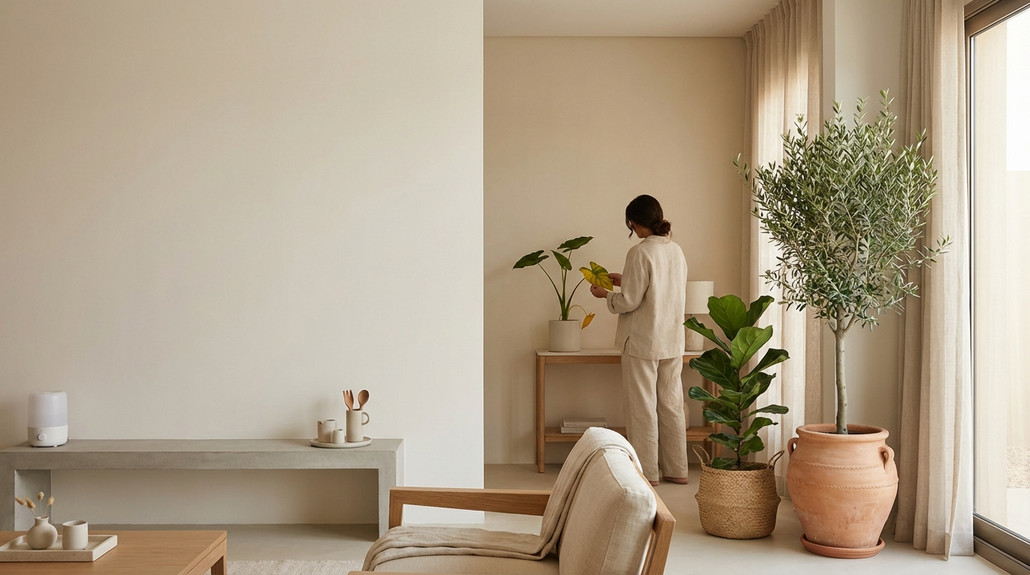
Why Indoor Plant Leaves Turn Yellow and What to Do in Iraq Homes
Posted by Mozher Expoerts on 06.03.26
The Distress Call: Understanding Yellowing Leaves in Your Iraqi Home
There are few sights more disheartening for a plant enthusiast than witnessing the vibrant green of their indoor plants slowly fade to a sickly yellow. In the demanding climate of Iraq, where scorching summers necessitate constant air conditioning (often referred to locally as Al-Sablat), this common symptom can quickly become a source of frustration. Yellowing leaves are your plant's way of signaling distress, but pinpointing the exact cause requires careful observation and a nuanced understanding of our unique indoor environments. Rather than succumbing to panic, approach this as a diagnostic challenge – a clear path to recovery for your cherished greenery.
The Unique Climate of Iraq: Heat, Al-Sablat, and Your Indoor Plants
Cultivating indoor plants in Iraq means navigating a climate of significant extremes. Outside, the intense heat and dry air of our region are formidable. Inside, our essential Al-Sablat units work tirelessly to maintain a comfortable temperature. This continuous cooling, while vital for human comfort, creates an artificially dry and often cool microclimate that is far removed from the humid, stable conditions many popular tropical indoor plants naturally prefer. It's a constant tug-of-war on your plant's delicate system, making effective care a thoughtful art rather than a simple routine.
The Al-Sablat's efficiency in dehumidifying the air often reduces indoor humidity levels significantly, frequently plummeting below the 40-60% range where most tropical plants naturally thrive. This relentless dry air constantly pulls moisture from your plant's leaves, often faster than its roots can replenish it. Direct blasts of cold, dry air from AC vents further exacerbate this desiccating situation, causing rapid leaf desiccation, curling, and overall severe plant stress. Beyond the dry air, the pervasive fine dust (غبار) characteristic of our region also presents a significant challenge. When dust settles heavily on plant leaves, it can clog the tiny pores (stomata) through which the plant "breathes" and conducts photosynthesis. This directly impacts the plant's ability to convert light into energy, hindering growth and making it more susceptible to stress and pests. Furthermore, the journey from our Mozher nurseries to your home, despite our careful selection of exceptionally hardy indoor plants, can induce a degree of delivery stress. Each of these factors contributes to the complexity of successful indoor plant care in Iraqi homes.
Decoding the Yellow: Common Causes of Discoloration
Yellowing leaves are a universal sign of distress in plants, but the underlying reason can vary dramatically. In the unique conditions of Iraq, where environmental factors are distinct, correctly identifying the cause is the first step towards effective effective solutions for indoor plant issues.
Watering Imbalance: The Most Frequent Culprit
Incorrect watering is, without question, the leading cause of yellow leaves and general plant decline in Iraqi homes. The cool, dehumidified air from your Al-Sablat system significantly alters how quickly potting mix dries, creating a consistently deceptive scenario. Many plant owners in Iraq, accustomed to the external dryness, mistakenly believe their indoor plants need frequent watering. However, this assumption, without proper checking, often leads to two major issues:
Overwatering: In AC-cooled homes, the soil stays wet longer. When roots sit in soggy, waterlogged soil, they are deprived of oxygen and begin to rot. Signs include soft, limp, mushy yellow leaves (often starting from the lower leaves), persistent drooping, and a sour smell from the soil. The soil may feel constantly damp even days after watering. This is a common beginner mistake that can rapidly compromise root health.
Underwatering: While less common than overwatering in AC environments, it still occurs. Signs include dry, crispy, brittle yellow leaves (often starting from the edges or tips), and soil that is bone-dry and may pull away from the sides of the pot. The plant may appear generally wilted and weak. The plant strategically sacrifices older leaves to conserve water for new growth.
To prevent these issues, it is crucial to adopt a disciplined watering routine based on actual soil moisture, not a fixed schedule. Mozher's guide to proper watering frequency for indoor plants offers detailed insights tailored for Iraq's climate.
Light Stress: Too Much or Too Little?
Light is the fundamental energy source for your plant's growth, and an imbalance can easily lead to yellowing leaves:
Insufficient Light: If your plant is not receiving enough light, its older leaves, particularly the lower ones, may turn yellow and eventually drop off. You might also notice leggy, stretched-out growth with smaller, paler leaves as the plant "reaches" for a light source. This is common in many Iraqi interiors due to architectural shading or heavy curtains. Our curated low-light tolerant plants are ideal for such areas.
Excessive Light: Direct, harsh Iraqi sunlight, especially through an unfiltered window, can scorch delicate leaves. This manifests as bleached, faded, or yellow patches, often with crispy brown edges, resembling a sunburn. The plant may look stressed and struggle to maintain its vibrant green color.
Nutrient Deficiencies or Excess: A Delicate Balance
Plants need a balanced diet of macro and micronutrients to thrive. A lack or an overload can cause yellowing leaves:
Nutrient Deficiency: General yellowing across the entire plant, or specific patterns like yellowing between the veins (chlorosis), can indicate a lack of essential nutrients such as nitrogen, iron, or magnesium. This is often accompanied by stunted growth. However, in Iraq, this is less common than issues caused by overwatering or over-fertilization.
Nutrient Excess / Salt Buildup: Over-fertilizing or the accumulation of mineral salts from local tap water (a common issue in Iraq) can burn roots, hindering nutrient uptake and causing widespread yellowing, crispy brown leaf tips, and stunted growth. A white crust on the soil surface or pot rim is a clear indicator of salt buildup. Using quality potting mixes and plant care essentials can help mitigate this.
Humidity Hurdles: The Dry Air of Al-Sablat
The constant operation of the Al-Sablat actively strips moisture from the air, resulting in an exceptionally dry indoor atmosphere. This low humidity directly impacts plants, often leading to:
Crispy Brown Tips and Edges: Even if the soil is adequately moist, the dry air pulls moisture from the leaves faster than the roots can supply it, causing the leaf margins to dry out and turn brown or yellow.
Drooping and Curling: Plants may attempt to conserve moisture by curling their leaves inward or drooping, even without severe underwatering.
Pest Problems: Tiny Invaders, Big Impact
Certain pests thrive in the dry conditions prevalent in Iraqi homes, leading to yellowing and other damage:
Spider Mites: These tiny arachnids thrive in low humidity. They cause minute yellow speckles on leaves, often accompanied by delicate webbing on the undersides of foliage. Affected leaves will turn increasingly yellow and eventually drop.
Fungus Gnats: Small, black flying insects hovering around the soil usually indicate overly wet soil conditions, a prime environment for their larvae which can damage delicate root hairs, leading to yellowing and stunted growth.
Temperature Swings & Drafts
While most indoor plants prefer consistent temperatures, sudden fluctuations or direct drafts can cause stress. Positioning a plant too close to a constantly running Al-Sablat vent can lead to rapid drying and leaf yellowing or browning, similar to low humidity stress. Likewise, placing a plant near a frequently opened window in summer can expose it to extreme temperature changes, causing leaf shock and discoloration.
Transplant Shock & Acclimation Challenges
New plants often exhibit signs of stress, such as yellowing or drooping leaves, as they adjust to a new environment. This "delivery stress" is particularly pronounced in Iraq due to drastic changes in light, temperature, and especially humidity from a nursery to your home. Immediate repotting only adds to this stress, making gentle acclimation crucial. For more insights on mitigating this, consult our article on common indoor plant care mistakes in Iraq.
The Diagnostic Path: How to Identify the Real Problem
Before you can fix the problem, you need to be certain about its cause. A systematic approach helps narrow down the possibilities.
The Visual Inspection: Leaves, Stems, and Soil Surface
Start by thoroughly examining your plant. Look beyond just the yellow leaves:
Leaf Texture: Are the yellow leaves soft and mushy (overwatering) or dry and crispy (underwatering/low humidity)? Are there any unusual spots, bumps, or sticky residue?
Leaf Location: Is the yellowing concentrated on older, lower leaves (often normal aging, underwatering, or overwatering) or new growth (nutrient deficiency/excess, pest)?
Stem Health: Are the stems firm or soft and discolored at the base? Mushy stems indicate severe overwatering and potential root rot.
Pest Clues: Look closely at the undersides of leaves and in leaf axils for tiny insects, webbing (spider mites), or small black flies around the soil (fungus gnats).
The "Finger Test" and Moisture Meters
This is your most reliable tool for assessing watering needs in Iraq's climate. Forget fixed schedules. Insert your finger 5-7 centimeters (2-3 inches) deep into the potting mix. Only water if the soil feels completely dry, powdery, or crumbling. If there’s any lingering coolness or dampness, wait a few more days.
For larger pots or greater precision, especially in the deceptive drying conditions of AC, a reliable soil moisture meter from Mozher can be an invaluable asset. It provides an objective reading deep within the root zone, eliminating guesswork and giving you confidence in your watering decisions. This helps understand the true moisture profile beneath the surface, your best defense against both overwatering and prolonged underwatering.
Checking Root Health
If you suspect overwatering or root rot, gently unpot the plant and inspect its roots. Healthy roots should be firm, plump, and light-colored (white or light tan). If they are black, mushy, or emit a foul odor, root rot has likely begun. This requires immediate action, as detailed in the solutions section.
Targeted Solutions: Responding to Your Plant's Needs
Once you've diagnosed the problem, implementing specific solutions can help your plant recover and thrive in its Iraqi home.
Correcting Watering Habits
This is often the most impactful adjustment you can make. If overwatering is the issue, allow the soil to dry out significantly between waterings. For underwatering, provide a thorough, deep watering until water drains from the bottom. Always ensure you are using well-draining planters to facilitate proper water flow and prevent stagnant conditions. After watering, always promptly discard any collected water from the saucer to prevent root rot.
Adjusting Light Exposure
If your plant is suffering from too much light, move it further from the window or use sheer curtains to diffuse the intense Iraqi sun. For insufficient light, relocate it to a brighter spot or consider supplemental artificial lighting if natural light is severely limited. Rotate your plant regularly to ensure all sides receive even light exposure.
Managing Humidity and Airflow
To combat the dry air of the Al-Sablat, group humidity-loving plants together to create a localized microclimate. Placing plants on pebble trays filled with water (ensuring the pot does not sit directly in the water) can also provide a gentle, consistent humidity boost. Crucially, position your plants well away from direct blasts of cold, dry air from AC vents. Regular dusting of leaves with a soft, damp cloth is also essential to ensure efficient photosynthesis, as Iraq's fine dust can quickly accumulate and block vital pores.
Addressing Nutrient Issues
If a nutrient deficiency is suspected, apply a balanced, diluted liquid fertilizer during the plant's active growing season (typically spring and summer). Always ensure the soil is moist before fertilizing to prevent root burn. If salt buildup or over-fertilization is evident (white crust on soil, general yellowing, stunted growth), flush the soil thoroughly with distilled or filtered water to leach out excess salts. Then, temporarily cease fertilization. Mozher offers quality potting mixes and plant care essentials to support balanced plant nutrition.
Pest Eradication and Prevention
If pests are present, isolate the affected plant immediately. Wipe down leaves thoroughly with a damp cloth to physically remove pests. Apply horticultural soap or neem oil according to product instructions. Addressing underlying issues like overly dry air (for spider mites) or overly wet soil (for fungus gnats) is crucial to preventing recurrence. Consistent inspection is your best defense.
Gradual Acclimation for New Plants
When bringing home a new plant, place it in a stable environment with bright, indirect light, away from direct AC blasts. Avoid immediate repotting or heavy fertilization for the first week or two. This gentle approach allows the plant to adjust peacefully to its new surroundings.
What NOT to Do: Common Panic Mistakes
In a rush to save a struggling plant, it's easy to make well-intentioned but harmful mistakes:
Don't immediately repot a stressed plant: This adds another layer of shock. Allow it to acclimate first unless root rot is severe and immediate action is required.
Don't over-fertilize a struggling plant: A sick plant is rarely hungry, and extra nutrients can burn already weakened roots. Only fertilize healthy, actively growing plants.
Don't cut off all yellow leaves at once: While aesthetic, yellow leaves still contain some nutrients that the plant can reabsorb. Remove them as they turn fully brown or crispy, or if they show signs of disease/pests.
Don't move the plant to drastically different conditions: Sudden changes in light or temperature will only increase stress. Make gradual adjustments.
Prevention is Key: Cultivating a Thriving Oasis in Iraq
The best defense against indoor plant problems in Iraq is a proactive and informed approach. By understanding the unique challenges of our climate and choosing wisely, you can foster resilient, healthy greenery.
Choosing Climate-Aware Plants
When selecting new additions to your home, prioritize plants known for their resilience to heat, low humidity, and varying light conditions. Mozher specializes in curating exceptionally hardy indoor plants that are well-suited to the Iraqi environment, increasing your chances of long-term success from the start.
Consistent Routine, Flexible Approach
Develop a routine that allows for regular observation and adjustment. This isn't about rigid schedules but about being responsive to your plant's needs. Perform daily micro-checks for dust and initial signs of stress, weekly deep soil moisture checks, and monthly thorough inspections for pests and growth patterns. This adaptive care regimen is your best defense against plant distress. For a deeper understanding, explore our comprehensive guide on indoor plant problems and fixes.
The Mozher Difference: Curated for Your Climate
At Mozher, we understand the specific environmental realities of Iraq. Our plants are carefully selected, our care guidance is climate-aware, and our delivery process is designed to minimize stress. We provide you with the tools and knowledge to cultivate a healthy, vibrant indoor oasis, making plant parenting a joyful and rewarding experience.
Diagnostic Table: Symptoms, Causes, and Solutions for Indoor Plant Problems
| Symptom | Likely Causes | Tests / Observations | Solutions / Recovery Timeline |
|---|---|---|---|
| Yellow leaves (soft, mushy, drooping) | Overwatering, Root Rot | Soil consistently wet, foul smell from soil, black/mushy roots. | Allow soil to dry thoroughly. Inspect and prune rotten roots. Ensure proper drainage. Recovery: 2-4 weeks. |
| Yellow leaves (dry, crispy, brittle) | Underwatering, Low Humidity, Salt Buildup | Soil bone dry, leaves curled. Crispy tips/edges even if soil is moist. White crust on soil/pot. | Water deeply. Increase humidity with pebble trays/grouping. Flush soil with filtered water. Recovery: 1-3 weeks. |
| Brown Tips / Edges (crispy) | Low Humidity, Salt Buildup, Direct AC Drafts | Dry indoor air, proximity to Al-Sablat vent, white crust on soil. | Increase humidity. Move away from drafts. Use filtered water. Recovery: New growth will be healthy in 2-4 weeks. |
| Drooping Leaves (limp, not crispy) | Overwatering, Underwatering, Temperature Shock | Check soil moisture deeply. Feel for cold/hot drafts. | Adjust watering. Move from drafts. Plant will perk up within hours if underwatered, days if overwatered. |
| Stunted or Leggy Growth, Pale Leaves | Insufficient Light, Nutrient Deficiency | Plant stretching towards light, smaller/paler new leaves. Check last fertilization date. | Move to brighter, indirect light. Rotate plant. Fertilize sparingly if actively growing. Recovery: 4-8 weeks for new growth. |
| Tiny Yellow Spots, Fine Webbing | Spider Mites (favors dry air) | Inspect undersides of leaves, look for webbing. | Isolate. Wipe leaves. Apply neem oil/horticultural soap. Increase humidity. Recovery: 3-6 weeks with consistent treatment. |
| Small Black Flies (Fungus Gnats) | Overly Wet Soil | Flies around soil surface, persistently damp soil. | Allow soil to dry out completely between waterings. Use sticky traps. Recovery: 2-3 weeks. |
Frequently Asked Questions
How can I tell if yellowing leaves are from overwatering or underwatering in an AC-cooled environment in Iraq?
This is a critical distinction in Iraq's climate. If the yellow leaves are soft, limp, and mushy, and the soil feels wet to the touch even days after watering, this strongly indicates overwatering. The cool air from the Al-Sablat significantly slows water evaporation, trapping moisture. Conversely, if the yellow leaves are dry, crispy, and brittle, and the soil is bone-dry and pulls away from the pot, it's a clear sign of underwatering. Always check the soil moisture deeply with your finger or using a reliable soil moisture meter before diagnosing the problem or adding water. Understanding this difference is paramount to providing the correct care for your indoor plants in Iraq.
What are the signs of low humidity stress for indoor plants in Iraq’s dry, AC environment?
Low humidity stress, common in Iraqi homes with continuous Al-Sablat use, typically manifests as crispy, brown leaf tips and edges, even if the soil is adequately moist. Leaves may also curl inward or droop as the plant attempts to conserve moisture. Some plants, especially those with thinner foliage, may also develop yellowing between the veins. If you notice these symptoms, consider grouping plants to create a localized microclimate with slightly higher humidity or using pebble trays with water under the pots (with care to ensure the pot bases do not sit directly in standing water). Moving plants away from direct Al-Sablat vents is also vital. You can also explore Mozher's collection of exceptionally hardy indoor plants that tend to adapt better to dry conditions.
Are there any truly pet-safe indoor plants for homes with children and pets in Iraq?
Yes, absolutely. For homes with curious pets or small children, ensuring plant safety is a top priority. Excellent low-maintenance and non-toxic options that thrive in Iraqi indoor conditions include the Spider Plant (Chlorophytum comosum) and the Cast Iron Plant (Aspidistra elatior). While the Areca Palm is also pet-safe, it typically requires a bit more humidity, so keep it away from direct Al-Sablat blasts. It's always wise to research any new plant thoroughly before introducing it to your home. Mozher specifically focuses on curating pet-safe indoor plants to ensure a harmonious and secure environment for all.
Does the quality of tap water in Iraq affect indoor plant health?
Yes, absolutely. Tap water in Iraq can often have higher levels of minerals, such as chlorine and fluoride, as well as other salts, which can accumulate in the soil over time. This buildup can cause "salt burn," damaging plant roots and hindering nutrient uptake, leading to brown leaf tips or general yellowing. To mitigate this, consider using filtered water, rainwater, or simply allowing tap water to sit uncovered for 24 hours before watering. This allows chlorine to dissipate and reduces the impact of some minerals. Regular, deep watering that flushes water through the drainage holes also helps to wash out excess salts from the soil, maintaining a healthier growing environment. For optimal root health, always use quality potting mixes and plant care essentials.
For more comprehensive advice on maintaining healthy plants, always consult credible horticulture sources such as the Missouri Botanical Garden or the Clemson University Home & Garden Information Center.