


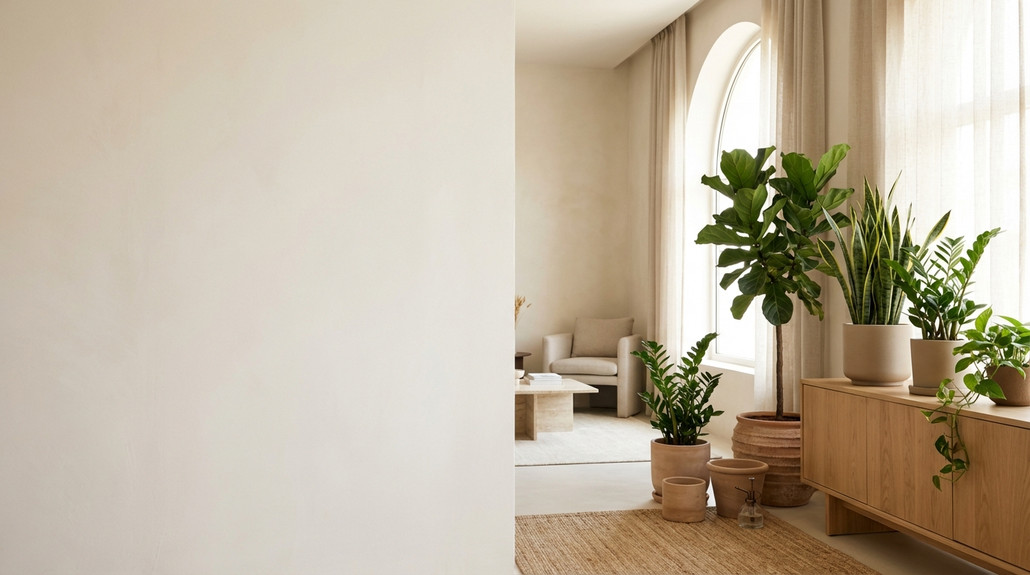
Why Indoor Plant Leaves Turn Yellow and What to Do in Iraq Homes
Posted by Mozher Expoerts on 04.03.26
Understanding the Yellow Leaf Conundrum in Iraqi Homes
The sight of yellowing leaves on your beloved indoor plants can be disheartening, often signaling an underlying issue that needs immediate attention. In Iraq, with its unique climate challenges—intense heat, dry air, and reliance on air conditioning (locally known as "السبلت")—diagnosing and resolving these problems requires a nuanced approach. Generic plant care advice often falls short in our environment, where conditions are far from temperate. As a senior indoor-plant specialist and horticulture educator at Mozher, I understand the distinct pressures our plants face, from the stress of delivery to the constant dehumidification by the AC and the mineral content in our tap water. This guide is designed to provide clear, actionable solutions for why your indoor plant leaves might be turning yellow and, more importantly, what you can do to bring them back to vibrant health in your Iraqi home.
Don't panic at the first yellow leaf. Plants naturally shed older foliage, but widespread or rapid yellowing across multiple leaves indicates a distress signal. By learning to "read" these signs, you can become a more attuned plant parent, offering the right interventions at the right time. Our goal at Mozher is to equip you with the knowledge to cultivate healthier plants, minimize losses, and transform your home into a thriving green oasis, even amidst Iraq's demanding conditions. Let's delve into the most common culprits behind yellow leaves and how to address them effectively.
The Most Common Culprit: Watering Imbalance in AC Environments
Inconsistent or incorrect watering is, without question, the leading cause of yellowing leaves and subsequent plant decline in Iraqi homes. The constant operation of your AC unit dramatically alters how quickly potting mix dries, creating a consistently deceptive scenario. Many well-meaning plant owners, accustomed to the external aridity, instinctively water frequently, only to inadvertently drown their plants. This is the "evaporation paradox" – the top layer of soil might feel bone dry, but beneath this deceiving surface, the sensitive root ball can remain saturated for days, or even weeks. Plant roots require oxygen just as much as they need water. When the vital air pockets in the soil are filled with stagnant water, roots suffocate, leading to decay, which manifests as yellow, mushy leaves.
Overwatering: The Silent Killer of Indoor Plants in Iraq
Overwatering is far more prevalent than underwatering in Iraq's AC-cooled indoor environments. If your plant's lower leaves are turning yellow, becoming soft and mushy, and the soil feels perpetually damp, these are classic indicators of too much water. The reduced evaporation rate inside due to AC use means soil stays wet for longer, creating an anaerobic environment where roots cannot breathe. This leads to root rot, a serious condition where roots turn black and soft, unable to absorb water and nutrients, despite being surrounded by moisture. Early diagnosis is key. If left unchecked, the entire plant can quickly succumb.
Underwatering: A Less Frequent, Yet Still Damaging Issue
While less common, underwatering can also lead to yellow leaves, especially for exceptionally drought-tolerant species when owners become too neglectful. If the yellow leaves are dry, crispy, and brittle, and the potting mix is bone-dry and pulling away from the pot, your plant is likely parched. The plant sacrifices older, lower leaves to conserve moisture for newer growth. This stress can weaken the plant over time, making it susceptible to other issues. Identifying the correct watering problem is the first and most critical step towards recovery.
The Golden Rule: Check Soil Moisture Deeply, Every Time
To navigate the nuances of watering in Iraq, adopt this golden rule: always check the soil deeply before reaching for your watering can. Insert your finger about 5-7 centimeters (2-3 inches) into the potting mix. This tactile check is far more accurate than just looking at the surface, which can dry out quickly in AC environments. Only water if the soil feels completely dry, powdery, or crumbly. If there’s any lingering coolness or dampness, even slight, patiently wait for a few more days. For even greater accuracy, especially with larger planters where a finger test might not reach deep enough, a reliable moisture meter can be an invaluable tool. It provides an objective reading deep within the root zone, eliminating guesswork and giving you confidence in your watering decisions. This proactive approach helps prevent both overwatering and prolonged underwatering, ensuring the foundational health of your plants.
Beyond Water: Addressing Light, Nutrients, and Environmental Stress
While watering is paramount, yellow leaves can also stem from other environmental factors. Understanding how light, nutrients, humidity, and even pests interact within your Iraqi home's microclimate is crucial for comprehensive plant care. Our homes, with their shielded windows and reliance on AC, create artificial conditions that can easily throw a plant out of balance.
Insufficient Light: The Stretch for Survival
Even plants considered "low-light tolerant" need some illumination to photosynthesize. In Iraqi homes, large, sun-blocking curtains or architectural designs aimed at keeping the heat out can inadvertently create overly dim spaces. If your plant's leaves are turning pale yellow, and stems appear long and stretched (leggy), with smaller than usual new growth, it's signaling insufficient light. The plant is literally "starving" for light, and the yellowing is a sign of chlorophyll breakdown as it tries to reallocate resources. Relocate the plant to a spot with brighter, indirect light, perhaps a few feet away from a window with sheer curtains. For naturally darker areas, consider selecting species known for their exceptional low-light tolerance from the outset.
Nutrient Deficiencies & Over-Fertilization: A Delicate Balance
Yellow leaves can sometimes indicate a lack of essential nutrients, particularly nitrogen. However, in our experience at Mozher, over-fertilization is a more common issue for indoor plants, especially when owners try to "rescue" a struggling plant with more food. Over-fertilizing can burn delicate roots, leading to yellowing, crispy leaf edges, and general decline. This is exacerbated by the mineral content in local tap water, which can lead to salt buildup in the soil. For actively growing, healthy plants, apply a diluted, balanced liquid fertilizer every 2-4 weeks during their active growing season (typically spring and summer). Always ensure the soil is moist before fertilizing to prevent root burn. If you suspect over-fertilization, flush the soil thoroughly with distilled or filtered water to leach out excess salts, then avoid fertilizing until the plant shows signs of healthy, active growth. Refer to quality potting mixes and care essentials for proper feeding guidelines.
Low Humidity & AC Drafts: The Dehydrating Environment
Iraq's climate, coupled with constant AC use, results in exceptionally low indoor humidity. Most tropical indoor plants thrive in 40-60% humidity, while our indoor environments often hover below 30%. This relentless dry air actively pulls moisture from plant leaves, often faster than roots can replenish it, causing yellowing, crispy brown tips and edges, and sometimes leaf curling. Placing plants directly in the path of cold, dry AC airflow further aggravates this desiccation. To counteract this, group humidity-loving plants together, use pebble trays filled with water (ensuring the pot doesn't sit in standing water), or consider a small room humidifier. Importantly, ensure your plants are positioned well away from direct AC vents. Learn more about caring for indoor plants during extreme summer heat.
Pests and Diseases: Tiny Invaders, Big Problems
Persistent yellowing, especially if accompanied by small spots, distorted new growth, or webbing, could indicate a pest infestation or disease. Spider mites thrive in dry, low-humidity environments, a common reality in Iraqi homes, causing tiny yellow speckles on leaves. Fungus gnats, small flying insects, are often a sign of overly wet soil conditions. Regularly inspect your plants, paying close attention to the undersides of leaves and new growth. If you detect pests, isolate the affected plant immediately. Thoroughly wipe down leaves with a damp cloth, and apply horticultural soap or neem oil as appropriate. Addressing the underlying watering or humidity issues is crucial to prevent recurrence. For more information on dealing with pest-related indoor plant problems, you can consult a comprehensive guide to indoor plant problems or refer to expert resources like the Missouri Botanical Garden's plant care guides.
Immediate Actions for Yellowing Leaves: Diagnosis and Recovery
When you notice yellowing leaves, a systematic approach to diagnosis and intervention can save your plant. Avoid the temptation to implement multiple solutions at once; address one potential issue, observe, and then adjust if necessary. Understanding the recovery timeline is also important to manage expectations and avoid further stress to your plant.
Step 1: Inspect the Soil
This is always your first and most critical step. Use the finger test: push your finger 5-7 cm (2-3 inches) into the soil. If it's soggy, you're likely overwatering. If it's bone dry, it's underwatering. This simple check, more than any fixed schedule, will guide your next actions, especially in an AC-heavy environment. Remember, mastering watering frequency for indoor plants is fundamental.
Step 2: Check for Pests
Carefully examine both the top and underside of the yellowing leaves, as well as stems. Look for tiny insects, sticky residue, or fine webbing. Early detection of pests like spider mites, common in dry Iraqi interiors, can prevent widespread damage. Refer to resources on common indoor plant care mistakes in Iraq for specific pest identification and treatment advice.
Step 3: Evaluate Light & Location
Assess if your plant is receiving too much direct, harsh sunlight (which can scorch and yellow leaves) or too little light (leading to pale, leggy growth). Consider its proximity to AC vents. Move the plant to a spot with appropriate light conditions and away from direct, cold drafts. Remember that plants with thicker leaves generally tolerate more light and drier air, while delicate, thin-leaved plants prefer shadier, more humid spots.
Step 4: Assess Drainage & Potting Mix
Ensure your pot has proper drainage holes. If water sits in the saucer, empty it immediately. If your potting mix is dense and heavy, it might be retaining too much moisture. Consider repotting in a quality potting mix that offers better aeration and drainage. Poor drainage is a common pathway to root rot.
The "Do Not Do" List: Common Panic Mistakes to Avoid
When faced with yellowing leaves, it's natural to want to fix the problem immediately. However, certain knee-jerk reactions can actually worsen your plant's condition. Avoid these common mistakes:
- Do NOT Overwater a Struggling Plant: If the leaves are yellow and mushy, adding more water will only accelerate root rot. Always check the soil first.
- Do NOT Fertilize a Stressed Plant: A struggling plant is not hungry; it's sick. Fertilizing can burn already compromised roots, adding more stress.
- Do NOT Drastically Change Its Environment: Moving a plant from one extreme to another (e.g., dark corner to full sun) will cause further shock. Make gradual adjustments.
- Do NOT Prune All Yellow Leaves Immediately: While removing clearly dead leaves is fine, let the plant reabsorb nutrients from slightly yellowing ones before pruning.
Prevention is Key: Nurturing Resilient Indoor Plants in Iraq
Proactive care, tailored to Iraq's environment, is the best defense against yellow leaves and other indoor plant problems. Think of prevention as establishing healthy habits that allow your plants to thrive without constant crisis management.
- Master Your Watering Routine: This cannot be overstated. Understand that AC slows evaporation. Use the finger test or a reliable moisture meter every time. Water deeply when needed, and always ensure proper drainage.
- Optimize Light Placement: Place plants according to their specific light requirements. Bright, indirect light is ideal for most, with direct sun reserved for desert species. Rotate plants regularly for even growth.
- Boost Humidity: Combat dry AC air by grouping plants, using pebble trays, or a small humidifier. Keep plants away from direct AC blasts.
- Use Quality Soil and Pots: Start with a well-draining potting mix and pots with adequate drainage holes. This foundation is critical for root health. Explore Mozher's range of quality potting mixes and care essentials.
- Regular Inspection: Make it a habit to check your plants weekly for early signs of pests or distress. Wipe leaves regularly to remove dust, ensuring optimal photosynthesis.
- Acclimate New Plants Gently: When bringing new plants home, allow them several weeks to adjust to their new environment before major interventions like repotting or fertilizing. Mozher's resilient indoor plants are curated to handle this transition better.
Diagnostic at a Glance: Troubleshooting Common Iraqi Plant Problems
Use this table as a quick reference guide to diagnose and address the most frequent issues leading to yellow leaves on your indoor plants in Iraq.
| Symptom | Likely Cause | Tests | Solutions for Iraq Homes | Recovery Timeline |
|---|---|---|---|---|
| Yellow, soft, mushy lower leaves; consistently wet soil; fungus gnats. | Overwatering, potential root rot. AC slows soil drying significantly. | Finger test (soil wet deep down); inspect roots (mushy, black). | Stop watering. Trim rotted roots. Repot in fresh, well-draining soil in a pot with good drainage. Empty saucer. | Weeks for new root growth; old yellowed leaves won't revive, new healthy growth in 2-4 weeks. |
| Yellow, dry, crispy leaves (often tips/edges); bone-dry soil; drooping. | Underwatering. Dry AC air desiccates soil rapidly. | Finger test (soil bone-dry); pot feels light. | Water thoroughly. For very dry soil, bottom-water. Use a moisture meter to guide. | Plants may perk up in hours; new healthy growth in 1-2 weeks. Crispy leaves won't revive. |
| Brown, crispy leaf tips/edges, even with moist soil. | Low ambient humidity or direct AC drafts. Mineral salt buildup from tap water. | Observe symptoms; check AC proximity. | Increase local humidity (pebble trays, grouping plants). Move away from direct AC. Use filtered water. | Existing damage permanent; new growth healthy if conditions corrected within 1-3 weeks. |
| Leggy, sparse growth; pale yellow leaves; plant leaning towards light. | Insufficient light. | Observe growth habit; assess light intensity in location. | Move to brighter, indirect light. Rotate regularly. Consider grow light if natural light is limited. Explore low-light tolerant plants. | New growth will be greener in 2-4 weeks; existing pale or yellow leaves may not fully recover. |
| Tiny yellow speckles on leaves; fine webbing; distorted new growth; small flying insects (fungus gnats). | Pest Infestation (spider mites, fungus gnats). Dry AC air favors spider mites. | Close visual inspection (magnifying glass helpful). | Isolate plant. Wipe leaves. Apply horticultural soap/neem oil. Increase humidity for spider mites; dry soil surface for fungus gnats. | Pest control in days; plant recovery/new growth in 2-6 weeks depending on severity. |
| General yellowing, stunted growth, white crust on soil/pot rim. | Over-fertilization; salt buildup from tap water. | Observe soil surface; test water pH (if possible). | Flush soil thoroughly with distilled/filtered water. Cease fertilizing. Use filtered water for regular watering. | Recovery can be slow (4-8 weeks); new growth will be healthier. Damaged roots take time to recover. |
Nurturing Your Iraqi Indoor Oasis: A Forward Look
Understanding why your indoor plant leaves turn yellow in Iraq homes, coupled with knowing what to do, empowers you to create a thriving green environment. The key is consistent, mindful observation and adapting your care routines to our unique climate challenges. At Mozher, we are committed to providing premium, climate-aware indoor plants and the essential care tools to ensure your success. By implementing these diagnostic steps and preventive measures, you're not just reacting to problems; you're building a sustainable foundation for plant health.
Cultivating resilient, healthy indoor plants in Iraq is a deeply rewarding endeavor that brings peace, natural beauty, and a touch of the outdoors into your home for years to come. Focus on understanding the needs of your green companions, respond thoughtfully, and watch your indoor oasis flourish. For ongoing plant health, always remember to source exceptionally hardy indoor plants that are selected for their ability to thrive in challenging conditions like ours, and complement them with pet-safe indoor plant options for a harmonious household.
Frequently Asked Questions About Indoor Plant Problems in Iraq
How can I tell if yellowing leaves are from overwatering or underwatering in an AC-cooled environment in Iraq?
This is a critical distinction in Iraq's climate. If the yellow leaves are soft, limp, and mushy, and the soil feels wet to the touch even days after watering, this strongly indicates overwatering. The cool air from the AC (السبلت) significantly slows water evaporation, trapping moisture. Conversely, if the yellow leaves are dry, crispy, and brittle, and the soil is bone-dry and pulls away from the pot, it's a sign of underwatering. Always check the soil moisture deeply with your finger or using a reliable moisture meter before diagnosing the problem or adding water. For more general plant care insights, the Clemson University Home & Garden Information Center offers valuable guidance.
What are the signs of low humidity stress for indoor plants in Iraq's dry, AC environment?
Low humidity stress, common in Iraqi homes with continuous AC use, typically manifests as crispy, brown leaf tips and edges, even if the soil is adequately moist. Leaves may also curl inward or droop as the plant attempts to conserve moisture. Some plants, especially those with thinner foliage, may also develop yellowing between the veins. If you notice these symptoms, consider grouping plants to create a localized microclimate with slightly higher humidity or using pebble trays with water beneath the pots (with care to ensure the pot bases do not sit directly in standing water). Moving plants away from direct AC vents is also vital. You can also explore Mozher’s exceptionally hardy indoor plants that tend to adapt better to dry conditions.
Are certain pests more common in Iraq's dry, AC-cooled indoor environments, especially for low-maintenance plants?
Yes, in Iraq's dry, AC-cooled indoor environment, spider mites are a very common pest that can cause yellowing or speckling on leaves. They thrive in low humidity and can rapidly cause significant damage, often accompanied by fine, delicate webbing on the undersides of leaves. Other potential pests like mealybugs and fungus gnats can also contribute to plant stress and yellowing. Regular inspection of your indoor plants, especially the undersides of leaves, is your best defense against these unwelcome guests. Early detection and prompt, appropriate action are crucial for effective control. For comprehensive pest management strategies, you can review resources from reputable botanical gardens, such as the Missouri Botanical Garden's plant care guides.
How does delivery stress impact newly acquired indoor plants in Iraq, and how can I mitigate it?
Plants often endure significant "delivery stress" during their journey from the nursery to a new home in Iraq, due to abrupt changes in light, temperature, and humidity. To mitigate this, provide a stable and consistent environment for new arrivals. Place them initially in a spot with bright, indirect light, well away from direct AC drafts or harsh sun. Avoid immediate repotting or heavy fertilization for the first few weeks. This gentle acclimation allows the plant to adjust peacefully, allocating its energy to adapting to its new surroundings rather than recovering from further shock. Mozher specifically focuses on resilient indoor plants chosen for their ability to recover from environmental shifts and ensures safe delivery.