


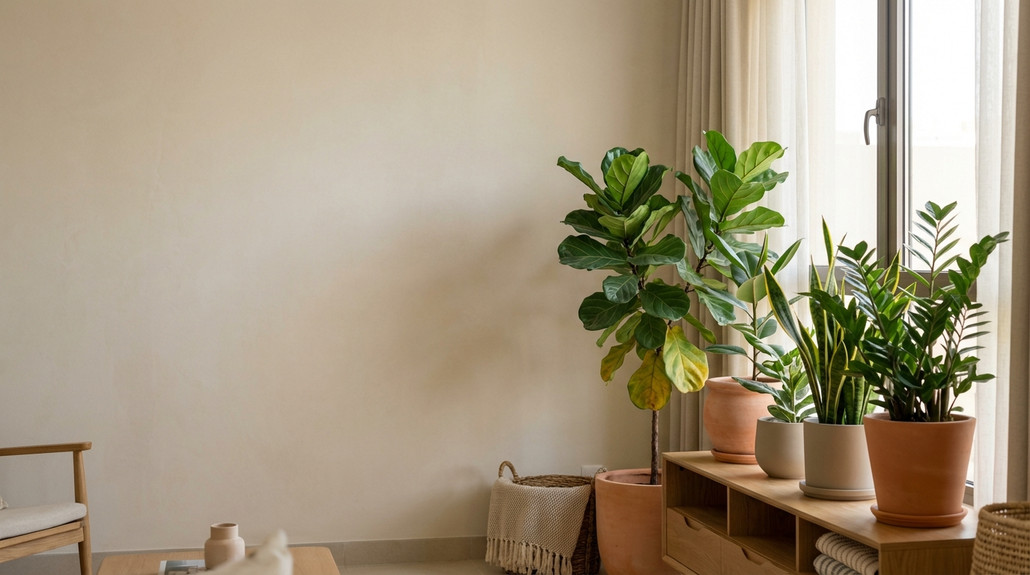
Why Indoor Plant Leaves Turn Yellow and What to Do in UAE Homes
Posted by Mozher Expoerts on 26.02.26
The UAE Indoor Climate: A Constant Challenge for Your Green Companions
There are few sights more disheartening for an indoor plant owner in the UAE than vibrant green leaves turning a sickly yellow. This common problem, far from being a simple cosmetic issue, is your plant sending an urgent signal that something is amiss. In our unique climate, the primary challenge often isn't the intense outdoor heat, but the very environment we meticulously curate indoors to escape it. Homes and offices here rely heavily on continuous air conditioning, which creates a paradoxical microclimate: cool, yet extremely dry, with consistent airflow. This constant dehumidification relentlessly strips moisture from both the soil and the plant's delicate foliage, even if the room feels perfectly comfortable to us. This artificial aridness can stress plants that evolved in naturally humid tropical environments. Understanding these specific local stressors—the relentless dry air from the AC, rapid temperature shifts when doors open, and even the dust (known locally as ghubar) that settles on leaves—is the first, most crucial step towards accurate diagnosis and a clear path to recovery. As specialists rooted in this region, we at Mozher curate plants and offer guidance tailored to these realities, ensuring your green companions thrive in their indoor sanctuary.
Decoding Yellow Leaves: A Diagnostic Approach
When you first notice yellowing leaves, the natural reaction is often concern, sometimes leading to impulsive actions that can unfortunately worsen the situation. Instead of reacting with panic, approach the problem like a seasoned plant detective. Yellowing is a symptom, not the ailment itself, and its precise appearance—which leaves are affected, their texture, and the condition of the soil—provides vital clues for accurate diagnosis. Resisting the urge to apply every possible "fix" at once is paramount. By carefully observing the context of the yellowing, you can pinpoint whether your plant is struggling with overwatering, underwatering, light imbalances, nutrient deficiencies, or other stressors common in UAE homes.
Overwatering & Root Rot: The Silent Killer
This is, without a doubt, the single most prevalent and fatal mistake made with indoor plants in the UAE. Consistently wet soil deprives roots of essential oxygen, leading to root rot. In our air-conditioned environments, the rate of water evaporation from the soil is significantly reduced. This means the soil stays wet for much longer than anticipated, even if the surface appears dry due to the constant airflow. Decaying roots lose their ability to absorb water and nutrients, paradoxically causing leaves to yellow and wilt as if the plant were parched. The irony is that plants often die of thirst while drowning.
- Symptoms: Yellow leaves that are soft, mushy, and often drop easily, typically starting from the lower, older leaves. The plant may appear generally droopy or wilted despite the soil feeling undeniably wet to the touch. A musty or foul odor from the soil, or the presence of tiny flying insects like fungus gnats, are strong indicators of perpetually damp conditions. Upon careful inspection, healthy roots are firm and light-colored; rotted roots are black, soft, and disintegrate easily.
- Fixes & Recovery: Stop watering immediately. If root rot is severe, gently unpot the plant, trim away all mushy, black roots with sterile shears, and repot it in fresh, well-draining soil. Always ensure your chosen pots provide proper drainage to prevent waterlogging. For less severe cases, simply allow the soil to dry out completely between waterings. Recovery can be slow, taking weeks to months, with new, healthy growth serving as the true sign of recuperation, as damaged yellow leaves will not regain their green color.
Underwatering: A Manageable Thirst
While overwatering is more common, a plant can certainly suffer from insufficient water, especially in smaller pots that dry out rapidly in the arid indoor air, or if your schedule makes consistent care challenging. The dry air created by air conditioning can accelerate the drying of the entire soil ball, not just the surface, often tricking owners into thinking the plant is fine.
- Symptoms: Yellow leaves that are dry, crispy, and brittle, often starting from the lower leaves. The entire plant may look wilted or droopy, and the soil will be bone-dry, often shrinking away from the pot's edges. In severe cases, the plant may appear shriveled.
- Fixes & Recovery: Water thoroughly and deeply until water drains from the bottom of the pot. For extremely dry soil that has become hydrophobic (water-repellent), bottom-watering (placing the pot in a basin of water for 30-60 minutes) allows the soil to rehydrate slowly and evenly. Most underwatered plants revive within hours of a good drink, though some severely damaged or yellowed leaves may still eventually drop. Regular use of a reliable moisture meter is invaluable for consistent, accurate readings, helping to prevent this issue proactively.
Light Imbalance: Too Much or Too Little
Light is a plant's fundamental energy source, and an incorrect amount can quickly manifest as yellowing leaves. In the UAE, this often means either too much intense sun exposure or too little ambient light due to drawn curtains or modern building designs. Balancing these extremes is critical for healthy foliage and sustained growth.
- Too Much Light (Sunburn): The intense, direct sunlight filtering through windows in the UAE, especially during the long summer, can quickly scorch leaves. This is a common issue for plants placed in south or west-facing windows.
- Symptoms: Yellow or bleached-out patches, often quickly turning brown and crispy, typically on leaves directly facing the window. The plant may look faded or dull.
- Fixes & Recovery: Relocate the plant further back from the window or use sheer curtains to diffuse the harsh sun. Severely burned leaves will not recover and can be pruned off to encourage new growth.
- Too Little Light: Insufficient light hinders photosynthesis, leading to a slow decline. This can occur in dimly lit corners or if thick window treatments block too much natural light. For areas consistently lacking brightness, exploring plants that thrive in low light conditions can provide resilient options.
- Symptoms: Pale, uniformly yellowing leaves, especially older ones, that eventually drop. Leggy growth, characterized by long, stretched stems with widely spaced, small leaves, indicates the plant is "reaching" for light. New growth is often stunted.
- Fixes & Recovery: Move the plant to a brighter spot that receives ample indirect light. Rotate the plant regularly for even light exposure. Recovery involves the plant producing healthier new growth; existing pale leaves may not fully re-green.
Nutrient Deficiencies: Your Plant's Hunger Signals
Over time, potted plants exhaust the nutrients in their limited soil. If a plant hasn't been repotted or fertilized for an extended period, yellowing leaves can signal a nutrient deficiency. In environments where plants are already coping with dry air or other stressors, a lack of essential nutrients can further weaken them, making them more susceptible to other issues.
- Symptoms: General yellowing of older, lower leaves often indicates a nitrogen deficiency. If new growth yellows while the veins remain green (interveinal chlorosis), it might point to a deficiency in micronutrients like iron or magnesium.
- Fixes & Recovery: During the active growing season (typically spring and summer), apply a balanced, diluted liquid indoor plant fertilizer to moist soil. Repotting into fresh, nutrient-rich potting mix also provides a significant boost. Always follow product instructions carefully, opting for a weaker solution rather than a stronger one to avoid root burn. Yellowed leaves due to nutrient deficiencies usually won't revert to green, but new growth should appear healthy and vibrant within a few weeks of consistent feeding.
Pest Infestations: Tiny Invaders, Big Impact
Sometimes, yellowing leaves are a cry for help against unseen adversaries. Pests can slowly sap a plant's vitality, leading to discolored, distorted, or dropping leaves. The dry indoor air created by continuous air conditioning in the UAE can paradoxically make plants more vulnerable to certain pests, such as spider mites, which thrive in arid conditions. Early detection is key to effective management.
- Symptoms: Yellow spots or speckles on leaves, sticky residue (honeydew), fine webbing (spider mites), small cottony masses (mealybugs), or visible tiny insects on the undersides of leaves and stems. New growth may appear distorted or stunted.
- Fixes & Recovery: Immediately isolate the affected plant to prevent pests from spreading to other plants. Identify the specific pest and treat it with an appropriate solution, such as horticultural soap or neem oil, following product instructions carefully. Regularly wiping leaves clean with a damp cloth not only removes dust but also helps deter pests. For more comprehensive strategies on common indoor plant issues and effective treatments in a UAE home, refer to Mozher's guide on indoor plant care mistakes to avoid. Recovery timelines vary based on the severity of the infestation and consistency of treatment.
Beyond Yellow: Other Common Plant Problems in UAE Homes
While yellow leaves are a frequent indicator of distress, other visual cues offer equally important insights into your plant's well-being. Brown tips, drooping foliage, or overall lack of vigor can all point to specific environmental imbalances prevalent in the UAE's indoor climate. Learning to recognize these distinct signals is essential for timely intervention and maintaining a thriving indoor garden.
Crispy Brown Tips: The Humidity Deficit
Crispy, brown leaf tips and edges are an extremely common symptom in UAE homes, almost always pointing to low ambient humidity. Our air conditioners, while providing essential cooling, are also highly efficient dehumidifiers. Most popular houseplants are tropical in origin and thrive in humidity levels between 40-60%, a stark contrast to the 20-30% often found in air-conditioned rooms. This dry air pulls moisture from the leaves faster than the roots can supply it, causing the delicate leaf margins to dry out and die. Direct blasts of cold, dry air from AC vents can exacerbate this, leading to rapid desiccation and browning. Even with consistent watering, this problem can persist if the air is too dry.
- Fixes & Recovery: Actively increase ambient humidity. Group plants together to create a small, localized humid microclimate. Use pebble trays (shallow trays filled with pebbles and water, ensuring the pot sits above the water). For particularly sensitive species, a small room humidifier is the most effective solution. Ensure plants are positioned away from direct AC drafts. While existing brown tips won't recover, new growth should be healthy and free of browning.
Drooping Leaves: A Signal of Distress
Drooping or wilting leaves are a clear sign of water stress, but accurately determining the cause—too much or too little water—requires careful observation, especially in an air-conditioned environment. If the soil is bone-dry and pulls away from the pot, your plant is simply thirsty. However, if the soil is still wet and soggy, drooping leaves signal overwatering and potential root rot. In this scenario, the roots are suffocating from a lack of oxygen and cannot absorb water, causing the plant to wilt as if it were dry. This is a crucial distinction to make in UAE homes, where cool AC temperatures can slow soil drying rates.
- Fixes & Recovery: For thirst, water thoroughly until it drains from the bottom. The plant should perk up within hours. For suspected overwatering, follow the steps outlined in the "Overwatering & Root Rot" section, stopping watering immediately and checking roots. Recovery from overwatering is generally slower and more challenging.
Symptom to Solution: A Quick Diagnostic Table for UAE Conditions
This table offers a rapid reference for diagnosing common indoor plant problems, specifically tailored for the unique environment of a UAE home with its prevalent air conditioning and often dry conditions. It guides you from observing a symptom to understanding the likely cause and taking immediate, effective action. This proactive approach ensures you address the root of the problem rather than merely treating the symptoms.
| Symptom | Likely Cause in UAE Homes (AC & Dry Air) | Immediate Action | Recovery Timeline |
|---|---|---|---|
| Lower leaves yellow, soft, mushy; soil consistently wet | Overwatering, poor drainage (AC slows evaporation in soil) | Stop watering immediately, check roots for rot. Ensure pots have proper drainage. | Weeks to months (focus on new healthy growth) |
| Lower leaves yellow, dry, crispy; soil bone-dry | Underwatering (small pots, very dry AC air, forgetfulness) | Water thoroughly until drainage. Monitor soil with a reliable moisture meter. | Hours to days (plant perks up, old leaves may still drop) |
| Crispy brown leaf tips/edges, even with moist soil | Low humidity from AC, direct AC draft, mineral buildup from tap water | Increase ambient humidity (group plants, pebble tray, humidifier). Move away from AC drafts. Use filtered water. | New growth should be healthy; old damage is permanent. |
| Leaves uniformly pale yellow; weak, leggy growth | Too little light (drawn curtains, dim corners common in UAE homes) | Move to brighter, indirect light. Consider low-light tolerant plants for dim areas. | Weeks (new growth improves, old leaves may remain pale) |
| Leaves with yellow/white scorched patches, crisp | Too much direct sun (intense UAE sun through window) | Move plant further from window or use sheer curtains to diffuse light. | Damage is permanent on affected leaves; prevent further burn. |
| Yellow spots, distorted new leaves, sticky residue, fine webbing | Pest infestation (spider mites thrive in dry air; mealybugs) | Isolate plant, identify pest, treat with horticultural soap or neem oil. Consult a reliable source like the University of Maryland Extension for pest management details. | Weeks to months (depending on severity & consistency) |
| New leaves yellow, old leaves green; veins green (interveinal chlorosis) | Iron or other micronutrient deficiency | Apply balanced liquid fertilizer (diluted) during active growing season. Repot in fresh soil if aged. | Weeks (new growth improves) |
Common Mistakes: What Not to Do When Your Plant Struggles
When faced with a struggling plant, our natural inclination is often to intervene rapidly, sometimes with good intentions but detrimental results. In the demanding indoor climate of the UAE, where conditions are often counterintuitive, rash actions can easily worsen a problem. Here are some of the most common panic mistakes I frequently observe, and why it's best to avoid them:
- Don't Automatically Overwater: This is the most prevalent and damaging mistake. The dry surface soil in an air-conditioned room often masks saturated lower soil. Adding more water to an already soggy plant will only accelerate root rot, which is the primary killer of indoor plants. Always check soil moisture deeply before watering.
- Don't Drastically Relocate the Plant: Moving a struggling plant from a dim corner to scorching direct sun, or vice versa, can cause severe shock. Plants acclimate to their conditions, and sudden, dramatic changes in light or temperature are highly stressful. If a move is necessary, do so gradually over several days.
- Don't Fertilize a Stressed Plant: Fertilizer is food, but a sick plant cannot effectively absorb or metabolize nutrients. Applying fertilizer to an already struggling plant can burn its compromised roots and inflict further damage, especially when soil moisture is imbalanced. Only fertilize healthy, actively growing plants during their peak season.
- Don't Remove All Yellow Leaves at Once: While unsightly, yellowing leaves may still be providing some minimal energy to the plant. Remove only those that are completely dry, mushy, or clearly beyond saving. Allow the plant to naturally shed others as it recovers and redirects its energy.
- Don't Give Up Too Soon: Plants are remarkably resilient. Many can recover from severe distress with the correct diagnosis and consistent, appropriate care. Patience and observation are your greatest tools, especially when navigating the unique challenges of our indoor environments. Trust the process, even if it feels slow.
The Road to Recovery: Realistic Timelines and Expectations
Once you've diligently identified the root cause of your plant's struggle and implemented the appropriate solutions, patience becomes your most valuable virtue. Plants operate on their own biological timelines, which rarely align with our immediate desires for instant green transformation. It's important to set realistic expectations: you won't typically see yellowed leaves revert to green; the cells responsible for chlorophyll production have usually died. Instead, look for definitive signs of new, healthy growth emerging from the top or along the stems. The existing damaged leaves will eventually dry out and fall off naturally, as the plant wisely reallocates its precious energy to viable new development.
Recovery timelines vary significantly depending on the issue and the plant's inherent resilience. A severely underwatered plant might perk up visibly within hours, though some yellowed leaves may still ultimately drop. Recovery from overwatering and root rot is a far slower process, potentially taking several weeks to months, as the plant must first rebuild a healthy root system. For pest infestations, consistent treatment over 2-4 weeks is often necessary to break the life cycle, followed by the emergence of clean, undamaged leaves. Continue your corrective actions consistently for a reasonable period. You can gradually ease back into a regular, preventative maintenance routine once you observe sustained new, healthy growth and the plant appears robust and vigorous. The overarching goal is to establish a rhythm of care that prevents future issues, moving away from a constant state of "fixing" and towards proactive, climate-aware guardianship.
Proactive Care: Cultivating Healthy Habits in Your UAE Home
In the challenging indoor climate of the UAE, proactive, climate-aware care is the most effective defense against recurring plant problems and the frustration they bring. By adopting a few mindful practices, you can ensure your indoor oasis not only survives but truly thrives, enriching your living spaces. Mozher understands these unique needs and curates exceptionally hardy plants that are better suited for the specific indoor conditions of the UAE, offering you a robust starting point.
- Master Mindful Watering: This is the absolute foundation of plant health. Forget rigid schedules; always check the soil deeply with your finger or a reliable moisture meter before watering. Water thoroughly and deeply until it drains from the bottom, then promptly discard any excess. This encourages deep root growth and prevents root rot.
- Optimize Light, Avoid Extremes: Understand your home's unique light zones. Most indoor plants prefer bright, indirect light. Protect them from the intense, scorching midday sun by moving them back from windows or using sheer curtains. For areas consistently lacking natural brightness, choose plants that tolerate low light to avoid stretching and pale foliage. The University of California Botanical Garden's guides offer excellent general information on light requirements.
- Combat Dry AC Air: The constant use of air conditioning significantly reduces indoor humidity. Group plants together to create small, localized humid microclimates. Use pebble trays (pots sitting on pebbles above water) or consider a small room humidifier for particularly sensitive species. Critically, keep plants away from direct AC drafts, which rapidly dehydrate foliage.
- Ensure Proper Drainage and Soil: Always use pots with proper drainage holes. If using a decorative cachepot without holes, keep the plant in its nursery pot inside it. Use a high-quality, well-draining potting mix. Poor drainage and compacted soil are direct recipes for root rot.
- Regular Cleaning & Inspection: Dust (ghubar) accumulates quickly on leaves in our region, hindering photosynthesis and inviting pests. Gently wipe leaves with a soft, damp cloth every few weeks. This routine cleaning also allows you to inspect for early signs of pests or disease, which often thrive in stressed plants. Starting with plants known for their resilience, like those from Mozher, can also reduce susceptibility to pests.
By implementing these conscious and climate-aware practices, you'll not only resolve current plant problems but cultivate a resilient indoor garden that brings lasting vibrancy to your UAE home. Healthy plants truly enrich our living spaces, and with a deep understanding of their language and needs in our unique climate, you can foster a truly rewarding relationship with your green companions. For a deeper dive into common plant problems and detailed solutions, explore Mozher's Indoor Plant Problems hub.
Frequently Asked Questions About Indoor Plant Problems
Why do my plant's leaves turn yellow quickly after I bring it home in the UAE?
This is often due to transplant shock combined with environmental stress. New plants experience significant changes in light, temperature, and humidity when moving from the nursery to your home, a situation exacerbated by the UAE's dry, air-conditioned conditions. Yellowing lower leaves are a common acclimatization reaction. Give your plant time to adjust, place it in a stable spot with bright, indirect light away from direct AC drafts, and water only when the top few centimeters of soil are dry. Avoid additional stressors like repotting or fertilizing during the first few weeks.
Can yellow leaves ever turn green again?
Unfortunately, once a leaf has turned definitively yellow, it rarely reverts to green. The cells responsible for producing chlorophyll have typically died. The best approach is to address the underlying cause of the yellowing. Once the issue is resolved, your plant will direct its energy towards producing new, healthy green growth. You can prune off severely yellowed or damaged leaves to encourage new growth and improve the plant's overall appearance.
How can I tell if yellow leaves are from overwatering or underwatering in a dry, AC room in the UAE?
This is a critical distinction in the UAE's climate. If the yellow leaves are soft, limp, and mushy, and the soil feels wet to the touch even days after watering, it's highly indicative of overwatering. The cool AC air significantly slows water evaporation, trapping moisture. Conversely, if the yellow leaves are dry, crispy, and brittle, and the soil is bone-dry, it's a sign of underwatering. Always check the soil moisture deeply with your finger or using a reliable moisture meter before diagnosing or watering.
My plant has yellow leaves but also brown, crispy tips. What's the problem?
This common symptom in UAE homes typically points to low ambient humidity caused by continuous air conditioning. The dry air extracts moisture from the leaves faster than the roots can supply it, causing the tips to dry and brown, even if the soil itself is adequately moist. While ensuring proper watering is fundamental, the primary solution is to increase the humidity around the plant. Group plants together, use a pebble tray, or keep the plant away from direct AC vents. Mineral buildup from tap water can also contribute to brown tips, so consider using filtered water or letting tap water sit out for 24 hours.
What is the most common pest that causes yellowing leaves in UAE homes?
Spider mites are a very common pest in the dry indoor conditions of the UAE. They thrive in low humidity and can quickly cause yellow speckling on leaves, often accompanied by fine webbing. Regular inspection, cleaning leaves, and increasing humidity can help deter them. If an infestation occurs, horticultural soap or neem oil are effective treatments.