


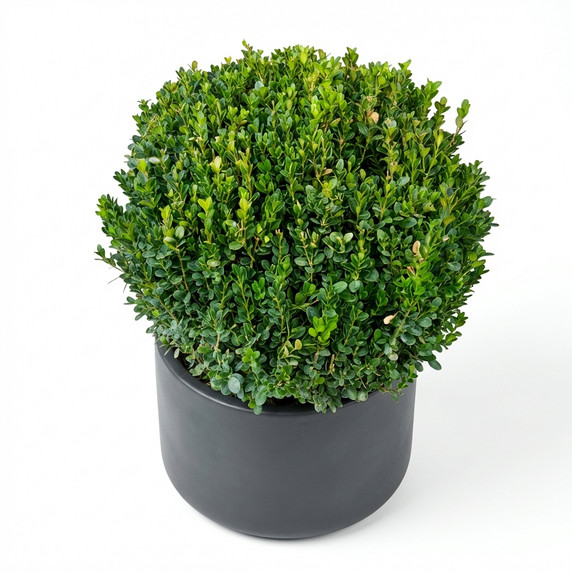




Sellum is a foliage houseplant that adds a tropical feel to any room with its large, deeply lobed leaves. Known for its air-purifying qualities, it is a great choice for creating a lush indoor environment.
Common Name: Sellum, Lacy Tree Philodendron
Botanical Name: Thaumatophyllum bipinnatifidum
Arabic Name: فيلوديندرون سيلوم
Plant Variant: Not available
Plant Color: Deep Green
Plant Country: South America (Brazil, Argentina, Bolivia, Paraguay)
Stems: Thick, woody trunk with eye-shaped leaf scars
Family: Araceae
Location: Indoor
Kingdom: Plantae
Clade: Tracheophytes
Clade: Angiosperms
Clade: Monocots
Order: Alismatales
Family: Araceae
Genus: Thaumatophyllum
Species: T. bipinnatifidum
Native to the tropical regions of South America, specifically Brazil, Bolivia, Argentina, and Paraguay. It is widely cultivated globally as a popular ornamental plant for its exotic, prehistoric appearance.
Features enormous, glossy green leaves that are deeply divided into many lobes, giving it a lacy or "torn" appearance. As the plant matures, it develops a visible, tree-like trunk marked by distinctive scars where old leaves have fallen off.
Indoors, it typically grows 3 to 5 feet tall and wide. In its natural habitat or outdoor tropical settings, it can reach massive sizes of up to 10-15 feet in height and spread.
Prefers bright, indirect sunlight. It can tolerate medium light levels, but growth will be slower and leaves may be smaller. Avoid direct midday sun, which can scorch the foliage.
Water thoroughly when the top 50% of the soil feels dry. Keep the soil consistently moist but never waterlogged. Ensure proper drainage to prevent root rot.
Thrives in a rich, well-draining organic potting mix. A combination of peat moss, perlite, and pine bark is ideal to provide both moisture retention and aeration.
Prefers warm temperatures between 65°F and 80°F (18°C-27°C). It loves high humidity; misting the leaves or using a humidifier is recommended if the indoor air is dry.
Feed monthly during the growing season (spring and summer) with a balanced liquid fertilizer diluted to half strength. Reduce feeding during the dormant winter months.
Moderate care level. Requires regular dusting of the large leaves to keep them shiny and healthy. Prune yellowing or damaged lower leaves to maintain a tidy appearance.
Relatively fast-growing during the warm season. Propagation is primarily done through stem cuttings or from seed, though seed germination can be slow.
Susceptible to common pests like spider mites, aphids, and mealybugs. Overwatering is the most common issue, leading to root rot and yellowing leaves.
An excellent air-purifying plant that effectively removes common indoor toxins like formaldehyde. It is highly valued in interior design as a statement "floor plant" for homes and offices.
Toxic to both humans and pets if ingested. Contains calcium oxalate crystals, which cause immediate irritation of the mouth, throat, and digestive tract.
Sellum is a foliage houseplant that adds a tropical feel to any room with its large, deeply lobed leaves. Known for its air-purifying qualities, it is a great choice for creating a lush indoor environment.
Common Name: Sellum, Lacy Tree Philodendron
Botanical Name: Thaumatophyllum bipinnatifidum
Arabic Name: فيلوديندرون سيلوم
Plant Variant: Not available
Plant Color: Deep Green
Plant Country: South America (Brazil, Argentina, Bolivia, Paraguay)
Stems: Thick, woody trunk with eye-shaped leaf scars
Family: Araceae
Location: Indoor
Kingdom: Plantae
Clade: Tracheophytes
Clade: Angiosperms
Clade: Monocots
Order: Alismatales
Family: Araceae
Genus: Thaumatophyllum
Species: T. bipinnatifidum
Native to the tropical regions of South America, specifically Brazil, Bolivia, Argentina, and Paraguay. It is widely cultivated globally as a popular ornamental plant for its exotic, prehistoric appearance.
Features enormous, glossy green leaves that are deeply divided into many lobes, giving it a lacy or "torn" appearance. As the plant matures, it develops a visible, tree-like trunk marked by distinctive scars where old leaves have fallen off.
Indoors, it typically grows 3 to 5 feet tall and wide. In its natural habitat or outdoor tropical settings, it can reach massive sizes of up to 10-15 feet in height and spread.
Prefers bright, indirect sunlight. It can tolerate medium light levels, but growth will be slower and leaves may be smaller. Avoid direct midday sun, which can scorch the foliage.
Water thoroughly when the top 50% of the soil feels dry. Keep the soil consistently moist but never waterlogged. Ensure proper drainage to prevent root rot.
Thrives in a rich, well-draining organic potting mix. A combination of peat moss, perlite, and pine bark is ideal to provide both moisture retention and aeration.
Prefers warm temperatures between 65°F and 80°F (18°C-27°C). It loves high humidity; misting the leaves or using a humidifier is recommended if the indoor air is dry.
Feed monthly during the growing season (spring and summer) with a balanced liquid fertilizer diluted to half strength. Reduce feeding during the dormant winter months.
Moderate care level. Requires regular dusting of the large leaves to keep them shiny and healthy. Prune yellowing or damaged lower leaves to maintain a tidy appearance.
Relatively fast-growing during the warm season. Propagation is primarily done through stem cuttings or from seed, though seed germination can be slow.
Susceptible to common pests like spider mites, aphids, and mealybugs. Overwatering is the most common issue, leading to root rot and yellowing leaves.
An excellent air-purifying plant that effectively removes common indoor toxins like formaldehyde. It is highly valued in interior design as a statement "floor plant" for homes and offices.
Toxic to both humans and pets if ingested. Contains calcium oxalate crystals, which cause immediate irritation of the mouth, throat, and digestive tract.




Take 20% off your first order
Enter the code below at checkout to get 20% off your first order