





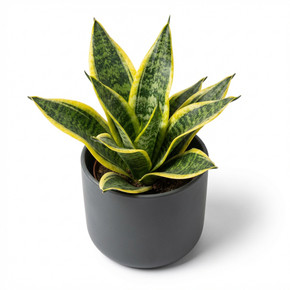
If you want a plant that stays beautiful with minimal effort, the Cast Iron Plant is the answer. Its deep green, glossy leaves bring a calm, premium look to any corner—even in low light—while its rugged nature forgives missed waterings. A reliable, elegant choice for homes, reception areas, and offices that need long-lasting greenery without the fuss.
Common Name: Cast Iron Plant
Botanical Name: Aspidistra elatior
Arabic Name: كلافيا
Variant: Standard
Color: Green
Country of Origin: Japan and Taiwan
Kingdom: Plantae
Clade: Tracheophytes
Order: Asparagales
Family: Asparagaceae
Genus: Aspidistra
Species: Aspidistra elatior
Native to the southern islands of Japan, including the Osumi Islands and Taiwan, where it typically grows as an understory plant in cool, shaded forests.
Features robust, lance-shaped, dark green foliage with a glossy, leathery texture. The leaves grow in thick clumps directly from the soil. It occasionally produces small, star-shaped, brownish-purple flowers at the soil level, which are often hidden by the foliage.
Slow-growing, typically reaching a height of 2 to 3 feet (60-90 cm) with a similar spread in width over several years.
Highly adaptable to low light conditions. It thrives in low to medium indirect light and should be protected from direct afternoon sunlight, which can scorch its leaves.
Low watering needs. Allow the soil to dry out significantly between waterings. It is highly drought-tolerant and sensitive to overwatering, which can lead to root rot.
Prefers a well-draining potting mix. A standard indoor potting soil amended with perlite or coarse sand is ideal to ensure drainage.
Very hardy; it can tolerate a wide range of temperatures from 50°F to 85°F (10°C-29°C) and handles average household humidity levels well without additional misting.
Feed with a balanced liquid houseplant fertilizer once a month during the active growing season (spring and summer). Do not fertilize during the fall and winter months.
Easy/Low maintenance. Its main requirement is occasional leaf cleaning with a damp cloth to remove dust and prevent pests. Trim away older, yellowing leaves at the base.
A slow-growing perennial. Propagation is best achieved by dividing the rhizomatous root system during repotting in the spring.
Generally pest-resistant, though it can occasionally be affected by scale insects or spider mites if conditions are very dry. Leaf tips may turn brown if over-fertilized or if the water is high in fluoride.
Widely recognized for its air-purifying qualities and extreme durability. It is a favorite for low-light office spaces, hallways, and as a low-maintenance decorative plant for homes.
Non-toxic to humans, cats, and dogs, making it a safe choice for families and pet owners.
If you want a plant that stays beautiful with minimal effort, the Cast Iron Plant is the answer. Its deep green, glossy leaves bring a calm, premium look to any corner—even in low light—while its rugged nature forgives missed waterings. A reliable, elegant choice for homes, reception areas, and offices that need long-lasting greenery without the fuss.
Common Name: Cast Iron Plant
Botanical Name: Aspidistra elatior
Arabic Name: كلافيا
Variant: Standard
Color: Green
Country of Origin: Japan and Taiwan
Kingdom: Plantae
Clade: Tracheophytes
Order: Asparagales
Family: Asparagaceae
Genus: Aspidistra
Species: Aspidistra elatior
Native to the southern islands of Japan, including the Osumi Islands and Taiwan, where it typically grows as an understory plant in cool, shaded forests.
Features robust, lance-shaped, dark green foliage with a glossy, leathery texture. The leaves grow in thick clumps directly from the soil. It occasionally produces small, star-shaped, brownish-purple flowers at the soil level, which are often hidden by the foliage.
Slow-growing, typically reaching a height of 2 to 3 feet (60-90 cm) with a similar spread in width over several years.
Highly adaptable to low light conditions. It thrives in low to medium indirect light and should be protected from direct afternoon sunlight, which can scorch its leaves.
Low watering needs. Allow the soil to dry out significantly between waterings. It is highly drought-tolerant and sensitive to overwatering, which can lead to root rot.
Prefers a well-draining potting mix. A standard indoor potting soil amended with perlite or coarse sand is ideal to ensure drainage.
Very hardy; it can tolerate a wide range of temperatures from 50°F to 85°F (10°C-29°C) and handles average household humidity levels well without additional misting.
Feed with a balanced liquid houseplant fertilizer once a month during the active growing season (spring and summer). Do not fertilize during the fall and winter months.
Easy/Low maintenance. Its main requirement is occasional leaf cleaning with a damp cloth to remove dust and prevent pests. Trim away older, yellowing leaves at the base.
A slow-growing perennial. Propagation is best achieved by dividing the rhizomatous root system during repotting in the spring.
Generally pest-resistant, though it can occasionally be affected by scale insects or spider mites if conditions are very dry. Leaf tips may turn brown if over-fertilized or if the water is high in fluoride.
Widely recognized for its air-purifying qualities and extreme durability. It is a favorite for low-light office spaces, hallways, and as a low-maintenance decorative plant for homes.
Non-toxic to humans, cats, and dogs, making it a safe choice for families and pet owners.


Take 20% off your first order
Enter the code below at checkout to get 20% off your first order