


China Rose
Bring timeless rose elegance to your home with Rosa chinensis. This repeat-flowering China Rose is perfect for patios, balconies, and bright indoor areas—delivering classic blooms and lush foliage when given sun, regular watering, and seasonal feeding. A standout gift and a décor upgrade in one plant.
1. Basic Identification
Common Name: China Rose / ورد
Botanical Name: Rosa chinensis
Variant: Standard
Plant Color: Natural
Country of Origin: China
Stems: 1
Family: Rosaceae
2. Taxonomy & Classification
Kingdom: Plantae
Clade: Tracheophytes
Order: Rosales
Family: Rosaceae
Genus: Rosa
Species: Rosa chinensis
3. Origin & Distribution
Native to Southwest China, specifically the Guizhou, Hubei, and Sichuan provinces. It has been cultivated for centuries and was introduced to Europe in the late 18th century, playing a crucial role in the development of modern repeat-flowering roses.
4. Visual Characteristics
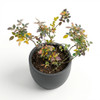
This species features pinnate leaves with 3–5 leaflets that are glossy green. The flowers are medium-sized, often blooming in clusters. In its standard form, they can be single, semi-double, or double, ranging in color from deep pink to crimson red, often darkening as they age.
5. Size & Dimensions
Typically grows as a woody shrub reaching heights of 1 to 2 meters (3 to 6 feet). When kept in pots for indoor or patio use, it is often maintained at a more compact medium size between 30 and 60 cm.
6. Light Requirements
Thrives in bright light. It requires at least 6 hours of direct sunlight daily for optimal flowering. If kept indoors, it must be placed near a south-facing window or in a very bright sunroom.
7. Watering Needs
Requires regular watering to keep the soil consistently moist but not soggy. During the growing season, water whenever the top 2-3 cm of soil feels dry. Reduce watering frequency during the winter dormancy period.
8. Soil & Potting
Prefers well-draining, fertile, loamy soil rich in organic matter. A slightly acidic to neutral pH (6.0 to 7.0) is ideal. Use pots with adequate drainage holes to prevent root rot.
9. Temperature & Humidity
Prefers moderate temperatures between 15°C and 25°C (59°F–77°F). It is relatively hardy but benefits from protection against extreme frost and very dry indoor environments. Moderate humidity levels are preferred.
10. Fertilization
Apply a balanced liquid fertilizer or a specialized rose fertilizer every 2 to 4 weeks during the active growing season (spring through autumn) to support continuous blooming.
11. Maintenance & Care Level
Moderate care level. Maintenance involves regular deadheading (removing faded flowers) to promote new blooms and annual pruning to maintain shape and encourage healthy new growth.
12. Growth & Propagation
Features a moderate growth rate. It is commonly propagated through softwood or hardwood cuttings. It is famous for its "everblooming" habit, where it can flower repeatedly throughout the year in favorable conditions.
13. Common Problems
Susceptible to common rose pests like aphids, spider mites, and thrips. Fungal issues such as black spot and powdery mildew can occur if there is poor air circulation or if the foliage remains wet for extended periods.
14. Benefits & Uses
Primarily used for ornamental purposes in gardens, balconies, and bright interiors. The species is highly valued for its fragrance and aesthetic appeal. In traditional Chinese culture, parts of the plant are sometimes used in herbal teas.
15. Toxicity & Safety
Generally considered safe and non-toxic to humans. While the plant itself is not poisonous to pets, the thorns can cause physical injury if handled or chewed, so caution is advised around curious animals.
China Rose

Bring timeless rose elegance to your home with Rosa chinensis. This repeat-flowering China Rose is perfect for patios, balconies, and bright indoor areas—delivering classic blooms and lush foliage when given sun, regular watering, and seasonal feeding. A standout gift and a décor upgrade in one plant.
1. Basic Identification
Common Name: China Rose / ورد
Botanical Name: Rosa chinensis
Variant: Standard
Plant Color: Natural
Country of Origin: China
Stems: 1
Family: Rosaceae
2. Taxonomy & Classification
Kingdom: Plantae
Clade: Tracheophytes
Order: Rosales
Family: Rosaceae
Genus: Rosa
Species: Rosa chinensis
3. Origin & Distribution
Native to Southwest China, specifically the Guizhou, Hubei, and Sichuan provinces. It has been cultivated for centuries and was introduced to Europe in the late 18th century, playing a crucial role in the development of modern repeat-flowering roses.
4. Visual Characteristics
This species features pinnate leaves with 3–5 leaflets that are glossy green. The flowers are medium-sized, often blooming in clusters. In its standard form, they can be single, semi-double, or double, ranging in color from deep pink to crimson red, often darkening as they age.
5. Size & Dimensions
Typically grows as a woody shrub reaching heights of 1 to 2 meters (3 to 6 feet). When kept in pots for indoor or patio use, it is often maintained at a more compact medium size between 30 and 60 cm.
6. Light Requirements
Thrives in bright light. It requires at least 6 hours of direct sunlight daily for optimal flowering. If kept indoors, it must be placed near a south-facing window or in a very bright sunroom.
7. Watering Needs
Requires regular watering to keep the soil consistently moist but not soggy. During the growing season, water whenever the top 2-3 cm of soil feels dry. Reduce watering frequency during the winter dormancy period.
8. Soil & Potting
Prefers well-draining, fertile, loamy soil rich in organic matter. A slightly acidic to neutral pH (6.0 to 7.0) is ideal. Use pots with adequate drainage holes to prevent root rot.
9. Temperature & Humidity
Prefers moderate temperatures between 15°C and 25°C (59°F–77°F). It is relatively hardy but benefits from protection against extreme frost and very dry indoor environments. Moderate humidity levels are preferred.
10. Fertilization
Apply a balanced liquid fertilizer or a specialized rose fertilizer every 2 to 4 weeks during the active growing season (spring through autumn) to support continuous blooming.
11. Maintenance & Care Level
Moderate care level. Maintenance involves regular deadheading (removing faded flowers) to promote new blooms and annual pruning to maintain shape and encourage healthy new growth.
12. Growth & Propagation
Features a moderate growth rate. It is commonly propagated through softwood or hardwood cuttings. It is famous for its "everblooming" habit, where it can flower repeatedly throughout the year in favorable conditions.
13. Common Problems
Susceptible to common rose pests like aphids, spider mites, and thrips. Fungal issues such as black spot and powdery mildew can occur if there is poor air circulation or if the foliage remains wet for extended periods.
14. Benefits & Uses
Primarily used for ornamental purposes in gardens, balconies, and bright interiors. The species is highly valued for its fragrance and aesthetic appeal. In traditional Chinese culture, parts of the plant are sometimes used in herbal teas.
15. Toxicity & Safety
Generally considered safe and non-toxic to humans. While the plant itself is not poisonous to pets, the thorns can cause physical injury if handled or chewed, so caution is advised around curious animals.