


Chinese Evergreen 'White Spotted'
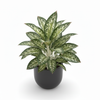
Transform your space with the effortless elegance of the 'White Spotted' Chinese Evergreen. Its captivating, paint-splattered leaves bring a vibrant, artistic touch to any room, thriving even in the dimmest corners of your home or office. This isn't just a pretty plant; it's a resilient, air-purifying powerhouse that works silently to create a healthier environment. Forget the hassle—the Aglaonema is famously forgiving, making it the perfect green companion for both seasoned plant lovers and first-time parents. Add this living masterpiece to your cart and breathe life into your decor!
1. Basic Identification
Common Name: Chinese Evergreen (اكلونميا)
Botanical Name: Aglaonema commutatum
Variant: White Spotted
Color: Multicolor (Green and White)
Country of Origin: Netherlands
2. Taxonomy & Classification
Kingdom: Plantae
Clade: Tracheophytes
Order: Alismatales
Family: Araceae
Genus: Aglaonema
Species: Aglaonema commutatum
3. Origin & Distribution
Aglaonema commutatum is native to the tropical and subtropical regions of Southeast Asia, specifically found in the Philippines and northeastern Celebes. It has been widely naturalized in other tropical regions worldwide due to its popularity as an ornamental plant.
4. Visual Characteristics
This 'White Spotted' variety features lush, lance-shaped leaves that grow in a dense clumping habit. The foliage is characterized by a deep green base heavily speckled or "splashed" with creamy white or silvery-white markings, resembling paint splatters. The stems are typically fleshy and upright.
5. Size & Dimensions
In indoor conditions, this plant typically reaches a height of 1 to 3 feet (30-90 cm) and spreads approximately the same width. It is a slow-growing plant that maintains a compact, bushy appearance.
6. Light Requirements
One of its greatest strengths is its ability to thrive in low to medium indirect light. While it can handle bright indirect light, which may enhance the variegation, it must be kept away from direct sunlight, which can scorch the leaves.
7. Watering Needs
Water when the top 1 to 2 inches of soil feel dry to the touch. The plant prefers consistent moisture but is relatively drought-tolerant. Avoid overwatering, as this species is susceptible to root rot if left in standing water.
8. Soil & Potting
Requires a well-draining potting mix. A mixture of peat moss, perlite, and pine bark is ideal to provide both aeration and moisture retention. Ensure the pot has adequate drainage holes.
9. Temperature & Humidity
Thrives in temperatures between 65°F and 80°F (18°C - 27°C). It is sensitive to cold drafts and temperatures below 60°F. While it tolerates average home humidity, it flourishes in higher humidity environments.
10. Fertilization
Apply a balanced liquid houseplant fertilizer diluted to half-strength once a month during the growing season (spring and summer). Do not fertilize during the winter months when growth slows down.
11. Maintenance & Care Level
Easy/Low Maintenance. Regular care involves wiping the leaves with a damp cloth to remove dust, which helps the plant breathe and photosynthesize. Prune away any yellowing or dead leaves at the base to encourage new growth.
12. Growth & Propagation
Propagation is most successful through stem cuttings or by root division during repotting. It is a slow to moderate grower that rarely needs frequent repotting.
13. Common Problems
Generally pest-resistant, but can occasionally attract mealybugs or spider mites in very dry conditions. Yellow leaves may indicate overwatering or exposure to cold temperatures. Brown leaf tips often suggest low humidity or tap water chemicals.
14. Benefits & Uses
Highly valued as an air-purifying plant, it is known to remove toxins such as formaldehyde and benzene from the air. Its striking variegation makes it a popular choice for home décor, office desks, and low-light corners.
15. Toxicity & Safety
Toxic to pets (cats and dogs) and humans if ingested. The plant contains calcium oxalate crystals, which can cause irritation of the mouth, throat, and digestive tract. Handle with care and keep out of reach of children and animals.
Chinese Evergreen 'White Spotted'

Transform your space with the effortless elegance of the 'White Spotted' Chinese Evergreen. Its captivating, paint-splattered leaves bring a vibrant, artistic touch to any room, thriving even in the dimmest corners of your home or office. This isn't just a pretty plant; it's a resilient, air-purifying powerhouse that works silently to create a healthier environment. Forget the hassle—the Aglaonema is famously forgiving, making it the perfect green companion for both seasoned plant lovers and first-time parents. Add this living masterpiece to your cart and breathe life into your decor!
1. Basic Identification
Common Name: Chinese Evergreen (اكلونميا)
Botanical Name: Aglaonema commutatum
Variant: White Spotted
Color: Multicolor (Green and White)
Country of Origin: Netherlands
2. Taxonomy & Classification
Kingdom: Plantae
Clade: Tracheophytes
Order: Alismatales
Family: Araceae
Genus: Aglaonema
Species: Aglaonema commutatum
3. Origin & Distribution
Aglaonema commutatum is native to the tropical and subtropical regions of Southeast Asia, specifically found in the Philippines and northeastern Celebes. It has been widely naturalized in other tropical regions worldwide due to its popularity as an ornamental plant.
4. Visual Characteristics
This 'White Spotted' variety features lush, lance-shaped leaves that grow in a dense clumping habit. The foliage is characterized by a deep green base heavily speckled or "splashed" with creamy white or silvery-white markings, resembling paint splatters. The stems are typically fleshy and upright.
5. Size & Dimensions
In indoor conditions, this plant typically reaches a height of 1 to 3 feet (30-90 cm) and spreads approximately the same width. It is a slow-growing plant that maintains a compact, bushy appearance.
6. Light Requirements
One of its greatest strengths is its ability to thrive in low to medium indirect light. While it can handle bright indirect light, which may enhance the variegation, it must be kept away from direct sunlight, which can scorch the leaves.
7. Watering Needs
Water when the top 1 to 2 inches of soil feel dry to the touch. The plant prefers consistent moisture but is relatively drought-tolerant. Avoid overwatering, as this species is susceptible to root rot if left in standing water.
8. Soil & Potting
Requires a well-draining potting mix. A mixture of peat moss, perlite, and pine bark is ideal to provide both aeration and moisture retention. Ensure the pot has adequate drainage holes.
9. Temperature & Humidity
Thrives in temperatures between 65°F and 80°F (18°C - 27°C). It is sensitive to cold drafts and temperatures below 60°F. While it tolerates average home humidity, it flourishes in higher humidity environments.
10. Fertilization
Apply a balanced liquid houseplant fertilizer diluted to half-strength once a month during the growing season (spring and summer). Do not fertilize during the winter months when growth slows down.
11. Maintenance & Care Level
Easy/Low Maintenance. Regular care involves wiping the leaves with a damp cloth to remove dust, which helps the plant breathe and photosynthesize. Prune away any yellowing or dead leaves at the base to encourage new growth.
12. Growth & Propagation
Propagation is most successful through stem cuttings or by root division during repotting. It is a slow to moderate grower that rarely needs frequent repotting.
13. Common Problems
Generally pest-resistant, but can occasionally attract mealybugs or spider mites in very dry conditions. Yellow leaves may indicate overwatering or exposure to cold temperatures. Brown leaf tips often suggest low humidity or tap water chemicals.
14. Benefits & Uses
Highly valued as an air-purifying plant, it is known to remove toxins such as formaldehyde and benzene from the air. Its striking variegation makes it a popular choice for home décor, office desks, and low-light corners.
15. Toxicity & Safety
Toxic to pets (cats and dogs) and humans if ingested. The plant contains calcium oxalate crystals, which can cause irritation of the mouth, throat, and digestive tract. Handle with care and keep out of reach of children and animals.