


New





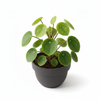
Bring luck and minimalist charm into your space with the Pilea Peperomioides, the famous Chinese Money Plant! Its perfectly round, coin-like leaves on dancing stems create a playful yet elegant vibe. Incredibly easy to care for and non-toxic to pets, it's the ideal green companion for both beginner plant parents and seasoned enthusiasts. Famous for producing 'pups' to share with friends, it's literally the gift that keeps on giving. Perfect for brightening up a desk, shelf, or living room. Order yours today and invite a little green fortune indoors!
Common Name: Chinese Money Plant, Pancake Plant, UFO Plant, Friendship Plant
Botanical Name: Pilea peperomioides
Family: Urticaceae
Location: Indoor
Kingdom: Plantae
Clade: Angiosperms
Order: Rosales
Family: Urticaceae
Genus: Pilea
Species: Pilea peperomioides
The Pilea peperomioides is native to the Yunnan and Sichuan provinces in southern China. It was first collected by George Forrest in 1906, but it gained popularity in the West after a Norwegian missionary, Agnar Espegren, took cuttings home in the 1940s and shared them with friends, leading to its nickname "The Friendship Plant."
This plant is easily recognized by its bright green, circular, peltate leaves that can grow up to 10 cm in diameter. The leaves have a thick, succulent-like texture and are held on long, thin petioles that sprout from a central upright stem. As the plant ages, the main stem becomes woody and can develop a slightly trunk-like appearance.
In an indoor environment, the Chinese Money Plant typically reaches a height and spread of approximately 30 cm to 50 cm. It maintains a compact, bushy habit, especially when young, though older plants may grow taller and more elongated.
Prefers bright, indirect light. Placing it near a north-facing window or a few feet away from a bright east or west window is ideal. Direct afternoon sun should be avoided as it can scorch the delicate leaves, while low light can cause the plant to become leggy and the leaves to lose their circular shape.
Allow the soil to dry out almost completely between waterings. A good rule of thumb is to wait until the top 50-75% of the soil is dry. When thirsty, the leaves will lose their turgidity and begin to droop significantly. Avoid overwatering or letting the plant sit in standing water to prevent root rot.
Requires a well-draining potting mix. A high-quality organic potting soil amended with perlite or coarse sand is recommended to ensure proper drainage and aeration. Ensure the pot has drainage holes.
Thrives in standard household temperatures between 15°C and 24°C (60°F–75°F). It is relatively adaptable to humidity levels but prefers environments with at least 40-50% humidity. It should be kept away from cold drafts and heating vents.
Feed with a balanced, water-soluble liquid fertilizer once a month during the active growing season (spring and summer). Do not fertilize during the autumn and winter months when growth slows down.
Care Level: Easy. Maintenance involves rotating the plant 90 degrees every week to ensure even growth toward the light. Wipe the leaves periodically with a damp cloth to remove dust and maintain photosynthetic efficiency.
Pilea peperomioides is a relatively fast grower. It is famous for producing "pups" or plantlets that emerge from the roots or the main stem. These can be easily removed with a clean knife once they are a few centimeters tall and rooted in soil or water to create new plants.
Common issues include yellowing leaves (often due to overwatering), brown crispy edges (low humidity or underwatering), and "cupping" or curling of the leaves (which can indicate temperature stress or incorrect lighting). It can occasionally attract aphids or fungus gnats if the soil remains too wet.
Highly valued for its aesthetic, minimalist look in modern home decor. It is an effective air purifier, helping to remove toxins from indoor air. Culturally, it is often associated with bringing good luck and financial prosperity.
Pilea peperomioides is considered non-toxic to humans, cats, and dogs, making it an excellent choice for households with curious pets and children.
Bring luck and minimalist charm into your space with the Pilea Peperomioides, the famous Chinese Money Plant! Its perfectly round, coin-like leaves on dancing stems create a playful yet elegant vibe. Incredibly easy to care for and non-toxic to pets, it's the ideal green companion for both beginner plant parents and seasoned enthusiasts. Famous for producing 'pups' to share with friends, it's literally the gift that keeps on giving. Perfect for brightening up a desk, shelf, or living room. Order yours today and invite a little green fortune indoors!
Common Name: Chinese Money Plant, Pancake Plant, UFO Plant, Friendship Plant
Botanical Name: Pilea peperomioides
Family: Urticaceae
Location: Indoor
Kingdom: Plantae
Clade: Angiosperms
Order: Rosales
Family: Urticaceae
Genus: Pilea
Species: Pilea peperomioides
The Pilea peperomioides is native to the Yunnan and Sichuan provinces in southern China. It was first collected by George Forrest in 1906, but it gained popularity in the West after a Norwegian missionary, Agnar Espegren, took cuttings home in the 1940s and shared them with friends, leading to its nickname "The Friendship Plant."
This plant is easily recognized by its bright green, circular, peltate leaves that can grow up to 10 cm in diameter. The leaves have a thick, succulent-like texture and are held on long, thin petioles that sprout from a central upright stem. As the plant ages, the main stem becomes woody and can develop a slightly trunk-like appearance.
In an indoor environment, the Chinese Money Plant typically reaches a height and spread of approximately 30 cm to 50 cm. It maintains a compact, bushy habit, especially when young, though older plants may grow taller and more elongated.
Prefers bright, indirect light. Placing it near a north-facing window or a few feet away from a bright east or west window is ideal. Direct afternoon sun should be avoided as it can scorch the delicate leaves, while low light can cause the plant to become leggy and the leaves to lose their circular shape.
Allow the soil to dry out almost completely between waterings. A good rule of thumb is to wait until the top 50-75% of the soil is dry. When thirsty, the leaves will lose their turgidity and begin to droop significantly. Avoid overwatering or letting the plant sit in standing water to prevent root rot.
Requires a well-draining potting mix. A high-quality organic potting soil amended with perlite or coarse sand is recommended to ensure proper drainage and aeration. Ensure the pot has drainage holes.
Thrives in standard household temperatures between 15°C and 24°C (60°F–75°F). It is relatively adaptable to humidity levels but prefers environments with at least 40-50% humidity. It should be kept away from cold drafts and heating vents.
Feed with a balanced, water-soluble liquid fertilizer once a month during the active growing season (spring and summer). Do not fertilize during the autumn and winter months when growth slows down.
Care Level: Easy. Maintenance involves rotating the plant 90 degrees every week to ensure even growth toward the light. Wipe the leaves periodically with a damp cloth to remove dust and maintain photosynthetic efficiency.
Pilea peperomioides is a relatively fast grower. It is famous for producing "pups" or plantlets that emerge from the roots or the main stem. These can be easily removed with a clean knife once they are a few centimeters tall and rooted in soil or water to create new plants.
Common issues include yellowing leaves (often due to overwatering), brown crispy edges (low humidity or underwatering), and "cupping" or curling of the leaves (which can indicate temperature stress or incorrect lighting). It can occasionally attract aphids or fungus gnats if the soil remains too wet.
Highly valued for its aesthetic, minimalist look in modern home decor. It is an effective air purifier, helping to remove toxins from indoor air. Culturally, it is often associated with bringing good luck and financial prosperity.
Pilea peperomioides is considered non-toxic to humans, cats, and dogs, making it an excellent choice for households with curious pets and children.





Take 20% off your first order
Enter the code below at checkout to get 20% off your first order