

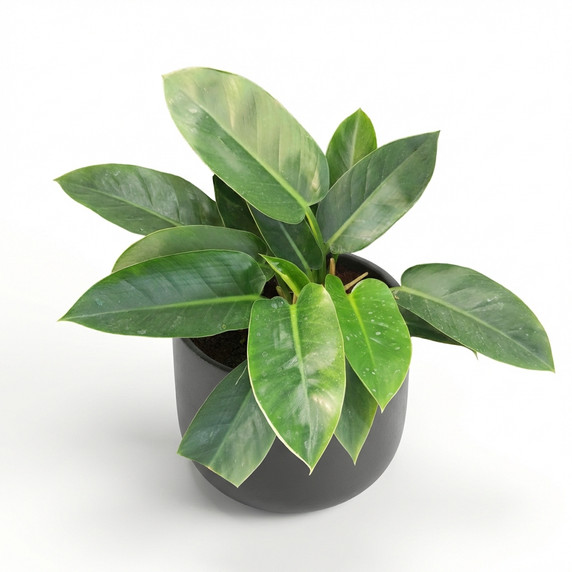





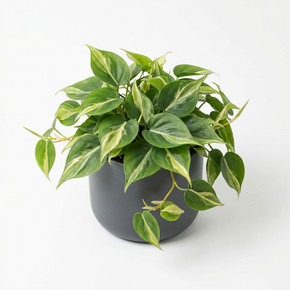
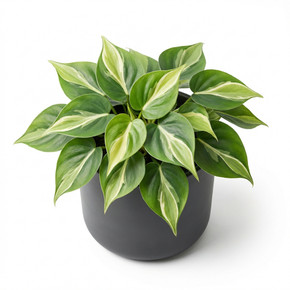
Bring instant tropical impact to any space with Congo Philodendron. Its broad, glossy leaves create a clean, modern statement that looks premium in reception areas, meeting rooms, and living rooms. It’s forgiving, low-maintenance, and thrives in bright indirect to medium light—just water when the top soil dries and enjoy steady, lush growth all year.
Common Name: Philodendron Congo Green
Botanical Name: Philodendron tatei
Variety: Congo Green
Arabic Name: فيلودندرون
Plant Color: Green
Family: Araceae
Kingdom: Plantae
Clade: Tracheophytes
Order: Alismatales
Family: Araceae
Genus: Philodendron
Species: Philodendron tatei
Philodendron tatei is native to the tropical regions of South America, specifically Brazil and Colombia. The 'Congo' cultivar is a popular nursery selection developed for its robust, self-heading (non-climbing) growth habit.
This plant features large, thick, leathery leaves with a glossy finish. Unlike many philodendrons, it grows from a central clump and does not require a moss pole for support. The 'Congo Green' variety maintains a deep, rich green color throughout its foliage.
In indoor environments, the Congo Philodendron typically reaches a height of 3 to 4 feet and a similar width. The individual leaves can grow up to 1 to 2 feet long, providing a significant visual presence.
Thrives in bright, indirect light but is highly adaptable to medium light conditions. Avoid direct sunlight, which can scorch the leaves and cause fading or brown patches.
Allow the top 50% of the soil to dry out between waterings. Water thoroughly until it drains from the bottom, then discard excess water. It is relatively drought-tolerant but sensitive to overwatering.
Requires a well-aerated, loose potting mix. A blend of potting soil, orchid bark, and perlite works best to ensure excellent drainage while retaining some moisture.
Prefers warm temperatures between 18°C and 27°C. While it can handle average indoor humidity, it flourishes in higher humidity levels (above 50%). Keep away from cold drafts and air conditioning vents.
Feed with a balanced, water-soluble liquid fertilizer once a month during the spring and summer growing seasons. No fertilization is needed during the winter months.
Maintenance Level: Low. Care involves wiping the large leaves with a damp cloth to remove dust and keep the pores clear. Pruning is rarely necessary except to remove older, yellowing leaves at the base.
A moderate grower that maintains a compact, upright shape. Propagation is typically done via stem cuttings or air layering, though it is more difficult than trailing varieties because of its thick, tight stems.
Common issues include yellow leaves from overwatering or root rot, and brown leaf tips caused by very low humidity. Keep an eye out for common indoor pests like mealybugs or spider mites.
Highly valued as an air-purifying plant that filters common indoor toxins. Its architectural shape and glossy foliage make it a favorite for modern interior design, corporate offices, and spacious living rooms.
Toxic to pets (cats and dogs) and humans if ingested. The plant contains calcium oxalate crystals which can cause swelling of the mouth, throat, and digestive tract irritation.
Bring instant tropical impact to any space with Congo Philodendron. Its broad, glossy leaves create a clean, modern statement that looks premium in reception areas, meeting rooms, and living rooms. It’s forgiving, low-maintenance, and thrives in bright indirect to medium light—just water when the top soil dries and enjoy steady, lush growth all year.
Common Name: Philodendron Congo Green
Botanical Name: Philodendron tatei
Variety: Congo Green
Arabic Name: فيلودندرون
Plant Color: Green
Family: Araceae
Kingdom: Plantae
Clade: Tracheophytes
Order: Alismatales
Family: Araceae
Genus: Philodendron
Species: Philodendron tatei
Philodendron tatei is native to the tropical regions of South America, specifically Brazil and Colombia. The 'Congo' cultivar is a popular nursery selection developed for its robust, self-heading (non-climbing) growth habit.
This plant features large, thick, leathery leaves with a glossy finish. Unlike many philodendrons, it grows from a central clump and does not require a moss pole for support. The 'Congo Green' variety maintains a deep, rich green color throughout its foliage.
In indoor environments, the Congo Philodendron typically reaches a height of 3 to 4 feet and a similar width. The individual leaves can grow up to 1 to 2 feet long, providing a significant visual presence.
Thrives in bright, indirect light but is highly adaptable to medium light conditions. Avoid direct sunlight, which can scorch the leaves and cause fading or brown patches.
Allow the top 50% of the soil to dry out between waterings. Water thoroughly until it drains from the bottom, then discard excess water. It is relatively drought-tolerant but sensitive to overwatering.
Requires a well-aerated, loose potting mix. A blend of potting soil, orchid bark, and perlite works best to ensure excellent drainage while retaining some moisture.
Prefers warm temperatures between 18°C and 27°C. While it can handle average indoor humidity, it flourishes in higher humidity levels (above 50%). Keep away from cold drafts and air conditioning vents.
Feed with a balanced, water-soluble liquid fertilizer once a month during the spring and summer growing seasons. No fertilization is needed during the winter months.
Maintenance Level: Low. Care involves wiping the large leaves with a damp cloth to remove dust and keep the pores clear. Pruning is rarely necessary except to remove older, yellowing leaves at the base.
A moderate grower that maintains a compact, upright shape. Propagation is typically done via stem cuttings or air layering, though it is more difficult than trailing varieties because of its thick, tight stems.
Common issues include yellow leaves from overwatering or root rot, and brown leaf tips caused by very low humidity. Keep an eye out for common indoor pests like mealybugs or spider mites.
Highly valued as an air-purifying plant that filters common indoor toxins. Its architectural shape and glossy foliage make it a favorite for modern interior design, corporate offices, and spacious living rooms.
Toxic to pets (cats and dogs) and humans if ingested. The plant contains calcium oxalate crystals which can cause swelling of the mouth, throat, and digestive tract irritation.




Take 20% off your first order
Enter the code below at checkout to get 20% off your first order