


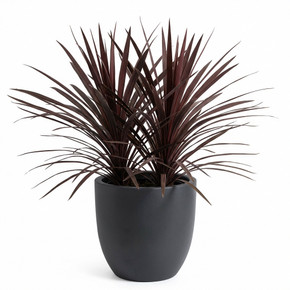
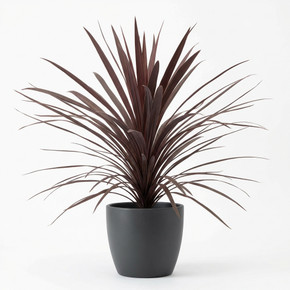


Bring instant tropical luxury to your space with Cordyline fruticosa. Its dramatic burgundy leaves streaked with vibrant pink create a premium, designer look that elevates receptions, living rooms, and modern offices. Easy to care for in bright, indirect light, this Ti Plant delivers long-lasting color with minimal effort—perfect as a statement floor plant or a grouped foliage display.
Common Name: Ti Plant
Botanical Name: Cordyline fruticosa
Former Name: Dracaena fruticosa
Plant Type: Tropical foliage houseplant
Plant Code / SKU: PLT-0430
Alternative Names:
Hawaiian Ti
Good Luck Plant
Cabbage Tree
Order: Asparagales
Family: Asparagaceae
Genus: Cordyline
Native to Southeast Asia, New Guinea, Melanesia and Polynesia; widely cultivated in tropical and subtropical regions worldwide.
Evergreen perennial with upright cane-like stems; long, lanceolate leaves 30–60 cm long, variegated in burgundy to dark red with vibrant pink streaks; new growth emerges in colorful rosettes; may produce small white to greenish flowers in branched panicles.
Indoor height: 1–2 m (3–6 ft); spread: 60–90 cm (2–3 ft); moderate growth rate.
Bright, indirect light; tolerates partial shade; avoid direct midday sun to prevent leaf scorch.
Maintain evenly moist soil; water when top 2–3 cm (1 in) of soil dries; avoid waterlogging; reduce watering in winter.
Use a well-draining, fertile potting mix rich in organic matter; ideal pH 5.5–7.0; ensure adequate drainage to prevent root rot.
Optimal temperature 18–29 °C (65–85 °F); minimum 15 °C (59 °F); high humidity preferred (60%+); benefits from occasional misting or humidifier.
Feed with a balanced liquid fertilizer (e.g., 10-10-10 NPK) every 4–6 weeks during active growth (spring and summer); reduce frequency in fall and winter.
Easy to moderate care; prune yellow or damaged leaves; wipe foliage to remove dust; stake taller plants if necessary.
Propagate via stem cuttings: cut 10–15 cm (4–6 in) sections, allow to callus, then insert in moist potting medium; division of basal suckers also successful.
Overwatering can cause root rot; low humidity leads to brown leaf tips; pests include spider mites, mealybugs and scale; poor circulation may result in fungal leaf spots.
Ornamental accent for interiors and landscapes; adds vibrant color and tropical structure; may improve indoor air quality; used in Feng Shui as a symbol of luck and protection.
Toxic to pets (cats and dogs), causing vomiting, depression and drooling if ingested; mild gastrointestinal upset possible in humans; handle with care.
Bring instant tropical luxury to your space with Cordyline fruticosa. Its dramatic burgundy leaves streaked with vibrant pink create a premium, designer look that elevates receptions, living rooms, and modern offices. Easy to care for in bright, indirect light, this Ti Plant delivers long-lasting color with minimal effort—perfect as a statement floor plant or a grouped foliage display.
Common Name: Ti Plant
Botanical Name: Cordyline fruticosa
Former Name: Dracaena fruticosa
Plant Type: Tropical foliage houseplant
Plant Code / SKU: PLT-0430
Alternative Names:
Hawaiian Ti
Good Luck Plant
Cabbage Tree
Order: Asparagales
Family: Asparagaceae
Genus: Cordyline
Native to Southeast Asia, New Guinea, Melanesia and Polynesia; widely cultivated in tropical and subtropical regions worldwide.
Evergreen perennial with upright cane-like stems; long, lanceolate leaves 30–60 cm long, variegated in burgundy to dark red with vibrant pink streaks; new growth emerges in colorful rosettes; may produce small white to greenish flowers in branched panicles.
Indoor height: 1–2 m (3–6 ft); spread: 60–90 cm (2–3 ft); moderate growth rate.
Bright, indirect light; tolerates partial shade; avoid direct midday sun to prevent leaf scorch.
Maintain evenly moist soil; water when top 2–3 cm (1 in) of soil dries; avoid waterlogging; reduce watering in winter.
Use a well-draining, fertile potting mix rich in organic matter; ideal pH 5.5–7.0; ensure adequate drainage to prevent root rot.
Optimal temperature 18–29 °C (65–85 °F); minimum 15 °C (59 °F); high humidity preferred (60%+); benefits from occasional misting or humidifier.
Feed with a balanced liquid fertilizer (e.g., 10-10-10 NPK) every 4–6 weeks during active growth (spring and summer); reduce frequency in fall and winter.
Easy to moderate care; prune yellow or damaged leaves; wipe foliage to remove dust; stake taller plants if necessary.
Propagate via stem cuttings: cut 10–15 cm (4–6 in) sections, allow to callus, then insert in moist potting medium; division of basal suckers also successful.
Overwatering can cause root rot; low humidity leads to brown leaf tips; pests include spider mites, mealybugs and scale; poor circulation may result in fungal leaf spots.
Ornamental accent for interiors and landscapes; adds vibrant color and tropical structure; may improve indoor air quality; used in Feng Shui as a symbol of luck and protection.
Toxic to pets (cats and dogs), causing vomiting, depression and drooling if ingested; mild gastrointestinal upset possible in humans; handle with care.

Take 20% off your first order
Enter the code below at checkout to get 20% off your first order