


Eucalyptus
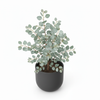
Transform your space with the invigorating scent and chic look of a live Eucalyptus tree. More than just a plant, it’s a living piece of art that engages the senses. The stunning silver-blue leaves create a cool, calming visual, while the refreshing fragrance turns your home into a sanctuary. Perfect for the modern plant lover seeking a statement piece that is both beautiful and functional. Order now and breathe in the freshness.
1. Basic Identification
Common Name: Cider Gum, Eucalyptus
Botanical Name: Eucalyptus gunnii
Arabic Name: اقلينوس
Plant Color: Natural (Silver-blue/Green)
Country of Origin: Netherlands
2. Taxonomy & Classification
Kingdom: Plantae
Order: Myrtales
Family: Myrtaceae
Genus: Eucalyptus
Species: E. gunnii
3. Origin & Distribution
Eucalyptus gunnii is native to the high-altitude plateaus and woodlands of Tasmania, Australia. It has been widely introduced and naturalized in various parts of Europe, including the UK and the Netherlands, where it is prized for its hardiness and ornamental value.
4. Visual Characteristics
Known for its striking juvenile foliage, the plant features rounded, stalkless, silvery-blue leaves that grow in opposite pairs. As the tree matures, the leaves transition into a longer, lance-shaped, grey-green form. The bark is another highlight, often peeling in ribbons to reveal smooth patches of white, cream, and green.
5. Size & Dimensions
In its natural habitat, it can reach heights of 25 meters. However, when grown as a container plant or a standard ornamental tree, it is typically maintained between 1.5 to 3 meters through regular pruning. Its spread is generally 1-1.5 meters in domestic settings.
6. Light Requirements
High. This plant thrives in full sun. Indoors, it requires a very bright spot, preferably near a south-facing window or in a bright atrium, to maintain its vibrant color and vigor.
7. Watering Needs
Moderate to High. Eucalyptus gunnii prefers consistently moist soil but does not like to sit in waterlogged conditions. It is important to water thoroughly whenever the top inch of soil feels dry. It is quite sensitive to drying out completely, which can lead to rapid leaf drop.
8. Soil & Potting
Requires well-draining, fertile soil. A mix of high-quality potting soil with added perlite or grit for drainage is ideal. It prefers slightly acidic to neutral pH levels.
9. Temperature & Humidity
Remarkably hardy, it can withstand temperatures as low as -10°C to -15°C once established. It adapts well to average indoor humidity but appreciates good air circulation. It does not thrive in overly stagnant or dry air common near heaters.
10. Fertilization
During the growing season (spring and summer), apply a balanced liquid fertilizer every 2-4 weeks. Reduce feeding during the autumn and winter months.
11. Maintenance & Care Level
Care Level: Advanced. While hardy outdoors, it is considered challenging as an indoor plant because of its high demand for sunlight and consistent moisture. Regular pruning is necessary to maintain its shape and encourage juvenile foliage.
12. Growth & Propagation
Eucalyptus gunnii is a fast grower. It is primarily propagated via seeds. Stem cuttings are notoriously difficult to root and are rarely successful for home gardeners.
13. Common Problems
The most common issue is leaf browning and drop due to underwatering or low light. It can also be susceptible to spider mites if the air is too dry, and powdery mildew if air circulation is poor.
14. Benefits & Uses
Excellent air-purifier. The leaves contain essential oils (eucalyptol) known for their refreshing scent and respiratory benefits. It is widely used in floral arrangements and as a statement piece in modern home décor and corporate lobbies.
15. Toxicity & Safety
Toxic to pets. Eucalyptus leaves are toxic to dogs, cats, and horses if ingested. The essential oils can also cause skin irritation or gastrointestinal distress in humans if consumed or handled improperly.
Eucalyptus

Transform your space with the invigorating scent and chic look of a live Eucalyptus tree. More than just a plant, it’s a living piece of art that engages the senses. The stunning silver-blue leaves create a cool, calming visual, while the refreshing fragrance turns your home into a sanctuary. Perfect for the modern plant lover seeking a statement piece that is both beautiful and functional. Order now and breathe in the freshness.
1. Basic Identification
Common Name: Cider Gum, Eucalyptus
Botanical Name: Eucalyptus gunnii
Arabic Name: اقلينوس
Plant Color: Natural (Silver-blue/Green)
Country of Origin: Netherlands
2. Taxonomy & Classification
Kingdom: Plantae
Order: Myrtales
Family: Myrtaceae
Genus: Eucalyptus
Species: E. gunnii
3. Origin & Distribution
Eucalyptus gunnii is native to the high-altitude plateaus and woodlands of Tasmania, Australia. It has been widely introduced and naturalized in various parts of Europe, including the UK and the Netherlands, where it is prized for its hardiness and ornamental value.
4. Visual Characteristics
Known for its striking juvenile foliage, the plant features rounded, stalkless, silvery-blue leaves that grow in opposite pairs. As the tree matures, the leaves transition into a longer, lance-shaped, grey-green form. The bark is another highlight, often peeling in ribbons to reveal smooth patches of white, cream, and green.
5. Size & Dimensions
In its natural habitat, it can reach heights of 25 meters. However, when grown as a container plant or a standard ornamental tree, it is typically maintained between 1.5 to 3 meters through regular pruning. Its spread is generally 1-1.5 meters in domestic settings.
6. Light Requirements
High. This plant thrives in full sun. Indoors, it requires a very bright spot, preferably near a south-facing window or in a bright atrium, to maintain its vibrant color and vigor.
7. Watering Needs
Moderate to High. Eucalyptus gunnii prefers consistently moist soil but does not like to sit in waterlogged conditions. It is important to water thoroughly whenever the top inch of soil feels dry. It is quite sensitive to drying out completely, which can lead to rapid leaf drop.
8. Soil & Potting
Requires well-draining, fertile soil. A mix of high-quality potting soil with added perlite or grit for drainage is ideal. It prefers slightly acidic to neutral pH levels.
9. Temperature & Humidity
Remarkably hardy, it can withstand temperatures as low as -10°C to -15°C once established. It adapts well to average indoor humidity but appreciates good air circulation. It does not thrive in overly stagnant or dry air common near heaters.
10. Fertilization
During the growing season (spring and summer), apply a balanced liquid fertilizer every 2-4 weeks. Reduce feeding during the autumn and winter months.
11. Maintenance & Care Level
Care Level: Advanced. While hardy outdoors, it is considered challenging as an indoor plant because of its high demand for sunlight and consistent moisture. Regular pruning is necessary to maintain its shape and encourage juvenile foliage.
12. Growth & Propagation
Eucalyptus gunnii is a fast grower. It is primarily propagated via seeds. Stem cuttings are notoriously difficult to root and are rarely successful for home gardeners.
13. Common Problems
The most common issue is leaf browning and drop due to underwatering or low light. It can also be susceptible to spider mites if the air is too dry, and powdery mildew if air circulation is poor.
14. Benefits & Uses
Excellent air-purifier. The leaves contain essential oils (eucalyptol) known for their refreshing scent and respiratory benefits. It is widely used in floral arrangements and as a statement piece in modern home décor and corporate lobbies.
15. Toxicity & Safety
Toxic to pets. Eucalyptus leaves are toxic to dogs, cats, and horses if ingested. The essential oils can also cause skin irritation or gastrointestinal distress in humans if consumed or handled improperly.