


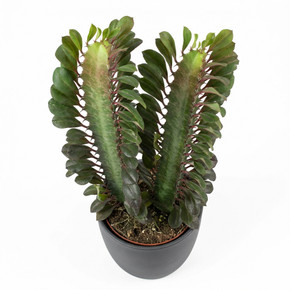



Sellum (Thaumatophyllum bipinnatifidum) is a majestic indoor plant that features large, deeply lobed, shiny green leaves. Also known as the Lacy Tree Philodendron, it is prized for its dramatic tropical appearance and ability to thrive in a variety of indoor environments. This air-purifying giant makes a bold statement in any home or office decor, bringing a touch of the exotic wild into your living space.
Common Name: Sellum, Lacy Tree Philodendron, Horsehead Philodendron
Botanical Name: Thaumatophyllum bipinnatifidum
Arabic Name: سيلوم
Family: Araceae
Location: Indoor
Kingdom: Plantae
Order: Alismatales
Family: Araceae
Genus: Thaumatophyllum
Species: T. bipinnatifidum. Formerly classified under the genus Philodendron as Philodendron bipinnatifidum.
Native to South America, specifically the tropical regions of Brazil, Bolivia, Argentina, and Paraguay, where it grows in humid forests and swampy areas.
Characterized by massive, glossy, deeply incised (pinnatifid) leaves that can reach up to 3 feet in length. The plant features a thick, semi-woody trunk marked with eye-like leaf scars from older foliage.
In indoor environments, it typically reaches a height and spread of 5 to 8 feet. In its natural habitat or outdoor gardens, it can grow even larger, spreading wide with its sprawling stems.
Prefers bright, indirect light. While it can tolerate moderate light, its leaves will grow larger and more vibrant with sufficient indirect sun. Avoid direct afternoon sun, which can scorch the foliage.
Water thoroughly when the top 1–2 inches of soil have dried out. Ensure excellent drainage, as the plant is susceptible to root rot if left in standing water. Reduce watering frequency during the winter months.
Requires a rich, well-draining potting mix. A combination of peat moss, perlite, and pine bark is ideal to provide both moisture retention and aeration.
Thrives in temperatures between 65°F and 80°F (18°C–27°C). It appreciates high humidity levels; misting the leaves or using a humidifier is recommended if the air is particularly dry.
Feed with a balanced, water-soluble fertilizer every 4–6 weeks during the active growing season (spring and summer). Do not fertilize during the dormant winter period.
Maintenance is low to moderate. Regularly wipe the large leaves with a damp cloth to remove dust and prevent pests. Prune yellowing or damaged lower leaves to maintain a tidy appearance.
It is a relatively fast grower under optimal conditions. Propagation is most successful through stem cuttings, air layering, or by planting seeds harvested from the inflorescence.
Watch for common pests such as spider mites, mealybugs, and scale. Overwatering can lead to yellowing leaves and root rot, while low humidity may cause brown tips on the leaves.
Highly effective at air purification, removing toxins like formaldehyde from the air. It is primarily used as a large floor plant focal point for home interiors, lobbies, and offices.
Toxic to both humans and pets (cats and dogs) if ingested. The plant contains calcium oxalate crystals, which can cause swelling, irritation of the mouth and throat, and digestive distress.
Sellum (Thaumatophyllum bipinnatifidum) is a majestic indoor plant that features large, deeply lobed, shiny green leaves. Also known as the Lacy Tree Philodendron, it is prized for its dramatic tropical appearance and ability to thrive in a variety of indoor environments. This air-purifying giant makes a bold statement in any home or office decor, bringing a touch of the exotic wild into your living space.
Common Name: Sellum, Lacy Tree Philodendron, Horsehead Philodendron
Botanical Name: Thaumatophyllum bipinnatifidum
Arabic Name: سيلوم
Family: Araceae
Location: Indoor
Kingdom: Plantae
Order: Alismatales
Family: Araceae
Genus: Thaumatophyllum
Species: T. bipinnatifidum. Formerly classified under the genus Philodendron as Philodendron bipinnatifidum.
Native to South America, specifically the tropical regions of Brazil, Bolivia, Argentina, and Paraguay, where it grows in humid forests and swampy areas.
Characterized by massive, glossy, deeply incised (pinnatifid) leaves that can reach up to 3 feet in length. The plant features a thick, semi-woody trunk marked with eye-like leaf scars from older foliage.
In indoor environments, it typically reaches a height and spread of 5 to 8 feet. In its natural habitat or outdoor gardens, it can grow even larger, spreading wide with its sprawling stems.
Prefers bright, indirect light. While it can tolerate moderate light, its leaves will grow larger and more vibrant with sufficient indirect sun. Avoid direct afternoon sun, which can scorch the foliage.
Water thoroughly when the top 1–2 inches of soil have dried out. Ensure excellent drainage, as the plant is susceptible to root rot if left in standing water. Reduce watering frequency during the winter months.
Requires a rich, well-draining potting mix. A combination of peat moss, perlite, and pine bark is ideal to provide both moisture retention and aeration.
Thrives in temperatures between 65°F and 80°F (18°C–27°C). It appreciates high humidity levels; misting the leaves or using a humidifier is recommended if the air is particularly dry.
Feed with a balanced, water-soluble fertilizer every 4–6 weeks during the active growing season (spring and summer). Do not fertilize during the dormant winter period.
Maintenance is low to moderate. Regularly wipe the large leaves with a damp cloth to remove dust and prevent pests. Prune yellowing or damaged lower leaves to maintain a tidy appearance.
It is a relatively fast grower under optimal conditions. Propagation is most successful through stem cuttings, air layering, or by planting seeds harvested from the inflorescence.
Watch for common pests such as spider mites, mealybugs, and scale. Overwatering can lead to yellowing leaves and root rot, while low humidity may cause brown tips on the leaves.
Highly effective at air purification, removing toxins like formaldehyde from the air. It is primarily used as a large floor plant focal point for home interiors, lobbies, and offices.
Toxic to both humans and pets (cats and dogs) if ingested. The plant contains calcium oxalate crystals, which can cause swelling, irritation of the mouth and throat, and digestive distress.


Take 20% off your first order
Enter the code below at checkout to get 20% off your first order