


Golden Daisy Bush
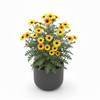
Transform your outdoor space with the radiant charm of the Golden Daisy Bush! A true garden workhorse, this stunning shrub delivers a spectacular, non-stop display of brilliant yellow, daisy-like flowers that stand out against its elegant, feathery, silver-green foliage. Exceptionally low-maintenance and drought-tolerant, it’s the perfect choice for busy gardeners or those seeking vibrant, water-wise solutions. Ideal for sunny borders, rock gardens, or as a cheerful 'thriller' in a container arrangement, the Euryops brings year-round color and life, attracting bees and butterflies to create a lively, buzzing ecosystem. Plant it, love it, and watch it thrive with minimal fuss.
1. Basic Identification
Common Name: Golden Daisy Bush / Euryops
Botanical Name: Euryops pectinatus
Arabic Name: ايروبس
Plant Variant: Standard
Plant Color: Multicolor (Yellow flowers with Silver-Green foliage)
Plant Country: Netherlands
2. Taxonomy & Classification
Kingdom: Plantae
Order: Asterales
Family: Asteraceae
Genus: Euryops
Species: E. pectinatus
3. Origin & Distribution
The Golden Daisy Bush is native to South Africa, specifically the Western Cape region. It is widely cultivated in Mediterranean climates and temperate regions across the globe for its ornamental beauty and resilience.
4. Visual Characteristics
This evergreen shrub is characterized by its deeply indented, fern-like foliage that has a distinct silvery-grey or grey-green hue. The plant produces vibrant, bright yellow daisy-like flowers approximately 2 inches in diameter, which typically sit on long stalks above the foliage.
5. Size & Dimensions
Typically reaches a height and spread of 3 to 5 feet (0.9 to 1.5 meters). It maintains a naturally rounded, mounding growth habit that can be kept more compact through regular pruning.
6. Light Requirements
Requires full sun to thrive and bloom profusely. It needs at least 6 hours of direct sunlight daily. While it can tolerate partial shade, the flowering will be significantly reduced and the growth may become leggy.
7. Watering Needs
Moderate watering requirements. Once established, it is remarkably drought-tolerant. It is best to water thoroughly when the top inch of soil feels dry, but ensure the plant does not sit in waterlogged soil.
8. Soil & Potting
Prefers well-draining soil with a neutral to slightly acidic pH. It can adapt to various soil types, including sandy or loamy soils, as long as drainage is excellent. For container planting, use a high-quality potting mix with added perlite.
9. Temperature & Humidity
Thrives in warm, dry climates. It is hardy in USDA zones 8 through 11. It can tolerate light frost but may suffer damage if temperatures drop significantly below freezing for extended periods. It handles low humidity very well.
10. Fertilization
Apply a balanced, slow-release fertilizer in early spring as new growth begins. During the peak blooming season, a water-soluble fertilizer formulated for flowering plants can be applied monthly to encourage continuous budding.
11. Maintenance & Care Level
Low maintenance. Regular deadheading (removing spent flowers) will encourage the plant to produce more blooms and keep it looking tidy. A light pruning in late winter or early spring helps maintain its shape and prevents woodiness.
12. Growth & Propagation
It is a fast-growing shrub. Propagation is most successful via softwood cuttings taken in spring or early summer. It can also be grown from seeds, though cuttings are preferred for maintaining specific cultivar traits.
13. Common Problems
Generally pest-resistant but can occasionally be affected by aphids or snails. Overwatering is the most common issue, leading to root rot. In poorly ventilated areas, it may occasionally encounter powdery mildew.
14. Benefits & Uses
Highly effective as a border plant, hedge, or specimen shrub. It is excellent for rock gardens and coastal gardens due to its salt tolerance. It is a pollinator-friendly plant, attracting bees, butterflies, and other beneficial insects.
15. Toxicity & Safety
Euryops pectinatus is generally considered non-toxic to humans and common household pets (cats and dogs). However, as with any ornamental plant, it is best to discourage ingestion to avoid mild stomach upset.
Golden Daisy Bush

Transform your outdoor space with the radiant charm of the Golden Daisy Bush! A true garden workhorse, this stunning shrub delivers a spectacular, non-stop display of brilliant yellow, daisy-like flowers that stand out against its elegant, feathery, silver-green foliage. Exceptionally low-maintenance and drought-tolerant, it’s the perfect choice for busy gardeners or those seeking vibrant, water-wise solutions. Ideal for sunny borders, rock gardens, or as a cheerful 'thriller' in a container arrangement, the Euryops brings year-round color and life, attracting bees and butterflies to create a lively, buzzing ecosystem. Plant it, love it, and watch it thrive with minimal fuss.
1. Basic Identification
Common Name: Golden Daisy Bush / Euryops
Botanical Name: Euryops pectinatus
Arabic Name: ايروبس
Plant Variant: Standard
Plant Color: Multicolor (Yellow flowers with Silver-Green foliage)
Plant Country: Netherlands
2. Taxonomy & Classification
Kingdom: Plantae
Order: Asterales
Family: Asteraceae
Genus: Euryops
Species: E. pectinatus
3. Origin & Distribution
The Golden Daisy Bush is native to South Africa, specifically the Western Cape region. It is widely cultivated in Mediterranean climates and temperate regions across the globe for its ornamental beauty and resilience.
4. Visual Characteristics
This evergreen shrub is characterized by its deeply indented, fern-like foliage that has a distinct silvery-grey or grey-green hue. The plant produces vibrant, bright yellow daisy-like flowers approximately 2 inches in diameter, which typically sit on long stalks above the foliage.
5. Size & Dimensions
Typically reaches a height and spread of 3 to 5 feet (0.9 to 1.5 meters). It maintains a naturally rounded, mounding growth habit that can be kept more compact through regular pruning.
6. Light Requirements
Requires full sun to thrive and bloom profusely. It needs at least 6 hours of direct sunlight daily. While it can tolerate partial shade, the flowering will be significantly reduced and the growth may become leggy.
7. Watering Needs
Moderate watering requirements. Once established, it is remarkably drought-tolerant. It is best to water thoroughly when the top inch of soil feels dry, but ensure the plant does not sit in waterlogged soil.
8. Soil & Potting
Prefers well-draining soil with a neutral to slightly acidic pH. It can adapt to various soil types, including sandy or loamy soils, as long as drainage is excellent. For container planting, use a high-quality potting mix with added perlite.
9. Temperature & Humidity
Thrives in warm, dry climates. It is hardy in USDA zones 8 through 11. It can tolerate light frost but may suffer damage if temperatures drop significantly below freezing for extended periods. It handles low humidity very well.
10. Fertilization
Apply a balanced, slow-release fertilizer in early spring as new growth begins. During the peak blooming season, a water-soluble fertilizer formulated for flowering plants can be applied monthly to encourage continuous budding.
11. Maintenance & Care Level
Low maintenance. Regular deadheading (removing spent flowers) will encourage the plant to produce more blooms and keep it looking tidy. A light pruning in late winter or early spring helps maintain its shape and prevents woodiness.
12. Growth & Propagation
It is a fast-growing shrub. Propagation is most successful via softwood cuttings taken in spring or early summer. It can also be grown from seeds, though cuttings are preferred for maintaining specific cultivar traits.
13. Common Problems
Generally pest-resistant but can occasionally be affected by aphids or snails. Overwatering is the most common issue, leading to root rot. In poorly ventilated areas, it may occasionally encounter powdery mildew.
14. Benefits & Uses
Highly effective as a border plant, hedge, or specimen shrub. It is excellent for rock gardens and coastal gardens due to its salt tolerance. It is a pollinator-friendly plant, attracting bees, butterflies, and other beneficial insects.
15. Toxicity & Safety
Euryops pectinatus is generally considered non-toxic to humans and common household pets (cats and dogs). However, as with any ornamental plant, it is best to discourage ingestion to avoid mild stomach upset.