


Cupressaceae
Hesperocyparis arizonica
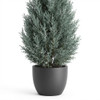
Create instant structure and premium curb appeal with a silver, columnar Arizona cypress. Its cool blue tone and upright form deliver a clean, modern look while providing dependable year-round screening. Sun-loving, tough, and easy to maintain—perfect for homes, villas, and commercial entrances.
1. Basic Identification
Common Name: Arizona cypress
Botanical Name: Hesperocyparis arizonica
Former Name: Cupressus arizonica
Plant Type: Evergreen conifer tree
Plant Code / SKU: PLT-0112
Alternative Names:
Arizona blue cypress
Columnar blue form
سرو
2. Taxonomy & Classification
Order: Pinales
Family: Cupressaceae
Genus: Hesperocyparis
3. Origin & Distribution
Native range includes the southwestern United States (Arizona, New Mexico) and northern Mexico. Commonly cultivated in Mediterranean and temperate climates worldwide, including Turkey for ornamental and screening purposes.
4. Visual Characteristics
Evergreen foliage of dense, scale-like leaves in silvery-blue hues. Bark is thin, reddish-brown, peeling in strips on mature trunks. Upright, narrowly columnar form with a uniform silhouette.
5. Size & Dimensions
Mature height: 12–18 m (40–60 ft). Mature width: 2–4 m (6–13 ft). Moderate growth rate, approximately 30–60 cm (12–24 in) per year, varying by cultivar and site conditions.
6. Light Requirements
Requires full sun (minimum 6 hours of direct sunlight daily) for optimal foliage color and form. Tolerates reflected heat and high light intensity.
7. Watering Needs
Moderate watering during establishment phase. Drought tolerant once established; water deeply and infrequently, allowing the top soil to dry between waterings. Avoid prolonged soil saturation.
8. Soil & Potting
Prefers well-drained, sandy to loamy soils with neutral to slightly alkaline pH. Tolerates poor, rocky soils. Avoid waterlogged or heavy clay conditions. In containers, use a free-draining potting mix and ensure adequate drainage holes.
9. Temperature & Humidity
Hardy in USDA zones 6–9. Tolerates high summer heat and low humidity. Sensitive to temperatures below –10 °C (14 °F); may experience tip burn in extreme cold.
10. Fertilization
Low nutrient requirements. Apply a balanced, slow-release fertilizer in early spring if growth appears poor or foliage coloration is weak. Avoid excess nitrogen which can reduce stress tolerance.
11. Maintenance & Care Level
Low maintenance. Minimal pruning required—remove dead, damaged, or diseased branches as needed. Light shaping may be performed to maintain a strict columnar form. Monitor for needle drop and clear debris to reduce pest habitat.
12. Growth & Propagation
Propagation primarily by seed, requiring fresh seed and optional cold stratification for improved germination. Semi-hardwood cuttings can be rooted under mist with rooting hormone. Commercial propagation may use grafting onto compatible rootstock for uniform cultivars.
13. Common Problems
Generally resistant to major pests and diseases. Occasional issues include cypress twig galls (Gymnosporangium spp.), aphid and mite infestations, and root rot in poorly drained soils. Bird pecking and wind burn may occur in exposed sites.
14. Benefits & Uses
Ideal for formal screens, windbreaks, hedges, and specimen plantings. Provides year-round structure and privacy. Its root system aids in erosion control on slopes. Silvery foliage adds architectural interest to landscapes.
15. Toxicity & Safety
Non-toxic to humans and pets. Safe for use in residential and commercial landscapes. Fallen foliage may create slip hazards if not regularly cleared.
Hesperocyparis arizonica

Create instant structure and premium curb appeal with a silver, columnar Arizona cypress. Its cool blue tone and upright form deliver a clean, modern look while providing dependable year-round screening. Sun-loving, tough, and easy to maintain—perfect for homes, villas, and commercial entrances.
1. Basic Identification
Common Name: Arizona cypress
Botanical Name: Hesperocyparis arizonica
Former Name: Cupressus arizonica
Plant Type: Evergreen conifer tree
Plant Code / SKU: PLT-0112
Alternative Names:
Arizona blue cypress
Columnar blue form
سرو
2. Taxonomy & Classification
Order: Pinales
Family: Cupressaceae
Genus: Hesperocyparis
3. Origin & Distribution
Native range includes the southwestern United States (Arizona, New Mexico) and northern Mexico. Commonly cultivated in Mediterranean and temperate climates worldwide, including Turkey for ornamental and screening purposes.
4. Visual Characteristics
Evergreen foliage of dense, scale-like leaves in silvery-blue hues. Bark is thin, reddish-brown, peeling in strips on mature trunks. Upright, narrowly columnar form with a uniform silhouette.
5. Size & Dimensions
Mature height: 12–18 m (40–60 ft). Mature width: 2–4 m (6–13 ft). Moderate growth rate, approximately 30–60 cm (12–24 in) per year, varying by cultivar and site conditions.
6. Light Requirements
Requires full sun (minimum 6 hours of direct sunlight daily) for optimal foliage color and form. Tolerates reflected heat and high light intensity.
7. Watering Needs
Moderate watering during establishment phase. Drought tolerant once established; water deeply and infrequently, allowing the top soil to dry between waterings. Avoid prolonged soil saturation.
8. Soil & Potting
Prefers well-drained, sandy to loamy soils with neutral to slightly alkaline pH. Tolerates poor, rocky soils. Avoid waterlogged or heavy clay conditions. In containers, use a free-draining potting mix and ensure adequate drainage holes.
9. Temperature & Humidity
Hardy in USDA zones 6–9. Tolerates high summer heat and low humidity. Sensitive to temperatures below –10 °C (14 °F); may experience tip burn in extreme cold.
10. Fertilization
Low nutrient requirements. Apply a balanced, slow-release fertilizer in early spring if growth appears poor or foliage coloration is weak. Avoid excess nitrogen which can reduce stress tolerance.
11. Maintenance & Care Level
Low maintenance. Minimal pruning required—remove dead, damaged, or diseased branches as needed. Light shaping may be performed to maintain a strict columnar form. Monitor for needle drop and clear debris to reduce pest habitat.
12. Growth & Propagation
Propagation primarily by seed, requiring fresh seed and optional cold stratification for improved germination. Semi-hardwood cuttings can be rooted under mist with rooting hormone. Commercial propagation may use grafting onto compatible rootstock for uniform cultivars.
13. Common Problems
Generally resistant to major pests and diseases. Occasional issues include cypress twig galls (Gymnosporangium spp.), aphid and mite infestations, and root rot in poorly drained soils. Bird pecking and wind burn may occur in exposed sites.
14. Benefits & Uses
Ideal for formal screens, windbreaks, hedges, and specimen plantings. Provides year-round structure and privacy. Its root system aids in erosion control on slopes. Silvery foliage adds architectural interest to landscapes.
15. Toxicity & Safety
Non-toxic to humans and pets. Safe for use in residential and commercial landscapes. Fallen foliage may create slip hazards if not regularly cleared.