


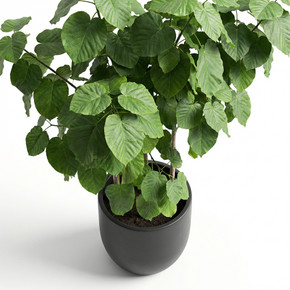



Turn any bright corner into a tropical showcase. This Double Orange Hibiscus delivers bold, ruffled blooms and rich green foliage that instantly elevates balconies, entrances, and sunny interiors. With steady light, deep watering, and regular feeding, it rewards you with repeated flowering and a lush, premium look—an ideal statement plant for homes and businesses alike.
Common Name: Double Orange Hibiscus
Botanical Name: Hibiscus rosa-sinensis
Arabic Name: دراسينا
Plant Variant: Double-flowered (Orange)
Plant Color: Orange
Family: Malvaceae
Kingdom: Plantae
Clade: Tracheophytes
Order: Malvales
Genus: Hibiscus
Species: Hibiscus rosa-sinensis
Native to Tropical Asia, particularly Southern China and Southeast Asia. It has been naturalized and cultivated in tropical and subtropical regions worldwide for centuries.
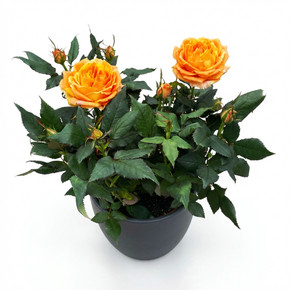
This variety features glossy, serrated, dark-green leaves that provide a striking contrast to its vibrant flowers. The blooms are "double," meaning they have an extra layer of ruffled petals, creating a full, carnation-like appearance in a brilliant orange hue.
In a container setting, it typically reaches 3 to 6 feet in height with a spread of 2 to 4 feet. If planted in the ground in warm climates, it can grow into a large shrub up to 10 feet tall.
Requires bright, direct sun to bright indirect light. For indoor growth, a south-facing window or a very sunny spot is essential for consistent blooming. Lack of light will result in fewer flowers and leggy growth.
Needs consistent moisture. The soil should be kept damp but never waterlogged. During hot summer months, daily watering may be necessary. In winter, watering should be reduced slightly, allowing the top inch of soil to dry.
Thrives in well-draining, fertile soil rich in organic matter. A peat-based potting mix with added perlite or bark for drainage is ideal. Prefers slightly acidic soil pH (6.0 to 6.8).
Thrives in temperatures between 15°C and 30°C. It is sensitive to frost and should be brought indoors when temperatures drop below 10°C. Prefers high humidity levels; misting or using a humidifier is beneficial in dry indoor environments.
Requires regular feeding during the growing season. Use a high-potassium or balanced liquid fertilizer every two weeks from spring through late summer to encourage continuous blooming.
Maintenance Level: Moderate. Care includes deadheading (removing spent blooms) to encourage new flowers and annual pruning in early spring to maintain its shape and promote bushier growth.
A fast-growing shrub. It is easily propagated through semi-hardwood stem cuttings taken in spring or summer, which can be rooted in water or moist soil with the help of rooting hormone.
Susceptible to aphids, spider mites, and whiteflies, especially when kept indoors. Bud drop can occur if the plant experiences sudden temperature changes, insufficient light, or if the soil dries out too much.
Primarily used as an ornamental statement plant. It attracts pollinators like butterflies and hummingbirds in outdoor settings. It is highly valued in landscaping and interior design for its tropical aesthetic.
Considered non-toxic to humans. However, it is reported to be toxic to cats, dogs, and horses by the ASPCA; ingestion can lead to digestive upset, including vomiting or diarrhea.
Turn any bright corner into a tropical showcase. This Double Orange Hibiscus delivers bold, ruffled blooms and rich green foliage that instantly elevates balconies, entrances, and sunny interiors. With steady light, deep watering, and regular feeding, it rewards you with repeated flowering and a lush, premium look—an ideal statement plant for homes and businesses alike.
Common Name: Double Orange Hibiscus
Botanical Name: Hibiscus rosa-sinensis
Arabic Name: دراسينا
Plant Variant: Double-flowered (Orange)
Plant Color: Orange
Family: Malvaceae
Kingdom: Plantae
Clade: Tracheophytes
Order: Malvales
Genus: Hibiscus
Species: Hibiscus rosa-sinensis
Native to Tropical Asia, particularly Southern China and Southeast Asia. It has been naturalized and cultivated in tropical and subtropical regions worldwide for centuries.
This variety features glossy, serrated, dark-green leaves that provide a striking contrast to its vibrant flowers. The blooms are "double," meaning they have an extra layer of ruffled petals, creating a full, carnation-like appearance in a brilliant orange hue.
In a container setting, it typically reaches 3 to 6 feet in height with a spread of 2 to 4 feet. If planted in the ground in warm climates, it can grow into a large shrub up to 10 feet tall.
Requires bright, direct sun to bright indirect light. For indoor growth, a south-facing window or a very sunny spot is essential for consistent blooming. Lack of light will result in fewer flowers and leggy growth.
Needs consistent moisture. The soil should be kept damp but never waterlogged. During hot summer months, daily watering may be necessary. In winter, watering should be reduced slightly, allowing the top inch of soil to dry.
Thrives in well-draining, fertile soil rich in organic matter. A peat-based potting mix with added perlite or bark for drainage is ideal. Prefers slightly acidic soil pH (6.0 to 6.8).
Thrives in temperatures between 15°C and 30°C. It is sensitive to frost and should be brought indoors when temperatures drop below 10°C. Prefers high humidity levels; misting or using a humidifier is beneficial in dry indoor environments.
Requires regular feeding during the growing season. Use a high-potassium or balanced liquid fertilizer every two weeks from spring through late summer to encourage continuous blooming.
Maintenance Level: Moderate. Care includes deadheading (removing spent blooms) to encourage new flowers and annual pruning in early spring to maintain its shape and promote bushier growth.
A fast-growing shrub. It is easily propagated through semi-hardwood stem cuttings taken in spring or summer, which can be rooted in water or moist soil with the help of rooting hormone.
Susceptible to aphids, spider mites, and whiteflies, especially when kept indoors. Bud drop can occur if the plant experiences sudden temperature changes, insufficient light, or if the soil dries out too much.
Primarily used as an ornamental statement plant. It attracts pollinators like butterflies and hummingbirds in outdoor settings. It is highly valued in landscaping and interior design for its tropical aesthetic.
Considered non-toxic to humans. However, it is reported to be toxic to cats, dogs, and horses by the ASPCA; ingestion can lead to digestive upset, including vomiting or diarrhea.




Take 20% off your first order
Enter the code below at checkout to get 20% off your first order