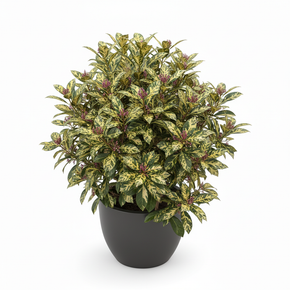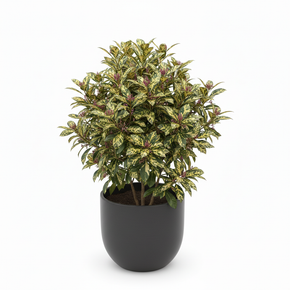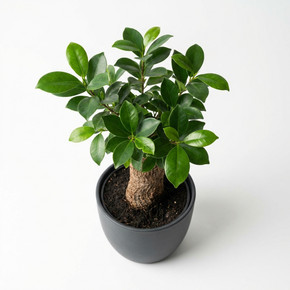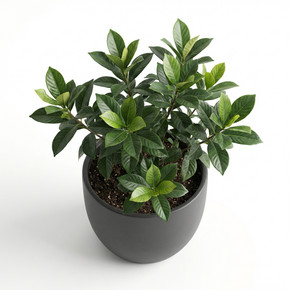




Bring instant structure and greenery to your space with Ficus microcarpa—an evergreen favorite with rich, glossy leaves and a naturally full canopy. It’s a top choice for bright living rooms, entrances, and modern offices because it stays tidy, handles pruning beautifully, and looks premium year-round. Place it in bright light, water when the surface dries, and enjoy a resilient statement plant that elevates any interior or patio.
Common Name: Ficus Microcarpa, Indian Laurel, Chinese Banyan, Curtain Fig
Botanical Name: Ficus microcarpa
Variant: Standard
Arabic Name: فيكس نيتيدا
Plant Color: Green
Stems: 1
Family: Moraceae
Kingdom: Plantae
Clade: Tracheophytes
Order: Rosales
Family: Moraceae
Genus: Ficus
Species: F. microcarpa
Ficus microcarpa is native to a wide range spanning from India and Southeast Asia through Southern China to Northern Australia and several islands in the Pacific. It is widely naturalized in tropical and subtropical regions globally.
This plant features a dense, rounded canopy of small, ovate, and glossy dark-green leaves. The "Standard" variant typically grows on a single, straight woody trunk with smooth, light-gray bark. It is known for its tidy and symmetrical appearance when properly maintained.
When grown indoors as a standard tree, it typically reaches heights of 3 to 10 feet depending on the container size and pruning habits. In its natural outdoor habitat, it can grow into a massive tree, but it remains manageable in domestic settings.
Thrives in bright, indirect light. It can tolerate some direct morning sunlight, but harsh afternoon sun may scorch the foliage. It can adapt to medium light levels, though its growth will slow and it may lose some leaf density.
Water moderately. Allow the top 1–2 inches of soil to dry out before watering again. Ensure the pot has excellent drainage to prevent root rot. It appreciates consistent moisture but is sensitive to being waterlogged.
Requires a well-draining, fertile potting mix. A standard high-quality indoor potting soil amended with perlite or coarse sand is recommended to ensure proper aeration and drainage.
Prefers warm temperatures between 18°C and 27°C (65°F–80°F). It is sensitive to cold drafts and temperatures below 13°C (55°F). It enjoys moderate to high humidity; misting or a humidifier can help during dry winter months.
Apply a balanced liquid fertilizer once a month during the active growing season (spring and summer). Reduce or stop fertilization during the fall and winter months when growth naturally slows.
Maintenance Level: Moderate. It responds very well to pruning, which is necessary to maintain its "Standard" shape. Regularly wipe the leaves with a damp cloth to remove dust and keep the foliage glossy.
It is a relatively fast-growing plant in ideal conditions. Propagation is most successful through stem cuttings or air layering during the spring or early summer.
Leaf drop is a common reaction to sudden changes in light, temperature, or location. It can also be susceptible to pests such as spider mites, scale, and mealybugs if the environment is too dry or the plant is stressed.
Highly effective as an air-purifying plant, known to filter common indoor toxins like formaldehyde. It is an excellent architectural plant for home décor, office lobbies, and covered patios, adding a professional and lush feel.
Toxic to pets (cats and dogs) and humans if ingested. The plant produces a milky white latex sap that can cause skin irritation or dermatitis in sensitive individuals and pets.
Bring instant structure and greenery to your space with Ficus microcarpa—an evergreen favorite with rich, glossy leaves and a naturally full canopy. It’s a top choice for bright living rooms, entrances, and modern offices because it stays tidy, handles pruning beautifully, and looks premium year-round. Place it in bright light, water when the surface dries, and enjoy a resilient statement plant that elevates any interior or patio.
Common Name: Ficus Microcarpa, Indian Laurel, Chinese Banyan, Curtain Fig
Botanical Name: Ficus microcarpa
Variant: Standard
Arabic Name: فيكس نيتيدا
Plant Color: Green
Stems: 1
Family: Moraceae
Kingdom: Plantae
Clade: Tracheophytes
Order: Rosales
Family: Moraceae
Genus: Ficus
Species: F. microcarpa
Ficus microcarpa is native to a wide range spanning from India and Southeast Asia through Southern China to Northern Australia and several islands in the Pacific. It is widely naturalized in tropical and subtropical regions globally.
This plant features a dense, rounded canopy of small, ovate, and glossy dark-green leaves. The "Standard" variant typically grows on a single, straight woody trunk with smooth, light-gray bark. It is known for its tidy and symmetrical appearance when properly maintained.
When grown indoors as a standard tree, it typically reaches heights of 3 to 10 feet depending on the container size and pruning habits. In its natural outdoor habitat, it can grow into a massive tree, but it remains manageable in domestic settings.
Thrives in bright, indirect light. It can tolerate some direct morning sunlight, but harsh afternoon sun may scorch the foliage. It can adapt to medium light levels, though its growth will slow and it may lose some leaf density.
Water moderately. Allow the top 1–2 inches of soil to dry out before watering again. Ensure the pot has excellent drainage to prevent root rot. It appreciates consistent moisture but is sensitive to being waterlogged.
Requires a well-draining, fertile potting mix. A standard high-quality indoor potting soil amended with perlite or coarse sand is recommended to ensure proper aeration and drainage.
Prefers warm temperatures between 18°C and 27°C (65°F–80°F). It is sensitive to cold drafts and temperatures below 13°C (55°F). It enjoys moderate to high humidity; misting or a humidifier can help during dry winter months.
Apply a balanced liquid fertilizer once a month during the active growing season (spring and summer). Reduce or stop fertilization during the fall and winter months when growth naturally slows.
Maintenance Level: Moderate. It responds very well to pruning, which is necessary to maintain its "Standard" shape. Regularly wipe the leaves with a damp cloth to remove dust and keep the foliage glossy.
It is a relatively fast-growing plant in ideal conditions. Propagation is most successful through stem cuttings or air layering during the spring or early summer.
Leaf drop is a common reaction to sudden changes in light, temperature, or location. It can also be susceptible to pests such as spider mites, scale, and mealybugs if the environment is too dry or the plant is stressed.
Highly effective as an air-purifying plant, known to filter common indoor toxins like formaldehyde. It is an excellent architectural plant for home décor, office lobbies, and covered patios, adding a professional and lush feel.
Toxic to pets (cats and dogs) and humans if ingested. The plant produces a milky white latex sap that can cause skin irritation or dermatitis in sensitive individuals and pets.
Take 20% off your first order
Enter the code below at checkout to get 20% off your first order