


Iresine herbstii
Transform your space with the breathtaking color of the Bloodleaf Plant! Grown for its electrifying red and magenta foliage, this Iresine herbstii is a living piece of art. It's the perfect choice to add instant drama and vibrancy to a bright corner in your home or office. Remarkably easy to care for and safe for pets, the Bloodleaf is a must-have for both new plant parents and seasoned collectors looking for a spectacular, low-risk splash of nature's best color.
1. Basic Identification
Common Name: Bloodleaf Plant
Botanical Name: Iresine herbstii 'Brilliantissima'
Former Name: Not available
Plant Type: Foliage houseplant / Annual
Plant Code / SKU: PLT-1843
Alternative Names:
Beefsteak Plant
Chicken Gizzard
بمبارس
2. Taxonomy & Classification
Order: Caryophyllales
Family: Amaranthaceae
Genus: Iresine
3. Origin & Distribution
Native to tropical regions of South America, primarily Brazil.
4. Visual Characteristics
Leaves: The main attraction of the plant. Leaves are thin, oval to heart-shaped, and feature a stunning, vibrant magenta-red or deep fuchsia color. They are often highlighted by contrasting bright pink or reddish veins.
Flowers: Flowers are small, inconspicuous, and greenish-white. They are not ornamentally significant and rarely appear on indoor plants.
Stems: Stems are succulent and share the same bright reddish-pink or magenta coloration as the leaves, adding to the plant's overall dramatic appearance.
5. Size & Dimensions
Height: Typically grows to 30-60 cm (12-24 inches) tall as a houseplant.
Width/Spread: Spreads to about 30-75 cm (12-30 inches) wide. Regular pruning will maintain a more compact, bushy shape.
6. Light Requirements
Indoors: Requires bright, indirect light to maintain its vibrant foliage color. Some direct morning sun is acceptable, but harsh afternoon sun can scorch the leaves. Insufficient light will cause the colors to fade to a dull green.
Outdoors: Best in part sun to part shade.
7. Watering Needs
Keep the soil consistently moist but not waterlogged. Water thoroughly when the top 2-3 cm (1 inch) of soil feels dry to the touch. This plant will wilt dramatically when thirsty but typically recovers quickly after watering. Reduce watering frequency during the winter months.
8. Soil & Potting
Soil Type: Use a well-draining, general-purpose potting mix rich in organic matter.
Potting: A container with adequate drainage holes is essential to prevent root rot. Repot in the spring every 1-2 years or when the plant becomes root-bound.
9. Temperature & Humidity
Temperature: Prefers warm conditions, ideally between 18-24°C (65-75°F). It is not frost-tolerant and should be protected from temperatures below 10°C (50°F).
Humidity: Thrives in high humidity. To increase humidity, mist the leaves regularly, place the pot on a pebble tray with water, or use a room humidifier.
10. Fertilization
Feed with a balanced, water-soluble fertilizer diluted to half-strength every 2-4 weeks during the active growing season (spring and summer). Do not fertilize during the fall and winter when growth slows.
11. Maintenance & Care Level
Care Level: Easy. Suitable for beginners.
Pruning: Pinching back the stem tips regularly is highly recommended. This encourages bushier growth, prevents the plant from becoming leggy, and maintains a full, compact shape.
12. Growth & Propagation
Growth Rate: Fast.
Propagation: Very easy to propagate from stem cuttings. Simply take a 4-6 inch cutting, remove the lower leaves, and place it in a glass of water or directly into moist potting soil. Roots typically form within a few weeks.
13. Common Problems
Pests: Can be susceptible to common houseplant pests such as aphids, spider mites, and mealybugs. Inspect regularly.
Diseases: Overwatering can lead to root rot. Powdery mildew can occur in conditions of high humidity and poor air circulation.
Other Issues: Fading leaf color indicates insufficient light. Leggy, sparse growth is a sign that the plant needs to be pruned.
14. Benefits & Uses
Ornamental: Grown almost exclusively for its highly decorative and vividly colored foliage, which provides a dramatic splash of color indoors or in outdoor container gardens.
Air Purification: Like all houseplants, it contributes to improving indoor air quality, though it is not known as a top air-purifying plant.
Landscaping: Often used as a colorful annual bedding plant in garden borders and containers in temperate climates.
15. Toxicity & Safety
Human Toxicity: Considered non-toxic to humans, though it is not intended for consumption.
Pet Toxicity: Non-toxic to cats, dogs, and horses according to the ASPCA, making it a safe choice for pet owners.
Iresine herbstii

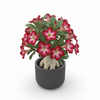
Transform your space with the breathtaking color of the Bloodleaf Plant! Grown for its electrifying red and magenta foliage, this Iresine herbstii is a living piece of art. It's the perfect choice to add instant drama and vibrancy to a bright corner in your home or office. Remarkably easy to care for and safe for pets, the Bloodleaf is a must-have for both new plant parents and seasoned collectors looking for a spectacular, low-risk splash of nature's best color.
1. Basic Identification
Common Name: Bloodleaf Plant
Botanical Name: Iresine herbstii 'Brilliantissima'
Former Name: Not available
Plant Type: Foliage houseplant / Annual
Plant Code / SKU: PLT-1843
Alternative Names:
Beefsteak Plant
Chicken Gizzard
بمبارس
2. Taxonomy & Classification
Order: Caryophyllales
Family: Amaranthaceae
Genus: Iresine
3. Origin & Distribution
Native to tropical regions of South America, primarily Brazil.
4. Visual Characteristics
Leaves: The main attraction of the plant. Leaves are thin, oval to heart-shaped, and feature a stunning, vibrant magenta-red or deep fuchsia color. They are often highlighted by contrasting bright pink or reddish veins.
Flowers: Flowers are small, inconspicuous, and greenish-white. They are not ornamentally significant and rarely appear on indoor plants.
Stems: Stems are succulent and share the same bright reddish-pink or magenta coloration as the leaves, adding to the plant's overall dramatic appearance.
5. Size & Dimensions
Height: Typically grows to 30-60 cm (12-24 inches) tall as a houseplant.
Width/Spread: Spreads to about 30-75 cm (12-30 inches) wide. Regular pruning will maintain a more compact, bushy shape.
6. Light Requirements
Indoors: Requires bright, indirect light to maintain its vibrant foliage color. Some direct morning sun is acceptable, but harsh afternoon sun can scorch the leaves. Insufficient light will cause the colors to fade to a dull green.
Outdoors: Best in part sun to part shade.
7. Watering Needs
Keep the soil consistently moist but not waterlogged. Water thoroughly when the top 2-3 cm (1 inch) of soil feels dry to the touch. This plant will wilt dramatically when thirsty but typically recovers quickly after watering. Reduce watering frequency during the winter months.
8. Soil & Potting
Soil Type: Use a well-draining, general-purpose potting mix rich in organic matter.
Potting: A container with adequate drainage holes is essential to prevent root rot. Repot in the spring every 1-2 years or when the plant becomes root-bound.
9. Temperature & Humidity
Temperature: Prefers warm conditions, ideally between 18-24°C (65-75°F). It is not frost-tolerant and should be protected from temperatures below 10°C (50°F).
Humidity: Thrives in high humidity. To increase humidity, mist the leaves regularly, place the pot on a pebble tray with water, or use a room humidifier.
10. Fertilization
Feed with a balanced, water-soluble fertilizer diluted to half-strength every 2-4 weeks during the active growing season (spring and summer). Do not fertilize during the fall and winter when growth slows.
11. Maintenance & Care Level
Care Level: Easy. Suitable for beginners.
Pruning: Pinching back the stem tips regularly is highly recommended. This encourages bushier growth, prevents the plant from becoming leggy, and maintains a full, compact shape.
12. Growth & Propagation
Growth Rate: Fast.
Propagation: Very easy to propagate from stem cuttings. Simply take a 4-6 inch cutting, remove the lower leaves, and place it in a glass of water or directly into moist potting soil. Roots typically form within a few weeks.
13. Common Problems
Pests: Can be susceptible to common houseplant pests such as aphids, spider mites, and mealybugs. Inspect regularly.
Diseases: Overwatering can lead to root rot. Powdery mildew can occur in conditions of high humidity and poor air circulation.
Other Issues: Fading leaf color indicates insufficient light. Leggy, sparse growth is a sign that the plant needs to be pruned.
14. Benefits & Uses
Ornamental: Grown almost exclusively for its highly decorative and vividly colored foliage, which provides a dramatic splash of color indoors or in outdoor container gardens.
Air Purification: Like all houseplants, it contributes to improving indoor air quality, though it is not known as a top air-purifying plant.
Landscaping: Often used as a colorful annual bedding plant in garden borders and containers in temperate climates.
15. Toxicity & Safety
Human Toxicity: Considered non-toxic to humans, though it is not intended for consumption.
Pet Toxicity: Non-toxic to cats, dogs, and horses according to the ASPCA, making it a safe choice for pet owners.