


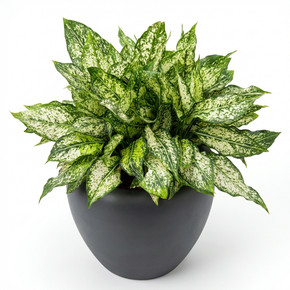




Make a bold statement with the Lacy Tree Philodendron. With its massive, deeply-split leaves and commanding presence, this plant is a living piece of art. It doesn't just look spectacular; it works hard to purify your air, creating a healthier, more vibrant environment. surprisingly easy to care for, the Lacy Tree Philodendron rewards you with vigorous growth and a constant display of lush, tropical beauty. Elevate your interior design and bring the jungle indoors today!
Common Name: Lacy Tree Philodendron, Selloum, Horsehead Philodendron
Botanical Name: Thaumatophyllum bipinnatifidum
Arabic Name: دوندرم
Variant: Standard
Color: Natural
Country of Origin: Netherlands
Family: Araceae
Genus: Thaumatophyllum (formerly classified under Philodendron)
Species: T. bipinnatifidum
Native to the tropical regions of South America, specifically Brazil, Bolivia, Argentina, and Paraguay. It is widely cultivated globally as a popular ornamental plant in tropical climates and as an indoor specimen in temperate zones.
This plant is known for its large, glossy green leaves that are deeply lobed or "pinnatifid," giving them a lacy appearance. As the plant matures, it develops a thick, woody trunk marked with "eye" shaped leaf scars where old foliage has dropped.
Indoors, it can reach a height and spread of 5 to 8 feet. In its natural habitat or in optimal outdoor conditions, it can grow even larger, sometimes reaching up to 10-15 feet in width.
Prefers bright, indirect light. While it can tolerate medium light, its growth will be slower. Avoid direct afternoon sun, which can scorch the large leaves.
Water when the top 1-2 inches of soil feel dry to the touch. It prefers consistently moist soil but is susceptible to root rot if left in standing water. Reduce watering frequency during the winter months.
Requires a well-draining, rich organic potting mix. A combination of peat moss, perlite, and pine bark is often ideal to ensure aeration and moisture retention.
Thrives in temperatures between 65°F and 85°F (18°C - 29°C). It enjoys high humidity but adapts well to average household humidity levels. Keep away from cold drafts and air conditioning vents.
Apply a balanced liquid fertilizer monthly during the growing season (spring and summer). Do not fertilize during the fall and winter when growth slows down.
Care Level: Easy to Moderate. Maintenance involves wiping the large leaves with a damp cloth to remove dust, which helps with photosynthesis, and pruning any yellowing or dead lower leaves to maintain its appearance.
It is a relatively fast-growing plant. Propagation is typically achieved through stem cuttings (though difficult due to the trunk structure) or more commonly via seeds and air layering.
Watch for common pests such as spider mites, mealybugs, and aphids. Overwatering can lead to yellow leaves and root rot, while too much direct light may cause brown scorched patches on the foliage.
Highly effective as an air-purifying plant, removing common household toxins. Due to its size and dramatic foliage, it is frequently used as a floor plant for "corner filling" in living rooms, offices, and large lobbies.
Toxic to both humans and pets (cats and dogs) if ingested. The plant contains calcium oxalate crystals, which can cause swelling of the mouth, tongue, and throat, as well as digestive upset.
Make a bold statement with the Lacy Tree Philodendron. With its massive, deeply-split leaves and commanding presence, this plant is a living piece of art. It doesn't just look spectacular; it works hard to purify your air, creating a healthier, more vibrant environment. surprisingly easy to care for, the Lacy Tree Philodendron rewards you with vigorous growth and a constant display of lush, tropical beauty. Elevate your interior design and bring the jungle indoors today!
Common Name: Lacy Tree Philodendron, Selloum, Horsehead Philodendron
Botanical Name: Thaumatophyllum bipinnatifidum
Arabic Name: دوندرم
Variant: Standard
Color: Natural
Country of Origin: Netherlands
Family: Araceae
Genus: Thaumatophyllum (formerly classified under Philodendron)
Species: T. bipinnatifidum
Native to the tropical regions of South America, specifically Brazil, Bolivia, Argentina, and Paraguay. It is widely cultivated globally as a popular ornamental plant in tropical climates and as an indoor specimen in temperate zones.
This plant is known for its large, glossy green leaves that are deeply lobed or "pinnatifid," giving them a lacy appearance. As the plant matures, it develops a thick, woody trunk marked with "eye" shaped leaf scars where old foliage has dropped.
Indoors, it can reach a height and spread of 5 to 8 feet. In its natural habitat or in optimal outdoor conditions, it can grow even larger, sometimes reaching up to 10-15 feet in width.
Prefers bright, indirect light. While it can tolerate medium light, its growth will be slower. Avoid direct afternoon sun, which can scorch the large leaves.
Water when the top 1-2 inches of soil feel dry to the touch. It prefers consistently moist soil but is susceptible to root rot if left in standing water. Reduce watering frequency during the winter months.
Requires a well-draining, rich organic potting mix. A combination of peat moss, perlite, and pine bark is often ideal to ensure aeration and moisture retention.
Thrives in temperatures between 65°F and 85°F (18°C - 29°C). It enjoys high humidity but adapts well to average household humidity levels. Keep away from cold drafts and air conditioning vents.
Apply a balanced liquid fertilizer monthly during the growing season (spring and summer). Do not fertilize during the fall and winter when growth slows down.
Care Level: Easy to Moderate. Maintenance involves wiping the large leaves with a damp cloth to remove dust, which helps with photosynthesis, and pruning any yellowing or dead lower leaves to maintain its appearance.
It is a relatively fast-growing plant. Propagation is typically achieved through stem cuttings (though difficult due to the trunk structure) or more commonly via seeds and air layering.
Watch for common pests such as spider mites, mealybugs, and aphids. Overwatering can lead to yellow leaves and root rot, while too much direct light may cause brown scorched patches on the foliage.
Highly effective as an air-purifying plant, removing common household toxins. Due to its size and dramatic foliage, it is frequently used as a floor plant for "corner filling" in living rooms, offices, and large lobbies.
Toxic to both humans and pets (cats and dogs) if ingested. The plant contains calcium oxalate crystals, which can cause swelling of the mouth, tongue, and throat, as well as digestive upset.




Take 20% off your first order
Enter the code below at checkout to get 20% off your first order