


Large Bougainvillea Bonsai 'Bonsai Style'
Command attention with a masterpiece of living art. Our Large Bougainvillea Bonsai is not just a plant; it's a statement. With a robust, aged trunk and a cascade of brilliant color, this bonsai transforms any sunny spot into a focal point of breathtaking beauty. Perfect for the discerning collector or anyone wishing to own a truly spectacular plant, it offers both a rewarding horticultural journey and an unparalleled aesthetic reward. Order now and bring home a symbol of vibrant, enduring life.
1. Basic Identification
Common Name: Bougainvillea / Paper Flower
Botanical Name: Bougainvillea glabra
Arabic Name: جهنمي
Plant Variant: Bonsai Style
Plant Color: Multicolor
Plant Country: Thailand
2. Taxonomy & Classification
Kingdom: Plantae
Clade: Tracheophytes
Order: Caryophyllales
Family: Nyctaginaceae
Genus: Bougainvillea
Species: B. glabra
3. Origin & Distribution
Bougainvillea glabra is native to South America, specifically Brazil. It has been widely introduced and naturalized in tropical, subtropical, and warm temperate regions across the globe, including Southeast Asia and the Middle East.
4. Visual Characteristics
This bonsai features a thick, woody, and gnarled trunk that gives it an aged appearance. Its leaves are small, ovate, and glossy green. The "flowers" are actually vibrant, papery bracts that surround tiny, inconspicuous white true flowers. The bracts can appear in shades of magenta, purple, red, and orange, often creating a multicolor effect.
5. Size & Dimensions
As a "Large" bonsai specimen, it typically stands between 45 to 75 cm (18 to 30 inches) in height, including the pot. The canopy width is carefully pruned to maintain a balanced, artistic silhouette.
6. Light Requirements
Requires high light intensity. It thrives in full, direct sunlight for at least 6 to 8 hours a day. Insufficient light will lead to poor blooming and leggy growth.
7. Watering Needs
Moderate watering requirements. Allow the top inch of soil to dry out completely before watering thoroughly. Bougainvillea prefers to be slightly on the dry side and is drought-tolerant, but as a bonsai, it should not be allowed to stay bone-dry for extended periods.
8. Soil & Potting
Requires a very well-draining soil mix. A professional bonsai substrate consisting of akadama, pumice, and lava rock is ideal to ensure aeration and prevent root rot.
9. Temperature & Humidity
Thrives in warm environments with temperatures between 18°C and 30°C (65°F - 85°F). It is sensitive to frost and should be protected if temperatures drop below 10°C (50°F). It appreciates moderate humidity but is quite adaptable.
10. Fertilization
Feed every 2 weeks during the growing season (spring through autumn) using a balanced liquid fertilizer or a specialized bonsai fertilizer. Reduce feeding during the winter dormant period.
11. Maintenance & Care Level
Care Level: Moderate to High. Maintenance involves regular structural pruning to maintain the bonsai shape, deadheading spent bracts to encourage new blooms, and occasional wiring to direct branch growth.
12. Growth & Propagation
A relatively fast grower during the warm months. It can be propagated through semi-hardwood cuttings or air layering, though achieving the thick trunk of a large bonsai takes many years of cultivation.
13. Common Problems
Watch for pests such as aphids, mealybugs, and spider mites. Overwatering is the most common cause of leaf drop and root rot. Lack of flowering is usually due to insufficient sunlight or over-fertilization with nitrogen.
14. Benefits & Uses
Primarily used as a high-end ornamental centerpiece. It is prized in landscaping and interior design for its vibrant colors and architectural form. In some cultures, it is believed to bring vitality and protection to the home.
15. Toxicity & Safety
The sap of the Bougainvillea can cause mild skin irritation or dermatitis in sensitive individuals. The plant is considered mildly toxic if ingested by pets or humans, potentially causing gastrointestinal upset. Additionally, be cautious of the sharp thorns hidden along the branches.

Large Bougainvillea Bonsai 'Bonsai Style'
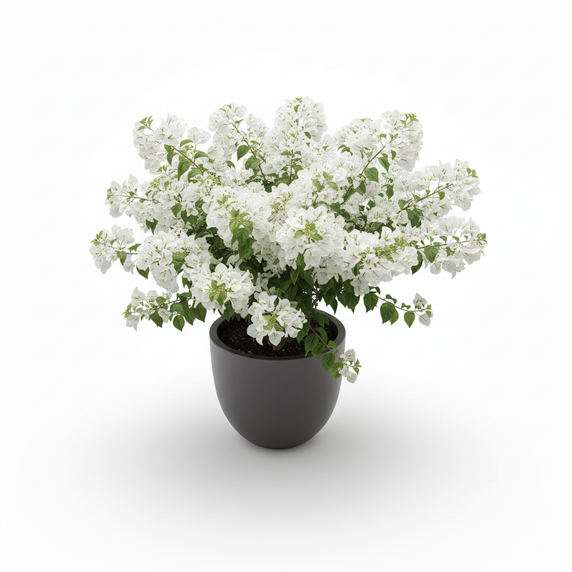
Command attention with a masterpiece of living art. Our Large Bougainvillea Bonsai is not just a plant; it's a statement. With a robust, aged trunk and a cascade of brilliant color, this bonsai transforms any sunny spot into a focal point of breathtaking beauty. Perfect for the discerning collector or anyone wishing to own a truly spectacular plant, it offers both a rewarding horticultural journey and an unparalleled aesthetic reward. Order now and bring home a symbol of vibrant, enduring life.
1. Basic Identification
Common Name: Bougainvillea / Paper Flower
Botanical Name: Bougainvillea glabra
Arabic Name: جهنمي
Plant Variant: Bonsai Style
Plant Color: Multicolor
Plant Country: Thailand
2. Taxonomy & Classification
Kingdom: Plantae
Clade: Tracheophytes
Order: Caryophyllales
Family: Nyctaginaceae
Genus: Bougainvillea
Species: B. glabra
3. Origin & Distribution
Bougainvillea glabra is native to South America, specifically Brazil. It has been widely introduced and naturalized in tropical, subtropical, and warm temperate regions across the globe, including Southeast Asia and the Middle East.
4. Visual Characteristics
This bonsai features a thick, woody, and gnarled trunk that gives it an aged appearance. Its leaves are small, ovate, and glossy green. The "flowers" are actually vibrant, papery bracts that surround tiny, inconspicuous white true flowers. The bracts can appear in shades of magenta, purple, red, and orange, often creating a multicolor effect.
5. Size & Dimensions
As a "Large" bonsai specimen, it typically stands between 45 to 75 cm (18 to 30 inches) in height, including the pot. The canopy width is carefully pruned to maintain a balanced, artistic silhouette.
6. Light Requirements
Requires high light intensity. It thrives in full, direct sunlight for at least 6 to 8 hours a day. Insufficient light will lead to poor blooming and leggy growth.
7. Watering Needs
Moderate watering requirements. Allow the top inch of soil to dry out completely before watering thoroughly. Bougainvillea prefers to be slightly on the dry side and is drought-tolerant, but as a bonsai, it should not be allowed to stay bone-dry for extended periods.
8. Soil & Potting
Requires a very well-draining soil mix. A professional bonsai substrate consisting of akadama, pumice, and lava rock is ideal to ensure aeration and prevent root rot.
9. Temperature & Humidity
Thrives in warm environments with temperatures between 18°C and 30°C (65°F - 85°F). It is sensitive to frost and should be protected if temperatures drop below 10°C (50°F). It appreciates moderate humidity but is quite adaptable.
10. Fertilization
Feed every 2 weeks during the growing season (spring through autumn) using a balanced liquid fertilizer or a specialized bonsai fertilizer. Reduce feeding during the winter dormant period.
11. Maintenance & Care Level
Care Level: Moderate to High. Maintenance involves regular structural pruning to maintain the bonsai shape, deadheading spent bracts to encourage new blooms, and occasional wiring to direct branch growth.
12. Growth & Propagation
A relatively fast grower during the warm months. It can be propagated through semi-hardwood cuttings or air layering, though achieving the thick trunk of a large bonsai takes many years of cultivation.
13. Common Problems
Watch for pests such as aphids, mealybugs, and spider mites. Overwatering is the most common cause of leaf drop and root rot. Lack of flowering is usually due to insufficient sunlight or over-fertilization with nitrogen.
14. Benefits & Uses
Primarily used as a high-end ornamental centerpiece. It is prized in landscaping and interior design for its vibrant colors and architectural form. In some cultures, it is believed to bring vitality and protection to the home.
15. Toxicity & Safety
The sap of the Bougainvillea can cause mild skin irritation or dermatitis in sensitive individuals. The plant is considered mildly toxic if ingested by pets or humans, potentially causing gastrointestinal upset. Additionally, be cautious of the sharp thorns hidden along the branches.