


Ligustrum japonicum
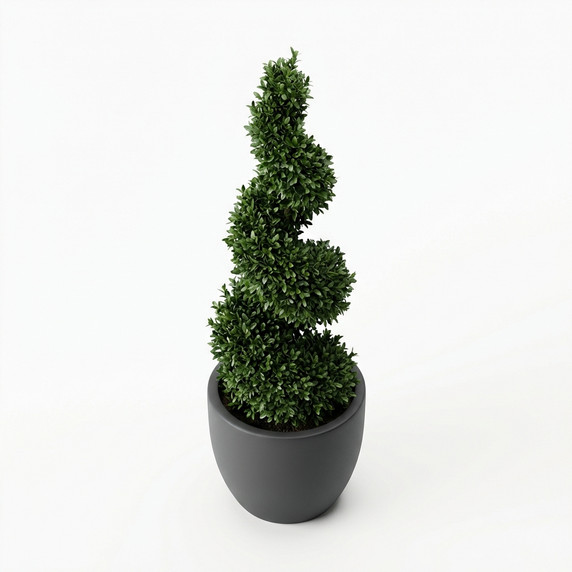
Bring instant luxury to your space with Japanese Privet topiary—dense, glossy evergreen foliage clipped into a clean architectural cone. It’s tough, forgiving, and easy to keep neat with simple trims, making it ideal for villas, cafés, hotels, and modern home entrances. Place it in bright light, water when the surface dries, and enjoy a year-round statement plant that always looks professionally styled.
1. Basic Identification
Common Name: Japanese Privet Topiary
Botanical Name: Ligustrum japonicum
Former Name: Not available
Plant Type: Topiary evergreen shrub
Plant Code / SKU: PLT-0638
Alternative Names:
ليغستروم
2. Taxonomy & Classification
Order: Lamiales
Family: Oleaceae
Genus: Ligustrum
Species: L. japonicum
3. Origin & Distribution
Native to warm-temperate regions of Japan and parts of China
Naturalized in Korea and the southeastern United States
Widely cultivated as an ornamental for hedges, screens, and topiary worldwide
4. Visual Characteristics
Evergreen shrub with dense, glossy, elliptic to ovate leaves 3–8 cm long, dark green above and paler beneath.
Smooth gray-brown bark on stems.
Clipped into a neat conical form; small clusters of fragrant white flowers in early summer followed by black drupes.
5. Size & Dimensions
Typically trained to 1.2–2.5 m (4–8 ft) tall with a 0.5–1.2 m (1.5–4 ft) spread
Trunk diameter up to 5–8 cm (2–3 in) at the base
Container specimens often maintained at 60–120 cm (2–4 ft) height
6. Light Requirements
Full sun to part shade (minimum 4–6 hours direct sun daily)
Tolerates partial shade but may become leggy if too low light
Indoor placement near a bright, south- or west-facing window with filtered light
7. Watering Needs
Allow the top 2–3 cm of soil to dry between waterings
Maintain evenly moist, well-drained soil
Drought tolerant once established but performs best with consistent moisture
8. Soil & Potting
Prefers fertile, well-draining soil with pH 6.0–7.5
Use a loamy, slightly acidic to neutral potting mix enriched with organic matter
Ensure containers have adequate drainage holes; refresh potting medium annually
9. Temperature & Humidity
Hardy in USDA Zones 7–10 (−12 °C to 30 °C)
Prefers moderate to high humidity but adapts to average indoor levels
Protect from temperatures below −12 °C and extreme heat above 35 °C
10. Fertilization
Apply a balanced slow-release fertilizer (e.g., 10-10-10 NPK) in early spring
Supplement with a liquid fertilizer every 4–6 weeks during active growth
Cease feeding in late fall and winter dormancy
11. Maintenance & Care Level
Low to moderate care
Prune 2–3 times per year to maintain conical shape; light touch-ups as needed
Remove dead, damaged, or crossing branches promptly
12. Growth & Propagation
Moderate growth rate (30–60 cm per year under optimal conditions)
Propagate via semi-hardwood cuttings in late summer with rooting hormone
Also propagated by seed or layering, though cuttings are fastest
13. Common Problems
Pests: aphids, scale insects, whiteflies
Diseases: root rot from waterlogged soil, leaf spot, powdery mildew
Regular inspection; treat infestations with insecticidal soap or horticultural oil; ensure good air circulation
14. Benefits & Uses
Striking ornamental topiary for entrances, patios, and formal gardens
Effective as hedges and screening plants
Adds architectural interest and year-round greenery to landscapes and containers
15. Toxicity & Safety
All parts mildly toxic if ingested (contains glycosides), may cause gastrointestinal upset
Keep out of reach of children and pets prone to chewing
Wear gloves when pruning to avoid skin irritation
Ligustrum japonicum
Bring instant luxury to your space with Japanese Privet topiary—dense, glossy evergreen foliage clipped into a clean architectural cone. It’s tough, forgiving, and easy to keep neat with simple trims, making it ideal for villas, cafés, hotels, and modern home entrances. Place it in bright light, water when the surface dries, and enjoy a year-round statement plant that always looks professionally styled.
1. Basic Identification
Common Name: Japanese Privet Topiary
Botanical Name: Ligustrum japonicum
Former Name: Not available
Plant Type: Topiary evergreen shrub
Plant Code / SKU: PLT-0638
Alternative Names:
ليغستروم
2. Taxonomy & Classification
Order: Lamiales
Family: Oleaceae
Genus: Ligustrum
Species: L. japonicum
3. Origin & Distribution
Native to warm-temperate regions of Japan and parts of China
Naturalized in Korea and the southeastern United States
Widely cultivated as an ornamental for hedges, screens, and topiary worldwide
4. Visual Characteristics
Evergreen shrub with dense, glossy, elliptic to ovate leaves 3–8 cm long, dark green above and paler beneath.
Smooth gray-brown bark on stems.
Clipped into a neat conical form; small clusters of fragrant white flowers in early summer followed by black drupes.
5. Size & Dimensions
Typically trained to 1.2–2.5 m (4–8 ft) tall with a 0.5–1.2 m (1.5–4 ft) spread
Trunk diameter up to 5–8 cm (2–3 in) at the base
Container specimens often maintained at 60–120 cm (2–4 ft) height
6. Light Requirements
Full sun to part shade (minimum 4–6 hours direct sun daily)
Tolerates partial shade but may become leggy if too low light
Indoor placement near a bright, south- or west-facing window with filtered light
7. Watering Needs
Allow the top 2–3 cm of soil to dry between waterings
Maintain evenly moist, well-drained soil
Drought tolerant once established but performs best with consistent moisture
8. Soil & Potting
Prefers fertile, well-draining soil with pH 6.0–7.5
Use a loamy, slightly acidic to neutral potting mix enriched with organic matter
Ensure containers have adequate drainage holes; refresh potting medium annually
9. Temperature & Humidity
Hardy in USDA Zones 7–10 (−12 °C to 30 °C)
Prefers moderate to high humidity but adapts to average indoor levels
Protect from temperatures below −12 °C and extreme heat above 35 °C
10. Fertilization
Apply a balanced slow-release fertilizer (e.g., 10-10-10 NPK) in early spring
Supplement with a liquid fertilizer every 4–6 weeks during active growth
Cease feeding in late fall and winter dormancy
11. Maintenance & Care Level
Low to moderate care
Prune 2–3 times per year to maintain conical shape; light touch-ups as needed
Remove dead, damaged, or crossing branches promptly
12. Growth & Propagation
Moderate growth rate (30–60 cm per year under optimal conditions)
Propagate via semi-hardwood cuttings in late summer with rooting hormone
Also propagated by seed or layering, though cuttings are fastest
13. Common Problems
Pests: aphids, scale insects, whiteflies
Diseases: root rot from waterlogged soil, leaf spot, powdery mildew
Regular inspection; treat infestations with insecticidal soap or horticultural oil; ensure good air circulation
14. Benefits & Uses
Striking ornamental topiary for entrances, patios, and formal gardens
Effective as hedges and screening plants
Adds architectural interest and year-round greenery to landscapes and containers
15. Toxicity & Safety
All parts mildly toxic if ingested (contains glycosides), may cause gastrointestinal upset
Keep out of reach of children and pets prone to chewing
Wear gloves when pruning to avoid skin irritation