

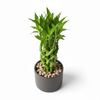





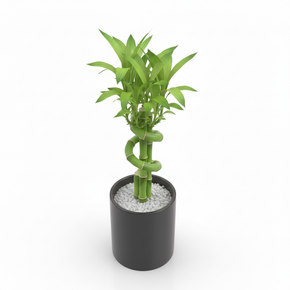
Invite prosperity and positive energy into your life with our stunning three-tier Lucky Bamboo arrangement. A symbol of good fortune in Feng Shui, this Dracaena sanderiana is not a true bamboo but is far easier to care for. Its elegant, architectural stalks and vibrant green leaves make it the perfect living sculpture for any office desk, reception area, or living room. Incredibly resilient and low-maintenance, it thrives in low light and requires minimal attention, making it an ideal gift for beginners and seasoned plant lovers alike. Elevate your décor and wellness with this timeless symbol of luck.
Common Name: Lucky Bamboo
Botanical Name: Dracaena sanderiana
Variant: 3-Tier Arrangement
Plant Color: Green
Plant Country: China
Arabic Name: بامبو
Stems: 3-Tiered Arrangement
Family: Asparagaceae
Kingdom: Plantae
Clade: Tracheophytes
Order: Asparagales
Genus: Dracaena
Species: D. sanderiana
Despite its name and strong association with Chinese culture and Feng Shui, Lucky Bamboo is native to Central Africa (specifically Cameroon). It is now cultivated globally as a popular ornamental indoor plant.
This plant features fleshy, upright stalks that resemble bamboo culms, though they are much softer. The 3-tier arrangement consists of stems of varying heights bound together. It produces lance-shaped, vibrant green leaves that grow from the top nodes of the stalks.
In indoor tiered arrangements, it typically reaches heights of 12 to 20 inches. If planted in soil and allowed to grow naturally, it can eventually reach up to 3 feet in height.
Thrives in bright, indirect light. It is highly adaptable and can tolerate low light conditions, making it perfect for offices. Avoid direct sunlight, which can scorch the leaves.
If grown in water: Change the water every 7–10 days to prevent bacterial growth. Use filtered, distilled, or bottled water, as the plant is sensitive to chlorine and fluoride found in tap water. Ensure the roots are always submerged.
Most commonly grown in a vase with water and decorative pebbles for support. It can also be grown in well-draining, moist potting soil. If using soil, ensure the pot has drainage holes.
Prefers warm environments between 65°F and 90°F (18°C - 32°C). It handles average indoor humidity well but should be kept away from cold drafts or heating vents.
Requires very little food. A single drop of specialized liquid Lucky Bamboo fertilizer or a highly diluted balanced liquid fertilizer once a month is sufficient during the growing season.
Low Maintenance. Care involves simply changing the water regularly and removing any yellowing leaves or debris from the water. It is an exceptionally hardy plant.
Slow to moderate growth rate. It can be easily propagated by taking stem cuttings and placing them in water until new roots develop.
Yellowing leaves are often caused by direct sunlight, over-fertilization, or chemicals in tap water. Root rot can occur if the water is not changed frequently or if the soil is kept soggy without drainage.
Used extensively in Feng Shui to attract luck, health, and prosperity. It is a known air-purifier that helps remove toxins from the air. Its architectural shape makes it a favorite for modern interior design and corporate gifting.
Toxic to pets (cats and dogs) if ingested, as it contains saponins that can cause vomiting and drooling. Not intended for human consumption.
Invite prosperity and positive energy into your life with our stunning three-tier Lucky Bamboo arrangement. A symbol of good fortune in Feng Shui, this Dracaena sanderiana is not a true bamboo but is far easier to care for. Its elegant, architectural stalks and vibrant green leaves make it the perfect living sculpture for any office desk, reception area, or living room. Incredibly resilient and low-maintenance, it thrives in low light and requires minimal attention, making it an ideal gift for beginners and seasoned plant lovers alike. Elevate your décor and wellness with this timeless symbol of luck.
Common Name: Lucky Bamboo
Botanical Name: Dracaena sanderiana
Variant: 3-Tier Arrangement
Plant Color: Green
Plant Country: China
Arabic Name: بامبو
Stems: 3-Tiered Arrangement
Family: Asparagaceae
Kingdom: Plantae
Clade: Tracheophytes
Order: Asparagales
Genus: Dracaena
Species: D. sanderiana
Despite its name and strong association with Chinese culture and Feng Shui, Lucky Bamboo is native to Central Africa (specifically Cameroon). It is now cultivated globally as a popular ornamental indoor plant.
This plant features fleshy, upright stalks that resemble bamboo culms, though they are much softer. The 3-tier arrangement consists of stems of varying heights bound together. It produces lance-shaped, vibrant green leaves that grow from the top nodes of the stalks.
In indoor tiered arrangements, it typically reaches heights of 12 to 20 inches. If planted in soil and allowed to grow naturally, it can eventually reach up to 3 feet in height.
Thrives in bright, indirect light. It is highly adaptable and can tolerate low light conditions, making it perfect for offices. Avoid direct sunlight, which can scorch the leaves.
If grown in water: Change the water every 7–10 days to prevent bacterial growth. Use filtered, distilled, or bottled water, as the plant is sensitive to chlorine and fluoride found in tap water. Ensure the roots are always submerged.
Most commonly grown in a vase with water and decorative pebbles for support. It can also be grown in well-draining, moist potting soil. If using soil, ensure the pot has drainage holes.
Prefers warm environments between 65°F and 90°F (18°C - 32°C). It handles average indoor humidity well but should be kept away from cold drafts or heating vents.
Requires very little food. A single drop of specialized liquid Lucky Bamboo fertilizer or a highly diluted balanced liquid fertilizer once a month is sufficient during the growing season.
Low Maintenance. Care involves simply changing the water regularly and removing any yellowing leaves or debris from the water. It is an exceptionally hardy plant.
Slow to moderate growth rate. It can be easily propagated by taking stem cuttings and placing them in water until new roots develop.
Yellowing leaves are often caused by direct sunlight, over-fertilization, or chemicals in tap water. Root rot can occur if the water is not changed frequently or if the soil is kept soggy without drainage.
Used extensively in Feng Shui to attract luck, health, and prosperity. It is a known air-purifier that helps remove toxins from the air. Its architectural shape makes it a favorite for modern interior design and corporate gifting.
Toxic to pets (cats and dogs) if ingested, as it contains saponins that can cause vomiting and drooling. Not intended for human consumption.



Take 20% off your first order
Enter the code below at checkout to get 20% off your first order