



Add instant modern style with the Snake Plant—upright, sleek, and nearly unstoppable. It thrives in low light, forgives missed waterings, and looks great in any room from reception areas to bedrooms. If you want a clean, architectural indoor plant that stays attractive year-round with minimal effort, this is the one to choose.
Common Name: Snake Plant
Botanical Name: Dracaena trifasciata
Former Name: Sansevieria trifasciata
Plant Type: Foliage houseplant (Succulent)
Plant Code / SKU: PLT-0130
Alternative Names:
سنسفيريا
Mother-in-law's tongue
Viper's bowstring hemp
Order: Asparagales
Family: Asparagaceae
Genus: Dracaena
Species: Dracaena trifasciata
Native to West Africa, particularly Nigeria and the Congo region; widely cultivated and naturalized in tropical and subtropical regions worldwide.
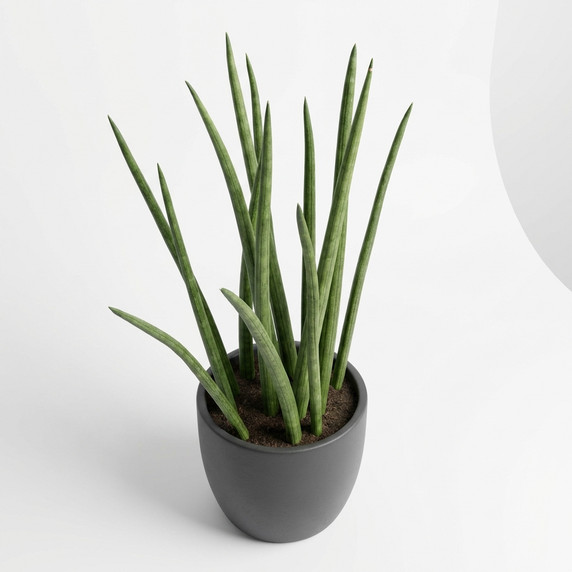
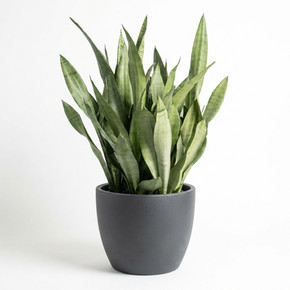
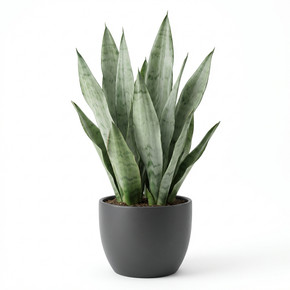
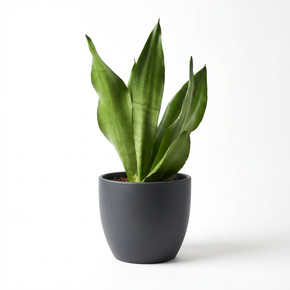
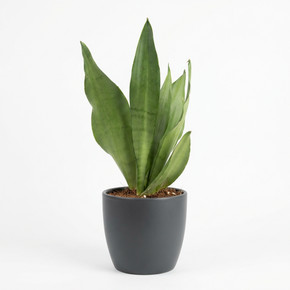
The Snake Plant features upright, sword-shaped leaves with a stiff, architectural form. Leaves are dark green with lighter horizontal banding and often edged in yellow. Foliage is evergreen, forming dense rosettes.
Height: Typically 60–90 cm (24–36 in); can reach up to 120 cm (48 in) under ideal conditions.
Spread: Approximately 30–60 cm (12–24 in).
Prefers bright, indirect light but tolerates low-light conditions. Avoid prolonged exposure to direct, harsh sunlight, which can scorch leaves.
Drought-tolerant; water sparingly. Allow the top 2–5 cm (1–2 in) of soil to dry out between waterings. Reduce frequency in winter.
Use a well-draining, porous potting mix such as a cactus/succulent blend. Ensure pots have drainage holes to prevent waterlogging.
Optimal temperature range is 18–27°C (65–80°F); minimum 13°C (55°F). Tolerates average home humidity; avoid high humidity and cold drafts.
Feed with a balanced, water-soluble fertilizer diluted to half strength every 4–6 weeks during the growing season (spring and summer). No feeding required in winter.
Very low-maintenance. Remove dust from leaves occasionally. Trim off any yellow or damaged leaves at the base. Minimal pruning required.
Growth rate is slow to moderate. Propagate by division of rhizomes or by leaf cuttings. Division is easiest: separate root clumps and repot.
Overwatering can lead to root rot. Leaf tips may turn brown due to overwatering or fluoride in water. Susceptible to mealybugs and spider mites; treat infestations promptly.
Excellent air-purifying plant; removes toxins like formaldehyde and benzene. Ideal for offices and homes. Provides architectural interest with minimal care.
Toxic to cats and dogs if ingested; may cause nausea, vomiting, and diarrhea. Keep out of reach of pets and children.
Add instant modern style with the Snake Plant—upright, sleek, and nearly unstoppable. It thrives in low light, forgives missed waterings, and looks great in any room from reception areas to bedrooms. If you want a clean, architectural indoor plant that stays attractive year-round with minimal effort, this is the one to choose.
Common Name: Snake Plant
Botanical Name: Dracaena trifasciata
Former Name: Sansevieria trifasciata
Plant Type: Foliage houseplant (Succulent)
Plant Code / SKU: PLT-0130
Alternative Names:
سنسفيريا
Mother-in-law's tongue
Viper's bowstring hemp
Order: Asparagales
Family: Asparagaceae
Genus: Dracaena
Species: Dracaena trifasciata
Native to West Africa, particularly Nigeria and the Congo region; widely cultivated and naturalized in tropical and subtropical regions worldwide.
The Snake Plant features upright, sword-shaped leaves with a stiff, architectural form. Leaves are dark green with lighter horizontal banding and often edged in yellow. Foliage is evergreen, forming dense rosettes.
Height: Typically 60–90 cm (24–36 in); can reach up to 120 cm (48 in) under ideal conditions.
Spread: Approximately 30–60 cm (12–24 in).
Prefers bright, indirect light but tolerates low-light conditions. Avoid prolonged exposure to direct, harsh sunlight, which can scorch leaves.
Drought-tolerant; water sparingly. Allow the top 2–5 cm (1–2 in) of soil to dry out between waterings. Reduce frequency in winter.
Use a well-draining, porous potting mix such as a cactus/succulent blend. Ensure pots have drainage holes to prevent waterlogging.
Optimal temperature range is 18–27°C (65–80°F); minimum 13°C (55°F). Tolerates average home humidity; avoid high humidity and cold drafts.
Feed with a balanced, water-soluble fertilizer diluted to half strength every 4–6 weeks during the growing season (spring and summer). No feeding required in winter.
Very low-maintenance. Remove dust from leaves occasionally. Trim off any yellow or damaged leaves at the base. Minimal pruning required.
Growth rate is slow to moderate. Propagate by division of rhizomes or by leaf cuttings. Division is easiest: separate root clumps and repot.
Overwatering can lead to root rot. Leaf tips may turn brown due to overwatering or fluoride in water. Susceptible to mealybugs and spider mites; treat infestations promptly.
Excellent air-purifying plant; removes toxins like formaldehyde and benzene. Ideal for offices and homes. Provides architectural interest with minimal care.
Toxic to cats and dogs if ingested; may cause nausea, vomiting, and diarrhea. Keep out of reach of pets and children.





Take 20% off your first order
Enter the code below at checkout to get 20% off your first order