


Ornamental Cabbage
Turn any entrance or balcony into a seasonal showpiece. Ornamental Cabbage delivers a dramatic, rose-like centerpiece with ruffled leaves and rich cool-weather color—an easy, high-impact choice for autumn and winter planters. Pair it with violas, pansies, and dusty miller for a designer look that lasts.
1. Basic Identification
Common Name: Ornamental Cabbage (كرنب زينة)
Botanical Name: Brassica oleracea var. acephala
Arabic Name: كرنب زينة
Stems: 1
Family: Brassicaceae
2. Taxonomy & Classification
Ornamental Cabbage belongs to the Brassicaceae (mustard) family. It is a cultivar of Brassica oleracea, the same species that includes edible vegetables like broccoli, kale, and cauliflower. It is specifically classified as var. acephala, meaning "without a head," referring to its open rosette growth habit.
3. Origin & Distribution
The wild ancestors of this plant are native to the coastal regions of Southern and Western Europe. Today, ornamental varieties are cultivated worldwide in temperate climates specifically for autumn and winter landscaping.
4. Visual Characteristics
This plant features a dense, rose-like rosette of broad, ruffled, or fringed leaves. The outer leaves are typically blue-green or sage green, while the centers transform into vivid shades of magenta, pink, violet, or creamy white as temperatures drop.
5. Size & Dimensions
Ornamental Cabbage typically reaches a height of 6 to 12 inches (15–30 cm) and a width of 12 to 18 inches (30–45 cm), forming a compact, low-growing mound perfect for containers and borders.
6. Light Requirements
For the best color development and to prevent the plant from becoming "leggy," it requires full sun, ideally 6 or more hours of direct sunlight per day. It can tolerate partial shade but may lose some color intensity.
7. Watering Needs
Keep the soil consistently moist but not soggy. These plants do not tolerate drought well; however, they should not sit in standing water, which can lead to root rot.
8. Soil & Potting
Thrives in rich, loamy, and well-draining soil with a pH between 6.0 and 7.5. When potting, ensure the container has adequate drainage holes.
9. Temperature & Humidity
Highly cold-tolerant, this plant is at its best when temperatures are between 5°C and 15°C (40°F–60°F). Frost actually enhances the pigments in the leaves. It does not perform well in high heat or high humidity, which causes it to bolt or rot.
10. Fertilization
Apply a balanced, water-soluble fertilizer at the time of planting. Avoid over-fertilizing with nitrogen during the peak of winter, as this can interfere with the development of the bright center colors.
11. Maintenance & Care Level
Easy / Low Maintenance. Care primarily involves removing dead or yellowing lower leaves to maintain a clean appearance and monitoring for pests.
12. Growth & Propagation
Usually grown as a cool-season annual. It is propagated by seeds sown in mid-to-late summer so that plants reach maturity just as the cool weather arrives.
13. Common Problems
Common issues include cabbage loopers, aphids, and slugs. In overly wet soil, they can be susceptible to clubroot or downy mildew.
14. Benefits & Uses
Primarily used for ornamental purposes in winter gardens, window boxes, and decorative containers. While technically edible, the leaves are much tougher and more bitter than culinary kale, making them better suited as a garnish or visual display.
15. Toxicity & Safety
Non-toxic to humans and generally considered safe for handling. While not listed as highly toxic to pets by the ASPCA, ingestion of large amounts by cats or dogs may cause mild gastrointestinal upset due to the high fiber and sulfur content common in the Brassica family.

Ornamental Cabbage
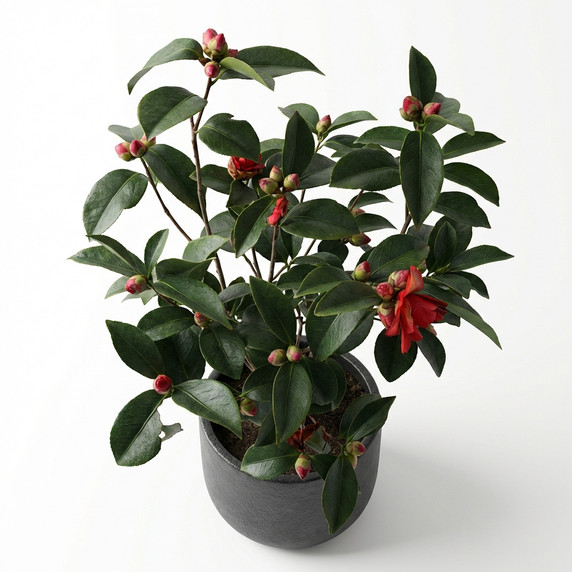
Turn any entrance or balcony into a seasonal showpiece. Ornamental Cabbage delivers a dramatic, rose-like centerpiece with ruffled leaves and rich cool-weather color—an easy, high-impact choice for autumn and winter planters. Pair it with violas, pansies, and dusty miller for a designer look that lasts.
1. Basic Identification
Common Name: Ornamental Cabbage (كرنب زينة)
Botanical Name: Brassica oleracea var. acephala
Arabic Name: كرنب زينة
Stems: 1
Family: Brassicaceae
2. Taxonomy & Classification
Ornamental Cabbage belongs to the Brassicaceae (mustard) family. It is a cultivar of Brassica oleracea, the same species that includes edible vegetables like broccoli, kale, and cauliflower. It is specifically classified as var. acephala, meaning "without a head," referring to its open rosette growth habit.
3. Origin & Distribution
The wild ancestors of this plant are native to the coastal regions of Southern and Western Europe. Today, ornamental varieties are cultivated worldwide in temperate climates specifically for autumn and winter landscaping.
4. Visual Characteristics
This plant features a dense, rose-like rosette of broad, ruffled, or fringed leaves. The outer leaves are typically blue-green or sage green, while the centers transform into vivid shades of magenta, pink, violet, or creamy white as temperatures drop.
5. Size & Dimensions
Ornamental Cabbage typically reaches a height of 6 to 12 inches (15–30 cm) and a width of 12 to 18 inches (30–45 cm), forming a compact, low-growing mound perfect for containers and borders.
6. Light Requirements
For the best color development and to prevent the plant from becoming "leggy," it requires full sun, ideally 6 or more hours of direct sunlight per day. It can tolerate partial shade but may lose some color intensity.
7. Watering Needs
Keep the soil consistently moist but not soggy. These plants do not tolerate drought well; however, they should not sit in standing water, which can lead to root rot.
8. Soil & Potting
Thrives in rich, loamy, and well-draining soil with a pH between 6.0 and 7.5. When potting, ensure the container has adequate drainage holes.
9. Temperature & Humidity
Highly cold-tolerant, this plant is at its best when temperatures are between 5°C and 15°C (40°F–60°F). Frost actually enhances the pigments in the leaves. It does not perform well in high heat or high humidity, which causes it to bolt or rot.
10. Fertilization
Apply a balanced, water-soluble fertilizer at the time of planting. Avoid over-fertilizing with nitrogen during the peak of winter, as this can interfere with the development of the bright center colors.
11. Maintenance & Care Level
Easy / Low Maintenance. Care primarily involves removing dead or yellowing lower leaves to maintain a clean appearance and monitoring for pests.
12. Growth & Propagation
Usually grown as a cool-season annual. It is propagated by seeds sown in mid-to-late summer so that plants reach maturity just as the cool weather arrives.
13. Common Problems
Common issues include cabbage loopers, aphids, and slugs. In overly wet soil, they can be susceptible to clubroot or downy mildew.
14. Benefits & Uses
Primarily used for ornamental purposes in winter gardens, window boxes, and decorative containers. While technically edible, the leaves are much tougher and more bitter than culinary kale, making them better suited as a garnish or visual display.
15. Toxicity & Safety
Non-toxic to humans and generally considered safe for handling. While not listed as highly toxic to pets by the ASPCA, ingestion of large amounts by cats or dogs may cause mild gastrointestinal upset due to the high fiber and sulfur content common in the Brassica family.