


Parlor Palm
Bring effortless greenery to any space with the Parlor Palm. Its soft, elegant fronds create a calm, premium look while staying compact and easy to manage. Ideal for offices and homes alike, it performs beautifully in bright to medium indirect light and tolerates lower-light corners better than most palms. A timeless best-seller for gifting, styling, and everyday indoor décor.
1. Basic Identification
Common Name: Parlor Palm, Neanthe Bella Palm
Botanical Name: Chamaedorea elegans
Variety: Standard
Color: Green
Arabic Name: اريكا
Family: Arecaceae
2. Taxonomy & Classification
Kingdom: Plantae
Order: Arecales
Family: Arecaceae
Genus: Chamaedorea
Species: C. elegans
3. Origin & Distribution
Native to the dense rainforests of Southern Mexico and Guatemala. It has been a popular houseplant since the Victorian era because of its ability to thrive in low-light indoor environments.
4. Visual Characteristics
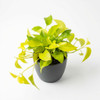
This palm features slender, green, cane-like stems and delicate, feathery, pinnate fronds. It typically grows in attractive clumps, providing a lush, forest-like appearance in a compact form.
5. Size & Dimensions
A slow-growing palm that typically reaches 2 to 4 feet in height indoors. In its natural habitat or ideal outdoor conditions, it may occasionally reach up to 6 to 10 feet, though it remains quite manageable as a container plant.
6. Light Requirements
Thrives in bright, indirect light but is highly adaptable to low-light conditions. It should be kept out of direct sunlight, as the harsh rays can scorch its sensitive leaves.
7. Watering Needs
Water when the top inch of soil feels dry. While it prefers consistent moisture, it is important not to overwater. It is moderately drought-tolerant but sensitive to "wet feet" (waterlogged soil).
8. Soil & Potting
Requires a high-quality, well-draining potting mix, such as a peat-based soil. It has a relatively small root system and does not require frequent repotting.
9. Temperature & Humidity
Prefers temperatures between 65°F and 80°F (18°C – 27°C). It enjoys moderate to high humidity; if the indoor air is very dry, occasional misting or a pebble tray can help prevent leaf tip browning.
10. Fertilization
Feed with a balanced, liquid houseplant fertilizer at half strength once a month during the growing season (spring and summer). Do not fertilize during the dormant winter months.
11. Maintenance & Care Level
Easy/Low Maintenance. Care involves removing any dead or yellowing fronds at the base and occasionally wiping the leaves with a damp cloth to remove dust.
12. Growth & Propagation
Growth is slow. Propagation is primarily achieved through seeds. Unlike many other plants, it is not easily propagated by division because its roots are fragile and do not like to be disturbed.
13. Common Problems
Susceptible to spider mites and mealybugs if the air is too dry. Overwatering can lead to root rot, while low humidity or chemical-heavy tap water may cause brown tips on the leaves.
14. Benefits & Uses
Widely recognized as an excellent air-purifying plant that filters indoor toxins like formaldehyde and benzene. Its compact size makes it perfect for desks, bookshelves, and tabletops in both homes and offices.
15. Toxicity & Safety
Non-toxic to humans, cats, and dogs, making it a safe choice for households with curious pets and children.
Parlor Palm

Bring effortless greenery to any space with the Parlor Palm. Its soft, elegant fronds create a calm, premium look while staying compact and easy to manage. Ideal for offices and homes alike, it performs beautifully in bright to medium indirect light and tolerates lower-light corners better than most palms. A timeless best-seller for gifting, styling, and everyday indoor décor.
1. Basic Identification
Common Name: Parlor Palm, Neanthe Bella Palm
Botanical Name: Chamaedorea elegans
Variety: Standard
Color: Green
Arabic Name: اريكا
Family: Arecaceae
2. Taxonomy & Classification
Kingdom: Plantae
Order: Arecales
Family: Arecaceae
Genus: Chamaedorea
Species: C. elegans
3. Origin & Distribution
Native to the dense rainforests of Southern Mexico and Guatemala. It has been a popular houseplant since the Victorian era because of its ability to thrive in low-light indoor environments.
4. Visual Characteristics
This palm features slender, green, cane-like stems and delicate, feathery, pinnate fronds. It typically grows in attractive clumps, providing a lush, forest-like appearance in a compact form.
5. Size & Dimensions
A slow-growing palm that typically reaches 2 to 4 feet in height indoors. In its natural habitat or ideal outdoor conditions, it may occasionally reach up to 6 to 10 feet, though it remains quite manageable as a container plant.
6. Light Requirements
Thrives in bright, indirect light but is highly adaptable to low-light conditions. It should be kept out of direct sunlight, as the harsh rays can scorch its sensitive leaves.
7. Watering Needs
Water when the top inch of soil feels dry. While it prefers consistent moisture, it is important not to overwater. It is moderately drought-tolerant but sensitive to "wet feet" (waterlogged soil).
8. Soil & Potting
Requires a high-quality, well-draining potting mix, such as a peat-based soil. It has a relatively small root system and does not require frequent repotting.
9. Temperature & Humidity
Prefers temperatures between 65°F and 80°F (18°C – 27°C). It enjoys moderate to high humidity; if the indoor air is very dry, occasional misting or a pebble tray can help prevent leaf tip browning.
10. Fertilization
Feed with a balanced, liquid houseplant fertilizer at half strength once a month during the growing season (spring and summer). Do not fertilize during the dormant winter months.
11. Maintenance & Care Level
Easy/Low Maintenance. Care involves removing any dead or yellowing fronds at the base and occasionally wiping the leaves with a damp cloth to remove dust.
12. Growth & Propagation
Growth is slow. Propagation is primarily achieved through seeds. Unlike many other plants, it is not easily propagated by division because its roots are fragile and do not like to be disturbed.
13. Common Problems
Susceptible to spider mites and mealybugs if the air is too dry. Overwatering can lead to root rot, while low humidity or chemical-heavy tap water may cause brown tips on the leaves.
14. Benefits & Uses
Widely recognized as an excellent air-purifying plant that filters indoor toxins like formaldehyde and benzene. Its compact size makes it perfect for desks, bookshelves, and tabletops in both homes and offices.
15. Toxicity & Safety
Non-toxic to humans, cats, and dogs, making it a safe choice for households with curious pets and children.