

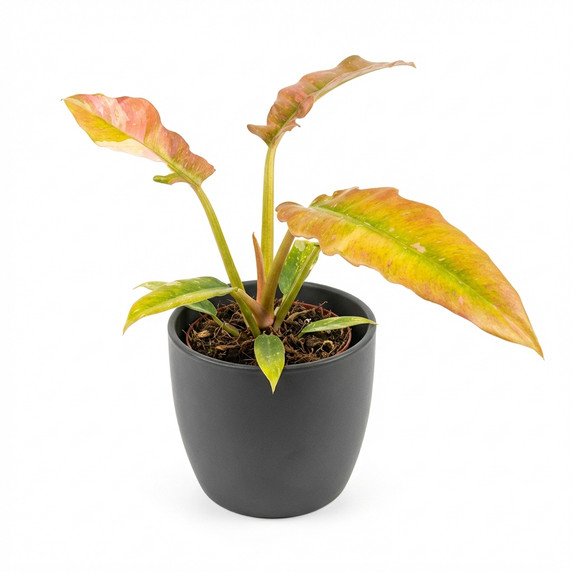
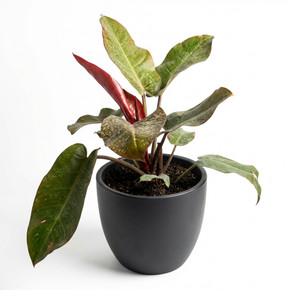


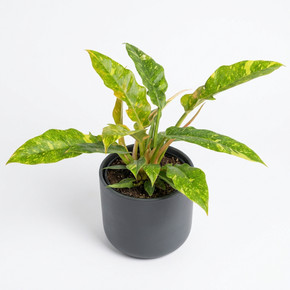
Bring instant tropical color to your space with Philodendron 'Prince of Orange'. Each new leaf emerges in striking copper-orange tones and gradually matures to fresh green, giving your plant a constantly changing look. Compact, tidy, and forgiving, it’s a stylish choice for desks, shelves, and reception areas—just give it bright indirect light and a well-draining mix for best color and growth.
Common Name: Prince of Orange
Botanical Name: Philodendron erubescens 'Prince of Orange'
Former Name: Not available
Plant Type: Foliage houseplant (Aroid)
Plant Code / SKU: PLT-0051
Alternative Names:
فيلو
Order: Alismatales
Family: Araceae
Genus: Philodendron
Species: Philodendron erubescens
Philodendron erubescens is native to the tropical rainforests of South America, particularly Colombia and Ecuador. The 'Prince of Orange' cultivar was selected and propagated in cultivation and is now widely grown as an ornamental houseplant worldwide.
Evergreen perennial with lanceolate leaves that emerge in vibrant copper-orange before transitioning through chartreuse to deep green. Leaves measure 10–20 cm long, have a slightly pendulous habit, and are borne on slender stems with orange-tinted nodes. Juvenile foliage is papery, while mature leaves become thicker and lustrous.
Indoors, typically reaches 30–60 cm in height with a similar spread. Growth habit remains compact and bushy when provided optimal light and moisture.
Thrives in bright, indirect light. Protect from direct midday sun to prevent leaf scorch. Can tolerate moderate light but foliage color intensity may diminish in lower light conditions.
Water when the top 2–3 cm of substrate dries out. Keep soil evenly moist but avoid waterlogging. Reduce frequency during cooler months.
Use a well-draining, aerated mix rich in organic matter (e.g., peat-based potting soil amended with perlite or orchid bark). Repot every 1–2 years to refresh medium and accommodate root growth.
Optimal temperature range: 18–27 °C (65–80 °F); minimum 15 °C (59 °F). Prefers high humidity (60–75%) but adapts to average indoor levels; benefit from occasional misting or a nearby humidifier.
Apply a balanced liquid fertilizer (e.g., 20-20-20) at half strength every 4–6 weeks during spring and summer. Suspend feeding in fall and winter when growth slows.
Easy to moderate. Remove yellow or damaged leaves and trim back leggy growth to maintain shape. Inspect regularly for pests and ensure adequate light and moisture for healthy foliage.
Propagate via stem cuttings: cut just below a node, remove lower leaves, then root in water or moist potting mix. Roots typically develop in 2–4 weeks under warm, humid conditions.
Overwatering may lead to root rot and yellowing leaves. Brown leaf tips often indicate low humidity or mineral build-up in water. Leggy, sparse growth can result from insufficient light. Watch for spider mites, mealybugs, and aphids.
Valued for its striking, color-changing foliage and compact form. Enhances interior décor and helps improve air quality by filtering common indoor pollutants. Ideal for desks, shelves, and small spaces.
All parts contain insoluble calcium oxalate crystals and are toxic if ingested, causing oral irritation, swelling, and gastrointestinal discomfort. Keep away from pets and children.
Bring instant tropical color to your space with Philodendron 'Prince of Orange'. Each new leaf emerges in striking copper-orange tones and gradually matures to fresh green, giving your plant a constantly changing look. Compact, tidy, and forgiving, it’s a stylish choice for desks, shelves, and reception areas—just give it bright indirect light and a well-draining mix for best color and growth.
Common Name: Prince of Orange
Botanical Name: Philodendron erubescens 'Prince of Orange'
Former Name: Not available
Plant Type: Foliage houseplant (Aroid)
Plant Code / SKU: PLT-0051
Alternative Names:
فيلو
Order: Alismatales
Family: Araceae
Genus: Philodendron
Species: Philodendron erubescens
Philodendron erubescens is native to the tropical rainforests of South America, particularly Colombia and Ecuador. The 'Prince of Orange' cultivar was selected and propagated in cultivation and is now widely grown as an ornamental houseplant worldwide.
Evergreen perennial with lanceolate leaves that emerge in vibrant copper-orange before transitioning through chartreuse to deep green. Leaves measure 10–20 cm long, have a slightly pendulous habit, and are borne on slender stems with orange-tinted nodes. Juvenile foliage is papery, while mature leaves become thicker and lustrous.
Indoors, typically reaches 30–60 cm in height with a similar spread. Growth habit remains compact and bushy when provided optimal light and moisture.
Thrives in bright, indirect light. Protect from direct midday sun to prevent leaf scorch. Can tolerate moderate light but foliage color intensity may diminish in lower light conditions.
Water when the top 2–3 cm of substrate dries out. Keep soil evenly moist but avoid waterlogging. Reduce frequency during cooler months.
Use a well-draining, aerated mix rich in organic matter (e.g., peat-based potting soil amended with perlite or orchid bark). Repot every 1–2 years to refresh medium and accommodate root growth.
Optimal temperature range: 18–27 °C (65–80 °F); minimum 15 °C (59 °F). Prefers high humidity (60–75%) but adapts to average indoor levels; benefit from occasional misting or a nearby humidifier.
Apply a balanced liquid fertilizer (e.g., 20-20-20) at half strength every 4–6 weeks during spring and summer. Suspend feeding in fall and winter when growth slows.
Easy to moderate. Remove yellow or damaged leaves and trim back leggy growth to maintain shape. Inspect regularly for pests and ensure adequate light and moisture for healthy foliage.
Propagate via stem cuttings: cut just below a node, remove lower leaves, then root in water or moist potting mix. Roots typically develop in 2–4 weeks under warm, humid conditions.
Overwatering may lead to root rot and yellowing leaves. Brown leaf tips often indicate low humidity or mineral build-up in water. Leggy, sparse growth can result from insufficient light. Watch for spider mites, mealybugs, and aphids.
Valued for its striking, color-changing foliage and compact form. Enhances interior décor and helps improve air quality by filtering common indoor pollutants. Ideal for desks, shelves, and small spaces.
All parts contain insoluble calcium oxalate crystals and are toxic if ingested, causing oral irritation, swelling, and gastrointestinal discomfort. Keep away from pets and children.





Take 20% off your first order
Enter the code below at checkout to get 20% off your first order