

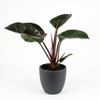
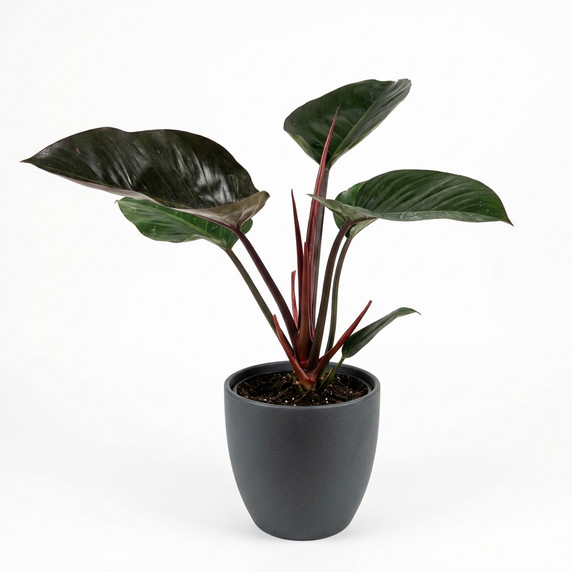
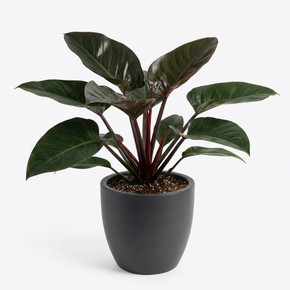


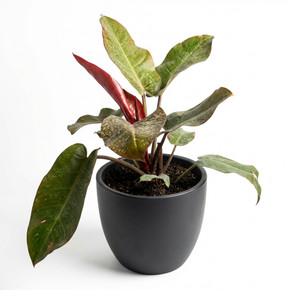
Bring instant tropical luxury to your space with Philodendron Rojo Congo. Its oversized, glossy leaves and rich red stems create a premium, architectural look that elevates living rooms, reception areas, and meeting spaces. Tough, forgiving, and reliably beautiful—this is the statement plant that stays stylish with minimal effort.
Common Name: Red Congo Philodendron
Botanical Name: Philodendron 'Rojo Congo'
Former Name: Not available
Plant Type: Foliage houseplant (Aroid)
Plant Code / SKU: PLT-0073
Alternative Names:
Philodendron Rojo Congo
Red Congo Philodendron
فيلو
Order: Alismatales
Family: Araceae
Genus: Philodendron
Cultivar: 'Rojo Congo'
Genus Philodendron is native to tropical Americas. 'Rojo Congo' is a cultivated hybrid of uncertain parentage, developed for the ornamental plant trade. Widely grown indoors worldwide; no natural wild occurrences.
Leaves: large, glossy, deep green at maturity; new foliage emerges reddish-burgundy
Stems: thick, sturdy, deep red to burgundy
Habit: upright with arching leaves, forming an architectural clumping habit
Height: up to 120–150 cm indoors
Spread: 60–80 cm
Leaf length: up to 40–45 cm
Prefers bright, indirect light; tolerates moderate light; avoid direct sun to prevent leaf scorch.
Water when the top 2–3 cm of soil dries out; maintain even moisture but avoid waterlogging; reduce frequency in winter.
Use a well-draining mix of peat moss or coco coir, perlite or orchid bark; ideal pH 5.5–7.0. Repot every 1–2 years or when rootbound.
Optimal temperature: 18–27 °C; avoid below 15 °C
Humidity: 50–70%; benefits from occasional misting or a humidity tray.
Apply a balanced (20-20-20) liquid fertilizer at half strength every 4–6 weeks during spring and summer; withhold or reduce feeding in fall and winter.
Low to moderate care. Prune yellow or damaged leaves; rotate plant periodically for even growth; wipe leaves to remove dust and maintain sheen.
Propagate via stem cuttings (10–15 cm segments with at least one node); root in water or moist potting mix. Air layering is also effective for larger specimens.
Overwatering: yellow leaves, root rot
Under-watering: brown leaf edges
Low humidity: brown tips
Pests: spider mites, mealybugs
Popular ornamental accent plant with architectural appeal; known to improve indoor air quality by filtering toxins such as formaldehyde.
Contains insoluble calcium oxalate crystals; toxic if ingested, causing oral irritation, drooling, and vomiting. Keep out of reach of children and pets.
Bring instant tropical luxury to your space with Philodendron Rojo Congo. Its oversized, glossy leaves and rich red stems create a premium, architectural look that elevates living rooms, reception areas, and meeting spaces. Tough, forgiving, and reliably beautiful—this is the statement plant that stays stylish with minimal effort.
Common Name: Red Congo Philodendron
Botanical Name: Philodendron 'Rojo Congo'
Former Name: Not available
Plant Type: Foliage houseplant (Aroid)
Plant Code / SKU: PLT-0073
Alternative Names:
Philodendron Rojo Congo
Red Congo Philodendron
فيلو
Order: Alismatales
Family: Araceae
Genus: Philodendron
Cultivar: 'Rojo Congo'
Genus Philodendron is native to tropical Americas. 'Rojo Congo' is a cultivated hybrid of uncertain parentage, developed for the ornamental plant trade. Widely grown indoors worldwide; no natural wild occurrences.
Leaves: large, glossy, deep green at maturity; new foliage emerges reddish-burgundy
Stems: thick, sturdy, deep red to burgundy
Habit: upright with arching leaves, forming an architectural clumping habit
Height: up to 120–150 cm indoors
Spread: 60–80 cm
Leaf length: up to 40–45 cm
Prefers bright, indirect light; tolerates moderate light; avoid direct sun to prevent leaf scorch.
Water when the top 2–3 cm of soil dries out; maintain even moisture but avoid waterlogging; reduce frequency in winter.
Use a well-draining mix of peat moss or coco coir, perlite or orchid bark; ideal pH 5.5–7.0. Repot every 1–2 years or when rootbound.
Optimal temperature: 18–27 °C; avoid below 15 °C
Humidity: 50–70%; benefits from occasional misting or a humidity tray.
Apply a balanced (20-20-20) liquid fertilizer at half strength every 4–6 weeks during spring and summer; withhold or reduce feeding in fall and winter.
Low to moderate care. Prune yellow or damaged leaves; rotate plant periodically for even growth; wipe leaves to remove dust and maintain sheen.
Propagate via stem cuttings (10–15 cm segments with at least one node); root in water or moist potting mix. Air layering is also effective for larger specimens.
Overwatering: yellow leaves, root rot
Under-watering: brown leaf edges
Low humidity: brown tips
Pests: spider mites, mealybugs
Popular ornamental accent plant with architectural appeal; known to improve indoor air quality by filtering toxins such as formaldehyde.
Contains insoluble calcium oxalate crystals; toxic if ingested, causing oral irritation, drooling, and vomiting. Keep out of reach of children and pets.




Take 20% off your first order
Enter the code below at checkout to get 20% off your first order