


Portulacaria afra
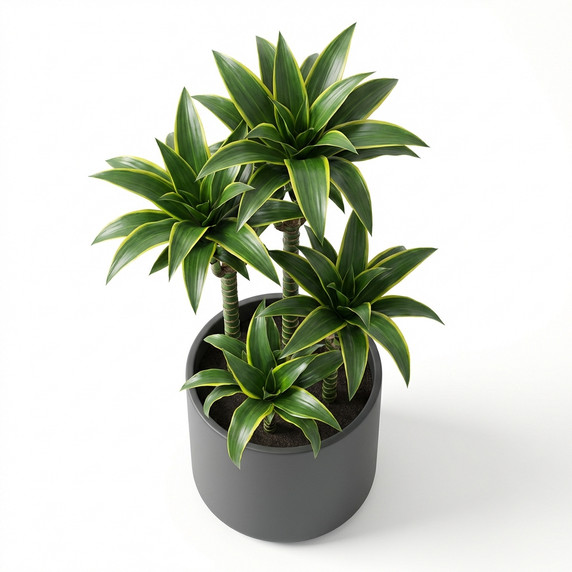
A sculptural, bonsai-look succulent that thrives on bright light and forgetful watering. Portulacaria afra brings clean, modern greenery to desks and living rooms, stays compact with simple pruning, and handles warm conditions with ease—an ideal gift and a dependable everyday plant.
1. Basic Identification
Common Name: Elephant Bush
Botanical Name: Portulacaria afra
Former Name: Ceraria afra
Plant Type: Succulent (bonsai-style)
Plant Code / SKU: PLT-0634
Alternative Names:
Elephant Bush
Dwarf Jade Plant
Spekboom
Porkbush
Baby Jade
دمعة الطفل
2. Taxonomy & Classification
Order: Saxifragales
Family: Didiereaceae
Genus: Portulacaria
3. Origin & Distribution
Native to the Eastern Cape Province of South Africa; naturalized in parts of Africa; widely cultivated as an ornamental houseplant and bonsai specimen worldwide.
4. Visual Characteristics
Leaves: Succulent, opposite, oval to round, glossy green, 1–2 cm long; stems: reddish-brown, fleshy, becoming woody with age; growth habit: low, spreading shrub with a bonsai-like form; flowers: tiny pinkish-white clusters in warm months.
5. Size & Dimensions
In habitat up to 1–2 m tall and wide; as a potted indoor bonsai typically 15–50 cm in height and 20–60 cm in spread, depending on pruning and pot size.
6. Light Requirements
Prefers bright light to full sun; at least 4–6 hours of direct or strong indirect light daily; tolerates partial shade but may exhibit slower, leggy growth.
7. Watering Needs
Allow the top 2–3 cm of soil to dry out before watering; water thoroughly and let excess drain; reduce frequency in cooler months; overwatering leads to root rot.
8. Soil & Potting
Use a well-draining succulent/cactus mix (e.g., potting soil blended with coarse sand or perlite); ensure pots have drainage holes; repot every 2–3 years or when root-bound.
9. Temperature & Humidity
Ideal temperatures 18–24 °C (65–75 °F); tolerates down to 10 °C (50 °F) but not frost; average indoor humidity is acceptable; avoid high humidity and cold drafts.
10. Fertilization
Feed monthly during spring and summer with a balanced, diluted succulent fertilizer; do not fertilize in autumn and winter when growth slows.
11. Maintenance & Care Level
Low maintenance; prune regularly to shape and remove leggy growth; tolerates occasional neglect; suitable for beginners and bonsai enthusiasts.
12. Growth & Propagation
Moderate growth rate; propagate easily from stem cuttings—allow cut ends to callous for 24 hours, then insert into a well-draining medium; roots develop in 2–4 weeks under warm, bright conditions.
13. Common Problems
Overwatering can cause root and stem rot; insufficient light leads to leggy, stretched growth; pests include mealybugs, scale, and aphids; intense midday sun may cause leaf sunburn; cold drafts can trigger leaf drop.
14. Benefits & Uses
Attractive bonsai-like accent for home and office; improves visual appeal; in native regions used as forage for livestock and wildlife; contributes to soil stabilization and carbon sequestration.
15. Toxicity & Safety
Considered non-toxic to humans, cats, and dogs; ingestion of large quantities may cause mild digestive upset.

Portulacaria afra
A sculptural, bonsai-look succulent that thrives on bright light and forgetful watering. Portulacaria afra brings clean, modern greenery to desks and living rooms, stays compact with simple pruning, and handles warm conditions with ease—an ideal gift and a dependable everyday plant.
1. Basic Identification
Common Name: Elephant Bush
Botanical Name: Portulacaria afra
Former Name: Ceraria afra
Plant Type: Succulent (bonsai-style)
Plant Code / SKU: PLT-0634
Alternative Names:
Elephant Bush
Dwarf Jade Plant
Spekboom
Porkbush
Baby Jade
دمعة الطفل
2. Taxonomy & Classification
Order: Saxifragales
Family: Didiereaceae
Genus: Portulacaria
3. Origin & Distribution
Native to the Eastern Cape Province of South Africa; naturalized in parts of Africa; widely cultivated as an ornamental houseplant and bonsai specimen worldwide.
4. Visual Characteristics
Leaves: Succulent, opposite, oval to round, glossy green, 1–2 cm long; stems: reddish-brown, fleshy, becoming woody with age; growth habit: low, spreading shrub with a bonsai-like form; flowers: tiny pinkish-white clusters in warm months.
5. Size & Dimensions
In habitat up to 1–2 m tall and wide; as a potted indoor bonsai typically 15–50 cm in height and 20–60 cm in spread, depending on pruning and pot size.
6. Light Requirements
Prefers bright light to full sun; at least 4–6 hours of direct or strong indirect light daily; tolerates partial shade but may exhibit slower, leggy growth.
7. Watering Needs
Allow the top 2–3 cm of soil to dry out before watering; water thoroughly and let excess drain; reduce frequency in cooler months; overwatering leads to root rot.
8. Soil & Potting
Use a well-draining succulent/cactus mix (e.g., potting soil blended with coarse sand or perlite); ensure pots have drainage holes; repot every 2–3 years or when root-bound.
9. Temperature & Humidity
Ideal temperatures 18–24 °C (65–75 °F); tolerates down to 10 °C (50 °F) but not frost; average indoor humidity is acceptable; avoid high humidity and cold drafts.
10. Fertilization
Feed monthly during spring and summer with a balanced, diluted succulent fertilizer; do not fertilize in autumn and winter when growth slows.
11. Maintenance & Care Level
Low maintenance; prune regularly to shape and remove leggy growth; tolerates occasional neglect; suitable for beginners and bonsai enthusiasts.
12. Growth & Propagation
Moderate growth rate; propagate easily from stem cuttings—allow cut ends to callous for 24 hours, then insert into a well-draining medium; roots develop in 2–4 weeks under warm, bright conditions.
13. Common Problems
Overwatering can cause root and stem rot; insufficient light leads to leggy, stretched growth; pests include mealybugs, scale, and aphids; intense midday sun may cause leaf sunburn; cold drafts can trigger leaf drop.
14. Benefits & Uses
Attractive bonsai-like accent for home and office; improves visual appeal; in native regions used as forage for livestock and wildlife; contributes to soil stabilization and carbon sequestration.
15. Toxicity & Safety
Considered non-toxic to humans, cats, and dogs; ingestion of large quantities may cause mild digestive upset.